HelloGrowthCRM software
Built for real small-business sales teams
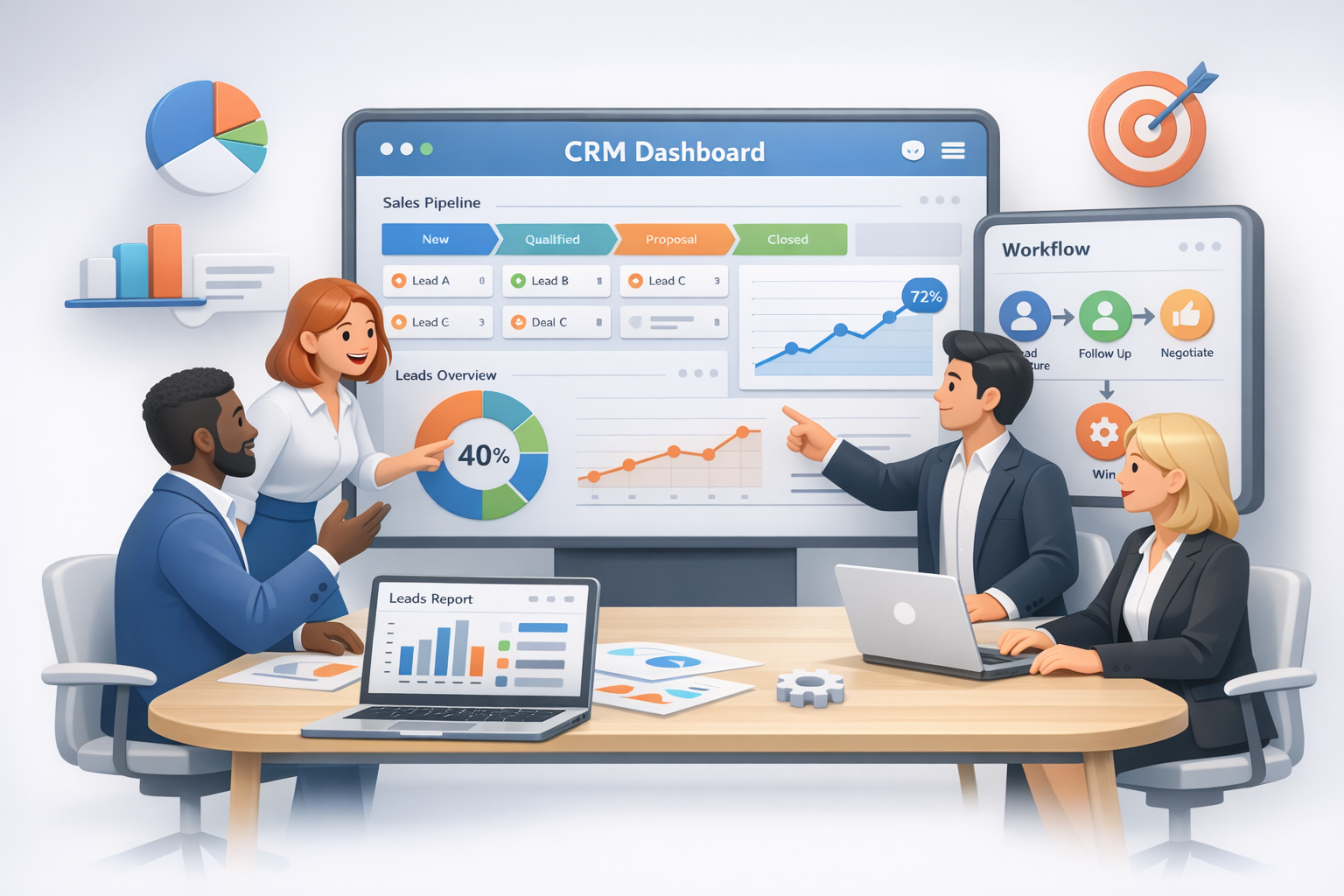
HelloGrowthCRM helps reps qualify faster, follow up on time, and close more deals—with practical automation in one place.
- AI lead scoring and pipeline visibility
- Built-in dialer, WhatsApp, and email automation
- Sales forecasting and RevOps-ready reporting
In the fast-paced world of startups, choosing the right Customer Relationship Management (CRM) system can significantly impact growth and success. A startup CRM is designed to help early-stage businesses manage customer data, streamline sales processes, and improve customer relationships. Selecting the right CRM can lead to increased efficiency, better communication, and ultimately, higher revenue. This article outlines key considerations and features to look for when choosing the best startup CRM for your business.
Understanding Your Business Needs
Before diving into the selection process, it's crucial to assess your startup's specific needs. Identify the primary goals you want to achieve with a CRM system. These might include improving sales tracking, enhancing customer service, or automating marketing efforts. Understanding your goals will guide you in choosing a CRM that aligns with your business strategy.
- Define your target audience and their needs.
- Determine the key features necessary for your operations.
- Set a budget that accommodates your financial constraints.
Once you have a clear picture of your objectives, you can start evaluating CRM options that will help you achieve them.
Key Features of a Startup CRM
Different CRM systems offer various features that cater to different business needs. When evaluating options, consider the following essential features:
- Contact management: A robust contact management system allows you to organize and access customer information easily.
- Sales automation: Automating repetitive tasks can free up your sales team's time to focus on closing deals.
- Reporting and analytics: Effective reporting tools help you track performance metrics and make data-driven decisions.
Other valuable features include mobile access, integration capabilities with other tools, and user-friendly interfaces. A CRM that combines these features will enhance your startup's efficiency and productivity.
Scalability and Flexibility
As your startup grows, your CRM needs may evolve. Therefore, it is vital to choose a CRM that can scale with your business. A flexible CRM allows you to add new features, users, and integrations as your needs change. This adaptability can save you time and resources in the long run.
- Look for a CRM with tiered pricing plans that match your growth stages.
- Ensure the software can accommodate additional users without significant downtime.
- Check for integration options with other tools you may adopt in the future.
By selecting a scalable CRM, you can ensure that it continues to meet your needs as your business expands.
User Experience and Support
The usability of a CRM system is critical for its success. A complicated interface can lead to frustration and reduced adoption rates among your team. When evaluating CRMs, consider the user experience and the level of support offered.
- Look for systems with intuitive interfaces that require minimal training.
- Check for available customer support channels, such as chat, email, or phone.
- Read user reviews to understand the experiences of other businesses.
A CRM that prioritizes user experience and offers reliable support can help your team fully utilize its features and drive growth.
Budget Considerations
Cost is always a significant factor when selecting a CRM, especially for startups operating on tight budgets. While it's tempting to choose the cheapest option, consider the value each system provides. A more expensive CRM may offer features that save time and improve efficiency, ultimately leading to higher returns.
- Compare pricing models, such as monthly subscriptions versus one-time fees.
- Factor in additional costs for training, support, and integrations.
- Assess the potential ROI of investing in a more comprehensive CRM solution.
By carefully evaluating the costs and benefits, you can find a CRM that fits your financial situation while supporting your growth objectives.
Making the Final Decision
After evaluating your options, it's time to make a decision. Involve your team in the selection process to ensure buy-in and gather diverse perspectives. Consider running a trial period with your top choices to see how they work in practice. This hands-on experience can provide valuable insights into which CRM best meets your needs.
- Create a shortlist of your top CRM candidates.
- Schedule demos or trials to test functionality.
- Gather feedback from your team to make an informed choice.
Choosing the right startup CRM is a crucial step towards fostering growth and improving your sales processes. By carefully considering your needs, evaluating features, and involving your team, you can select a system that will support your business's success.
Frequently Asked Questions
What features should a startup CRM have?
A startup CRM should have contact management, sales automation, and reporting tools to enhance efficiency.
How important is scalability in a startup CRM?
Scalability is crucial as it allows the CRM to grow with your business, accommodating new features and users.
Ready to put this into practice?
Set up your pipeline, WhatsApp follow-ups, and AI lead scoring in minutes — free, no credit card.
Try HelloGrowthCRM freeGet CRM tips in your inbox
Join thousands of sales professionals who get weekly insights on CRM strategy, AI automation, and pipeline optimization.

The HelloGrowthCRM team publishes guides on CRM strategy, AI sales tools, and revenue operations for small business sales teams.