HelloGrowthCRM software
Built for real small-business sales teams
HelloGrowthCRM helps reps qualify faster, follow up on time, and close more deals—with practical automation in one place.
- AI lead scoring and pipeline visibility
- Built-in dialer, WhatsApp, and email automation
- Sales forecasting and RevOps-ready reporting
Circle prospecting real estate is a method where agents contact homeowners or residents within a specific area around a listing to generate leads and build relationships. This article explains why real estate professionals use circle prospecting, provides step-by-step instructions, shares a US-based example, and highlights common mistakes to avoid.
Why this comes up / what goes wrong
Real estate business owners and their sales teams often need to generate consistent local leads without spending excessive marketing dollars. Circle prospecting is a practical approach that focuses efforts on a defined neighborhood or "circle" around a property. The goal is to connect with potential sellers or buyers interested in market activity nearby. Without a clear process, agents may waste time calling uninterested leads, miss follow-ups, or fail to track responses effectively. Accountants involved in real estate teams notice inefficiencies when prospecting activities lack structure, leading to unpredictable sales outcomes and resource allocation.
Step-by-step
- Identify Your Target Circle: Choose a geographic area around a recent sale, listing, or neighborhood where you want to build presence. This could be a radius of 1-2 miles or a specific subdivision.
- Gather Contact Information: Use public records, MLS data, or purchased lists to collect phone numbers and addresses of homeowners within the circle. Verify data accuracy to avoid dead ends.
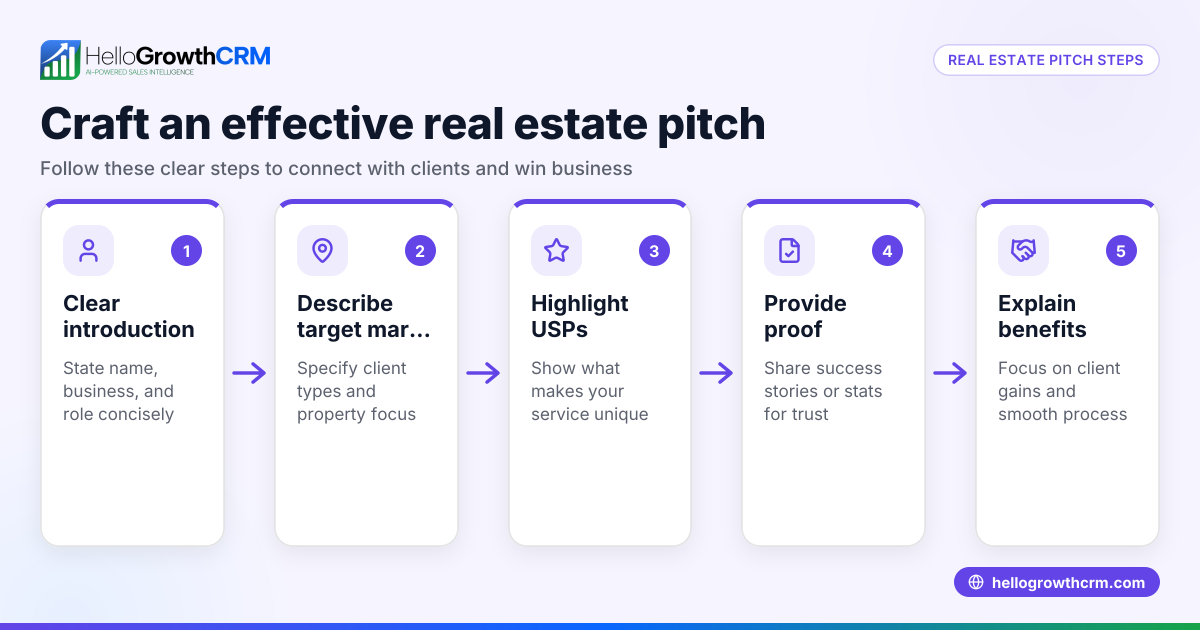
- Prepare Your Script: Develop a concise and friendly script that introduces yourself, mentions the nearby property, and asks if they are interested in buying or selling. Keep it conversational, not pushy.
- Schedule Calling Times: Plan your calls during appropriate hours when people are more likely to answer, typically early evenings or weekends.
- Make Calls and Take Notes: Contact each homeowner, listen actively, and record their responses and any follow-up actions needed.
- Follow Up Promptly: For interested leads, schedule appointments or send additional information quickly. For those not ready, note a future date to check back.
- Track and Analyze Results: Maintain a log of calls, outcomes, and conversion rates to refine your approach over time.
- Repeat Regularly: Circle prospecting is most effective when done consistently, revisiting the same or new circles periodically.
For more on managing real estate sales processes and communication, see Real estate and builders.
Example (fictional figures)
A residential real estate team in Phoenix, Arizona, decides to circle prospect within a 1-mile radius around a new listing priced at $450,000 on 04/15/2026.
- They obtain a list of 150 homeowners with verified phone numbers.
- They plan to call 30 homeowners per day over 5 days.
- Their goal is to set appointments with some of the contacted homeowners based on interest.
Calculations:
Assuming they set appointments with 15 homeowners out of 150 contacted (10% of 150):
150 homeowners × 10% = 15 appointments
Assuming 20% of appointments convert to sales:
15 appointments × 20% = 3 sales
With an average commission of 3% on $450,000:
$450,000 × 3% = $13,500 commission per sale
Total commission:
3 sales × $13,500 = $40,500
This example shows how focused circle prospecting can create measurable sales opportunities.
Common mistakes
- Not defining the circle clearly: Avoid vague or too large areas; this wastes time and reduces relevance. Use mapping tools to set precise boundaries.
- Using outdated contact lists: Calling disconnected numbers frustrates agents and wastes resources. Regularly update and verify your data.
- Reading a script verbatim: This can sound robotic and turn prospects off. Practice a natural tone and adapt based on conversation.
- Failing to follow up: Leads lose interest if not contacted promptly after initial calls. Use reminders and track tasks carefully.
- Ignoring local regulations: Follow state telemarketing laws and honor do-not-call lists to avoid penalties.
- Not tracking results: Without logging outcomes, it’s hard to know what works or improve your approach.
For tools that support real estate sales teams with messaging and lead management, explore WhatsApp and SMS CRM.
Frequently asked questions
What is the best radius for circle prospecting? Most agents use a 1-2 mile radius around a listing or recent sale. The size depends on market density and your capacity to contact leads effectively.
How often should I repeat circle prospecting in the same area? Typically, every 3-6 months to catch new homeowners or those who weren’t ready previously. Consistency helps build name recognition.
Can I use text messages instead of calls for circle prospecting? Yes, texting can be effective, especially with younger demographics. However, some states regulate unsolicited texts, so check local laws. Combining calls and texts often works best.
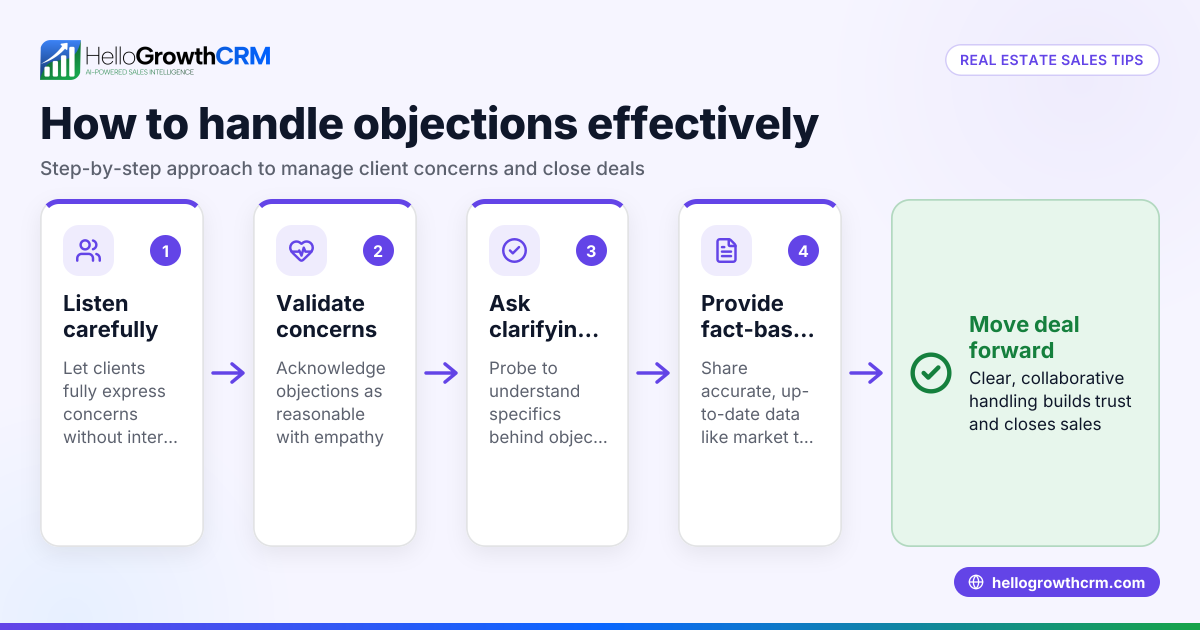
How do I handle objections during calls? Listen carefully, acknowledge concerns, and provide helpful information without pressure. Offer to follow up with market updates or answer questions later.
Is circle prospecting legal in all US states? Telemarketing and solicitation laws vary by state, including do-not-call lists and time restrictions. Consult legal counsel to ensure compliance.
What tools can help with circle prospecting? CRM systems that integrate calling, lead tracking, and messaging streamline the process. For US real estate teams, see HelloGrowthCRM for the United States to learn about options.
Key takeaways
- Circle prospecting targets homeowners near a listing to generate local leads.
- Define your geographic circle precisely and use verified contact data.
- Use a conversational script and schedule calls at optimal times.
- Track calls, responses, and follow up promptly for best results.
- Avoid common mistakes like outdated lists, ignoring laws, and poor follow-up.
- Consistent, repeated outreach builds recognition and sales opportunities.
Start building your local real estate pipeline with a CRM that supports lead management and communication. Start on the Free Forever plan (200 leads, no credit card).
Ready to put this into practice?
Set up your pipeline, WhatsApp follow-ups, and AI lead scoring in minutes — free, no credit card.
Try HelloGrowthCRM freeGet CRM tips in your inbox
Join thousands of sales professionals who get weekly insights on CRM strategy, AI automation, and pipeline optimization.

The HelloGrowthCRM team publishes guides on CRM strategy, AI sales tools, and revenue operations for small business sales teams.