HelloGrowthCRM software
Built for real small-business sales teams
HelloGrowthCRM helps reps qualify faster, follow up on time, and close more deals—with practical automation in one place.
- AI lead scoring and pipeline visibility
- Built-in dialer, WhatsApp, and email automation
- Sales forecasting and RevOps-ready reporting
Customer microsegmentation marketing means breaking down your customer base into very specific groups defined by detailed traits like buying behavior, preferences, demographics, or engagement level. This allows your marketing and sales to be more targeted, relevant, and effective, which is especially important for small and mid-sized US businesses competing in niche markets or with limited budgets.
Why this comes up / what goes wrong
Small business owners often face challenges like slow lead follow-up, generic messaging, and losing deals because their sales and marketing treat all customers the same. Without microsegmentation, marketing campaigns can be too broad, wasting resources and missing chances to address specific customer needs. For example, sending the same email to a new lead and a loyal repeat customer reduces engagement. Also, managing customer data across text messages, email, and spreadsheets makes it hard to segment accurately.
Step-by-step
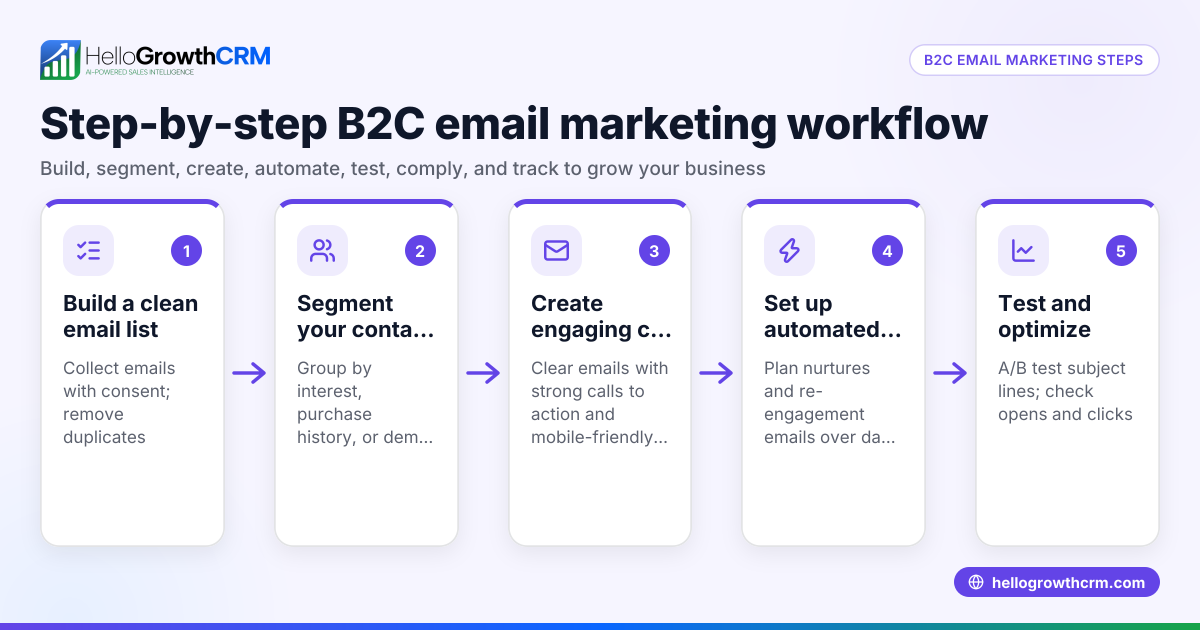
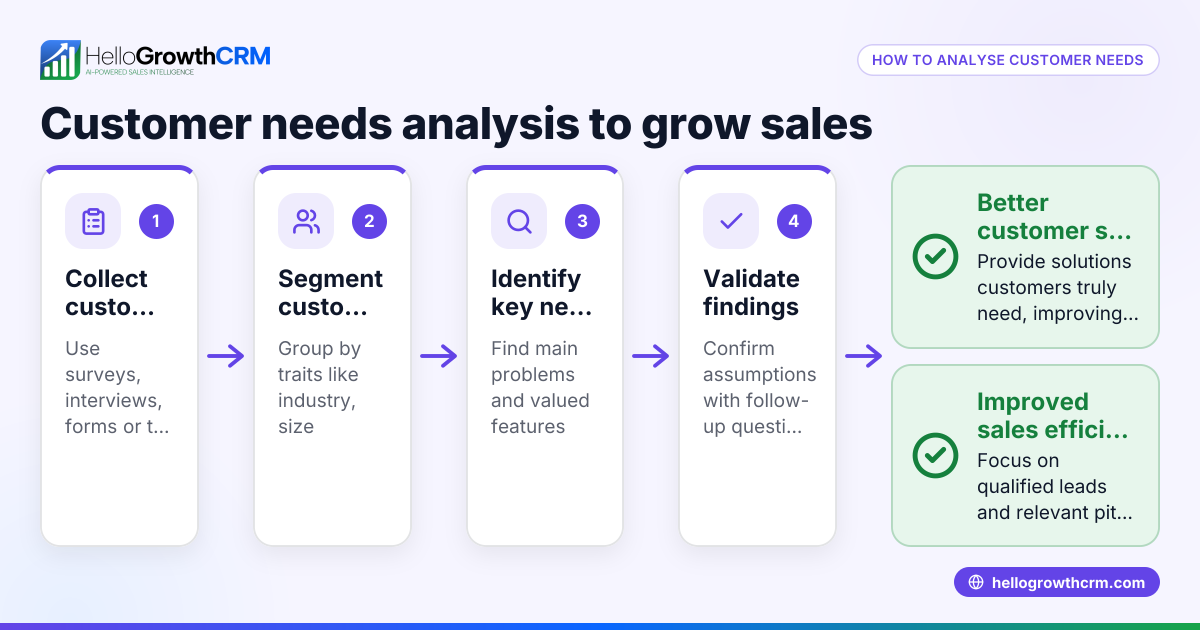
- Collect detailed customer data: Gather information beyond basic contact details. Look for purchase history, product preferences, communication channels, geographic location, and engagement patterns. Check your data sources for completeness and accuracy.
- Identify segmentation criteria: Choose specific factors relevant to your business goals, such as frequency of purchase, product type, or customer lifetime value. Verify these criteria reflect meaningful differences in customer behavior.
- Create microsegments: Divide your customers into small groups based on the criteria. For example, segment customers who buy premium products monthly versus occasional buyers of entry-level items. Ensure segments are actionable and not too small to target.
- Tailor marketing messages and offers: Design campaigns that speak directly to each microsegment’s needs and preferences. Check message relevance and test different approaches.
- Use CRM tools to automate and track: Manage microsegments within your CRM to automate follow-ups, track responses, and update segments as customer data changes. Verify your CRM supports segmentation and communication sequences.
- Analyze results and refine segments: Regularly review campaign performance by segment, adjust segmentation criteria, and improve messaging. Check that data is updated and segments remain relevant.
Example (fictional figures)
A B2B software reseller in Denver, Colorado, wants to increase sales by targeting its customers more precisely.
- Total customers: 1,000
- They segment customers into:
- Segment A: Monthly premium subscribers (200 customers)
- Segment B: Occasional buyers of basic software (300 customers)
- Segment C: New leads (500 customers)
They run a targeted email campaign for Segment A offering an upgrade with a 10% discount.
- Average sale value per customer: $1,200
- Expected conversion rate without segmentation: 5%
- Expected conversion rate with segmentation: 12%
Calculations:
- Without segmentation sales = 1,000 × 5% × $1,200 = $60,000
- With segmentation sales = 200 × 12% × $1,200 = $28,800 (Segment A only)
By focusing on Segment A first, they aim to generate $28,800 from a smaller, more responsive group, improving marketing ROI and customer satisfaction.
Common mistakes
- Using too broad segments: Prevent by focusing on specific, actionable criteria and splitting large groups further.
- Ignoring data quality: Prevent by regularly cleaning and updating customer data before segmenting.
- Not tailoring messages per segment: Prevent by designing unique offers and communications for each microsegment.
- Failing to track and adjust: Prevent by analyzing campaign results by segment and refining segmentation regularly.
- Overcomplicating segmentation: Prevent by balancing detail with practicality; avoid creating segments too small to target effectively.
- Managing segments manually on spreadsheets: Prevent this by using CRM tools like HelloGrowthCRM to automate and organize customer microsegments efficiently with its customer module and segmentation features.
Doing this in HelloGrowthCRM
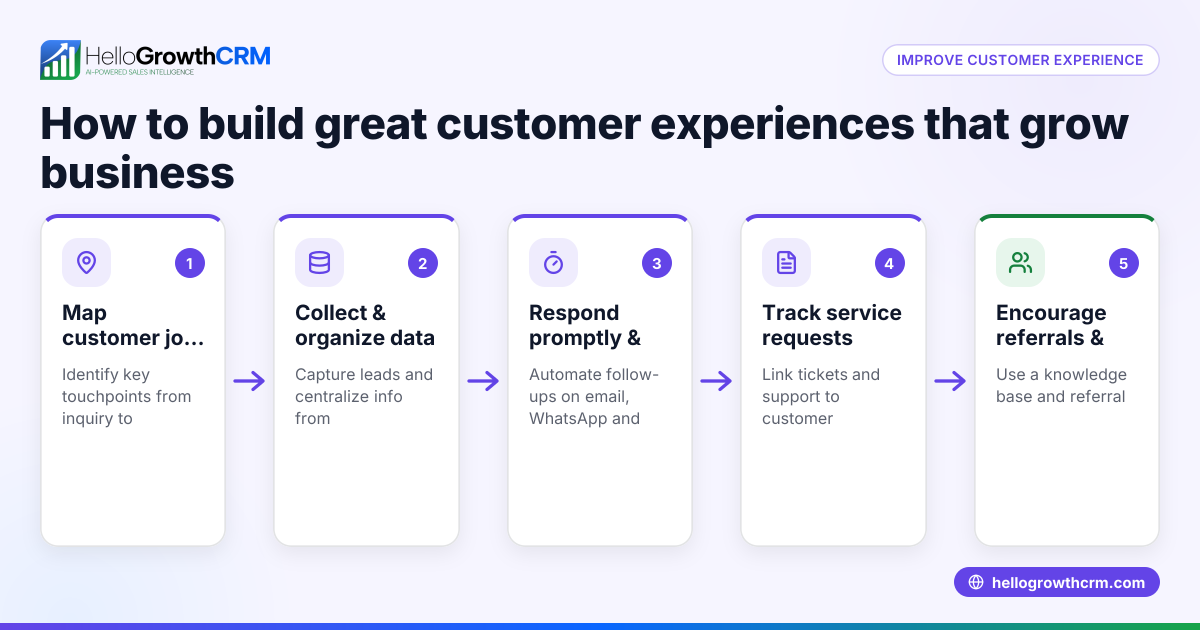
HelloGrowthCRM supports your customer microsegmentation marketing by keeping all service requests, referrals, and tickets linked to the same customer record as the deal. After the sale, your team can track support tickets and knowledge base interactions within the customer portal, ensuring a complete view of each customer’s journey. This helps maintain personalized communication and service, which is essential for effective microsegmentation marketing. Learn more about customer health score and how HelloGrowthCRM fits for the United States.
Frequently asked questions
What is the difference between segmentation and microsegmentation? Segmentation groups customers into broad categories like age or location. Microsegmentation breaks those groups into smaller, more detailed clusters based on behavior, preferences, or engagement, allowing more precise marketing.
How do I collect data for microsegmentation? Data can come from sales records, website forms, customer surveys, and communication channels like WhatsApp or SMS. Using a CRM that integrates these sources helps keep data organized and accessible.
Can I automate microsegmentation marketing? Many CRMs including HelloGrowthCRM let you automate segment creation and run targeted email, WhatsApp, and SMS sequences to save time and improve follow-up.
How often should I update my microsegments? Update microsegments regularly, at least quarterly, or whenever new customer data arrives. This keeps your marketing relevant and responsive to changing customer needs.
Is microsegmentation only for large businesses? No, small and mid-sized businesses benefit greatly by focusing limited marketing resources on specific customer groups with tailored messages, improving conversion rates and customer loyalty.
How does HelloGrowthCRM support communication with microsegments? HelloGrowthCRM offers WhatsApp and SMS CRM features that enable you to run sequences and personalized communication for each segment efficiently. See more on WhatsApp and SMS CRM.
Key takeaways
- Customer microsegmentation marketing divides customers into very specific groups for targeted sales and marketing.
- Accurate, detailed customer data collection is essential to create actionable microsegments.
- Tailored messages and offers improve engagement and conversion rates.
- Avoid common mistakes like broad segments, poor data quality, and lack of tracking.
- Use CRM tools like HelloGrowthCRM to automate segmentation, track service requests, and maintain customer records.
- Regularly update segments to keep marketing relevant.
Start microsegmentation marketing today to increase your sales efficiency and customer satisfaction. You can start on the Free Forever plan (200 leads, no credit card) with HelloGrowthCRM to organize your customer data and communications easily.
Ready to put this into practice?
Set up your pipeline, WhatsApp follow-ups, and AI lead scoring in minutes — free, no credit card.
Try HelloGrowthCRM freeGet CRM tips in your inbox
Join thousands of sales professionals who get weekly insights on CRM strategy, AI automation, and pipeline optimization.

The HelloGrowthCRM team publishes guides on CRM strategy, AI sales tools, and revenue operations for small business sales teams.