HelloGrowthCRM software
Built for real small-business sales teams
HelloGrowthCRM helps reps qualify faster, follow up on time, and close more deals—with practical automation in one place.
- AI lead scoring and pipeline visibility
- Built-in dialer, WhatsApp, and email automation
- Sales forecasting and RevOps-ready reporting
Customer needs analysis means gathering and interpreting information about your customers’ expectations, preferences and problems so you can provide the right solutions. For UK small businesses, this is crucial to avoid losing leads due to slow or irrelevant follow-up.
Why this comes up / what goes wrong
Many small business owners try to sell based on what they think customers want rather than what customers actually need. This often leads to missed sales or unhappy customers. For example, a business owner might rely on WhatsApp messages and spreadsheets to track leads but lose track of key customer requests or complaints. Without clear insights into customer needs, sales teams waste time on unqualified leads or generic pitches, and after-sales service gets disjointed.
Step-by-step
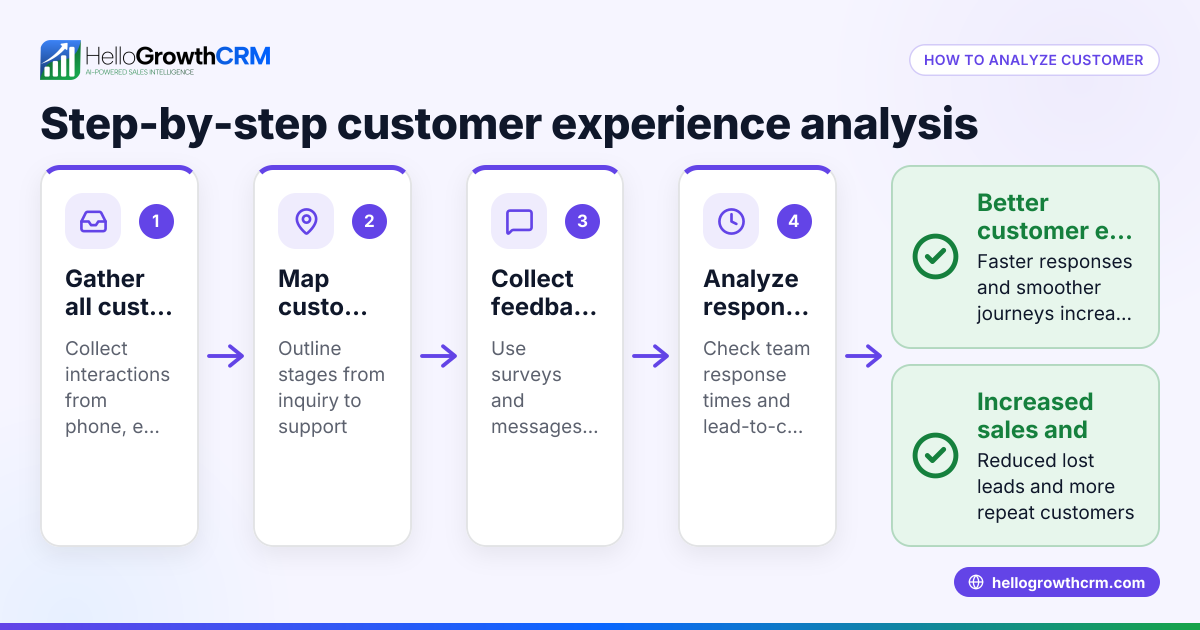
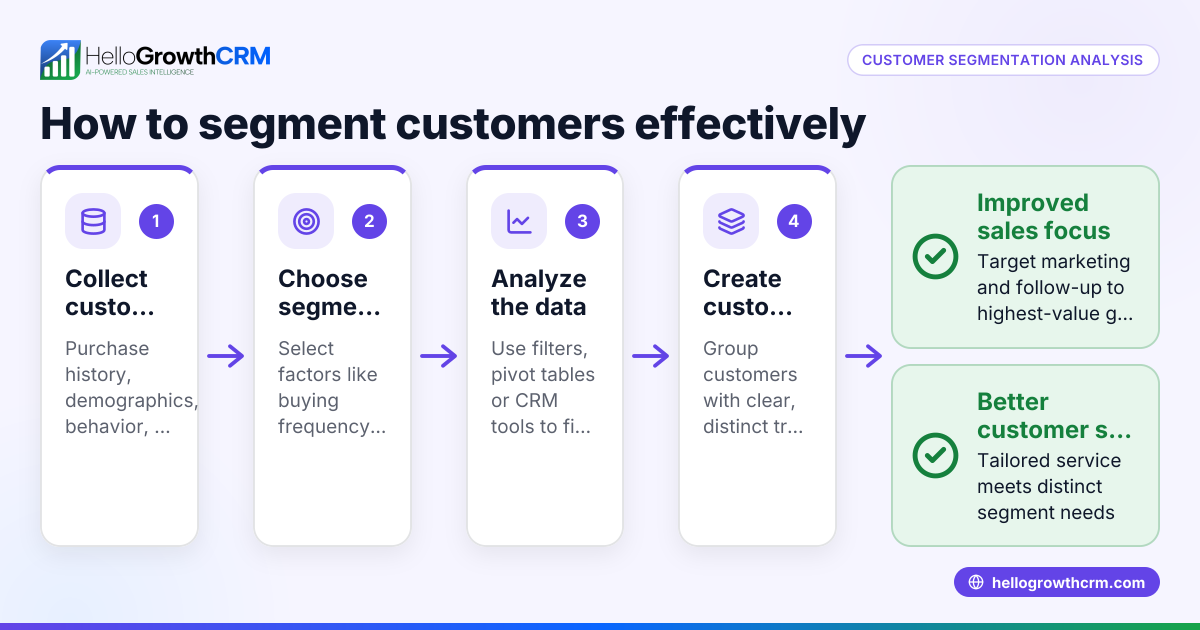
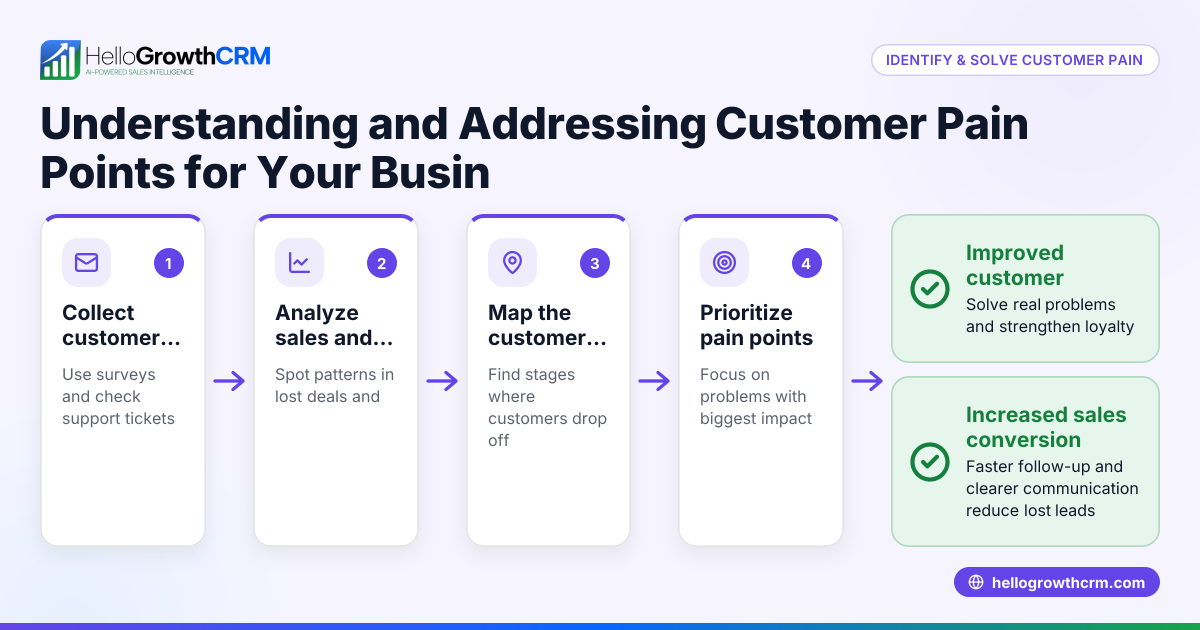
- Collect customer information: Use surveys, interviews, web forms, or direct conversations to gather data on what customers want or struggle with. Check that questions are clear and unbiased.
- Segment your customers: Group customers by common characteristics such as industry, size, or buying behaviour to tailor your analysis. Verify that segments reflect meaningful differences.
- Identify key needs: Look for patterns in the data that reveal what problems customers want solved or features they value most. Confirm these are consistent across your segments.
- Validate findings: Check your conclusions by asking follow-up questions or testing assumptions with small customer groups. Make sure feedback matches actual behaviour.
- Align your offerings: Adjust your product, service or sales approach to better meet the identified needs. Review whether changes address the highest priority needs.
- Track and update: Continuously monitor customer feedback and update your needs analysis regularly to stay relevant. Set reminders for periodic reviews.
During this process, consider using tools like a customer health score to prioritise leads based on their engagement and needs.
Example (fictional figures)
A letting agency in Manchester wants to improve its customer needs analysis to increase tenant satisfaction and lease renewals.
On 01/03/2026, they survey 100 tenants asking about their biggest issues and what matters most to them.
- 40 tenants report problems with maintenance response times.
- 30 tenants want more flexible lease terms.
- 30 tenants are satisfied with current services.
They calculate the priority of needs:
Maintenance issues = 40 tenants Flexible leases = 30 tenants Satisfied tenants = 30 tenants
To prioritise, they calculate the percentage of tenants for each need:
Maintenance issues = (40 ÷ 100) × 100 = 40% Flexible leases = (30 ÷ 100) × 100 = 30% Satisfied tenants = (30 ÷ 100) × 100 = 30%
The agency decides to focus on speeding up maintenance requests first, expecting this to improve tenant retention and reduce complaints.
They estimate that by reducing maintenance delays, they can save £15,000 per year in lost rent from dissatisfied tenants.
Current annual lost rent due to maintenance delays = £15,000 Estimated improvement in retention = 20% Expected annual savings = £15,000 × 20% = £3,000
This £3,000 can be reinvested in better maintenance services or tenant communications.
Common mistakes
- Assuming customer needs without asking: Prevent by always collecting direct feedback through surveys or conversations.
- Ignoring after-sales needs: Prevent by tracking service requests on the same customer record to avoid fragmented information.
- Using generic data: Prevent by segmenting customers to understand specific needs for different groups.
- Not updating analysis regularly: Prevent by scheduling periodic reviews, especially after product changes or market shifts.
- Overcomplicating the process: Prevent by focusing on actionable insights that directly influence sales and service.
Use a CRM that supports after-sale service requests, like HelloGrowthCRM, so service tickets stay linked to the original deal and customer record, improving follow-up.
Doing this in HelloGrowthCRM
HelloGrowthCRM offers a customer portal, referrals, tickets and knowledge base that keep service requests linked to the same customer record as the deal. This helps you manage customer needs after the sale efficiently without losing context. You can track support tickets and use the knowledge base to resolve frequent issues, all within one platform. Learn more about HelloGrowthCRM for the United Kingdom.
Frequently asked questions
What is the difference between customer needs and customer wants? Customer needs are essential problems or requirements customers must solve, while wants are additional desires or preferences. Needs are the priority to address for customer satisfaction.
How often should I do a customer needs analysis? Regularly, at least once or twice a year, or whenever you launch new products or notice changes in customer behaviour. Ongoing updates keep your business aligned with evolving needs.
Can customer needs analysis improve sales forecasting? Yes, by understanding what customers want, you can better predict which leads are likely to convert and when. Tools like WhatsApp and SMS CRM help automate follow-ups based on customer needs.
How do I handle conflicting customer needs? Segment your customers and tailor solutions for each group. Prioritise needs that affect the largest or most profitable segments.
Is customer needs analysis only for new customers? No, it is equally important for existing customers to improve retention and upselling.
Key takeaways
- Customer needs analysis identifies what customers truly require to guide sales and service.
- Collect and segment customer data to find common needs.
- Regularly update your analysis to stay relevant.
- Avoid assumptions and track after-sale service requests on the same customer record.
- Use tools like HelloGrowthCRM to manage customer needs and support efficiently.
Start your customer needs analysis today and improve your sales and service by starting on the Free Forever plan (200 leads, no credit card).
Ready to put this into practice?
Set up your pipeline, WhatsApp follow-ups, and AI lead scoring in minutes — free, no credit card.
Try HelloGrowthCRM freeGet CRM tips in your inbox
Join thousands of sales professionals who get weekly insights on CRM strategy, AI automation, and pipeline optimization.

The HelloGrowthCRM team publishes guides on CRM strategy, AI sales tools, and revenue operations for small business sales teams.