HelloGrowthCRM software
Built for real small-business sales teams
HelloGrowthCRM helps reps qualify faster, follow up on time, and close more deals—with practical automation in one place.
- AI lead scoring and pipeline visibility
- Built-in dialer, WhatsApp, and email automation
- Sales forecasting and RevOps-ready reporting
Customer preferences are the specific likes, dislikes, needs, and behaviors that influence how individuals choose and use products or services. Knowing these preferences helps businesses tailor their offerings and communication to increase sales and satisfaction. This article explains why customer preferences matter, how to identify them step-by-step, includes a practical example with USD figures, common mistakes to avoid, and how HelloGrowthCRM supports managing preferences after the sale.
Why this comes up / what goes wrong
Small-business owners often lose leads or repeat sales because they don’t understand what their customers truly want. They may rely on assumptions, outdated data, or generic marketing that doesn’t match individual customer preferences. For example, a sales team might send the same email to all prospects without considering if some prefer text messages or WhatsApp. Without tracking preferences, follow-up can be slow or irrelevant, causing customers to look elsewhere. This is especially common for businesses juggling multiple communication channels like email, text, and phone calls without a clear system.
Step-by-step
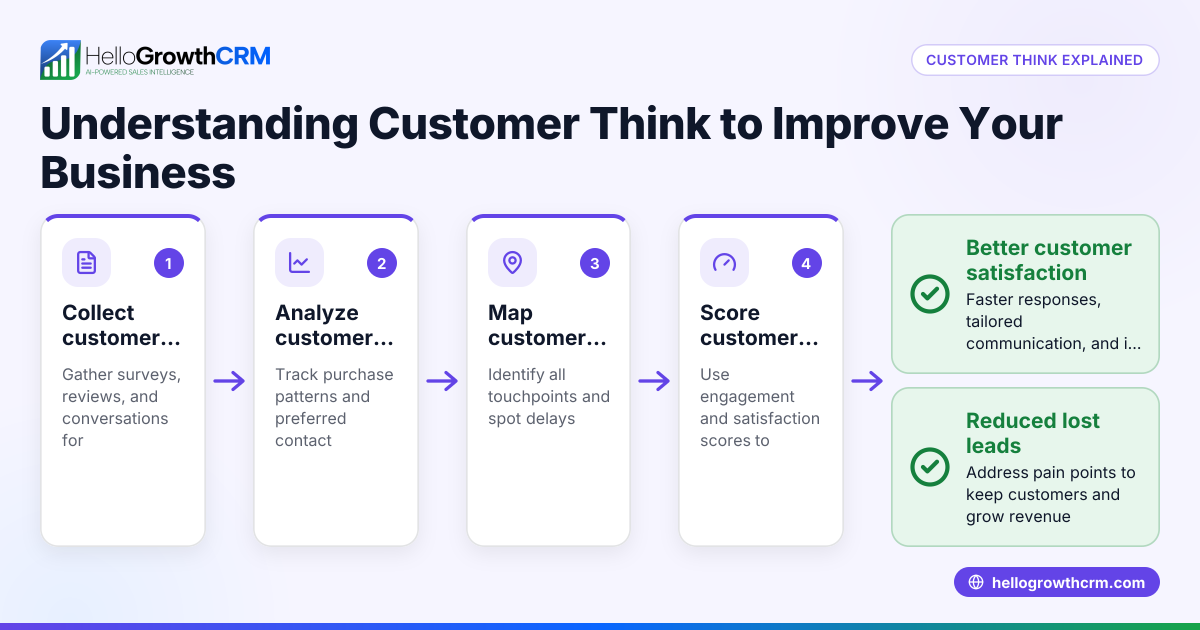
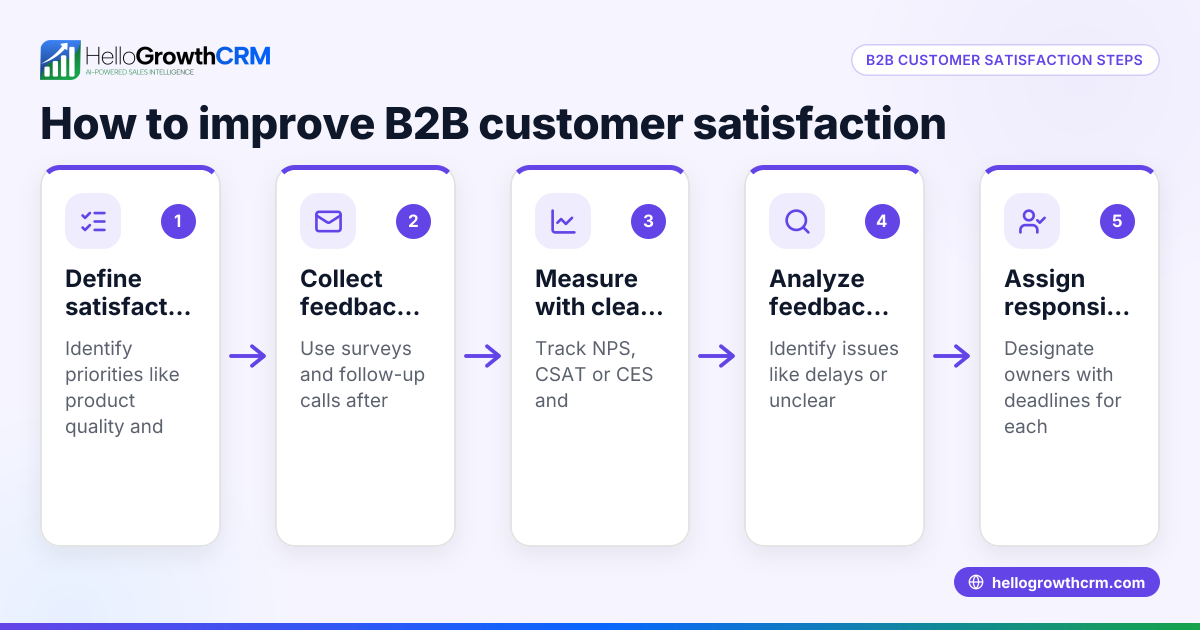
- Collect customer data: Ask your customers directly about their communication preferences, product interests, and buying criteria. Use web forms, surveys, or ask during sales calls. Check for patterns in how customers prefer to be contacted (email, WhatsApp, SMS, phone).
- Organize and update preferences regularly: Store this data in one place accessible to your team. Regularly update it based on new interactions or feedback.
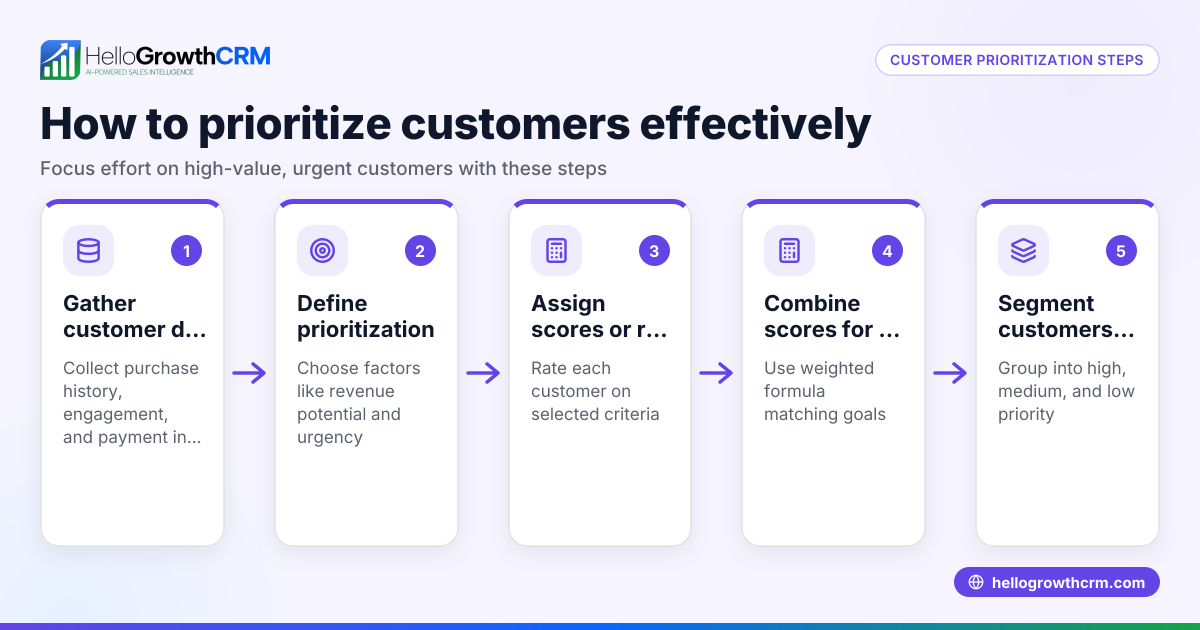
- Segment customers by preferences: Group customers by communication method, product interest, or buying timeline.
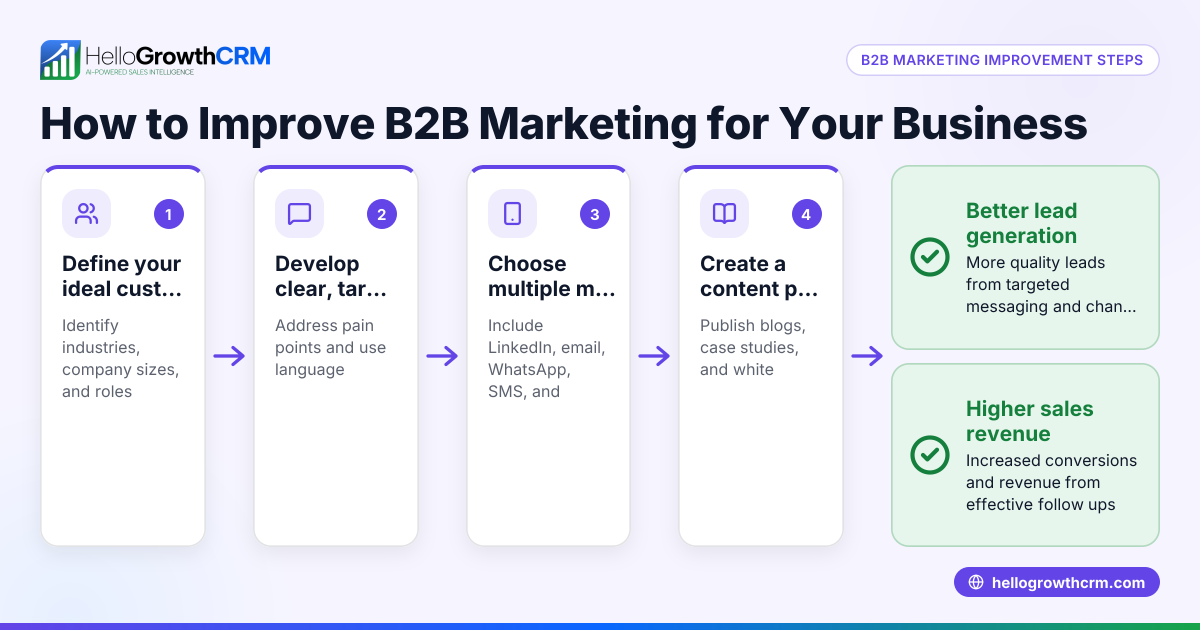
- Tailor your outreach: Use the preferred channels and message types for each segment. For example, send WhatsApp sequences to customers who prefer WhatsApp, and email sequences to those who prefer email.
- Monitor responses and adjust: Track which messages get replies or sales and refine your approach accordingly.
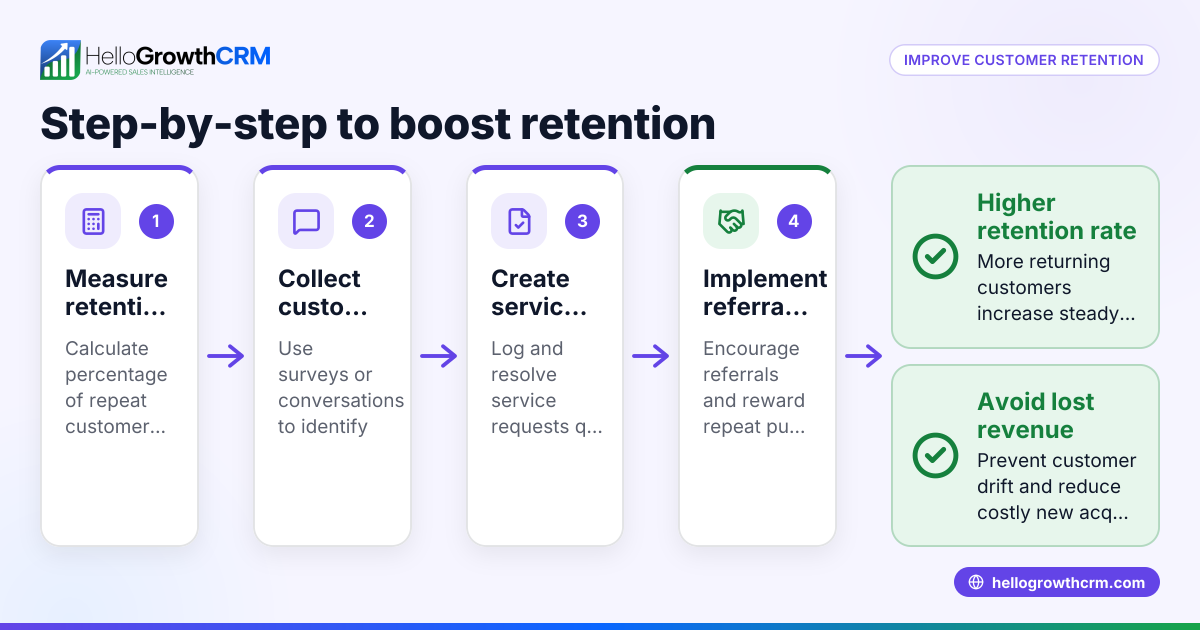
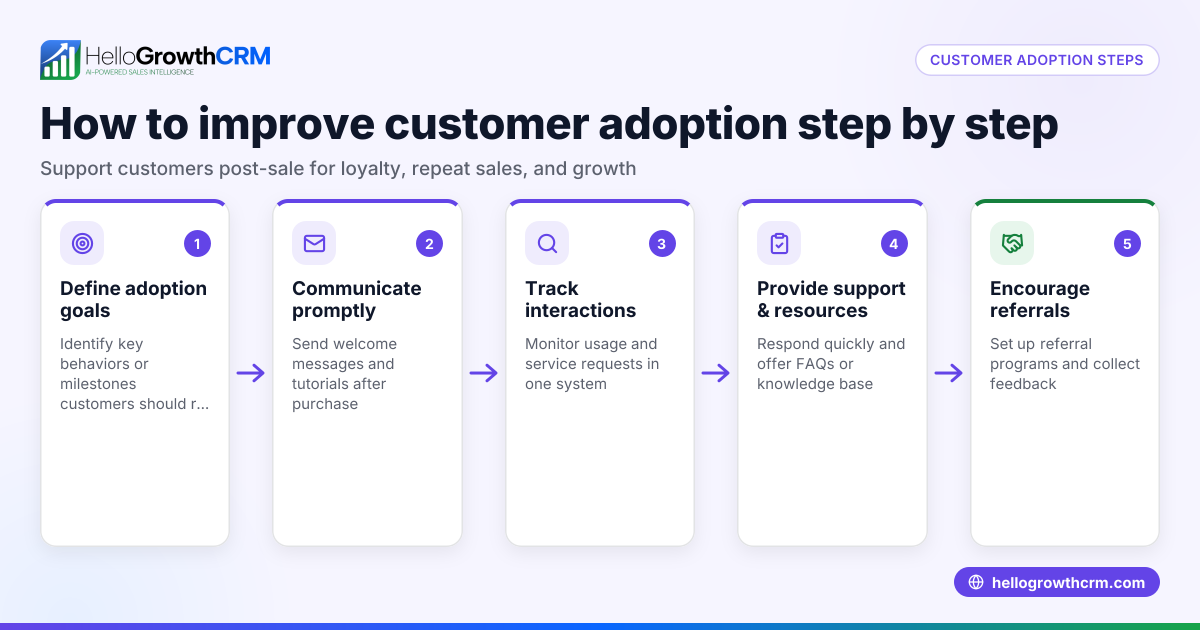
- Keep service requests linked to preferences: After the sale, track service tickets or support requests on the same customer record to maintain a full view of preferences and history.
Example (fictional figures)
A B2B software reseller in Denver, Colorado, wants to improve customer engagement by using preferences.
- They have 1,000 leads in their CRM.
- They survey leads and find 600 prefer WhatsApp, 300 prefer email, and 100 prefer phone calls.
- They send WhatsApp sequences to 600 leads, email sequences to 300 leads, and schedule calls for 100 leads.
- WhatsApp leads convert at 15%, email leads at 10%, phone leads at 20%.
Calculations:
WhatsApp sales: 600 × 15% = 90 sales Email sales: 300 × 10% = 30 sales Phone sales: 100 × 20% = 20 sales
Total sales = 90 + 30 + 20 = 140 sales
If they had sent the same email sequence to all 1,000 leads with a 10% conversion, sales would be:
1,000 × 10% = 100 sales
By respecting customer preferences, they gained 40 additional sales.
Common mistakes
- Assuming all customers prefer the same communication channel: Prevent by collecting preference data directly.
- Not updating preferences regularly: Prevent by reviewing and refreshing data after each interaction.
- Ignoring service requests after the sale: Prevent by linking service tickets to the customer record to maintain a full picture.
- Using generic mass messaging: Prevent by segmenting customers and tailoring messages, such as using WhatsApp and SMS sequences appropriately (WhatsApp and SMS CRM).
- Failing to track referral sources or customer feedback: Prevent by using referral tracking and a knowledge base to capture insights.
Doing this in HelloGrowthCRM
HelloGrowthCRM includes a branded self-service customer portal, referral programme tracking, support tickets, and a knowledge base. After the sale, service requests stay linked to the same customer record as the deal, giving your team a complete view of preferences and history. Learn more about managing customer health and preferences with HelloGrowthCRM's features at customer health score.
Frequently asked questions
What are customer preferences? Customer preferences are the specific ways customers like to be contacted, what products or features they value, and how they prefer to interact with your business. Knowing these helps tailor your sales and service.
How do I find out my customers’ preferences? You can ask directly through surveys, forms, or during conversations. Also, analyze past interactions to spot patterns in communication channels and buying behavior.
Why is tracking preferences important after the sale? Tracking preferences after the sale helps provide better customer service, faster issue resolution, and increases the chance of repeat business by using the right communication channels and understanding ongoing needs.
Can I manage customer preferences across multiple channels? Yes, managing preferences across email, WhatsApp, SMS, and phone calls is essential for efficient follow-up. Organizing this in one system helps your sales and service teams stay aligned (HelloGrowthCRM for the United States).
How often should I update customer preferences? Update preferences whenever you get new information from interactions, surveys, or service requests to keep your data accurate and relevant.
Key takeaways
- Customer preferences guide how customers want to communicate and what they want to buy.
- Collect and update preference data regularly to avoid assumptions.
- Segment customers by preferences to tailor your outreach effectively.
- Link service requests and support tickets to customer records for a complete view.
- Use tools like HelloGrowthCRM to manage preferences and communications across channels.
Understanding and acting on customer preferences will help your small business improve sales follow-up and customer satisfaction. Start on the Free Forever plan (200 leads, no credit card) to manage your leads and preferences efficiently.
Ready to put this into practice?
Set up your pipeline, WhatsApp follow-ups, and AI lead scoring in minutes — free, no credit card.
Try HelloGrowthCRM freeGet CRM tips in your inbox
Join thousands of sales professionals who get weekly insights on CRM strategy, AI automation, and pipeline optimization.

The HelloGrowthCRM team publishes guides on CRM strategy, AI sales tools, and revenue operations for small business sales teams.