HelloGrowthCRM software
Built for real small-business sales teams
HelloGrowthCRM helps reps qualify faster, follow up on time, and close more deals—with practical automation in one place.
- AI lead scoring and pipeline visibility
- Built-in dialer, WhatsApp, and email automation
- Sales forecasting and RevOps-ready reporting
Customer segmentation data is the information that allows you to group your customers into categories based on common characteristics such as age, location, buying habits, or preferred communication channels. Using this data helps you target sales and marketing efforts more effectively by addressing the specific needs and behaviors of each group.
Why this comes up / what goes wrong
Small-business owners often face challenges with customer segmentation because their customer information is scattered across spreadsheets, emails, and text messages. Without organized and accurate data, it becomes difficult to identify which customers are most valuable or how to tailor offers to increase sales and retention. For example, a local dental practice may treat all patients the same, missing opportunities to promote cosmetic services to younger frequent visitors or family plans to parents. This lack of segmentation leads to slow follow-up, lost leads, and inefficient marketing spend.
Step-by-step
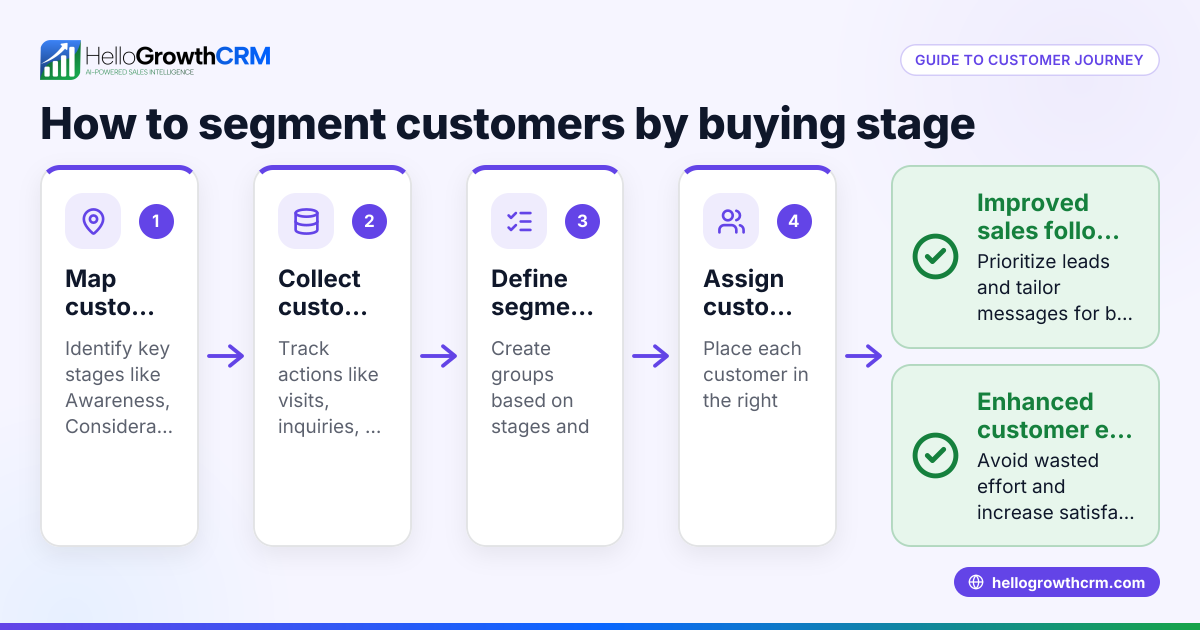
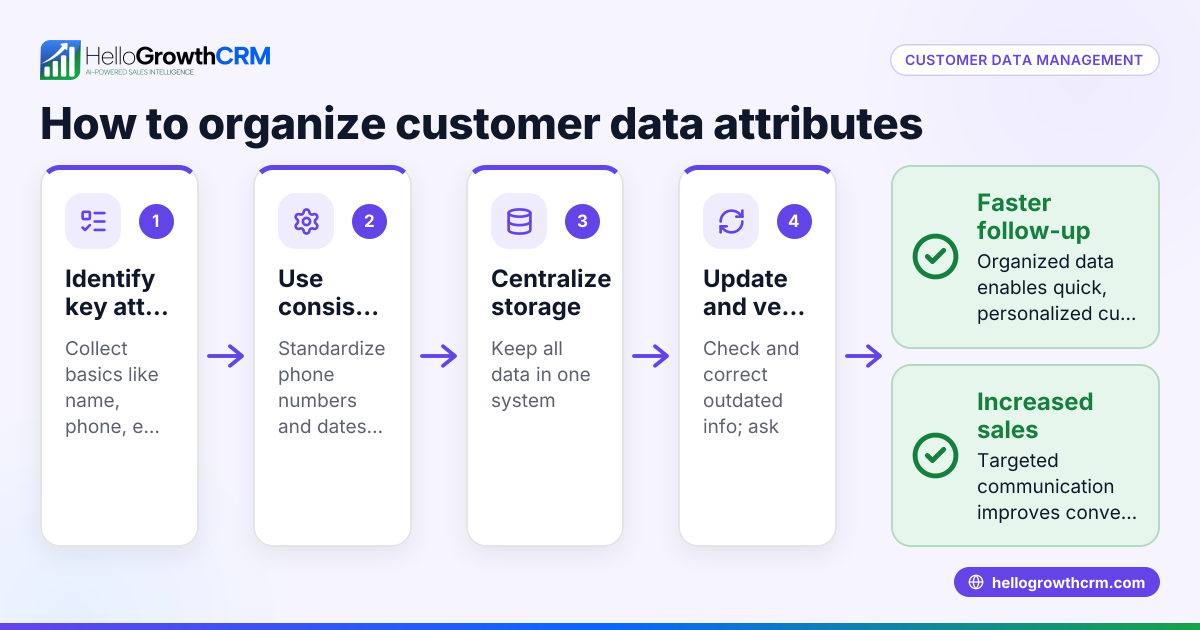
- Collect customer data systematically: Gather essential information such as name, contact details, location, age, and purchase history. Verify that the data is complete and accurate to avoid gaps.
- Choose segmentation criteria: Decide which customer traits matter most for your business goals. Common criteria include demographics (age, location), behavior (purchase frequency, product types), and communication preferences (email, SMS, WhatsApp).
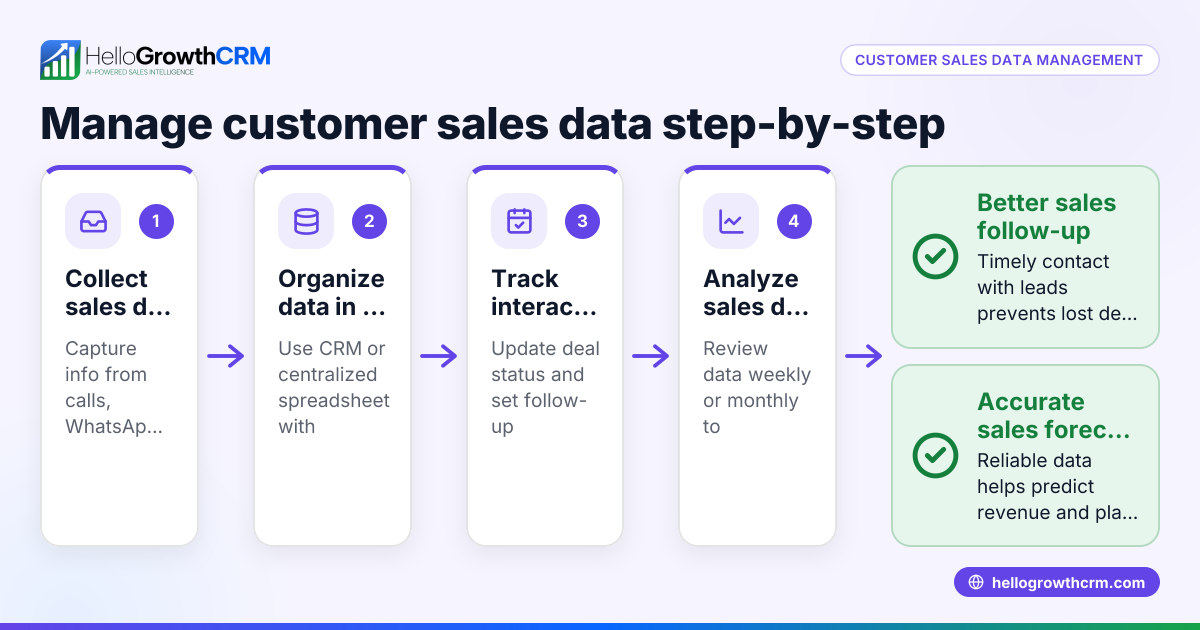
- Organize customers into segments: Use spreadsheets or a CRM tool to group customers according to the chosen criteria. Check that each segment is meaningful and large enough to analyze.
- Analyze segment performance: Review sales trends, response rates, and revenue generated by each segment. Confirm that patterns align with your business objectives.
- Create targeted marketing and sales campaigns: Develop messages and offers tailored to each segment’s preferences and needs. Ensure the communication channel matches customer preferences.
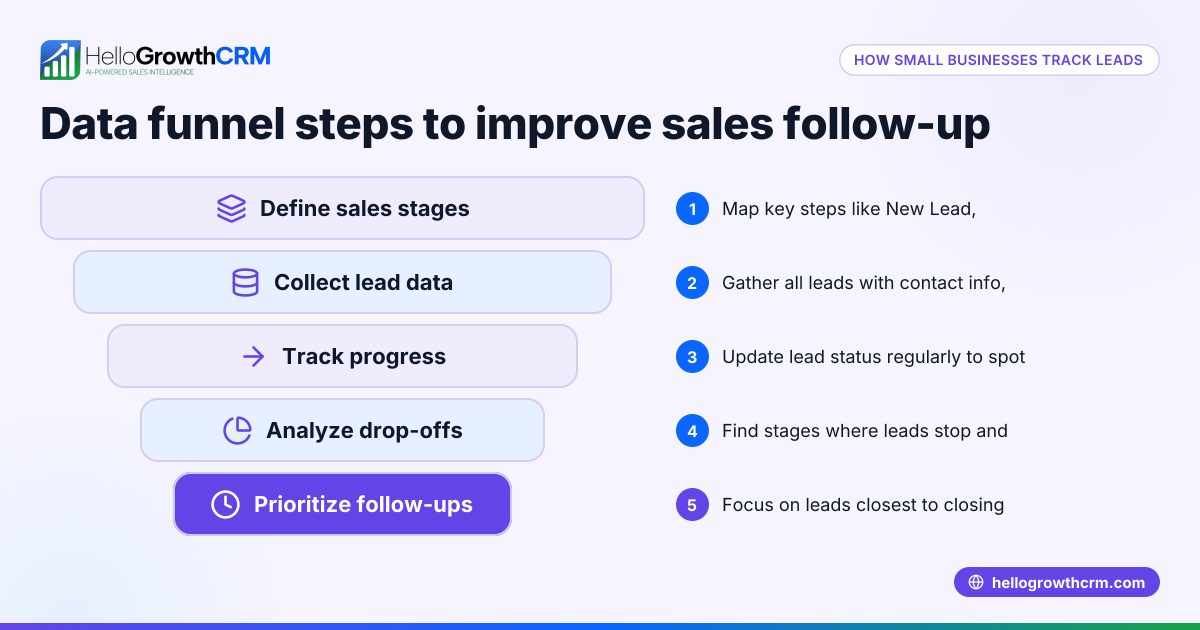
- Monitor and update segments regularly: Refresh your data and adjust segments as customer behaviors change. This keeps your targeting relevant and improves lead prioritization.
Using a clear process for customer segmentation helps small businesses avoid confusion and make data actionable. For more on tracking customer engagement and prioritizing leads, see customer health score.
Example (fictional figures)
A two-location dental practice in Columbus, Ohio, wants to promote a new teeth whitening service using customer segmentation data.
- Total patients: 1,200
- Data collected: Age, visit frequency, last visit date, services used
Step 1: Collect data
- Patient records show 1,200 entries with complete contact information.
Step 2: Identify criteria
- Choose visit frequency and age group (under 40, 40-60, over 60).
Step 3: Organize segments
- Frequent visitors (4+ visits/year): 400 patients
- Occasional visitors (1-3 visits/year): 600 patients
- Infrequent visitors (0 visits last year): 200 patients
Step 4: Analyze behavior
- Frequent visitors under 40: 150 patients, high interest in cosmetic services.
Step 5: Tailor marketing
- Send teeth whitening offers to frequent visitors under 40 via email and SMS.
Step 6: Monitor results after 3 months
- 30 patients from this segment book whitening, generating $12,000 revenue.
Calculations: $400 average whitening price × 30 patients = $12,000 total revenue
This example shows how segmentation data guides targeted marketing and improves sales outcomes.
Common mistakes
- Using incomplete or outdated data: Prevent this by regularly updating customer information.
- Choosing irrelevant segmentation criteria: Prevent by aligning criteria with your current business goals.
- Over-segmenting into too many small groups: Prevent by keeping segments large enough for meaningful analysis.
- Ignoring customer communication preferences: Prevent by tracking preferred contact methods; see WhatsApp and SMS CRM.
- Failing to act on segmentation insights: Prevent by integrating segmentation results into your sales workflows and follow-up processes.
Doing this in HelloGrowthCRM
HelloGrowthCRM helps small businesses keep customer data secure and organized. HelloGrowthCRM has completed a SOC 2 Type II examination and supports CCPA data-subject rights. After the sale, service requests, referrals, and support tickets stay linked to the same customer record as the deal, making it easier to track interactions over time. Learn more about managing customer data and service in HelloGrowthCRM at HelloGrowthCRM for the United States.
Frequently asked questions
What types of data are best for customer segmentation? Demographic data like age and location, behavioral data like purchase history and visit frequency, and psychographic data such as preferences and interests are commonly used. Choose data points that align with your marketing and sales goals.
How often should I update segmentation data? Update segmentation data regularly, at least quarterly, to reflect changes in customer behavior or preferences. This keeps your targeting relevant and effective.
Can I segment customers based on communication preferences? Yes, tracking whether customers prefer email, SMS, or WhatsApp messages helps tailor your outreach. HelloGrowthCRM supports WhatsApp and SMS CRM features to manage these preferences efficiently.
Is customer segmentation only useful for marketing? No, segmentation also improves sales prioritization, customer service, and product development by focusing resources on the most valuable or engaged groups.
How do I measure if segmentation is working? Track metrics like response rates, conversion rates, and revenue per segment. Comparing these over time shows if your segmentation strategy improves results.
Key takeaways
- Customer segmentation data groups customers by shared traits to target sales and marketing.
- Collect accurate, relevant data and organize it into meaningful segments.
- Tailor communication and offers to each segment for better engagement.
- Avoid common mistakes like outdated data or over-segmentation.
- Use tools like HelloGrowthCRM to keep data secure and linked to customer interactions.
Start organizing your customer data today to improve lead follow-up and sales results. You can Start on the Free Forever plan (200 leads, no credit card) with HelloGrowthCRM to begin managing segmented customer data efficiently.
Ready to put this into practice?
Set up your pipeline, WhatsApp follow-ups, and AI lead scoring in minutes — free, no credit card.
Try HelloGrowthCRM freeGet CRM tips in your inbox
Join thousands of sales professionals who get weekly insights on CRM strategy, AI automation, and pipeline optimization.

The HelloGrowthCRM team publishes guides on CRM strategy, AI sales tools, and revenue operations for small business sales teams.