HelloGrowthCRM software
Built for real small-business sales teams
HelloGrowthCRM helps reps qualify faster, follow up on time, and close more deals—with practical automation in one place.
- AI lead scoring and pipeline visibility
- Built-in dialer, WhatsApp, and email automation
- Sales forecasting and RevOps-ready reporting
Customer service statistics are essential for small businesses to understand how effectively they support their customers. These statistics include measures like how quickly customer requests are answered, how often issues are resolved on the first contact, and how satisfied customers feel with the service. Tracking these numbers helps you identify strengths and weaknesses in your support process and improve customer retention.
Why this comes up / what goes wrong
Many small-business owners struggle with inconsistent customer service because they don’t track key statistics. Without data, it’s hard to know if your team is responding quickly enough, resolving problems effectively, or keeping customers happy. This often leads to lost sales, negative reviews, and wasted effort. For example, a small business might rely on emails and spreadsheets to manage support requests, causing delays and confusion. Understanding customer service statistics helps you fix these issues and prioritize improvements.
Step-by-step
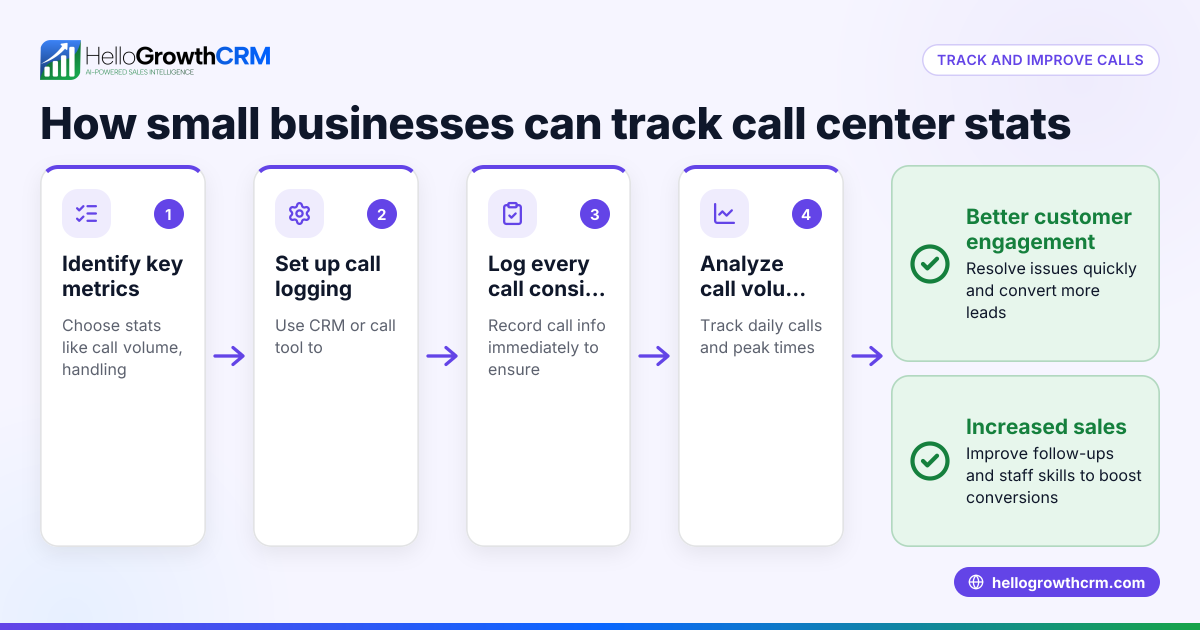
- Identify key customer service metrics to track. Common statistics include response time, resolution time, customer satisfaction (CSAT) scores, net promoter score (NPS), first contact resolution rate, and repeat customer rate. Choose the ones most relevant to your business goals.
- Collect data consistently. Use tools or manual logs to record each customer interaction’s time stamps, outcomes, and feedback. Check that data is complete and accurate.
- Analyze the data regularly. Look for trends such as increasing response times or declining satisfaction scores. Compare your performance against benchmarks or past periods.
- Prioritize areas for improvement. Focus on metrics that show the biggest gaps or impact on customer loyalty.
- Implement changes and monitor results. Adjust processes, train staff, or adopt new tools. Track the same statistics again to see if improvements occur.
- Communicate findings and progress to your team. Transparency helps maintain focus and accountability.
- Use customer feedback to refine your approach. Surveys and direct comments provide context beyond numbers.
Example (fictional figures)
A two-location dental practice in Columbus, Ohio, wants to improve customer service. They track average response time to appointment requests, aiming to reduce it from 24 hours to 8 hours.
- Current average response time: 24 hours
- Target response time: 8 hours
- Number of appointment requests per month: 500
They calculate the total hours saved monthly by improving response time:
(24 hours - 8 hours) = 16 hours saved per request
16 hours × 500 requests = 8,000 total hours saved per month (illustrative measure of customer wait time reduction)
Reducing response time is expected to increase customer satisfaction and appointment bookings.
Common mistakes
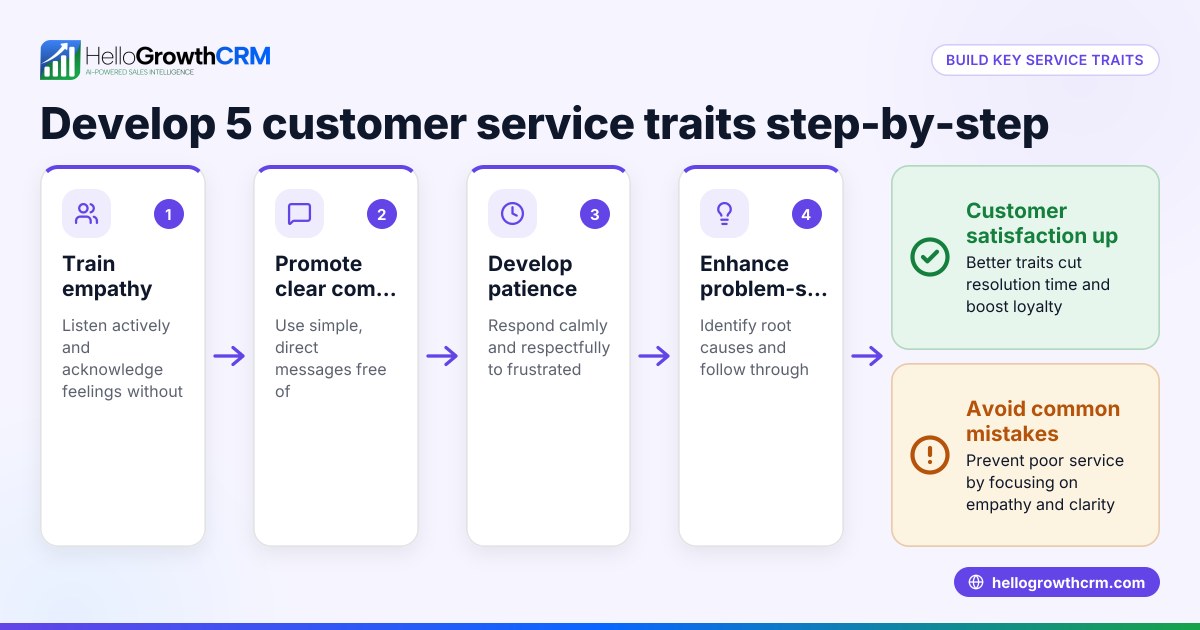
- Ignoring key metrics: Only tracking volume of requests without measuring response or resolution quality. Prevent by choosing meaningful statistics like CSAT or first contact resolution.
- Using inconsistent data collection: Relying on manual notes or different formats causes unreliable data. Prevent by standardizing how and where data is logged.
- Failing to act on data: Collecting statistics but not using them to improve service. Prevent by setting regular review meetings and clear action plans.
- Overlooking customer feedback: Numbers don’t tell the whole story. Prevent by combining quantitative stats with surveys or direct comments.
- Not integrating customer service with sales and marketing data: This can cause missed opportunities to upsell or retain customers. Prevent by using tools that connect customer records across departments, such as a CRM with a customer health score (/product/customer-health-score).
- Neglecting mobile and messaging channels: Many customers prefer WhatsApp or SMS. Prevent by adopting a WhatsApp and SMS CRM (/product/whatsapp-sms-crm) to track interactions there.
Doing this in HelloGrowthCRM
HelloGrowthCRM offers a customer portal, referrals, tickets, and knowledge base features that keep service requests linked to the same customer record as the deal. This means after the sale, your team can track support tickets and customer interactions in one place, improving follow-up and resolution times. The integrated system helps small businesses maintain organized, efficient customer service without switching tools. Learn more about HelloGrowthCRM for the United States (/usa).
Frequently asked questions
What are the most important customer service statistics for small businesses? Response time, resolution rate, customer satisfaction (CSAT), and repeat customer rate are critical. These metrics show how fast and well you solve problems and how happy customers are with your service.
How can I measure customer satisfaction effectively? Use short surveys after service interactions, asking customers to rate their experience. Net promoter score (NPS) surveys also help gauge loyalty by asking how likely customers are to recommend your business.
Why is tracking response time important? Customers expect quick replies. Longer response times lead to dissatisfaction and lost sales. Tracking response time helps you set goals and improve team efficiency.
How can I avoid common mistakes in customer service data tracking? Standardize data collection, choose meaningful metrics, act on insights, and combine statistics with customer feedback. Using tools like HelloGrowthCRM can also centralize data and reduce errors.
Can customer service statistics improve sales? Yes, better service increases customer loyalty, referrals, and repeat business. Integrating service data with sales pipelines and customer health scores (/product/customer-health-score) helps identify upsell opportunities.
What role do messaging apps play in customer service? Many customers prefer WhatsApp or SMS for quick questions. Using a WhatsApp and SMS CRM (/product/whatsapp-sms-crm) lets you track and respond efficiently on these channels.
Key takeaways
- Customer service statistics measure response time, resolution, satisfaction, and loyalty.
- Tracking these metrics helps identify service strengths and weaknesses.
- Consistent data collection and analysis are essential for improvement.
- Avoid common mistakes like ignoring feedback or inconsistent data.
- HelloGrowthCRM centralizes customer service requests with sales data to improve follow-up.
- Using messaging channels and customer health scores enhances service and sales.
Start tracking your customer service statistics today to improve satisfaction and grow your business. To get started, try HelloGrowthCRM’s free plan with 200 leads and no credit card required at Start on the Free Forever plan (200 leads, no credit card).
Ready to put this into practice?
Set up your pipeline, WhatsApp follow-ups, and AI lead scoring in minutes — free, no credit card.
Try HelloGrowthCRM freeGet CRM tips in your inbox
Join thousands of sales professionals who get weekly insights on CRM strategy, AI automation, and pipeline optimization.

The HelloGrowthCRM team publishes guides on CRM strategy, AI sales tools, and revenue operations for small business sales teams.