HelloGrowthCRM software
Built for real small-business sales teams
HelloGrowthCRM helps reps qualify faster, follow up on time, and close more deals—with practical automation in one place.
- AI lead scoring and pipeline visibility
- Built-in dialer, WhatsApp, and email automation
- Sales forecasting and RevOps-ready reporting
A full funnel marketing strategy is a comprehensive approach that covers all stages of a customer's journey. It starts with attracting potential customers at the top of the funnel, nurturing their interest in the middle, and converting them into buyers at the bottom. This approach helps small businesses maintain a steady flow of qualified leads and prevent lost sales opportunities.
Why this comes up / what goes wrong
Small-business owners often face challenges because they focus only on parts of the sales process, such as running ads or closing deals, without a plan for the entire funnel. For example, a local service business might generate many inquiries but fail to follow up consistently, losing potential customers. Leads can easily slip through the cracks between initial contact and closing without a full funnel strategy. This results in wasted marketing spend, inconsistent sales, and missed growth.
Step-by-step
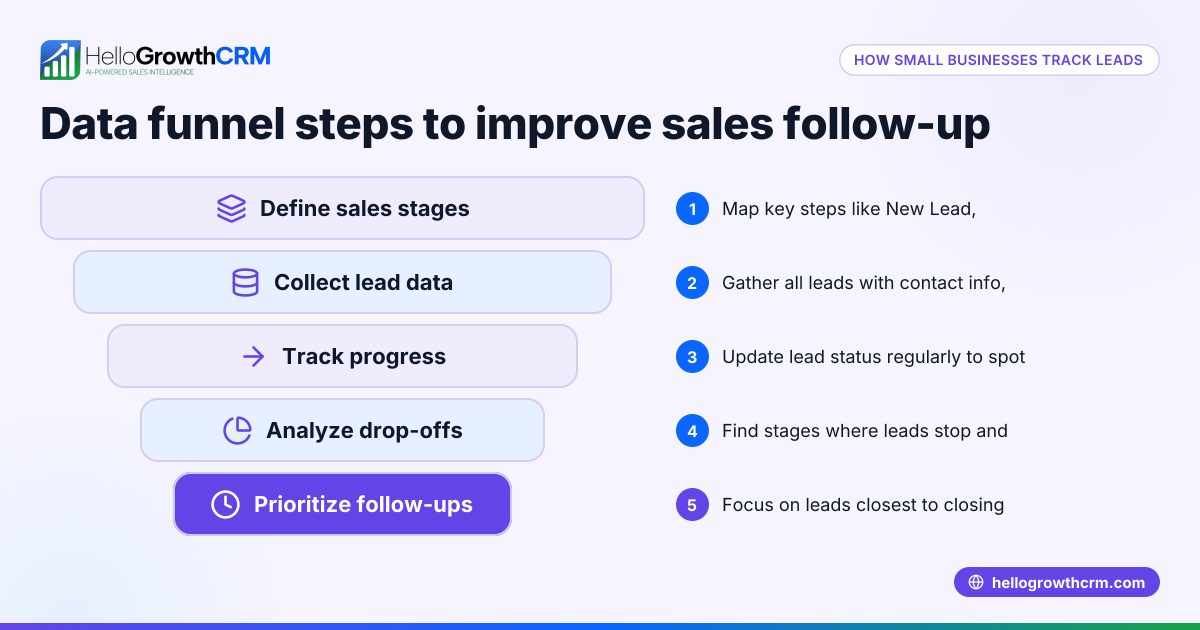
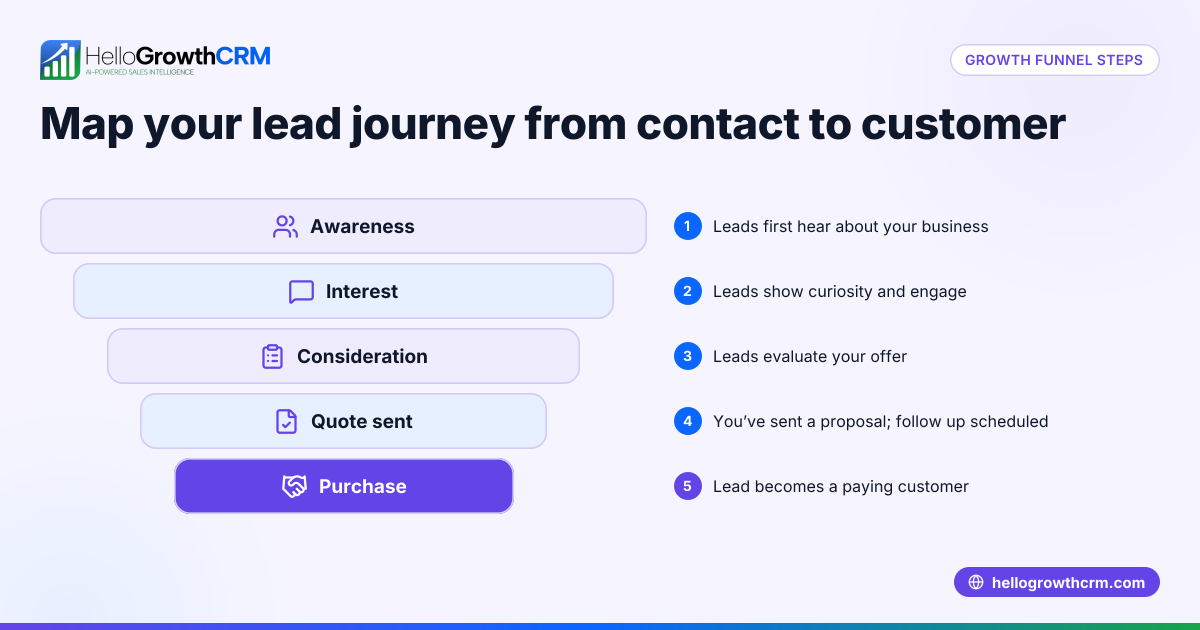
- Define your funnel stages clearly: Identify stages like Awareness, Interest, Consideration, Intent, and Purchase. Check that each stage has specific criteria for moving leads forward.
- Attract leads at the top of the funnel: Use channels such as social media, email campaigns, and web forms to capture potential customers. Check that your lead capture methods are reliable and easy for prospects to use.
- Engage and nurture leads in the middle of the funnel: Send personalized messages, answer questions, and provide helpful content. Check that you track all interactions and schedule follow-ups.
- Qualify and score leads: Determine which leads are ready to buy based on their engagement and behaviors. Regularly review lead quality to focus sales efforts efficiently.
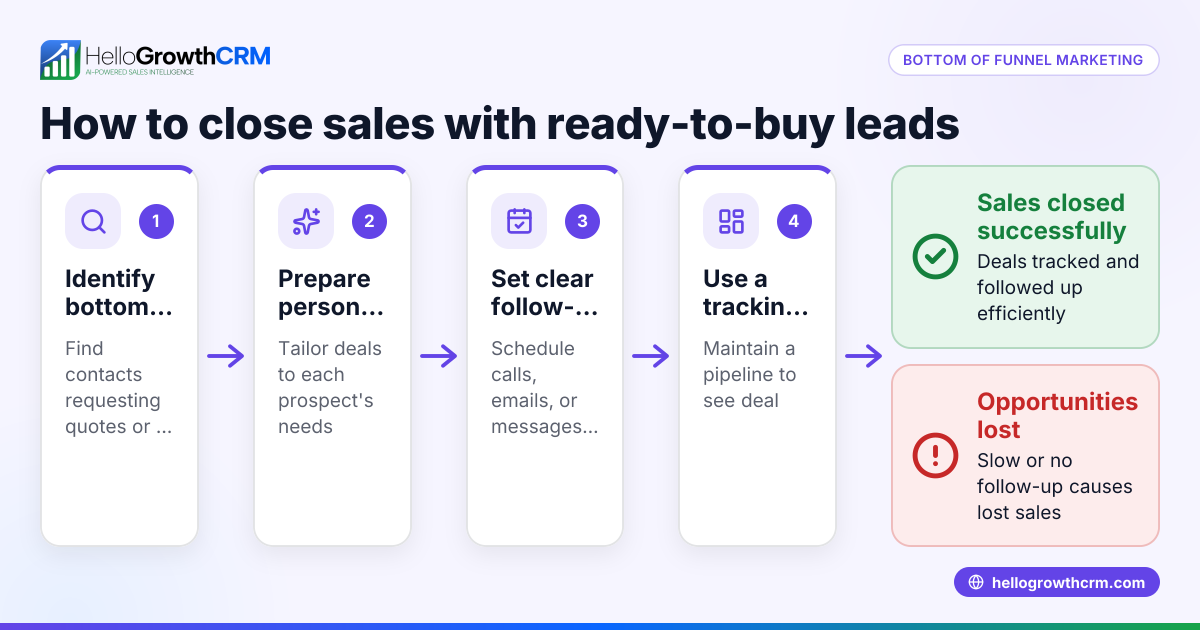
- Move qualified leads to sales conversations: Assign leads to sales representatives for calls or meetings. Check that no lead is forgotten or delayed by using task reminders.
- Close deals and follow up: Finalize sales and maintain contact for repeat business or referrals. Check that every deal has clear next steps and follow-up dates.
- Analyze and optimize your funnel: Review funnel performance regularly to identify bottlenecks or drop-offs. Use this data to improve marketing and sales tactics.
Example (fictional figures)
A residential real-estate team in Phoenix, Arizona, starts a full funnel marketing strategy on 01/01/2026.
- They attract 1,000 leads through web ads and social media.
- 600 leads engage with emails or WhatsApp messages.
- 300 leads show buying intent after phone conversations.
- 150 leads receive quotes.
- 75 deals close with an average sale price of $350,000.
Calculations:
Leads attracted = 1,000
Engaged leads = 600
Intent leads = 300
Quotes sent = 150
Deals closed = 75
Average sale value = $350,000
Total sales = 75 × $350,000 = $26,250,000
Conversion rate from lead to sale = 75 ÷ 1,000 = 7.5%
This example illustrates how managing each funnel stage carefully maximizes closed deals and revenue.
Common mistakes
- Ignoring early-stage leads: Neglecting to nurture leads at the top causes many to drop off. Prevent this by consistent outreach and providing valuable content.
- No clear follow-up plan: Leads get lost without assigned tasks and reminders. Prevent this by using a pipeline tool to track deals and follow-ups.
- Mixing messaging channels without tracking: Contacting leads by text, email, or WhatsApp without central records causes confusion. Prevent this by consolidating communication in one CRM.
- Not analyzing funnel data: Without reviewing data, you can’t identify weak points. Prevent this by regularly checking funnel metrics.
- Overlooking post-sale engagement: Missing chances for repeat business and referrals. Prevent this by scheduling follow-ups after closing.
Doing this in HelloGrowthCRM
HelloGrowthCRM helps you manage your sales funnel by tracking every lead as a deal in your pipeline. For example, a quotation sent last week appears at the 'quote sent' stage with a follow-up date, so it is not forgotten. This keeps your pipeline organized and ensures timely actions to move deals forward. Learn more about how HelloGrowthCRM supports WhatsApp and SMS CRM and its built-in CRM dialer for efficient sales communication.
Frequently asked questions
What is the difference between full funnel marketing and traditional marketing? Full funnel marketing covers every stage of the customer journey—from attracting leads to closing sales and beyond. Traditional marketing often focuses only on awareness or lead generation, missing nurturing and closing steps.
How do I measure success in a full funnel marketing strategy? Measure metrics like lead volume, engagement rates, conversion rates at each funnel stage, and total sales revenue. Tracking these helps identify where improvements are needed.
Can small businesses implement full funnel marketing without a big budget? Yes, by focusing on clear stages, consistent follow-up, and using affordable tools like HelloGrowthCRM to organize leads and automate messaging.
Why is follow-up important in a full funnel strategy? Many leads require multiple touches before buying. Timely follow-up prevents losing interested prospects and increases conversion rates.
How does HelloGrowthCRM help manage the sales pipeline? It tracks deals through stages with follow-up dates and reminders, ensuring no lead or quotation is forgotten. This supports smooth funnel progression and better sales outcomes.
Key takeaways
- A full funnel marketing strategy manages every stage from lead attraction to sale.
- Defining clear funnel stages and consistent follow-up prevents lost leads.
- Use data regularly to analyze and improve each funnel step.
- Avoid mixing communication channels without centralized tracking.
- HelloGrowthCRM’s deals pipeline helps organize and follow up on leads effectively.
Start your full funnel marketing journey today with HelloGrowthCRM. Start on the Free Forever plan (200 leads, no credit card) to keep your sales pipeline organized and active.
Ready to put this into practice?
Set up your pipeline, WhatsApp follow-ups, and AI lead scoring in minutes — free, no credit card.
Try HelloGrowthCRM freeGet CRM tips in your inbox
Join thousands of sales professionals who get weekly insights on CRM strategy, AI automation, and pipeline optimization.

The HelloGrowthCRM team publishes guides on CRM strategy, AI sales tools, and revenue operations for small business sales teams.