HelloGrowthCRM software
Built for real small-business sales teams
HelloGrowthCRM helps reps qualify faster, follow up on time, and close more deals—with practical automation in one place.
- AI lead scoring and pipeline visibility
- Built-in dialer, WhatsApp, and email automation
- Sales forecasting and RevOps-ready reporting
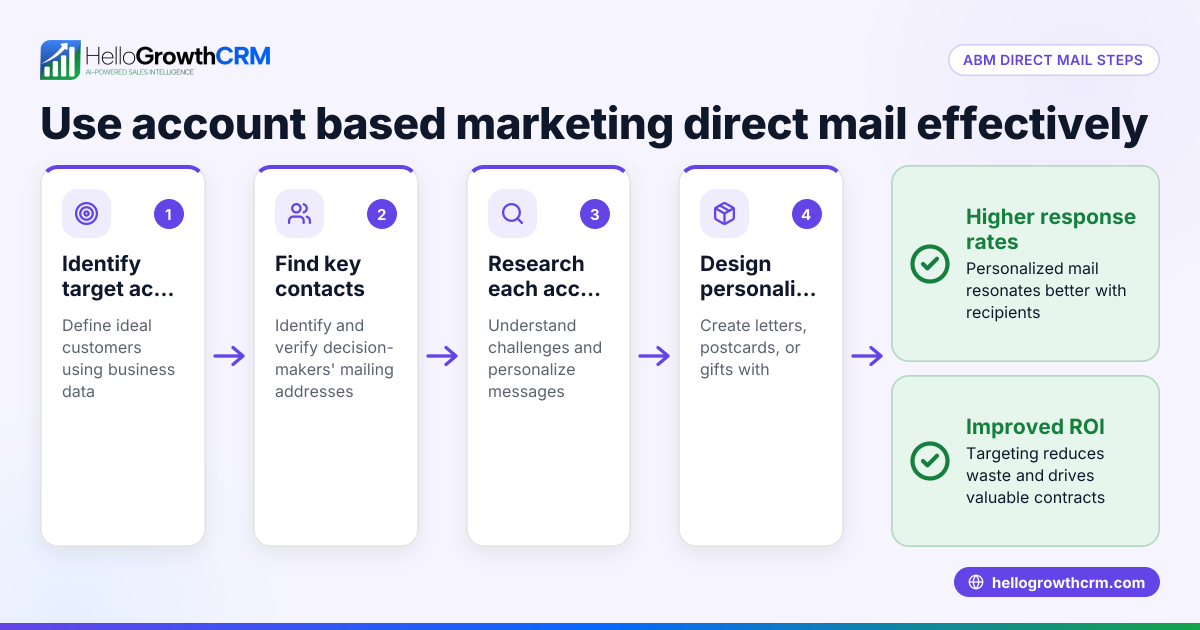
You should follow up on direct mail advertising with a timely, organized, and multi-step approach involving calls, emails, SMS, or WhatsApp messages within two weeks of sending the mail. This article explains why follow-up matters, provides detailed steps, highlights common mistakes, offers a worked example, and shows how HelloGrowthCRM features can help automate and manage follow-up tasks.
Why this comes up / what goes wrong
Small business owners often use direct mail advertising to generate leads and sales, but many struggle with low response rates or lost leads. This usually happens because follow-up is delayed, inconsistent, or missing. Without a clear follow-up plan, prospects may forget the offer or choose competitors. Sales teams juggling many tasks may rely on memory or scattered notes, causing missed calls or emails and lost opportunities.
Step-by-step
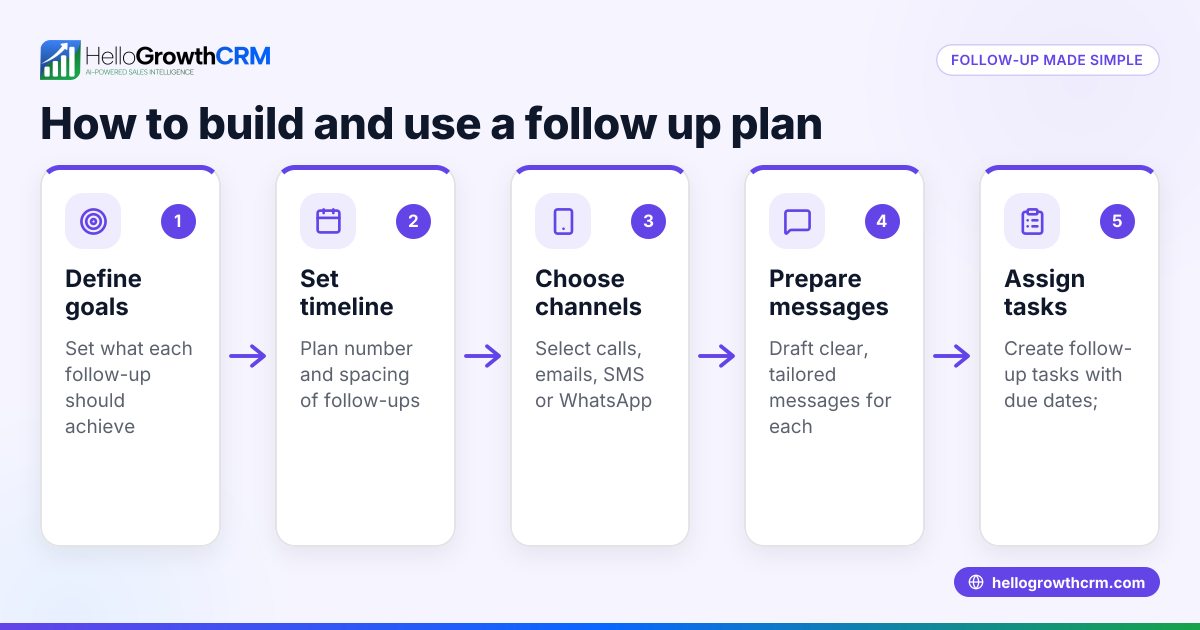
- Prepare Your Follow-Up Plan Before Sending Mail
- Decide how many follow-ups to make, considering what feels appropriate for your audience and campaign.
- Choose communication channels: phone calls, emails, SMS, or WhatsApp.
- Schedule follow-ups to occur within two weeks after the mail is sent.
- Segment Your Mailing List and Track Responses
- Organize your list with accurate contact details.
- Track which contacts received the mail and who responded.
- Update your CRM or spreadsheet with this information.
- Make the first follow-up call within a few days after sending direct mail.
- Introduce yourself and mention the direct mail piece.
- Ask if they received it and if they have any questions.
- Record their interest level and plan next steps.
- Send a Follow-Up Email or Message 2 to 3 Days After the Call
- Thank them for their time.
- Include a digital version or summary of the mail offer.
- Provide a clear call to action, such as scheduling a meeting or visiting your website.
- Schedule Additional Follow-Ups Every Few Days
- Use different channels to increase chances of contact.
- Vary your message to add value or new information.
- Stop follow-ups once the prospect responds or after five attempts.
- Log All Activities and Set Reminders
- Record calls, emails, and notes in your CRM or task board.
- Use due dates to ensure timely follow-ups.
- Analyze and Adjust Your Follow-Up Strategy
- Review response rates and feedback.
- Modify timing, messaging, or channels if needed.
Following these steps helps keep leads engaged and improves conversion rates from direct mail advertising. For managing tasks and reminders, see sales task boards.
Example (fictional figures)
Sunset Realty Group, a residential real estate team in Phoenix, Arizona, sent 1,000 direct mail postcards on 04/01/2026. They planned a five-contact follow-up over two weeks.
- Mail cost: $1,500 total
- Expected response rate: 3% = 30 leads
Step 1: First call within 3 days (04/04/2026)
- Calls made: 100
- Interested prospects: 20
Step 2: Follow-up email 3 days later (04/07/2026)
- Emails sent: 20
- Positive responses: 10
Step 3: Second call 4 days later (04/11/2026)
- Calls made: 10
- Appointments set: 5
Calculations:
1,000 postcards sent × 3% response rate = 30 leads 100 calls made (first round) → 20 interested prospects 20 emails sent → 10 positive responses 10 calls made (second round) → 5 appointments set
This example shows Sunset Realty Group converted 5 appointments from 1,000 mail pieces by following up promptly and persistently.
Common mistakes
- Waiting too long to follow up: Leads lose interest quickly. Prevent this by setting reminders and using task boards to keep timing on track. See sales task boards.
- Following up too little or inconsistently: Multiple touches improve results. Plan a sequence of contacts using email automation and sequences.
- Not tracking responses and activities: Without logging, you may waste time on uninterested leads. Use a CRM or task list.
- Using only one communication channel: Combining calls, emails, SMS, and WhatsApp increases reach and engagement.
- Not personalizing messages: Refer to the mail piece and tailor your message to the prospect’s needs.
Doing this in HelloGrowthCRM
HelloGrowthCRM offers Sequences and campaigns that run a five-step follow-up over two weeks automatically and stop when the prospect replies. Activities and task boards turn each follow-up into a task with due dates, so your day's calls are a clear list, not a memory test. AI agents draft follow-up messages after calls for your review and sending. Learn more about these features at HelloGrowthCRM for the United States.
Frequently asked questions
How soon should I start following up after sending direct mail? Start follow-up promptly to catch prospects while the mail is still fresh in their minds. Early contact improves recall and response rates.
How many follow-up attempts are appropriate? Typically, 3 to 5 follow-ups over two weeks balance persistence with respectfulness. Stop once the prospect responds.
What channels work best for follow-up? A mix of phone calls, emails, SMS, and WhatsApp messages increases chances of contact. Varying channels also prevents fatigue.
How can I keep track of follow-ups without forgetting? Use a CRM or task board to log activities and set reminders. This is better than relying on memory or scattered notes. HelloGrowthCRM offers sales task boards to help.
Can follow-up messages be automated? Yes, automated sequences can handle multi-step follow-ups and pause when prospects reply, saving time and ensuring consistency. See email automation and sequences.
Key takeaways
- Follow up within 3-5 days after sending direct mail.
- Use multiple follow-ups (3-5) across calls, emails, SMS, and WhatsApp.
- Track every contact and response with a CRM or task board.
- Personalize messages by referencing the mail piece.
- Avoid common mistakes like delayed follow-up or poor tracking.
- Automate and organize follow-up with HelloGrowthCRM features.
Start your follow-up process today to turn direct mail into real leads and sales. To manage your follow-up efficiently, start on the Free Forever plan (200 leads, no credit card).
Ready to put this into practice?
Set up your pipeline, WhatsApp follow-ups, and AI lead scoring in minutes — free, no credit card.
Try HelloGrowthCRM freeGet CRM tips in your inbox
Join thousands of sales professionals who get weekly insights on CRM strategy, AI automation, and pipeline optimization.

The HelloGrowthCRM team publishes guides on CRM strategy, AI sales tools, and revenue operations for small business sales teams.