HelloGrowthCRM software
Built for real small-business sales teams
HelloGrowthCRM helps reps qualify faster, follow up on time, and close more deals—with practical automation in one place.
- AI lead scoring and pipeline visibility
- Built-in dialer, WhatsApp, and email automation
- Sales forecasting and RevOps-ready reporting
Many Canadian small businesses face the challenge of customers going silent after their initial purchase or inquiry. This often happens because follow-up is slow, inconsistent, or scattered across email, text messages, and spreadsheets. Customer reactivation campaigns target these inactive customers with timely and relevant messages to revive interest and generate new sales opportunities.
Why this comes up / what goes wrong
Small business owners in Canada often lose leads or past customers because they lack a clear, consistent follow-up process. When follow-up is scattered or delayed, customers feel forgotten or lose interest. Many businesses run sales communications manually via text messages, emails, and spreadsheets, which makes it hard to track who needs outreach and when. Without segmentation and automation, reactivation efforts become generic and ineffective. Reactivation campaigns focus on dormant customers with structured, personalised outreach to remind them of your value and encourage them to re-engage.
Step-by-step
- Identify inactive customers: Define what inactivity means for your business, such as no purchase or contact in the last 3 to 6 months. Use your sales records or CRM to export a list of these customers.
- Segment your list: Group inactive customers by factors like last product or service purchased, total spending, or customer type. This allows you to tailor messages that resonate with each segment.
- Set clear campaign goals: Decide what you want to achieve—repeat sales, upsells, feedback, or referrals.
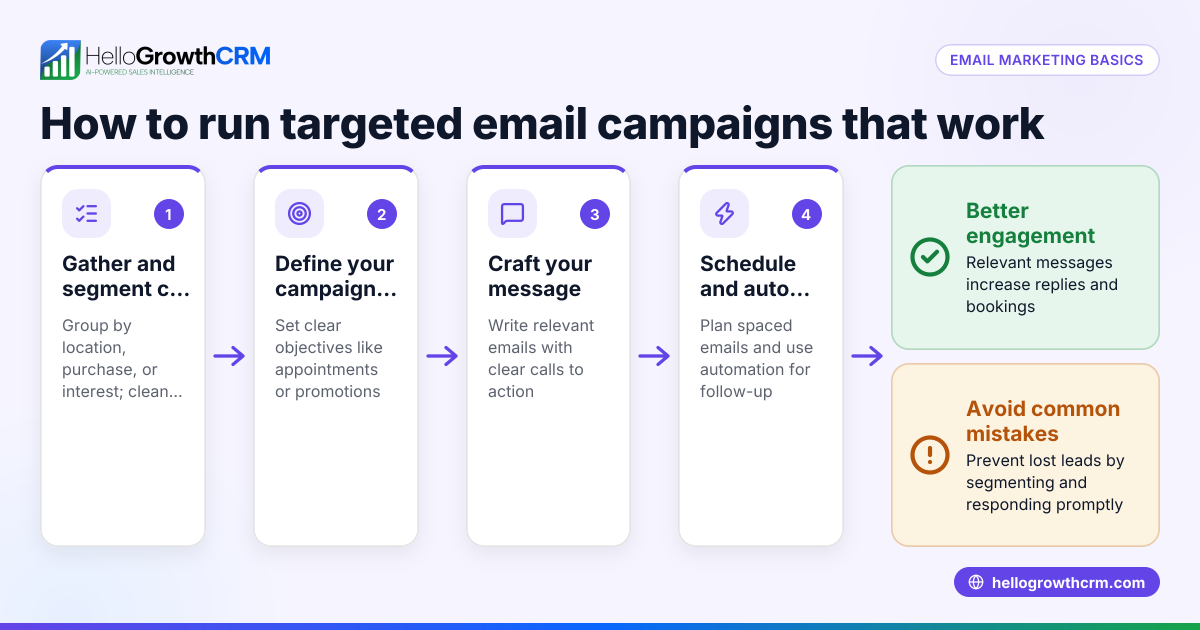
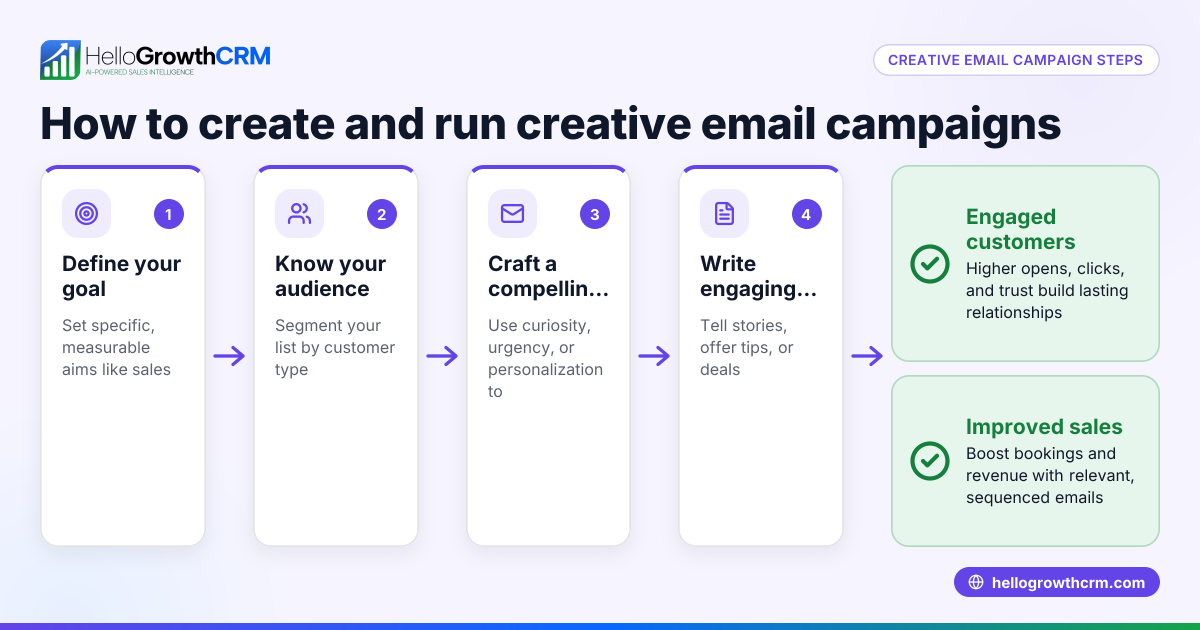
- Craft your message sequence: Prepare a series of 3 to 5 messages spaced over 1 to 2 weeks. Personalise greetings, remind customers of their past purchase, offer special discounts or new products, and include a clear call to action.
- Choose communication channels: Select channels your customers prefer, typically email, SMS, or WhatsApp. Multi-channel outreach improves engagement chances.
- Automate your sequence: Use automation tools to schedule messages at set intervals. Ensure the sequence stops automatically if the customer replies to avoid over-contacting.
- Monitor responses: Track who replies or clicks links. Update customer status in your records to identify engaged prospects.
- Follow up personally: Assign a sales representative to reach out personally to customers who respond positively.
- Analyse results: Review open rates, response rates, and sales generated. Use these insights to refine future campaigns.
Using automation with Sequences and campaigns can simplify running multi-step outreach workflows that pause when a customer replies.
Example (fictional figures)
A home-renovation contractor in Calgary, Alberta, wants to reactivate customers who haven’t booked a job in over 6 months. They define inactivity as no booking since 2023-01-01.
- Total inactive customers identified: 150
- Average project value: C$5,000
They create a 5-step sequence over two weeks:
- Email reminder about their last project and offer a 10% discount.
- SMS follow-up with a client testimonial.
- WhatsApp message with a limited-time promotion.
- Email with a project ideas guide.
- Final SMS asking if they need a free consultation.
If 10% respond positively, that is 15 customers.
Revenue from reactivated customers:
15 customers × C$5,000 = C$75,000
Campaign cost (email + SMS tool): C$500
Net gain = C$75,000 - C$500 = C$74,500
Common mistakes
- Sending generic messages: Avoid one-size-fits-all content. Personalise messages based on past purchases or interactions to keep relevance.
- Contacting too frequently or too rarely: Sending too many messages can annoy customers; too few reduces chances of engagement. Aim for 3-5 messages over two weeks.
- Ignoring customer communication preferences: Respect whether customers prefer email, SMS, or WhatsApp to avoid frustrating them.
- Not tracking responses: Without tracking, you can’t tell who is interested or improve your campaigns. Use a CRM with a customer health score to monitor engagement.
- Failing to follow up personally: Automated sequences start the conversation, but personal follow-up often closes the sale.
Doing this in HelloGrowthCRM
HelloGrowthCRM offers automated Sequences and campaigns that run a five-step follow-up over two weeks and stop immediately when the customer replies. After the sale, the customer portal, referrals, tickets and knowledge base keep service requests and interactions on the same customer record as the deal, helping you maintain ongoing relationships and improve customer satisfaction.
Frequently asked questions
How do I know which customers to include in a reactivation campaign? Start by defining inactivity clearly, such as no purchase or contact in 3-6 months. Use your CRM or sales records to filter customers matching this criterion.
What communication channels work best for reactivation messages? Use the channels your customers prefer, commonly email, SMS, or WhatsApp. Multi-channel outreach increases the chances of engagement and response.
How often should I contact inactive customers during a campaign? A sequence of 3 to 5 messages over two weeks balances persistence without overwhelming customers.
How do I measure success in a reactivation campaign? Track response rates, re-engagements, and sales generated. Analyse these metrics to adjust messaging and timing for better results.
Can I automate reactivation campaigns? Yes, automation tools like HelloGrowthCRM’s sequences run multi-step outreach workflows that pause when a customer replies, saving manual effort and ensuring timely follow-up.
What should I do after a customer responds to a reactivation message? Assign a sales representative to follow up personally. This human touch helps close sales and strengthen relationships.
Key takeaways
- Identify and segment inactive customers to personalise outreach effectively.
- Use multi-step, multi-channel sequences over 1-2 weeks for balanced contact.
- Track responses carefully and follow up personally to close sales.
- Avoid generic messages and respect customer communication preferences.
- Automation tools like HelloGrowthCRM simplify managing sequences and customer interactions.
Start your customer reactivation efforts today by using HelloGrowthCRM’s free plan. You can manage up to 200 leads without a credit card at Start on the Free Forever plan (200 leads, no credit card).
Ready to put this into practice?
Set up your pipeline, WhatsApp follow-ups, and AI lead scoring in minutes — free, no credit card.
Try HelloGrowthCRM freeGet CRM tips in your inbox
Join thousands of sales professionals who get weekly insights on CRM strategy, AI automation, and pipeline optimization.

The HelloGrowthCRM team publishes guides on CRM strategy, AI sales tools, and revenue operations for small business sales teams.