HelloGrowthCRM software
Built for real small-business sales teams
HelloGrowthCRM helps reps qualify faster, follow up on time, and close more deals—with practical automation in one place.
- AI lead scoring and pipeline visibility
- Built-in dialer, WhatsApp, and email automation
- Sales forecasting and RevOps-ready reporting
To follow up with course applicants in Singapore effectively, organise timely, personalised communications using a clear schedule and track each interaction carefully. This article covers why follow-up is important, detailed steps to follow, a worked example with Singapore figures, common mistakes to avoid, and how HelloGrowthCRM can help you manage follow-ups efficiently.
Why this comes up / what goes wrong
Small and mid-sized businesses in Singapore that offer courses often deal with applicants coming through multiple channels such as web forms, WhatsApp, email, or phone. Without a clear follow-up system, leads can be lost due to slow replies, missed calls, or confusing communication records. Teams that rely on spreadsheets or WhatsApp chats risk forgetting to contact applicants on time or repeating messages, which can frustrate prospects and reduce enrolment rates. This results in wasted marketing efforts and lower course sign-ups.
Step-by-step
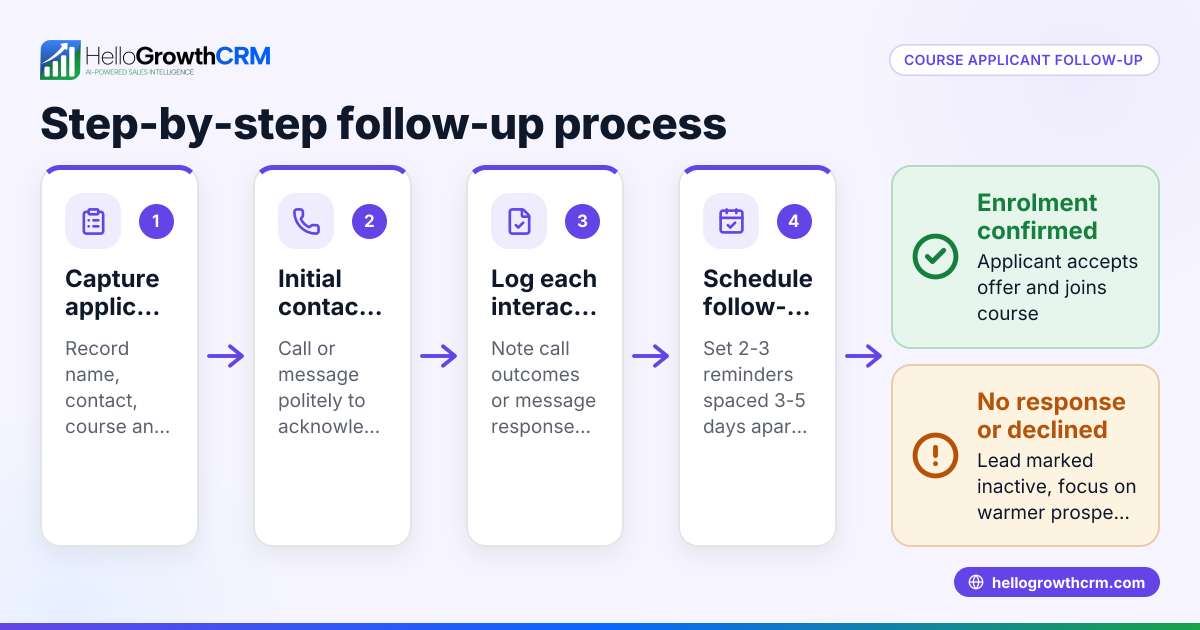
- Capture applicant details immediately
- Record all applicant information (full name, contact number, email, course applied for) in a single organised place.
- Check that no critical fields are missing, such as phone numbers or emails, as these delay follow-up.
- Send an initial acknowledgement within 24 hours
- Confirm receipt of their application clearly.
- Provide basic course details and outline the next steps.
- Schedule the first follow-up call or message within 3 days
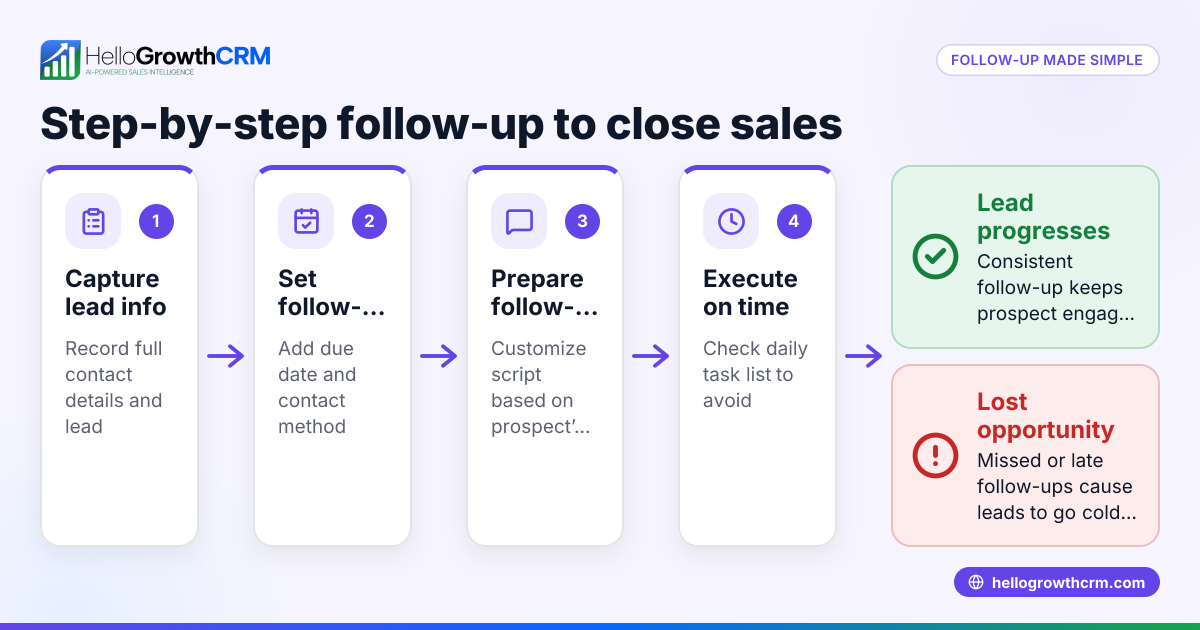
- Use a calendar or CRM tool to set a task or reminder with a due date.
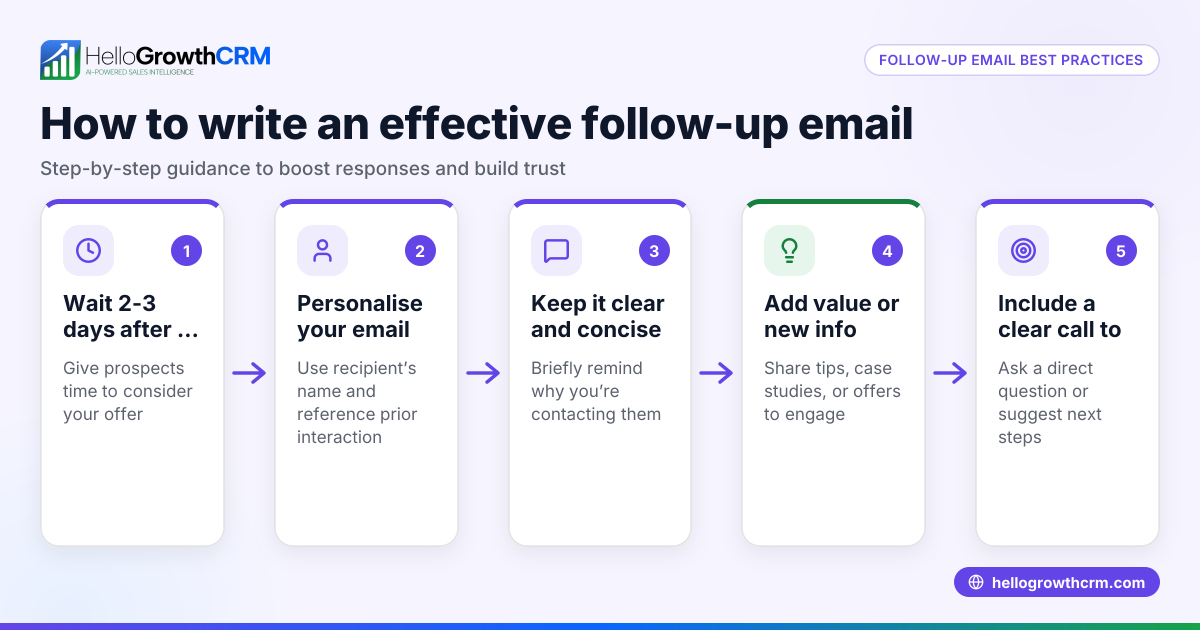
- Prepare a personalised message referencing their specific course interest.
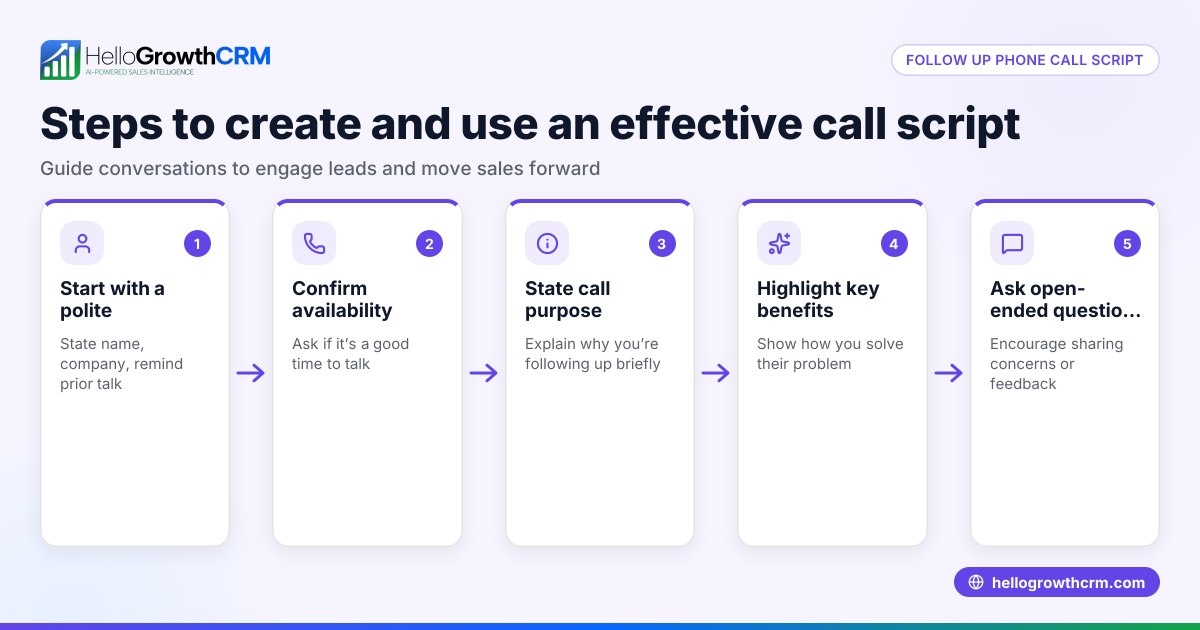
- Make the follow-up call or send a WhatsApp/SMS message
- Confirm their continued interest and check their availability.
- Answer any questions and explain enrolment procedures.
- Log the interaction and plan the next follow-up
- Record details of calls or messages sent.
- If there is no response, schedule another follow-up within 5 days.
- Send a sequence of follow-ups over two weeks
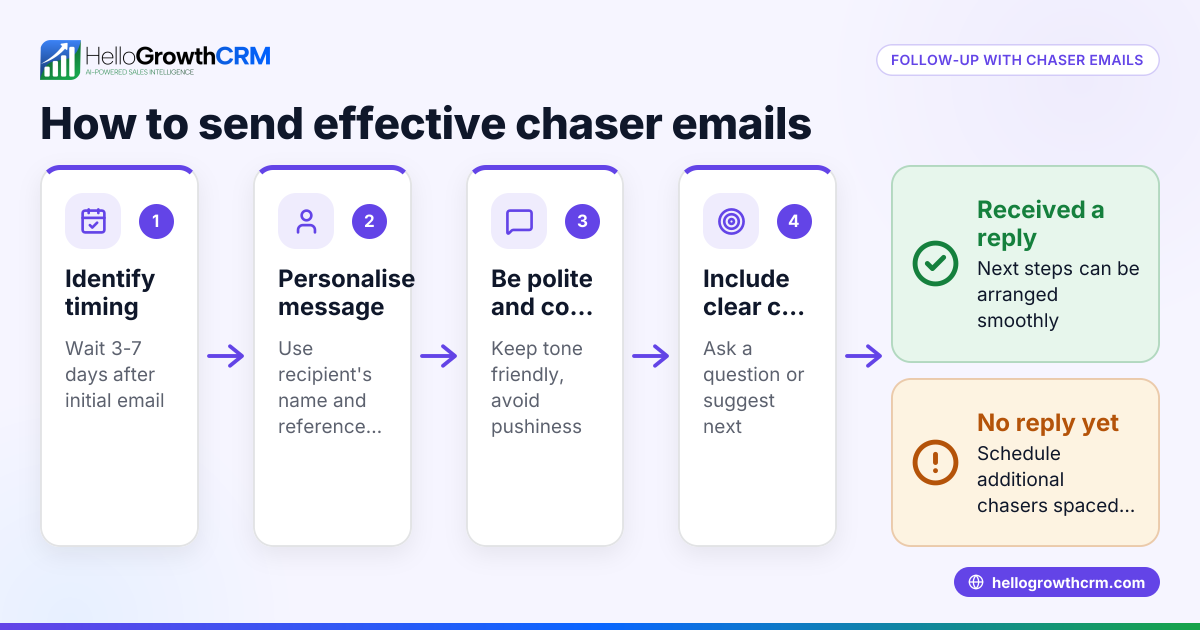
- Use multiple channels such as email, WhatsApp, and SMS to improve chances of contact.
- Share additional information like course benefits, testimonials, or registration deadlines.
- Update lead status after final follow-up
- Mark the applicant as enrolled if they sign up, or lost if no response after all attempts.
- Analyse lost leads to identify improvements in follow-up timing or messaging.
- Review and adjust your follow-up process regularly
- Track response rates and adjust your timing, message content, or channels accordingly.
Example (fictional figures)
A property training centre in Novena receives 50 applications on 01/03/2024. Each course enrolment fee is S$1,200.
- Day 1 (01/03/2024): Capture all 50 applicants’ details.
- Day 2 (02/03/2024): Send acknowledgement messages to all 50 applicants.
- Day 4 (04/03/2024): Schedule first follow-up calls for all 50.
- Day 5 (05/03/2024): Call 30 applicants; 20 respond positively.
- Day 10 (10/03/2024): Send second follow-up messages to 20 non-responders.
- Day 14 (14/03/2024): Send final follow-up messages.
Calculations:
Number of applicants: 50 Course fee per enrolment: S$1,200 Applicants enrolled after follow-up: 20
Total revenue expected = 20 × S$1,200 = S$24,000
This structured follow-up approach increases the likelihood of converting applicants into paying students.
Common mistakes
- Delaying initial contact
- Prevent this by sending automated acknowledgement messages immediately after application submission.
- Not tracking follow-ups systematically
- Use sales task boards or CRM tools to log and schedule follow-ups, avoiding missed contacts.
- Relying on a single communication channel
- Combine WhatsApp, email, and SMS to reach applicants on their preferred platforms.
- Sending generic, impersonal messages
- Personalise messages with applicant names and specific course details to increase engagement.
- Giving up too early on non-responsive leads
- Plan multiple follow-ups over two weeks before marking a lead as lost.
- Failing to update lead status promptly
- Always mark leads as enrolled or lost to keep your records accurate and actionable.
Doing this in HelloGrowthCRM
HelloGrowthCRM supports effective follow-up with features like activities and task boards, where each follow-up becomes a task with a due date, so your team knows exactly which calls or messages to make each day. You can set up automated sequences and campaigns to run a five-step follow-up over two weeks that automatically stops once the applicant replies, saving manual effort. The Beta AI agents can draft follow-up messages after calls, letting your sales reps review and send quickly, ensuring consistent communication. Learn more about HelloGrowthCRM for Singapore.
Frequently asked questions
How soon should I follow up after a course application? Follow up within three days after sending an initial acknowledgement. This prompt contact shows professionalism and keeps applicants engaged.
What communication channels are best to follow up with course applicants? Use a mix of WhatsApp, email, and SMS to reach applicants where they are most responsive. Personalised WhatsApp messages often get faster replies.
How many follow-ups should I make before marking a lead as lost? Typically, five follow-ups over two weeks balance persistence without annoying the applicant. Stop follow-ups immediately if the applicant responds.
Can I automate follow-ups to save time? Yes. Tools like HelloGrowthCRM offer automated sequences that send timed messages until a reply is received, reducing manual work.
What information should I record during follow-up? Log the date, communication channel, message content, applicant responses, and next planned action to maintain a clear history and plan.
How can I ensure my team follows up consistently? Using task boards in a CRM like HelloGrowthCRM helps assign tasks with due dates, so follow-ups are not missed and the team stays organised.
Key takeaways
- Capture and organise applicant data immediately to avoid delays.
- Send an acknowledgement message within 24 hours of application.
- Schedule and track multiple personalised follow-ups over two weeks.
- Use multiple communication channels to improve response rates.
- Log every interaction and update lead status promptly.
- Regularly review and improve your follow-up process based on results.
Following these steps will improve your course enrolment conversion rates and reduce lost leads.
Start on the Free Forever plan (200 leads, no credit card) to organise your course applicant follow-ups today.
Ready to put this into practice?
Set up your pipeline, WhatsApp follow-ups, and AI lead scoring in minutes — free, no credit card.
Try HelloGrowthCRM freeGet CRM tips in your inbox
Join thousands of sales professionals who get weekly insights on CRM strategy, AI automation, and pipeline optimization.

The HelloGrowthCRM team publishes guides on CRM strategy, AI sales tools, and revenue operations for small business sales teams.