HelloGrowthCRM software
Built for real small-business sales teams
HelloGrowthCRM helps reps qualify faster, follow up on time, and close more deals—with practical automation in one place.
- AI lead scoring and pipeline visibility
- Built-in dialer, WhatsApp, and email automation
- Sales forecasting and RevOps-ready reporting
Managing trade service bookings in New Zealand requires organisation, clear communication, and a reliable process. You must capture booking requests accurately, schedule jobs efficiently, confirm appointments with customers, and monitor job progress to keep your business running smoothly. This article explains why managing bookings often becomes problematic, gives you a step-by-step method to handle bookings, a detailed example using New Zealand figures, common pitfalls and how to avoid them, and answers common questions.
Why this comes up / what goes wrong
Small trade businesses in New Zealand, such as electricians, plumbers, or builders, often struggle with booking management because they rely on multiple communication channels like phone calls, text messages, and emails. Without a centralised system, it’s easy to lose track of customer details or double-book jobs. Manual scheduling on paper or spreadsheets can lead to errors and delays in follow-up, causing lost revenue and unhappy customers. Managing cancellations, rescheduling, and urgent jobs adds complexity, especially when the team is small and busy.
Step-by-step
- Capture customer booking details accurately
- Record full customer name, contact number, address, and service requested.
- Confirm the preferred date and time for the service.
- Check if there are any special instructions or access requirements.
- Enter the booking into a central schedule or calendar
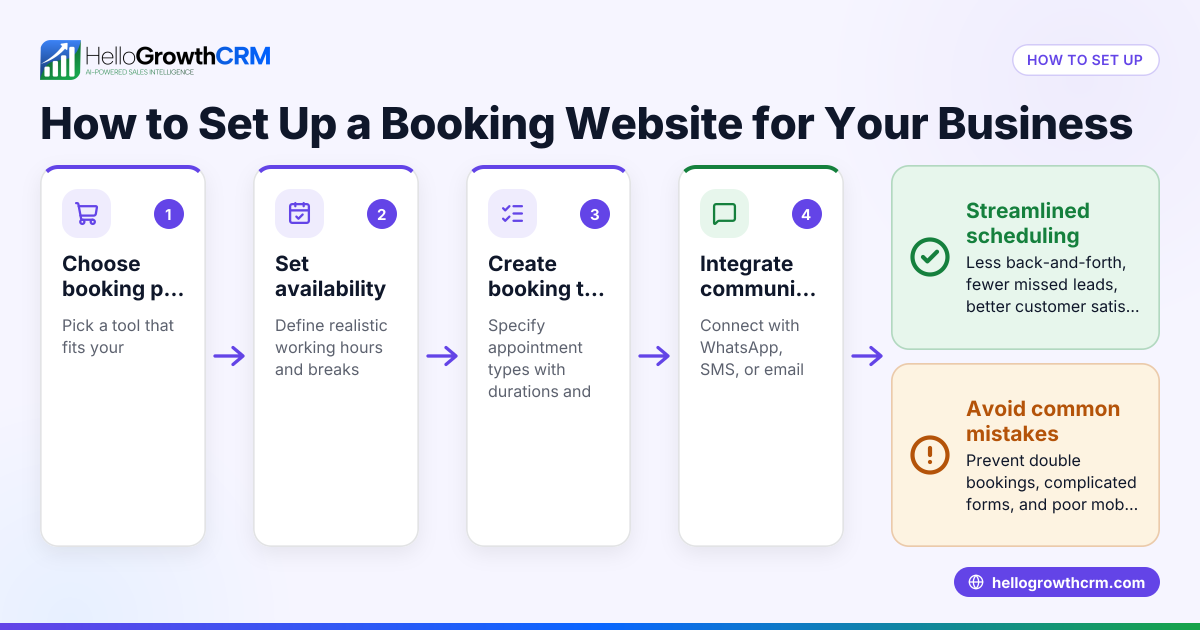
- Use a digital calendar or booking software to avoid double bookings.
- Assign the job to the appropriate team member based on skills and availability.
- Mark the booking status as "pending confirmation".
- Confirm the booking with the customer
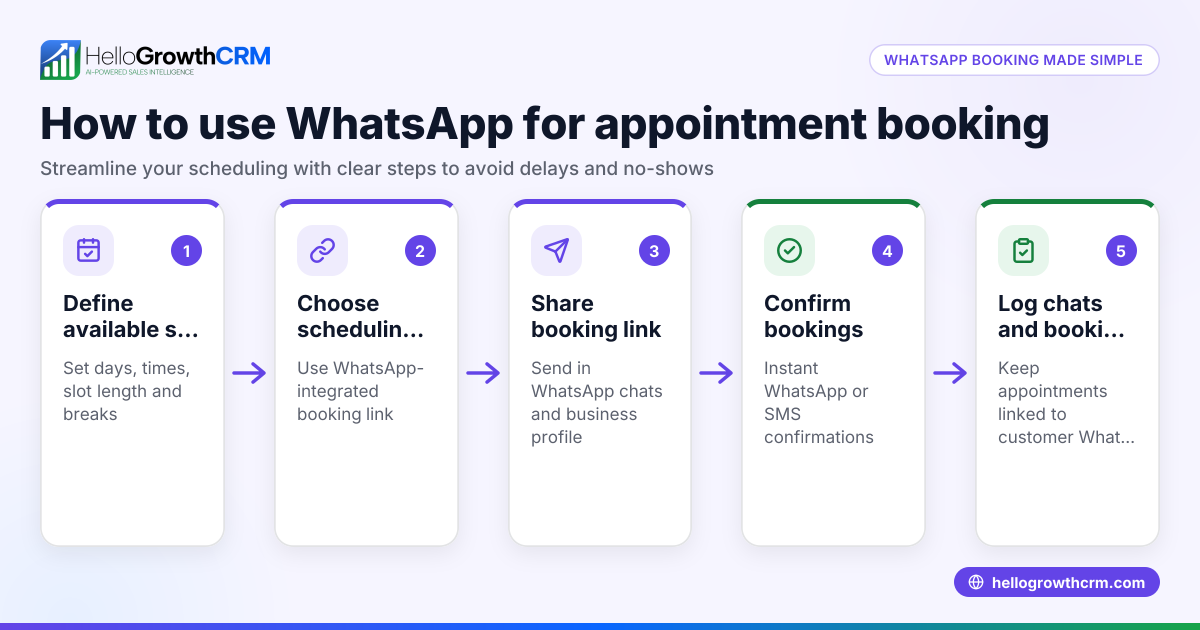
- Contact the customer by phone, SMS, or WhatsApp to confirm the appointment.
- If the customer cannot be reached, leave a clear message and attempt follow-up within 24 hours.
- Update the booking status to "confirmed" once the customer agrees.
- Prepare for the job
- Check that the assigned team member has the necessary tools and materials.
- Arrange transport if the job is off-site.
- Schedule any subcontractors or suppliers involved.
- Perform the service and update status
- After completing the job, update the booking status to "completed".
- Note any follow-up work or customer feedback.
- Invoice and follow up
- Generate an invoice promptly with job details and payment terms.
- Follow up on unpaid invoices after the due date.
- Review and adjust scheduling regularly
- Monitor upcoming bookings daily to manage cancellations or rescheduling.
- Keep communication open with customers and team members.
For better organisation, consider using a meeting scheduler to automate appointment bookings and reminders.
Example (fictional figures)
Chris runs a small building company in Christchurch. On 15/06/2024, he receives a booking request for a deck repair.
- Customer: Jane Smith
- Contact: 021 555 1234
- Address: 12 Oak Street, Christchurch
- Service: Deck repair
- Preferred date/time: 22/06/2024 at 10:00 am
Step 1: Chris records all details in his booking sheet.
Step 2: He enters the job into his digital calendar, assigning it to his builder, Mike, who is free that day.
Step 3: Chris calls Jane to confirm the appointment.
Step 4: Mike checks his tools and arranges transport.
Step 5: On 22/06/2024, Mike completes the deck repair.
Step 6: Chris creates an invoice for NZ$1,200.
Step 7: Chris follows up on payment after 14 days if unpaid.
This clear process helps Chris avoid double bookings and keeps customers happy.
Common mistakes
- Not confirming bookings promptly: Leads to no-shows or cancellations. Prevent this by confirming within 24 hours.
- Double booking due to manual schedules: Avoid by using a digital calendar or booking software.
- Missing customer details: Always capture full contact info and service requirements.
- Failing to update booking status: Causes confusion; update status at each stage.
- Poor communication with the team: Ensure all staff have access to the schedule.
- Ignoring cancellations or rescheduling: Track changes immediately and inform affected parties.
Using a WhatsApp and SMS CRM can help streamline communication with customers and team members.
Frequently asked questions
How can I avoid double bookings in my trade business? Use a centralised digital calendar or booking system accessible to all team members. Update bookings immediately and confirm appointments with customers to reduce errors.
What’s the best way to confirm service bookings with customers? Contact customers via phone, SMS, or WhatsApp to confirm their booking. Sending reminders a day before the appointment also reduces no-shows.
How do I handle cancellations or rescheduling? Keep your schedule updated in real time. Contact customers promptly to reschedule and notify the team to adjust their plans accordingly.
Can I automate booking management for my small business? Yes, tools like a meeting scheduler can automate appointment booking and reminders, saving time and reducing errors.
How do I track job progress and follow-up tasks? Maintain a booking status for each job (e.g., pending, confirmed, completed). Regularly review your schedule and communicate updates with your team.
What information should I record for each booking? Always record customer name, contact details, service requested, appointment date/time, address, and any special instructions.
Key takeaways
- Capture complete customer and job details at the time of booking.
- Use a digital calendar or booking software to avoid double bookings.
- Confirm appointments promptly via phone or messaging.
- Keep your team informed and update job statuses regularly.
- Manage cancellations and rescheduling quickly to maintain customer trust.
- Consider automating bookings with a meeting scheduler and improve communication using a WhatsApp and SMS CRM.
Managing trade service bookings well helps your business run smoothly and keeps customers satisfied.
Start organising your bookings today. Start on the Free Forever plan (200 leads, no credit card).
Ready to put this into practice?
Set up your pipeline, WhatsApp follow-ups, and AI lead scoring in minutes — free, no credit card.
Try HelloGrowthCRM freeGet CRM tips in your inbox
Join thousands of sales professionals who get weekly insights on CRM strategy, AI automation, and pipeline optimization.

The HelloGrowthCRM team publishes guides on CRM strategy, AI sales tools, and revenue operations for small business sales teams.