HelloGrowthCRM software
Built for real small-business sales teams
HelloGrowthCRM helps reps qualify faster, follow up on time, and close more deals—with practical automation in one place.
- AI lead scoring and pipeline visibility
- Built-in dialer, WhatsApp, and email automation
- Sales forecasting and RevOps-ready reporting
To measure sales efficiency, calculate the ratio of revenue generated to the sales and marketing expenses incurred. This shows how effectively your sales efforts convert costs into revenue. This article covers why measuring sales efficiency matters, detailed steps to calculate it, a worked example with US figures, common mistakes to avoid, and how specific CRM features support this process.
Why this comes up / what goes wrong
Small business owners often struggle to understand if their sales efforts are paying off. They may spend money on marketing campaigns, sales commissions, and staff time but lack a clear metric to evaluate if these investments generate enough revenue. Without measuring sales efficiency, businesses risk overspending on sales activities that do not produce proportional returns. This can lead to cash flow problems, missed growth targets, and poor decision-making about where to allocate resources.
Step-by-step
- Gather your sales revenue data: Collect total sales revenue for a defined period (monthly, quarterly, or annually). Ensure this figure only includes closed deals credited to your sales team.
- Calculate total sales and marketing expenses: Add all costs related to sales and marketing for the same period. This includes salaries, commissions, advertising spend, software tools, travel, and any other direct expenses.
- Compute the sales efficiency ratio: Divide total sales revenue by total sales and marketing expenses.
Sales Efficiency = Total Sales Revenue ÷ Total Sales & Marketing Expenses
- Interpret the result: A ratio above 1 means you generate more revenue than you spend on sales and marketing, indicating efficiency. A ratio below 1 means you spend more than you earn, signaling inefficiency.
- Track over time: Measure sales efficiency regularly to spot trends, seasonal effects, or impacts from strategy changes.
- Compare with benchmarks: If available, compare your ratio with industry averages or similar businesses to gauge performance.
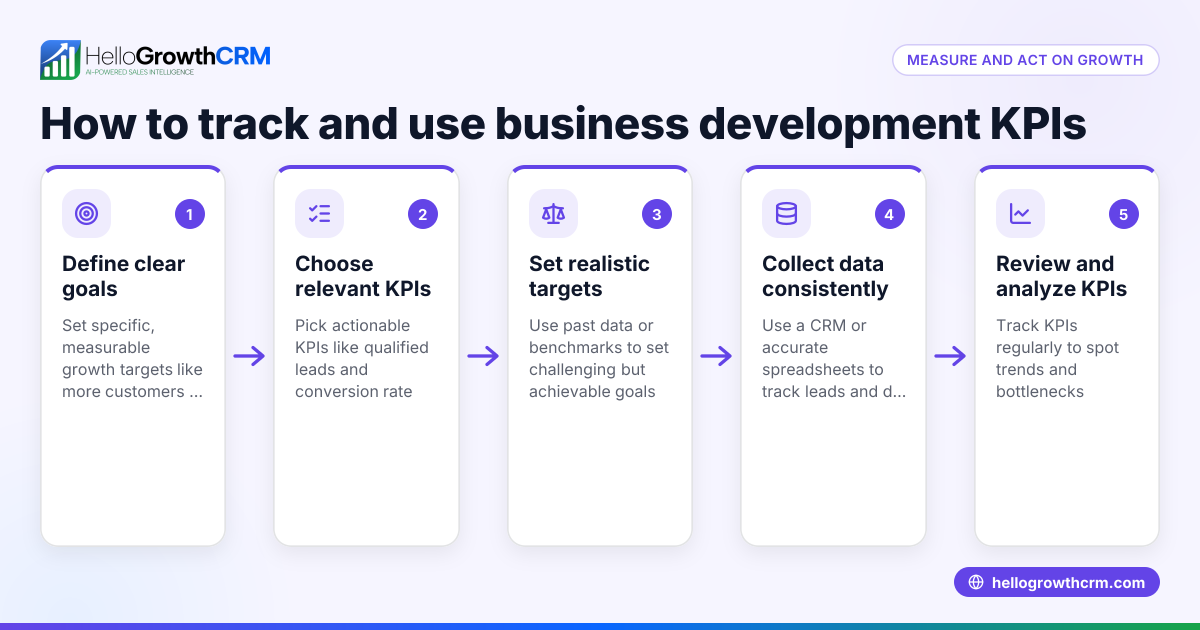
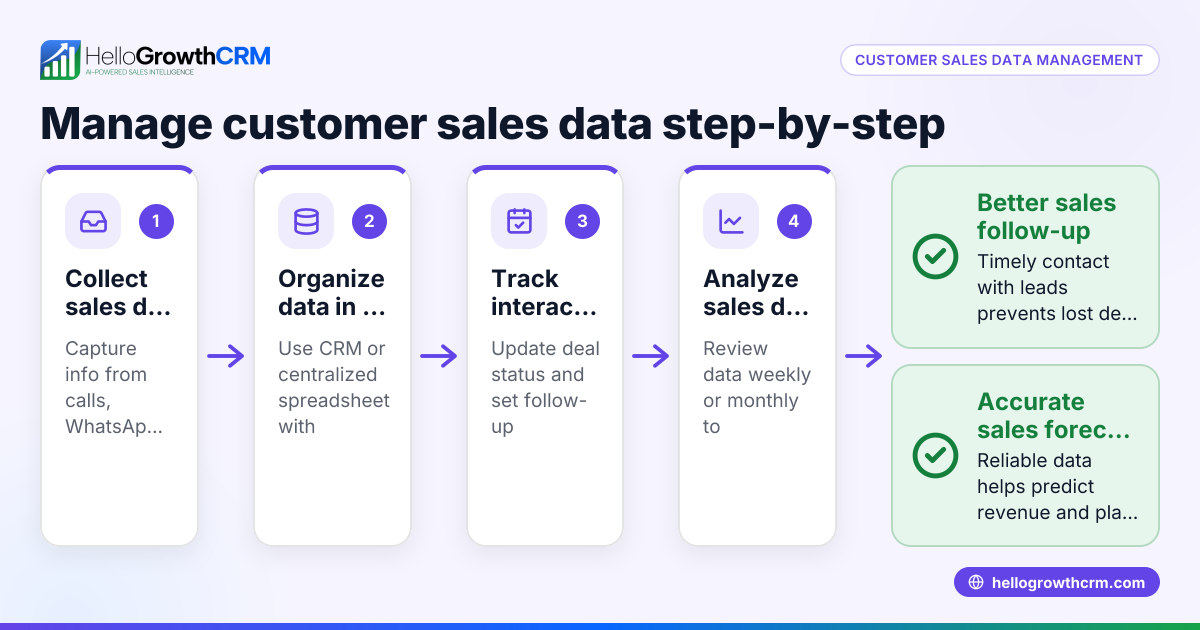
- Use pipeline data for deeper insights: Track deals through stages using a CRM pipeline to identify bottlenecks and improve forecasting.
Example (fictional figures)
A landscaping contractor in Charlotte, North Carolina, wants to measure sales efficiency for Q1 2026.
- Total sales revenue from closed contracts: $150,000
- Sales and marketing expenses:
- Salaries and commissions: $40,000
- Advertising and promotions: $10,000
- Software and tools: $2,000
- Travel and client meetings: $3,000
Calculate total expenses:
$40,000 + $10,000 + $2,000 + $3,000 = $55,000
Calculate sales efficiency:
$150,000 ÷ $55,000 = 2.73
Interpretation: For every $1 spent on sales and marketing, the contractor earned $2.73 in revenue, indicating good sales efficiency.
Common mistakes
- Mixing time periods: Ensure revenue and expenses cover the same time frame to avoid misleading ratios. Prevent by aligning accounting periods.
- Ignoring indirect costs: Excluding relevant expenses like software or travel underestimates costs. Prevent by listing all sales-related expenses.
- Counting unclosed deals as revenue: Only include closed deals to avoid inflating revenue. Use a pipeline tool to track deal stages accurately.
- Not tracking changes over time: A single measurement lacks context. Prevent by measuring regularly and comparing trends.
- Overlooking sales team activity: Not monitoring follow-ups or pipeline stages can hide inefficiencies. Prevent by using CRM Deals (pipeline) features to keep deals visible and on track.
Doing this in HelloGrowthCRM
HelloGrowthCRM helps small businesses measure and improve sales efficiency with features like Deals (pipeline), which tracks open opportunities from first contact through close. For example, a quotation sent last week appears as a deal at the 'quote sent' stage with a follow-up date, so it is not forgotten. This keeps your sales process organized and helps ensure revenue is accurately tracked.
Territories, field operations and commissions tools let managers see daily sales rep visits and commission outcomes, ensuring accurate sales activity tracking. For founders without a sales manager, Managed RevOps provides weekly follow-up support to keep the sales pipeline clean and active.
Learn more about features like the Deals pipeline, territories and field operations, and Managed RevOps.
Frequently asked questions
How do I calculate sales efficiency? Sales efficiency is calculated by dividing total sales revenue by total sales and marketing expenses for the same period. This ratio shows how much revenue you earn for every dollar spent on sales activities.
What is a good sales efficiency ratio? A ratio above 1 means your sales generate more revenue than you spend, which is generally good. The ideal ratio varies by industry and business model, so compare with peers if possible.
How often should I measure sales efficiency? Measure sales efficiency monthly or quarterly to track trends and quickly spot issues. Regular measurement helps you adjust strategies before problems grow.
Can I use sales pipeline data to improve sales efficiency? Yes. Pipeline data helps identify stalled deals and forecast revenue more accurately. CRM Deals (pipeline) features make this easier by showing deal stages and follow-up dates.
How do CRM features help with sales efficiency? Tracking deals through stages, logging field visits, and providing managed follow-up support keep sales organized, avoid lost leads, and help track sales activities accurately.
Key takeaways
- Sales efficiency is revenue divided by sales and marketing expenses.
- Use consistent periods and include all relevant expenses for accuracy.
- Track sales pipeline stages to ensure revenue figures are correct.
- Measure regularly and compare trends to improve efficiency.
- Avoid common mistakes like mixing periods or ignoring indirect costs.
- CRM features support sales tracking, follow-up, and activity management.
Start measuring your sales efficiency today to make smarter decisions and grow your business. You can Start on the Free Forever plan (200 leads, no credit card) to organize your sales pipeline and improve follow-up efficiency with CRM tools.
Ready to put this into practice?
Set up your pipeline, WhatsApp follow-ups, and AI lead scoring in minutes — free, no credit card.
Try HelloGrowthCRM freeGet CRM tips in your inbox
Join thousands of sales professionals who get weekly insights on CRM strategy, AI automation, and pipeline optimization.

The HelloGrowthCRM team publishes guides on CRM strategy, AI sales tools, and revenue operations for small business sales teams.