HelloGrowthCRM software
Built for real small-business sales teams
HelloGrowthCRM helps reps qualify faster, follow up on time, and close more deals—with practical automation in one place.
- AI lead scoring and pipeline visibility
- Built-in dialer, WhatsApp, and email automation
- Sales forecasting and RevOps-ready reporting
Insurance churn refers to the rate at which customers discontinue their insurance policies or switch to another provider during a set period. For insurance business owners and accountants in the US, understanding and controlling churn is vital to maintaining steady revenue and reducing the cost of acquiring new customers. This article covers why churn happens in insurance, a step-by-step method to measure and reduce it, a realistic example with calculations for a US insurance business, common mistakes to avoid, and how HelloGrowthCRM supports managing customer service after the sale.
Why this comes up / what goes wrong
Insurance churn arises because insurance companies and independent agents rely heavily on policy renewals and long-term customer relationships for profitability. When clients frequently switch providers or let policies lapse, it disrupts expected cash flow and forces businesses to spend more on marketing and sales to replace lost customers. Insurance business owners often face challenges in identifying churn causes because customer data is scattered across emails, spreadsheets, and phone notes, making timely action difficult.
Common reasons for churn include:
- Poor customer service or slow response to inquiries
- Lack of timely renewal reminders
- More attractive pricing or coverage options from competitors
- Unclear or complicated policy terms
- Insufficient engagement or communication post-sale
These issues can cause customers to lose trust or interest, leading to increased churn.
Step-by-step
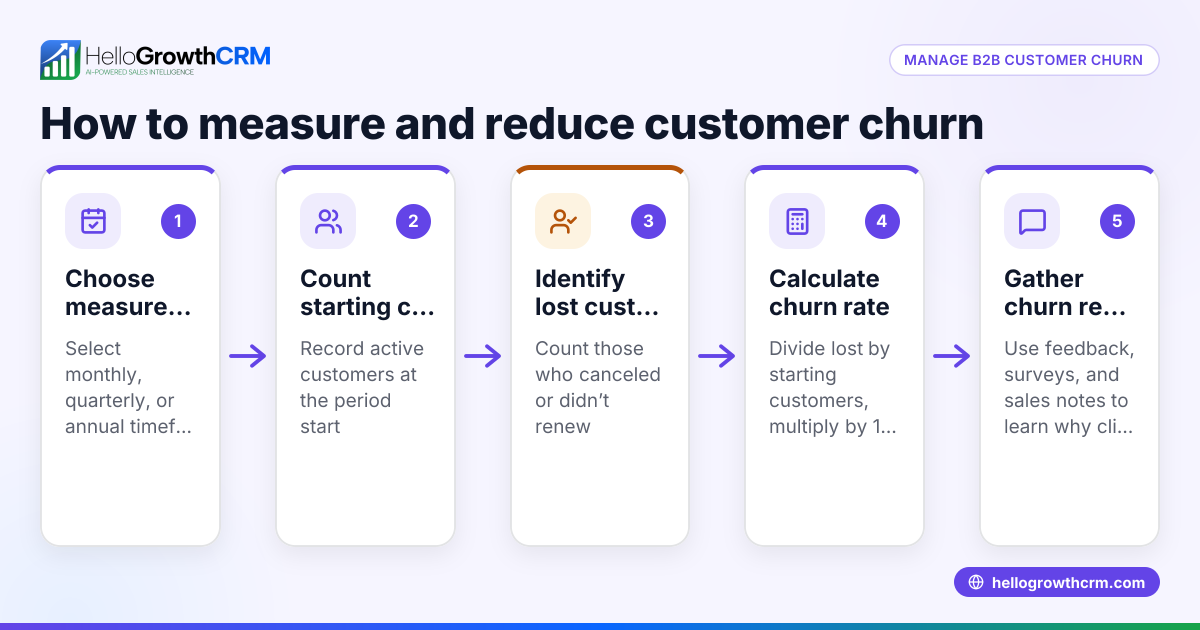
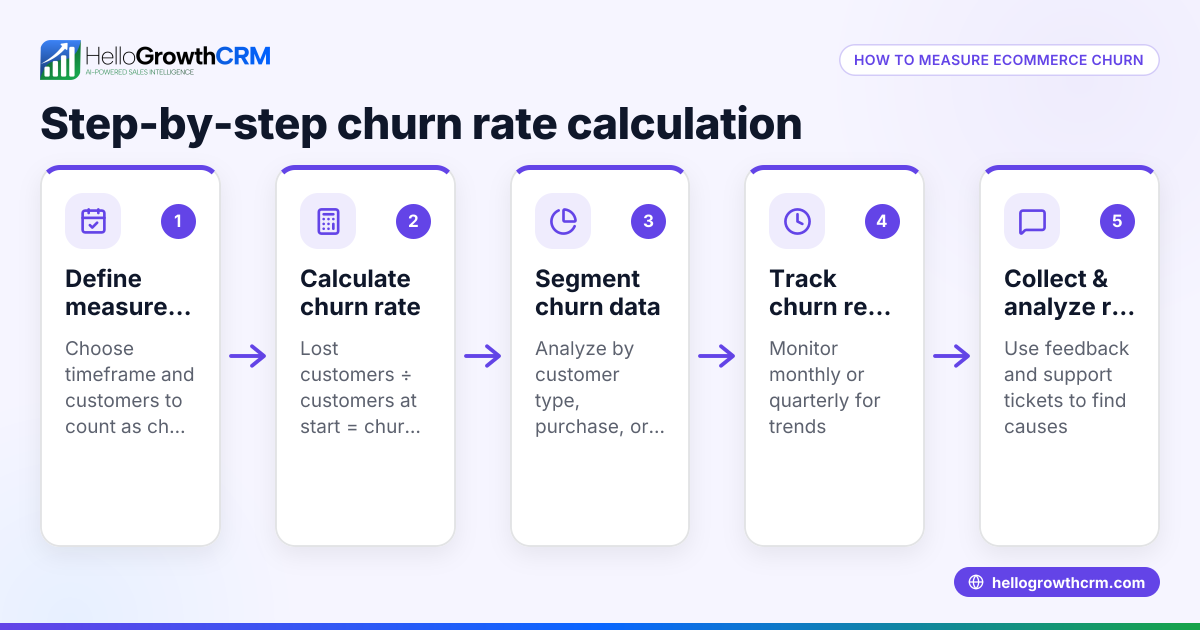
- Calculate your churn rate regularly: Choose a monthly or quarterly period. Divide the number of policies lost during that period by the total active policies at the start, then multiply by 100 to get a percentage. Track this over time to spot trends.
- Segment your customers: Group your clients by policy type (auto, home, life), length of tenure, or demographics. This helps identify which segments have higher churn and need targeted attention.
- Gather feedback from lost customers: Contact customers who did not renew or switched providers. Use surveys, phone calls, or emails to learn why they left. Look for patterns related to price, service, or policy features.
- Review your renewal process: Check if renewal reminders go out early enough (e.g., 30 days before expiration) and if follow-ups happen via multiple channels such as email, phone, and WhatsApp.
- Implement retention strategies: Based on feedback, offer loyalty discounts, personalized offers, or referral incentives. Train your sales and support teams to address objections and upsell when appropriate.
- Monitor customer health scores: Use engagement and satisfaction indicators to predict churn risk and intervene early. See customer health score for tools that help.
- Centralize customer data in a CRM: Keep all customer interactions, support tickets, and service requests linked to the same record. This ensures faster response times and better relationship management.
Example (fictional figures)
An independent insurance agent in Charlotte, North Carolina, starts Q1 2026 with 1,000 active insurance policies across auto and home insurance.
By 03/31/2026, the agent finds that 80 policies were not renewed.
Calculate churn rate:
Number of policies lost = 80
Starting policies = 1,000
Churn rate = (80 / 1,000) × 100 = 8%
Further analysis shows auto insurance policies have higher churn at 10%, while home insurance policies have a churn of 5%.
The agent surveys 50 lost customers and finds 60% left due to better competitor pricing.
Actions taken:
- Sent renewal reminders 30 days before policy expiration via email and WhatsApp.
- Offered a 5% loyalty discount to customers with policies older than 2 years.
- Launched a referral program to encourage existing clients to bring in new customers.
After three months, the agent measures churn again and finds it has dropped to 5% by 06/30/2026.
Common mistakes
- Ignoring customer feedback: Not asking why customers leave prevents you from fixing root causes. Prevent this by regularly surveying lost clients and acting on their responses.
- Delayed renewal communication: Sending reminders too close to policy expiration risks losing customers. Prevent by automating early reminders across multiple channels.
- Scattered customer data: Keeping data in separate spreadsheets or emails makes it hard to track churn and follow up. Prevent by using a CRM to centralize customer info.
- One-size-fits-all retention offers: Offering the same discount to all customers wastes resources and may not address specific needs. Prevent by segmenting customers and personalizing retention incentives.
- Overlooking service requests after sale: Failing to manage support tickets linked to policies can frustrate customers. Prevent by managing tickets and service requests on the same customer record.
See Insurance agents, NBFCs and financial services for more on industry-specific CRM needs.
Doing this in HelloGrowthCRM
HelloGrowthCRM includes a customer portal, referrals tracking, support tickets, and a knowledge base. After the sale, service requests and tickets stay linked to the same customer record as the deal, helping insurance agents maintain organized communication and faster issue resolution. Learn more about how these features support US insurance businesses at HelloGrowthCRM for the United States.
Frequently asked questions
What is a good insurance churn rate? A good churn rate depends on your insurance product and market, but generally, lower is better. Many US insurance agents aim for single-digit churn percentages quarterly. Monitoring your own trends and segment performance is key.
How can I predict insurance churn early? Tracking customer engagement through health scores and usage patterns helps predict churn. Customers who stop responding to communication or delay payments may be at risk. See customer health score for tools that help.
Does offering discounts reduce churn effectively? Discounts can help retain price-sensitive customers but may reduce margins. They work best combined with improved service and personalized communication.
How often should I review churn data? Monthly or quarterly reviews are recommended to catch trends early and adjust strategies promptly.
Can referrals reduce churn? Referrals bring in new customers but also strengthen loyalty among existing ones by rewarding them. Tracking referrals in your CRM can support this.
Key takeaways
- Insurance churn is the percentage of customers who stop renewing or switch providers, impacting revenue stability.
- Calculate churn regularly and segment customers to identify high-risk groups.
- Use customer feedback and timely communication to address churn causes.
- Avoid common mistakes like ignoring data or delaying renewals by centralizing customer information.
- HelloGrowthCRM helps manage customer service tickets and referrals after the sale in one record.
Start managing your insurance churn effectively today. Start on the Free Forever plan (200 leads, no credit card).
Ready to put this into practice?
Set up your pipeline, WhatsApp follow-ups, and AI lead scoring in minutes — free, no credit card.
Try HelloGrowthCRM freeGet CRM tips in your inbox
Join thousands of sales professionals who get weekly insights on CRM strategy, AI automation, and pipeline optimization.

The HelloGrowthCRM team publishes guides on CRM strategy, AI sales tools, and revenue operations for small business sales teams.