HelloGrowthCRM software
Built for real small-business sales teams
HelloGrowthCRM helps reps qualify faster, follow up on time, and close more deals—with practical automation in one place.
- AI lead scoring and pipeline visibility
- Built-in dialer, WhatsApp, and email automation
- Sales forecasting and RevOps-ready reporting
International customers are buyers located outside the United States who purchase your products or services. Managing these customers involves understanding cross-border sales, communication, payment methods, and compliance. This article explains why international customers matter to US small businesses, outlines practical steps to handle them, common mistakes to avoid, and how HelloGrowthCRM supports post-sale service for these customers.
Why this comes up / what goes wrong
Many US small-business owners want to expand sales by reaching buyers abroad. However, international customers bring challenges such as different time zones, language barriers, currency conversion, shipping logistics, and legal compliance. Without a clear process, businesses risk losing leads or frustrating customers due to slow responses, unclear pricing, or shipping delays. These issues often arise because sales and service teams rely on disconnected tools like email, text, and spreadsheets, making it hard to track and follow up efficiently.
Step-by-step
- Identify Your International Customers: Check your sales records and leads to see which contacts are outside the US. Confirm their location and preferred communication channels.
- Understand Payment Options: Verify which payment methods international customers can use, such as credit cards, PayPal, or wire transfers. Confirm currency conversion fees and timing.
- Clarify Shipping and Delivery: Determine shipping costs, customs duties, and delivery times for international orders. Communicate this clearly to customers before finalizing sales.
- Set Up Communication Protocols: Use tools that support WhatsApp, SMS, and email sequences to maintain timely, consistent contact. Respect time zone differences when scheduling calls or messages.
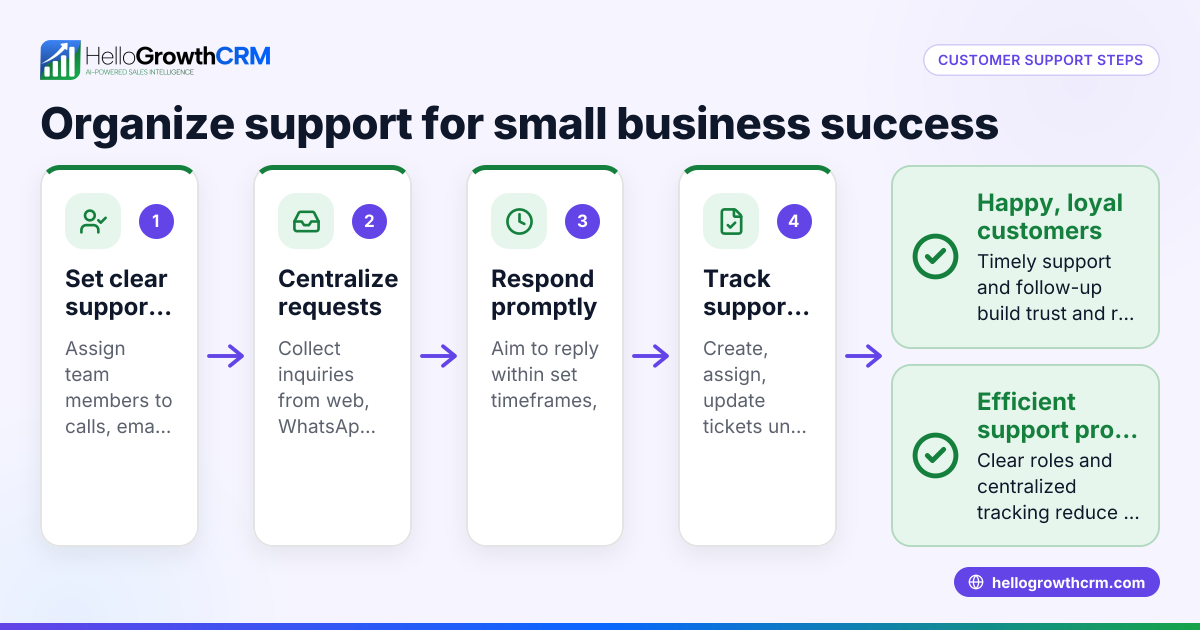
- Track and Manage Service Requests: After the sale, keep all service requests and tickets linked to the customer’s record to provide seamless support.
- Review Legal and Tax Compliance: Ensure you follow applicable tax, tariff, and export regulations for sales to international customers.
- Evaluate and Adjust Your Sales Pipeline: Use AI lead scoring and pipeline boards to prioritize international leads and forecast sales accurately.
Example (fictional figures)
A residential real-estate team in Phoenix, Arizona, closes a deal with an international buyer in Canada on 07/15/2025.
- Sale price: $350,000
- Exchange rate assumed: 1 USD = 1.25 CAD (illustrative)
Calculations:
$350,000 × 1.25 = $437,500 CAD
They confirm payment via wire transfer, which takes 3 business days. The team schedules follow-up calls respecting the time zone difference (Arizona is 2 hours behind Eastern Canada).
Shipping or delivery does not apply here, but they track the buyer’s service requests post-sale using a customer portal.
Common mistakes
- Ignoring time zones: Leads to missed calls or delayed responses. Prevent by scheduling communications considering the customer’s local time.
- Unclear pricing and shipping details: Causes confusion and lost sales. Prevent by providing transparent cost breakdowns upfront.
- Using multiple disconnected tools: Leads to lost information and slow follow-up. Prevent by consolidating communication and service tracking in one CRM.
- Not tracking post-sale service requests: Results in poor customer experience. Prevent by linking tickets and support requests to the original deal record.
- Failing to verify payment methods and currency issues: Causes payment delays or losses. Prevent by confirming payment options and exchange rates before closing.
For more on managing customer engagement, see customer health score and how to use WhatsApp and SMS CRM.
Doing this in HelloGrowthCRM
HelloGrowthCRM helps you manage international customers by keeping service requests, support tickets, and referrals on the same customer record as the original deal. Its branded customer portal allows buyers to submit tickets and access knowledge bases easily, improving post-sale service and retention. This centralized approach reduces lost information and speeds up response times.
Learn more about HelloGrowthCRM’s customer features at HelloGrowthCRM for the United States.
Frequently asked questions
What defines an international customer? An international customer is any buyer located outside your country—in this case, outside the US—who purchases your products or services. They may have different payment preferences, shipping needs, and communication expectations.
How do I handle payments from international customers? You need to confirm which payment methods you accept internationally and understand currency conversion impacts. Common options include credit cards, PayPal, and wire transfers. Always clarify fees and timing before finalizing the sale.
What are common communication challenges with international customers? Time zone differences and language barriers can cause delays or misunderstandings. Using multi-channel CRM tools that support WhatsApp, SMS, and email sequences helps maintain timely and clear contact.
Do I need to change my sales process for international leads? Yes. You should verify shipping logistics, legal compliance, and payment options upfront. Prioritize leads using AI scoring and track all interactions in one system to avoid lost follow-ups.
Can HelloGrowthCRM help with international customer service? Yes. Its customer portal, tickets, and knowledge base features keep all service requests linked to the original deal record, making it easier to manage support for international buyers.
Key takeaways
- International customers are buyers outside the US with unique sales and service needs.
- Clear communication on pricing, shipping, and payment is essential to avoid lost sales.
- Use a centralized CRM system to track leads, sales, and post-sale service efficiently.
- Consider time zones and preferred communication channels for timely follow-up.
- HelloGrowthCRM’s customer portal and ticket system help manage international customer support.
Start managing your international customers more effectively today. Start on the Free Forever plan (200 leads, no credit card).
Ready to put this into practice?
Set up your pipeline, WhatsApp follow-ups, and AI lead scoring in minutes — free, no credit card.
Try HelloGrowthCRM freeGet CRM tips in your inbox
Join thousands of sales professionals who get weekly insights on CRM strategy, AI automation, and pipeline optimization.

The HelloGrowthCRM team publishes guides on CRM strategy, AI sales tools, and revenue operations for small business sales teams.