HelloGrowthCRM software
Built for real small-business sales teams
HelloGrowthCRM helps reps qualify faster, follow up on time, and close more deals—with practical automation in one place.
- AI lead scoring and pipeline visibility
- Built-in dialer, WhatsApp, and email automation
- Sales forecasting and RevOps-ready reporting
Modern newsletter examples are emails crafted to engage subscribers through clear layouts, personalized messages, and mobile-friendly formatting. They deliver concise, relevant content, promotions, or updates with strong calls to action that encourage readers to respond or take the next step.
Why this comes up / what goes wrong
Small-business owners often search for modern newsletter examples because their current emails may have low open rates, poor engagement, or outdated designs. Many run sales and communications using text messages, email, and spreadsheets without a unified system, making consistent follow-up and personalization difficult. They want newsletters that reflect current design trends and marketing best practices to better connect with customers and generate leads.
Without a modern approach, newsletters can look cluttered, fail to display well on mobile devices, or miss the chance to guide readers toward a clear action. This reduces their effectiveness and wastes time and resources.
Step-by-step
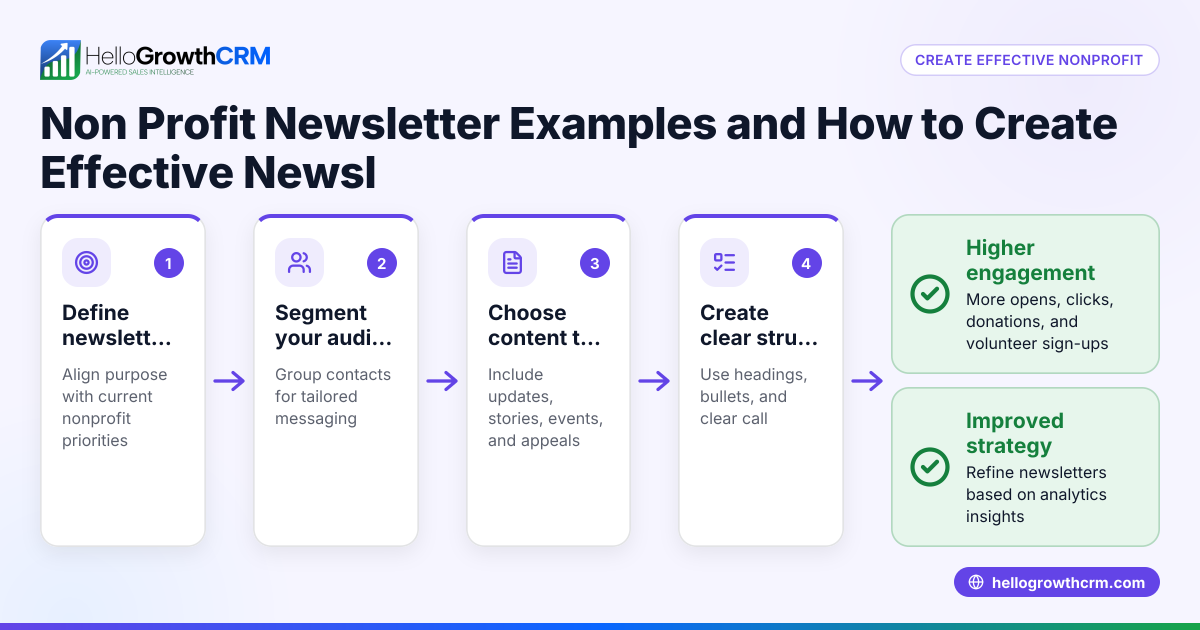
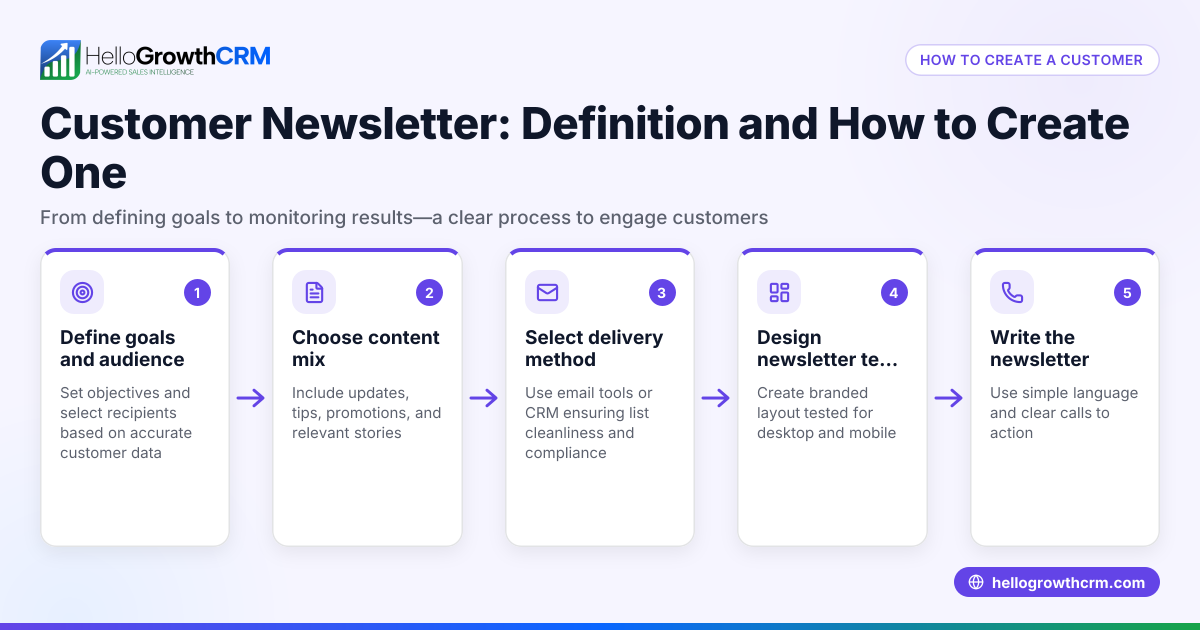
- Define your newsletter goal: Decide whether your newsletter will inform, promote products, or build customer relationships. Check that your goal aligns with your audience’s interests and your business objectives.
- Segment your audience: Divide your email list based on customer types, purchase history, or behaviors. This allows you to send more relevant and targeted content.
- Choose a clean, mobile-friendly template: Select simple layouts with clear headings and enough white space. Check that it displays well on phones and desktops.
- Write engaging subject lines: Create concise, benefit-focused subject lines that encourage recipients to open your email. Test different styles and wording to find what works best.
- Create valuable content: Include helpful tips, company news, and special offers. Keep paragraphs short, use bullet points, and avoid jargon.
- Add visuals and branding: Incorporate your logo and brand colors. Use images or graphics relevant to your message but avoid clutter that slows loading.
- Include clear calls to action (CTAs): Tell readers exactly what to do next, such as "Book a free consultation" or "Shop now." Make CTAs stand out visually.
- Test before sending: Send test emails to yourself and team members. Check formatting, links, and spelling across devices.
- Schedule and send: Pick optimal days and times based on your audience’s habits. Monitor open and click rates to improve future newsletters.
- Follow up and integrate with your sales system: Track leads generated from newsletters and follow up promptly. Consider a CRM that integrates WhatsApp and SMS to manage leads efficiently, like WhatsApp and SMS CRM.
Example (fictional figures)
A plumbing company in Austin, Texas, wants to increase service calls with a monthly newsletter.
- They have 3,000 subscribers.
- They send one newsletter per month.
- Their average conversion rate from newsletter leads is 2%.
- Each service call averages $250.
Calculations for one month:
3,000 subscribers × 2% conversion rate = 60 leads
60 leads × $250 average service call = $15,000 revenue
If they improve the conversion rate to 3%, revenue would be:
3,000 × 3% = 90 leads
90 × $250 = $22,500 revenue
This example shows how small improvements in newsletter effectiveness can significantly increase revenue.
Common mistakes
- Ignoring mobile optimization: Many readers open emails on phones. Prevent this by choosing mobile-friendly templates and testing on multiple devices.
- Overloading with text or images: Too much content or large images slow load times and overwhelm readers. Keep content concise and balanced.
- Weak subject lines: If the subject line doesn’t grab attention, your email won’t get opened. Use clear, benefit-driven language and test variations.
- No clear call to action: Without a clear next step, readers may not engage. Always include one prominent CTA.
- Not segmenting the audience: Sending the same message to all can reduce relevance. Segment your list to tailor content.
- Failing to track and follow up: Without tracking opens, clicks, and leads, you miss chances to optimize. Use tools or a CRM with features like a built-in CRM dialer to manage follow-up calls.
Frequently asked questions
What makes a newsletter modern? A modern newsletter uses clean, responsive design, personalization, concise content, and clear calls to action. It often integrates with digital tools for automation and tracking.
How often should I send newsletters? The ideal frequency depends on your audience and goals. Many small businesses send monthly or biweekly newsletters to stay top of mind without overwhelming subscribers.
Can I use WhatsApp for newsletters? WhatsApp is great for direct communication and follow-up but is less suited for mass newsletters. However, combining email newsletters with a WhatsApp and SMS CRM helps manage leads and conversations efficiently.
How do I measure newsletter success? Track open rates, click-through rates, and conversions. Use these metrics to refine content, timing, and segmentation.
What tools help with newsletters and sales follow-up? Using a CRM that supports email sequences and integrates with calling features, like HelloGrowthCRM for the United States, can streamline sending newsletters and managing leads.
Key takeaways
- Define clear goals and segment your audience for relevant newsletters.
- Use clean, mobile-friendly designs with engaging subject lines and clear CTAs.
- Test your emails before sending and track performance metrics.
- Avoid common mistakes like ignoring mobile users and lacking follow-up.
- Combine newsletters with a CRM that supports WhatsApp, SMS, and calling to improve lead management.
Start your newsletter journey today and improve your sales follow-up by using tools designed for small businesses. To manage leads efficiently, consider starting on the Free Forever plan (200 leads, no credit card) at HelloGrowthCRM.
Ready to put this into practice?
Set up your pipeline, WhatsApp follow-ups, and AI lead scoring in minutes — free, no credit card.
Try HelloGrowthCRM freeGet CRM tips in your inbox
Join thousands of sales professionals who get weekly insights on CRM strategy, AI automation, and pipeline optimization.

The HelloGrowthCRM team publishes guides on CRM strategy, AI sales tools, and revenue operations for small business sales teams.