HelloGrowthCRM software
Built for real small-business sales teams
HelloGrowthCRM helps reps qualify faster, follow up on time, and close more deals—with practical automation in one place.
- AI lead scoring and pipeline visibility
- Built-in dialer, WhatsApp, and email automation
- Sales forecasting and RevOps-ready reporting
Non profit newsletters are essential tools to keep supporters informed and motivated. Examples usually feature updates on recent successes, highlight upcoming events, appeal for donations, and showcase volunteer stories. Including these elements helps maintain a strong connection with donors and volunteers, encouraging ongoing support.
Why this comes up / what goes wrong
Small nonprofit organizations often struggle to communicate consistently with their supporters. Without regular newsletters, donors and volunteers may lose interest or forget about the nonprofit’s mission. Common problems include sending newsletters irregularly, creating messages that are too long or unclear, and lacking clear calls to action. Additionally, sending the same message to all contacts without segmentation reduces engagement. These issues result in low open rates and fewer donations or volunteer sign-ups.
Step-by-step
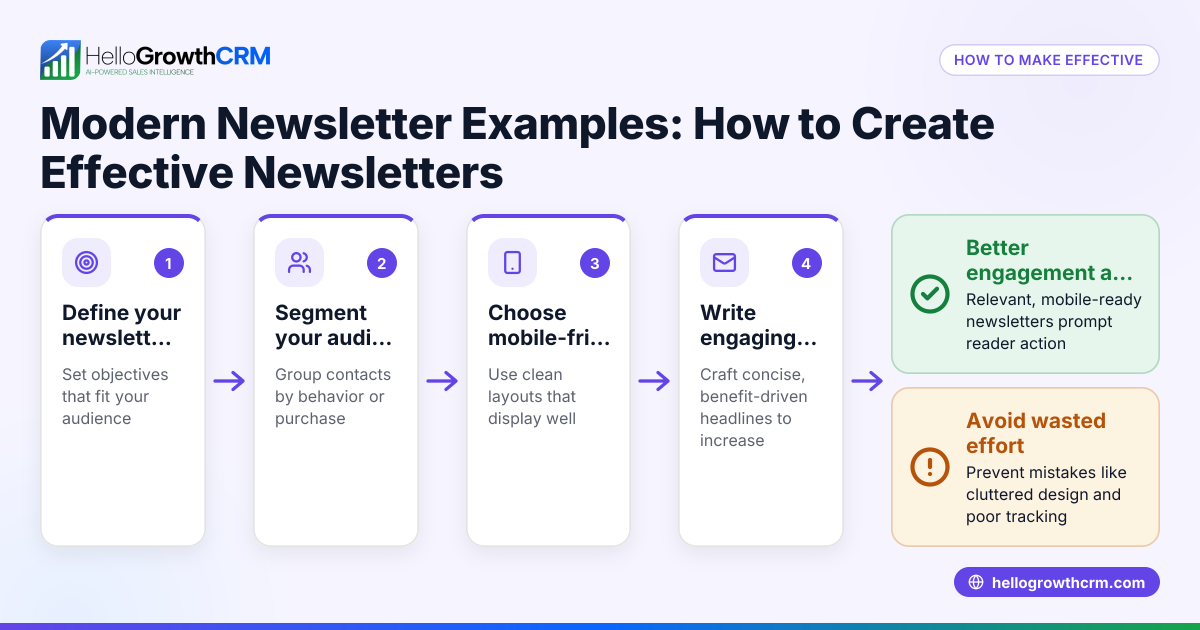
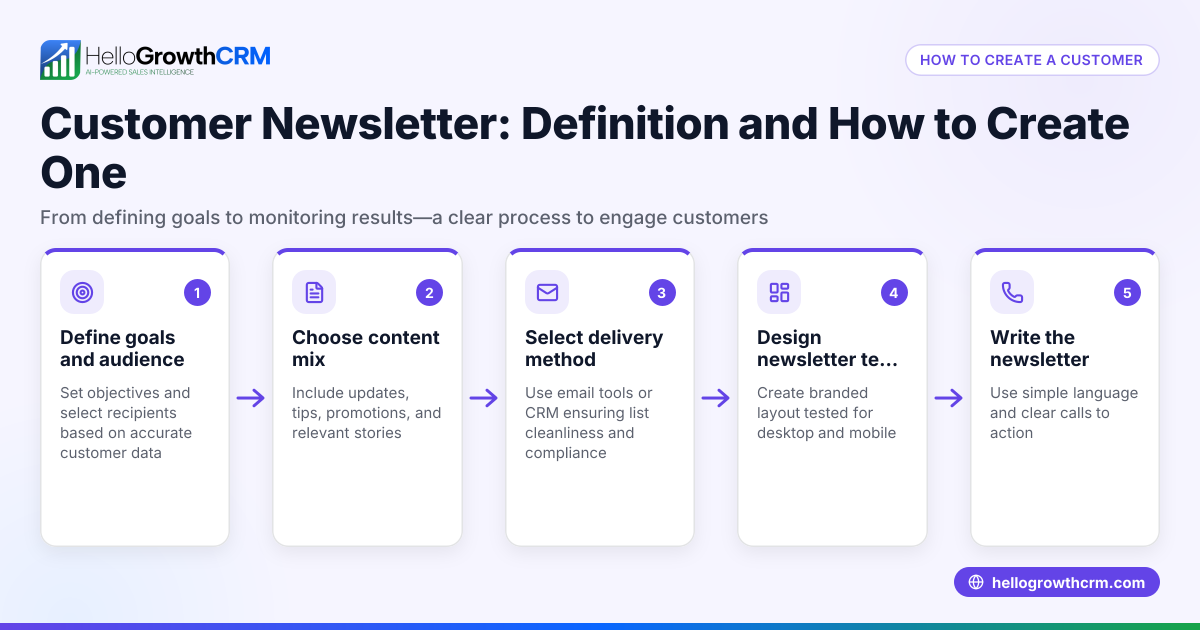
- Define your newsletter goal: Decide if your newsletter’s main purpose is to raise funds, recruit volunteers, or simply keep supporters informed. Check that this goal aligns with your nonprofit’s current priorities.
- Segment your audience: Divide your contacts into groups such as donors, volunteers, or community members interested in your cause. This segmentation allows you to tailor content to each group, increasing relevance and engagement.
- Choose content types: Include updates on project progress, success stories, upcoming events, volunteer spotlights, and donation appeals. Verify that each content piece supports your newsletter goal.
- Create a clear structure: Use headings, short paragraphs, and bullet points to make your newsletter easy to scan. Check that your call to action—whether to donate, volunteer, or share—is prominent and easy to find.
- Design for mobile devices: Many supporters read emails on their phones. Test your newsletter’s formatting on small screens to ensure it looks good and is easy to read.
- Schedule regular sends: Consistency builds trust. Choose a frequency you can maintain, such as monthly or quarterly, and stick to it.
- Test and review: Send test emails to yourself or colleagues to check formatting, links, and content clarity.
- Analyze results: Track open rates and click-through rates to understand which content works best. Adjust future newsletters based on these insights.
To manage contacts and communications effectively, consider tools like HelloGrowthCRM for the United States that support segmentation and outreach.
Example (fictional figures)
A nonprofit environmental group in Denver, Colorado, plans a quarterly newsletter to boost donations and volunteer sign-ups.
- They set a goal to increase donations by $10,000 in the quarter.
- The newsletter includes a success story about a recent cleanup event, an upcoming tree-planting day, and a donation appeal.
- They have 1,000 contacts segmented into donors (600) and volunteers (400).
- They estimate a 20% open rate and 10% click-through rate on the donation link.
- They expect a 50% conversion rate from clicks to donations.
Calculations:
1,000 contacts × 20% open rate = 200 opens
200 opens × 10% click-through rate = 20 clicks
20 clicks × 50% conversion rate = 10 donations
10 donations × $100 average donation = $1,000 raised via newsletter
They plan to improve content and targeting to increase these numbers each quarter.
Common mistakes
- Sending newsletters too frequently or too rarely: Sending newsletters too often can annoy supporters, while sending them too infrequently makes your nonprofit forgettable. Prevent this by planning a consistent schedule and sticking to it.
- Ignoring audience segmentation: Sending the same message to all contacts lowers engagement. Use segmentation to tailor content to donors, volunteers, or other groups.
- Lack of clear call to action: Without explicit instructions, readers may not know what to do next. Make donation links, volunteer sign-ups, or event RSVPs prominent.
- Poor formatting for mobile devices: Many readers use phones. Test your newsletter on various devices to ensure readability.
- Overloading with text: Long paragraphs discourage reading. Use bullet points, images, and concise language to keep readers’ attention.
- Not reviewing analytics: Without tracking open and click rates, you miss chances to improve. Use tools that provide these insights.
For better outreach and follow-up, consider integrating your email efforts with a WhatsApp and SMS CRM or a built-in CRM dialer.
Frequently asked questions
What should I include in a nonprofit newsletter? Include updates on your mission’s progress, success stories, upcoming events, volunteer opportunities, and donation appeals. Personalizing content to audience segments improves engagement.
How often should a nonprofit send newsletters? Monthly or quarterly newsletters are common. Choose a frequency you can maintain consistently without sacrificing quality.
How do I increase newsletter open rates? Use clear, compelling subject lines, segment your audience, and send at optimal times. Avoid spammy language and test different approaches.
Can I use social media content in my newsletter? Yes, repurpose engaging social posts or highlight popular content with links to your social channels to encourage cross-platform interaction.
Is it necessary to have a call to action in every newsletter? Yes, every newsletter should guide readers toward a next step, whether donating, volunteering, or sharing your message.
Key takeaways
- Define clear goals and segment your audience for targeted messaging.
- Use a consistent schedule and design newsletters to be mobile-friendly.
- Include engaging content with clear calls to action.
- Avoid common mistakes like poor formatting and ignoring analytics.
- Integrate your newsletter with other communication tools for follow-up.
Start your nonprofit’s communication journey by creating your first newsletter today. For managing contacts and outreach efficiently, explore HelloGrowthCRM for the United States.
Ready to organize your leads and communications? Start on the Free Forever plan (200 leads, no credit card).
Ready to put this into practice?
Set up your pipeline, WhatsApp follow-ups, and AI lead scoring in minutes — free, no credit card.
Try HelloGrowthCRM freeGet CRM tips in your inbox
Join thousands of sales professionals who get weekly insights on CRM strategy, AI automation, and pipeline optimization.

The HelloGrowthCRM team publishes guides on CRM strategy, AI sales tools, and revenue operations for small business sales teams.