HelloGrowthCRM software
Built for real small-business sales teams
HelloGrowthCRM helps reps qualify faster, follow up on time, and close more deals—with practical automation in one place.
- AI lead scoring and pipeline visibility
- Built-in dialer, WhatsApp, and email automation
- Sales forecasting and RevOps-ready reporting
A problem management workflow is essential for small businesses to quickly identify issues, resolve them, and prevent them from happening again. It structures the process into clear steps, helping your team respond consistently and avoid losing leads or sales due to unresolved problems.
Why this comes up / what goes wrong
Small businesses often face problems like slow lead follow-up, miscommunication, or lost sales opportunities because there is no clear process to manage issues when they arise. For example, a lead captured from a web form might not get assigned promptly, or the follow-up task might be missed because the workflow is manual or scattered across email and spreadsheets. This leads to frustration, lost revenue, and difficulty tracking what went wrong or how to prevent it in the future.
Step-by-step
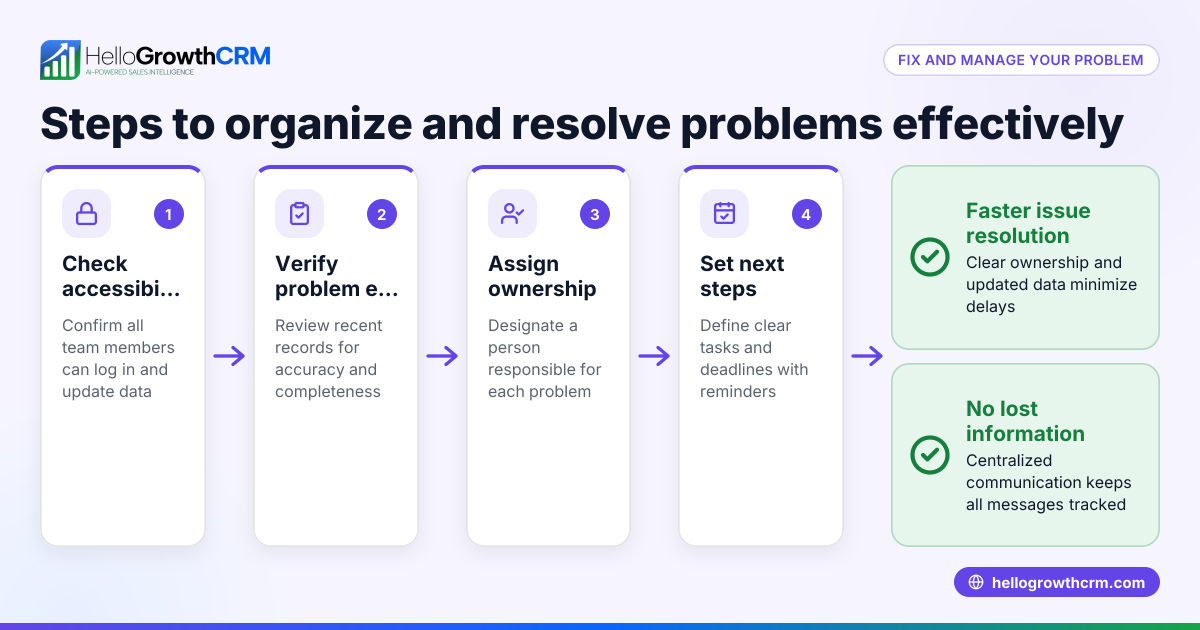
- Detect the problem early: Monitor your sales and customer interactions regularly. Check for missed follow-ups, delayed responses, or repeated complaints.
- Record the problem clearly: Document what the problem is, when it happened, and who is involved. Use a CRM or a centralized tool instead of notebooks or spreadsheets.
- Analyze the root cause: Investigate why the problem occurred. Was it a missed lead assignment? A communication gap? Lack of task reminders?
- Plan and implement a fix: Decide on corrective actions such as automating lead routing, setting task reminders, or improving communication channels.
- Test the solution: After applying the fix, monitor if the problem reoccurs or if the workflow now runs smoothly.
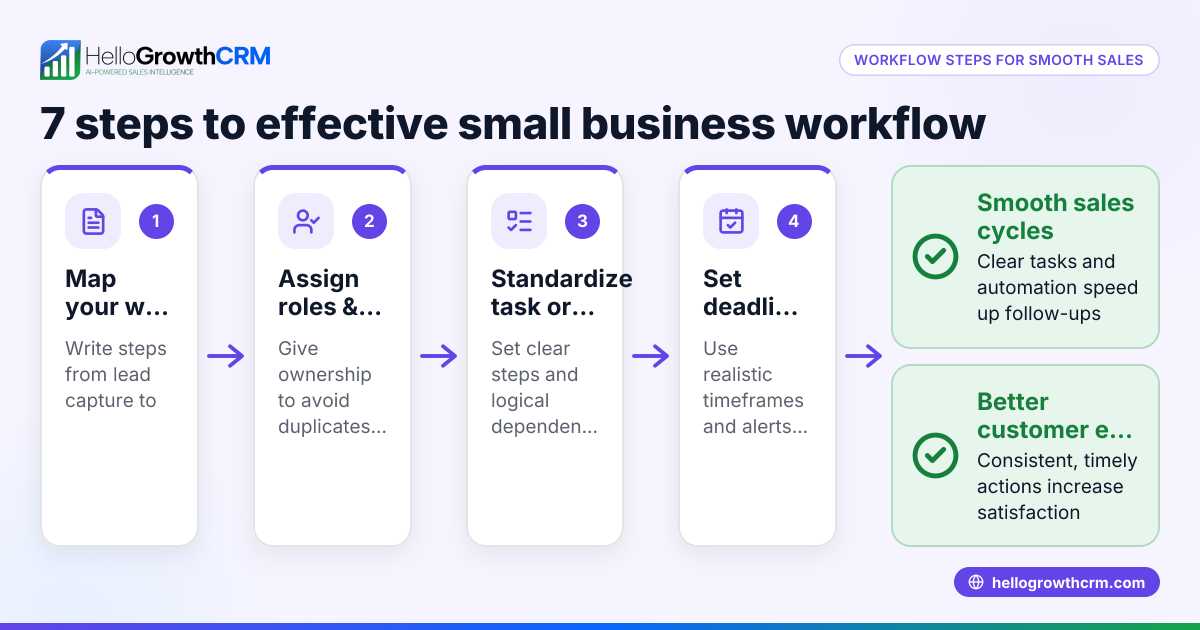
- Document the workflow: Create a written or digital process outlining how to handle similar problems in the future.
- Train your team: Ensure everyone understands the workflow and their responsibilities.
- Review and improve regularly: Periodically check your problem management workflow and update it based on new issues or feedback.
Example (fictional figures)
A residential real-estate team in Phoenix, Arizona, noticed they lost leads because follow-up calls were delayed. They tracked that on 03/15/2026, 10 leads came in from their website form but only 6 received a call within 24 hours.
Leads received: 10 Leads called within 24 hours: 6 Leads missed: 10 - 6 = 4
Each missed lead could result in an average lost commission of $1,500.
Potential revenue lost = 4 × $1,500 = $6,000
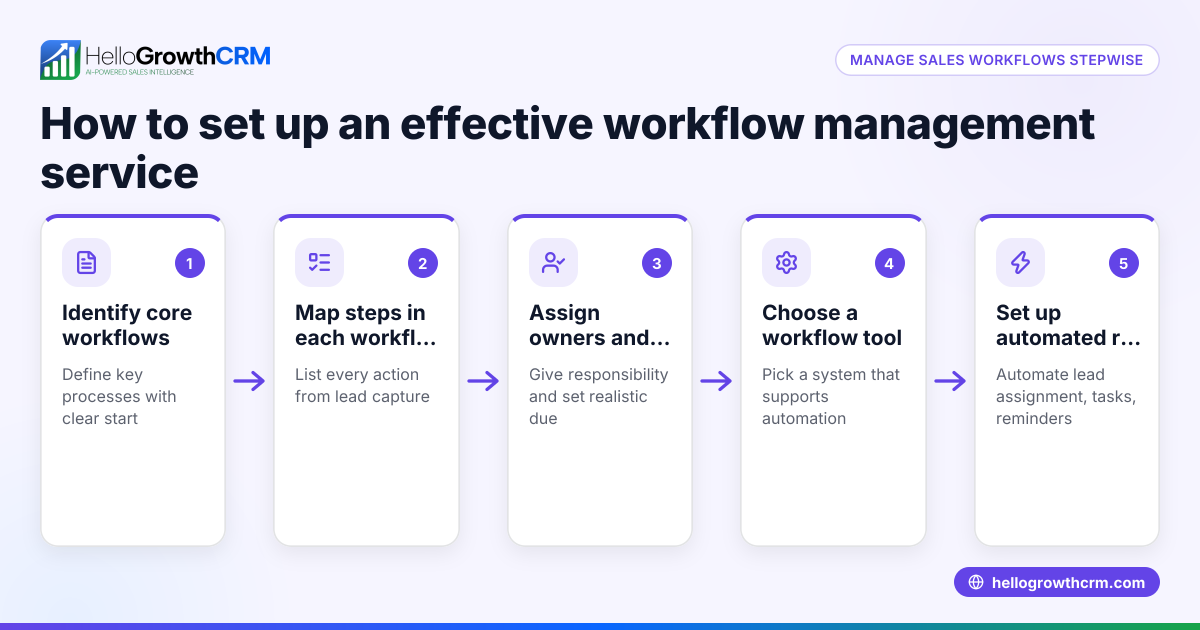
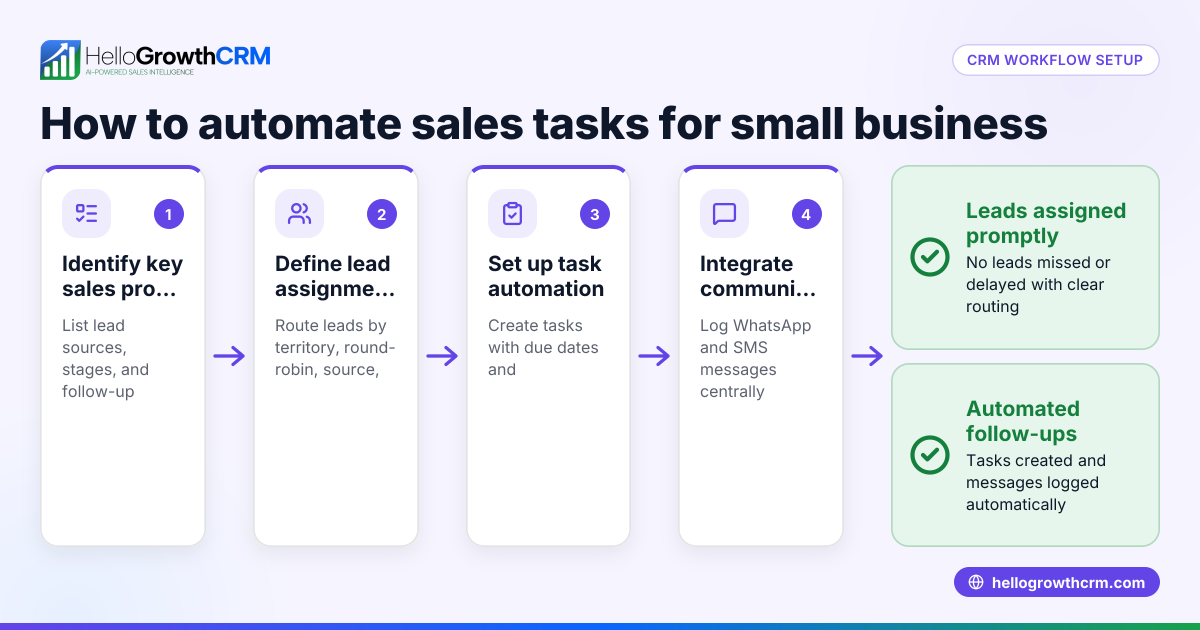
They implemented an automated lead assignment and task creation workflow, ensuring each new lead was assigned immediately and a follow-up task was created.
After one month, calls within 24 hours rose to 9 out of 10 leads.
Improvement = 9 - 6 = 3
Potential revenue saved = 3 × $1,500 = $4,500
This example shows how detecting the problem, analyzing missed follow-ups, and automating the workflow can reduce lost revenue.
Common mistakes
- Not documenting problems clearly: Leads to confusion and inconsistent fixes. Prevent by using a CRM or centralized tool to record every issue.
- Ignoring root cause analysis: Fixing symptoms without understanding causes. Prevent by always asking "why" multiple times to get to the root.
- Relying on manual processes: Causes delays and errors. Prevent by automating lead routing and task creation where possible.
- Lack of team training: Results in inconsistent execution. Prevent by regularly training the team on workflows.
- No follow-up on fixes: Problems may recur unnoticed. Prevent by monitoring and reviewing the workflow regularly.
Doing this in HelloGrowthCRM
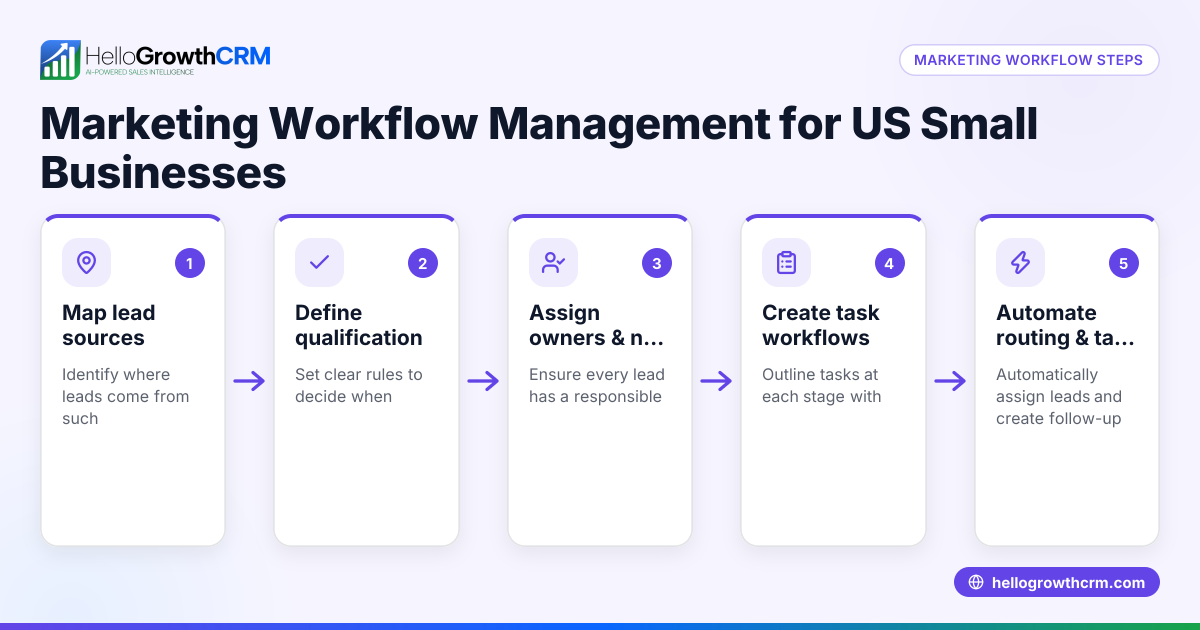
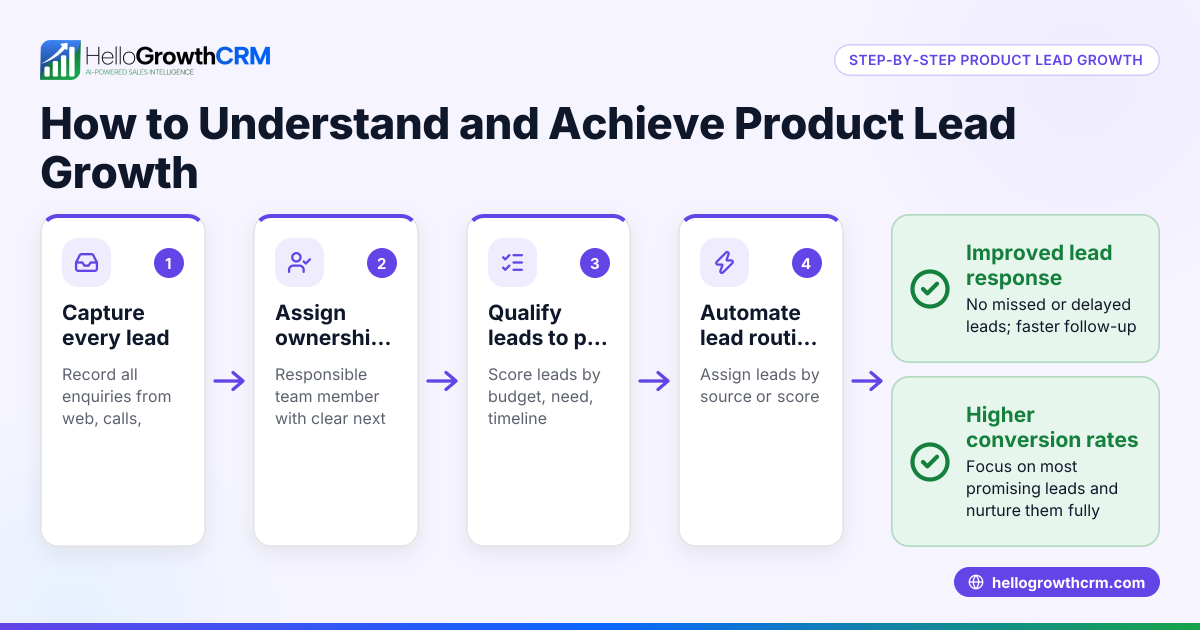
HelloGrowthCRM helps small businesses manage problems in their sales process with features like workflows, lead routing, and validation rules. For example, a new web-form inquiry can be assigned round-robin automatically, and a first-call task created without manual effort. Every inquiry from a form, call, or WhatsApp message lands as a lead with an owner and a next step, preventing leads from getting lost in notebooks or spreadsheets. This keeps your team aligned and responsive, reducing the chance of problems caused by missed follow-ups or unclear responsibilities. Learn more about WhatsApp and SMS CRM and the built-in CRM dialer to improve your communication and task management.
Frequently asked questions
What is a problem management workflow? A problem management workflow is a structured process for identifying, analyzing, fixing, and preventing problems in business operations, especially in sales and customer management.
Why is a problem management workflow important for small businesses? Small businesses often lose leads or sales due to inconsistent follow-up or unclear processes. A workflow ensures problems are handled systematically, improving customer experience and revenue.
How can automation help in problem management? Automation like lead routing and task creation reduces manual errors and delays, ensuring timely follow-up and clear ownership of tasks.
Can HelloGrowthCRM help with problem management? Yes, HelloGrowthCRM offers workflows and lead routing features that automate lead assignment and task creation, helping prevent problems caused by missed or delayed follow-ups. See HelloGrowthCRM for the United States for details.
How often should I review my problem management workflow? Regular reviews, at least quarterly, help identify new issues and improve your process to keep it effective as your business grows.
Key takeaways
- Detect problems early by monitoring leads and follow-ups.
- Document issues clearly using a centralized tool or CRM.
- Analyze root causes before applying fixes.
- Automate lead routing and task creation to prevent delays.
- Train your team on the workflow and review it regularly.
- Use HelloGrowthCRM features to streamline problem management.
Start on the Free Forever plan (200 leads, no credit card) to organize your leads and follow-ups effectively and prevent problems from slowing your sales.
Ready to put this into practice?
Set up your pipeline, WhatsApp follow-ups, and AI lead scoring in minutes — free, no credit card.
Try HelloGrowthCRM freeGet CRM tips in your inbox
Join thousands of sales professionals who get weekly insights on CRM strategy, AI automation, and pipeline optimization.

The HelloGrowthCRM team publishes guides on CRM strategy, AI sales tools, and revenue operations for small business sales teams.