HelloGrowthCRM software
Built for real small-business sales teams
HelloGrowthCRM helps reps qualify faster, follow up on time, and close more deals—with practical automation in one place.
- AI lead scoring and pipeline visibility
- Built-in dialer, WhatsApp, and email automation
- Sales forecasting and RevOps-ready reporting
A real estate proposal is a formal document that outlines the terms, pricing, and scope of a property sale or service offer to a potential client. It aims to convince the buyer or investor to proceed with the deal. This article explains why real estate proposals matter, provides step-by-step instructions to create one, a detailed US-based example, common pitfalls to avoid, and how a CRM can help manage proposals efficiently.
Why this comes up / what goes wrong
Real estate business owners and accountants often need to create proposals when pitching properties to buyers, investors, or partners. These proposals must clearly communicate pricing, property details, financing options, and timelines. Without a clear proposal, clients may hesitate or lose trust, leading to lost sales or delayed closings. Many real estate teams rely on emails, texts, or spreadsheets that get disorganized, causing slow follow-up and missed opportunities. A well-structured proposal tailored to the client’s needs helps close deals faster and reduces back-and-forth confusion.
Step-by-step
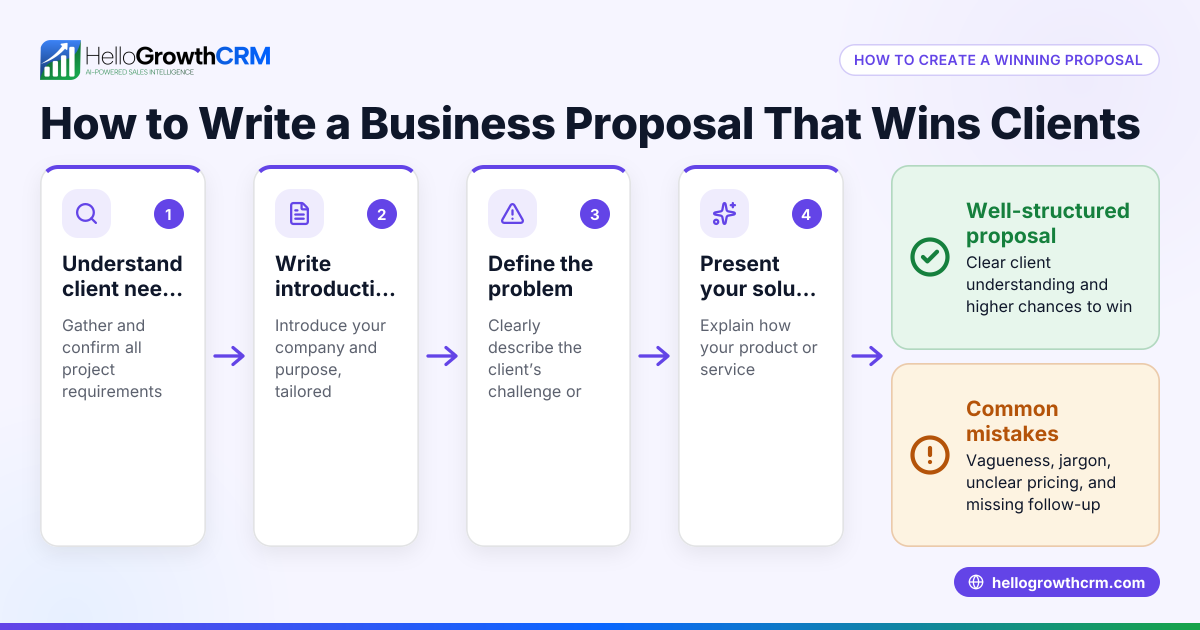
- Identify the client’s needs and property details: Gather all relevant information about the property (location, size, features) and the client’s requirements (budget, timeline, financing).
- Draft the proposal content: Include an introduction, property description, pricing breakdown, payment terms, contingencies, and closing timeline.
- Check legal and compliance requirements: Ensure disclosures, zoning information, and any local regulations are included or referenced.
- Prepare pricing and payment terms clearly: Show total price, deposits, financing options, and any fees or taxes.
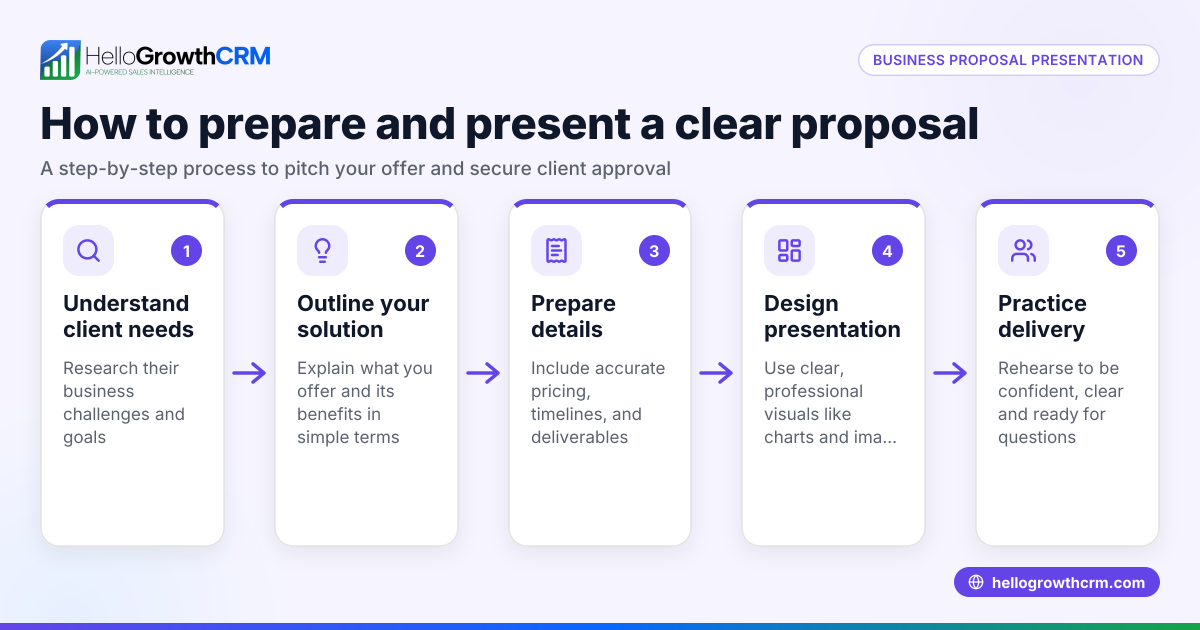
- Add visuals and supporting documents: Attach photos, floor plans, maps, or inspection reports to strengthen the proposal.
- Review and proofread: Verify all numbers, dates, and terms are accurate and clear.
- Send the proposal and track its status: Use a system to send the proposal, confirm the client has viewed it, and schedule follow-up tasks.
- Follow up promptly: Contact the client to answer questions and negotiate if needed.
- Finalize and get acceptance: Once accepted, prepare contracts or invoices as appropriate.
- Record and archive the proposal: Keep a copy for your records and future reference.
Using a CRM tailored for real estate helps streamline these steps and keeps your team aligned. Learn more about real estate and builders in the United States Real estate and builders.
Example (fictional figures)
A residential real estate team in Phoenix, Arizona, is proposing a single-family home to a buyer on 06/15/2026.
- Property price: $450,000
- Earnest money deposit: $10,000
- Closing costs estimated: $15,000
- Financing: Buyer to secure mortgage with 20% down payment
Calculations:
$450,000 × 20% = $90,000 (down payment) $450,000 - $90,000 = $360,000 (mortgage amount)
Total initial payment required:
$10,000 (deposit) + $90,000 (down payment) = $100,000
Estimated closing amount due at closing:
$15,000 (closing costs)
The proposal clearly states these figures, payment schedules, and contingencies such as inspection and appraisal. The team includes photos and a floor plan. They send the proposal through a CRM to track client views and set follow-up tasks.
Common mistakes
- Vague pricing details: Avoid unclear or hidden fees by itemizing all costs. Prevent this by double-checking your pricing section.
- Ignoring client needs: Sending generic proposals wastes time. Customize proposals based on client preferences and budget.
- Delayed follow-up: Waiting too long after sending a proposal can lose the lead. Schedule reminders and follow-up tasks immediately.
- Overloading with jargon: Use plain language and explain terms to avoid confusion.
- Not tracking proposal status: Without tracking, you don’t know if the client viewed or accepted the proposal. Use tools that show proposal status.
- Missing legal disclosures: Failing to include required information can cause legal issues. Consult local rules and include necessary disclosures.
Learn how to avoid these mistakes and manage leads better with WhatsApp and SMS CRM features WhatsApp and SMS CRM.
Doing this in HelloGrowthCRM
HelloGrowthCRM offers a built-in quoting and proposal tool that lets you build, send, and track proposals directly from a deal record. You can see the proposal’s status (sent, viewed, accepted) on the same screen as your follow-up tasks, helping you stay organized and responsive. After closing deals, generate invoices and reconcile payments all within the CRM. This keeps your sales process streamlined and your team aligned. For more details, see HelloGrowthCRM for the United States HelloGrowthCRM for the United States.
Frequently asked questions
What should a real estate proposal include? A real estate proposal should include property details, pricing, payment terms, contingencies, timelines, and any legal disclosures. Adding visuals like photos or floor plans helps clients understand the offer better.
How do I customize a real estate proposal for different clients? Start by understanding each client’s budget, needs, and preferences. Tailor the property options, financing terms, and payment schedules accordingly. Avoid generic templates that don’t address client-specific concerns.
How can I track if a client has viewed my proposal? Using a CRM with proposal tracking capabilities lets you see when a client opens or accepts a proposal. This helps you time your follow-up calls or messages effectively.
What common mistakes should I avoid in real estate proposals? Avoid vague pricing, delayed follow-up, ignoring client needs, overusing jargon, missing legal disclosures, and failing to track proposal status. Clear, timely, and client-focused proposals close deals faster.
Can proposal management integrate with communication channels? Yes, some CRMs integrate proposals with WhatsApp, SMS, and email sequences, keeping communications and documents in one place for easy access and follow-up.
Key takeaways
- Real estate proposals clearly outline pricing, terms, and property details to win client trust.
- Customize proposals based on client needs and local compliance requirements.
- Track proposal status and follow up promptly to avoid losing leads.
- Avoid common mistakes like vague pricing and missing disclosures.
- Using a CRM streamlines proposal creation, tracking, and follow-up in one system.
Start managing your real estate proposals and leads efficiently by starting on the Free Forever plan (200 leads, no credit card) at HelloGrowthCRM free plan.
Ready to put this into practice?
Set up your pipeline, WhatsApp follow-ups, and AI lead scoring in minutes — free, no credit card.
Try HelloGrowthCRM freeGet CRM tips in your inbox
Join thousands of sales professionals who get weekly insights on CRM strategy, AI automation, and pipeline optimization.

The HelloGrowthCRM team publishes guides on CRM strategy, AI sales tools, and revenue operations for small business sales teams.