HelloGrowthCRM software
Built for real small-business sales teams
HelloGrowthCRM helps reps qualify faster, follow up on time, and close more deals—with practical automation in one place.
- AI lead scoring and pipeline visibility
- Built-in dialer, WhatsApp, and email automation
- Sales forecasting and RevOps-ready reporting
The sales discovery process is the first and most important step in any sales cycle. It involves collecting detailed information from a potential customer about their needs, challenges, budget, and decision-making process. This information helps you tailor your sales pitch, qualify the lead properly, and plan the next steps effectively.
Why this comes up / what goes wrong
Small-business owners often struggle with losing leads or wasting time because they skip or rush the discovery phase. Without understanding a prospect’s priorities, budget, and decision-makers, sales conversations become generic and ineffective. This leads to slow follow-up, lost deals, and frustration on both sides.
For example, a business owner might respond to every inquiry with the same generic pitch, missing key objections or opportunities to customize the offer. Or they may fail to track follow-up dates properly, letting promising leads go cold.
This problem is common among small teams juggling multiple tasks without a structured sales process or CRM to track leads and follow-ups.
Step-by-step
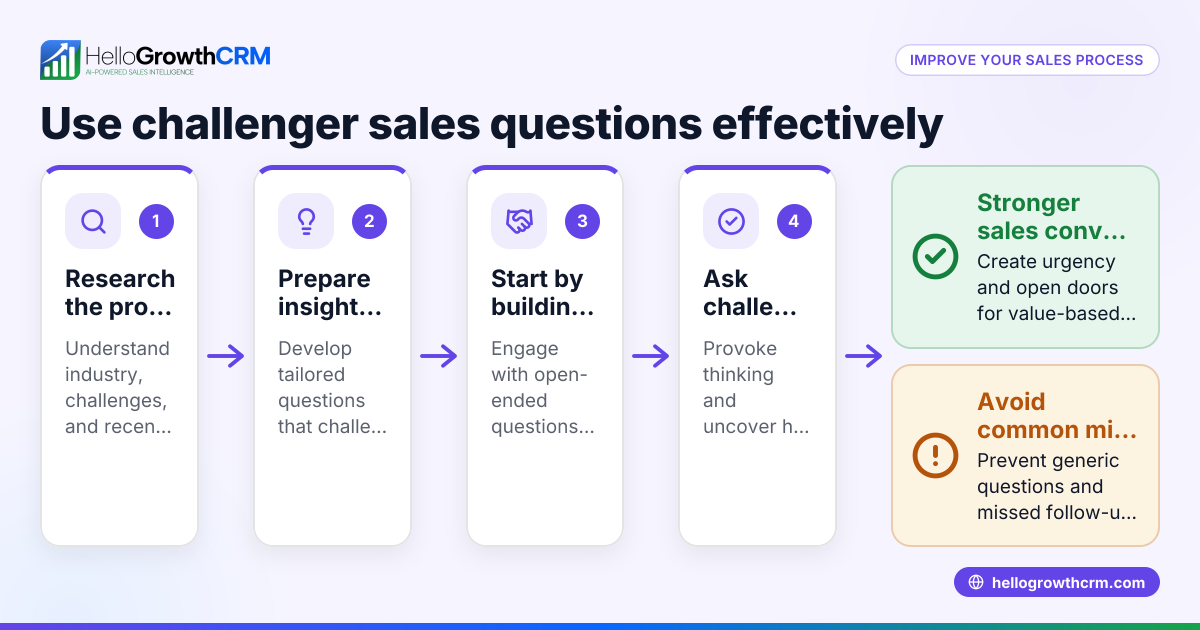
- Prepare your questions: Write down open-ended questions that uncover the prospect’s challenges, goals, budget, timeline, and who makes the buying decisions. Check that your questions cover these areas.
- Build rapport: Start the conversation by creating trust and showing genuine interest. Check that the prospect feels comfortable sharing information.
- Ask and listen actively: Use your prepared questions but adapt based on the prospect’s answers. Check you’re not interrupting and take notes on key points.
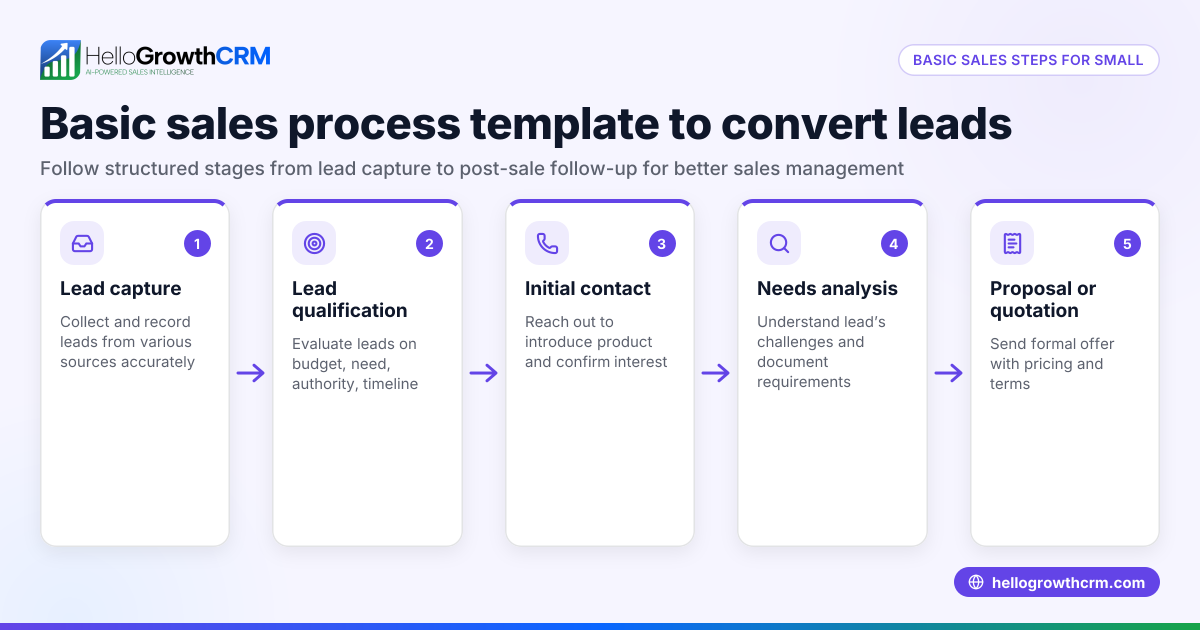
- Qualify the lead: Determine if the prospect fits your ideal customer profile, has the budget, authority, and timeline to buy. Check for any red flags or deal-breakers.
- Summarize and confirm: Repeat back what you heard to confirm understanding. Check that the prospect agrees with your summary.
- Set clear next steps: Agree on what happens next, such as sending a proposal, scheduling a demo, or a follow-up call. Check that you have a clear timeline.
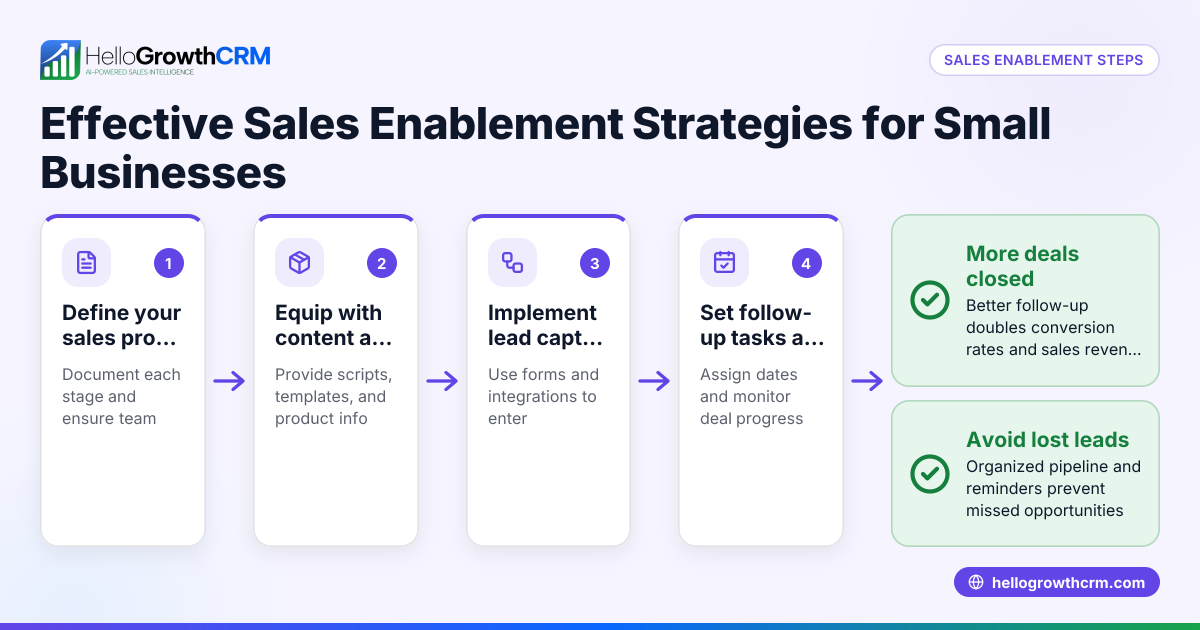
- Record details and schedule follow-up: Enter all information into your CRM or tracking system and set reminders. Check that no lead is forgotten.
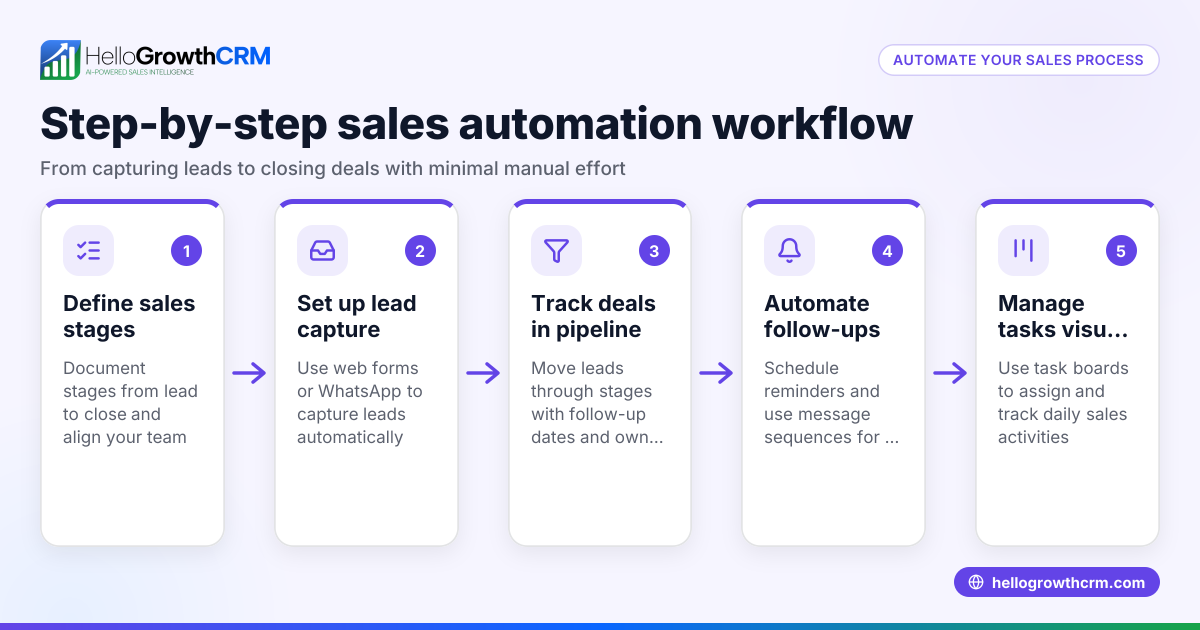
Using a CRM like HelloGrowthCRM helps keep these steps organized by tracking deals and follow-ups efficiently. You can learn more about its WhatsApp and SMS CRM and built-in CRM dialer features.
Example (fictional figures)
A B2B software reseller in Denver, Colorado, speaks with a prospect on 03/15/2026. They ask about the prospect's current software spending and challenges.
- Prospect says they spend about $50,000 annually on software but face integration problems.
- The reseller confirms the prospect needs a solution within 3 months and that the CTO is the decision-maker.
- The reseller summarizes: “You need a software solution under $60,000, ready in 3 months, and the CTO will decide.”
- Next step: Send a tailored proposal by 03/22/2026.
The reseller logs this as a deal in their CRM pipeline at the "quote sent" stage with a follow-up date of 03/25/2026.
Here is the arithmetic for budget and timeline:
$50,000 + $10,000 = $60,000 (maximum budget)
03/15/2026 + 7 days = 03/22/2026 (proposal due date)
03/22/2026 + 3 days = 03/25/2026 (follow-up date)
This example shows how discovery clarifies needs, budget, decision-makers, and next steps.
Common mistakes
- Rushing discovery: Leads to missing important details. Prevent by scheduling enough time for discovery calls.
- Not qualifying properly: Wastes time on leads that can’t buy. Prevent by asking about budget and decision-makers early.
- Failing to listen: Results in irrelevant offers. Prevent by active listening and note-taking.
- No follow-up plan: Causes lost deals. Prevent by recording next steps and follow-up dates in a CRM like HelloGrowthCRM.
- Using generic questions: Doesn’t uncover specifics. Prevent by customizing questions to your market and product.
- Not recording details: Leads to forgotten information and missed opportunities. Prevent by entering all notes into a CRM immediately.
Doing this in HelloGrowthCRM
HelloGrowthCRM supports the sales discovery process with its Deals (pipeline) feature. For instance, a quotation sent last week appears as a deal at the "quote sent" stage with a follow-up date, so you never forget to follow up. If you manage field sales, Territories and field operations tools let reps log visits from their phone, while managers see the day's activities. For founders without a sales manager, Managed RevOps provides weekly follow-up execution and pipeline hygiene support. Learn more about HelloGrowthCRM for the United States.
Frequently asked questions
What is the main goal of the sales discovery process? The main goal is to understand the prospect’s needs, challenges, budget, and decision-making criteria to tailor your sales approach and qualify the lead effectively.
How long should a discovery call last? Typically, 20-30 minutes is enough to cover key questions without overwhelming the prospect. The length depends on the product complexity and the prospect’s openness.
What questions should I ask during discovery? Ask open-ended questions about challenges, goals, budget, timeline, and decision-making authority. Avoid yes/no questions to encourage detailed answers.
How do I avoid losing leads after discovery? Record all details in a CRM and set clear follow-up dates. Using a tool like HelloGrowthCRM helps automate reminders and pipeline tracking.
Can discovery be done over text or email? While possible for simple cases, live conversation (phone or video) is usually better for building rapport and getting detailed answers.
What if I don’t have a sales manager to handle follow-ups? Services like HelloGrowthCRM’s Managed RevOps provide done-for-you revenue operations support, including weekly follow-up execution and pipeline cleanup.
Key takeaways
- The sales discovery process uncovers prospect needs, budget, and decision-makers to tailor your sales approach.
- Prepare questions, build rapport, listen actively, qualify leads, and confirm understanding.
- Always record details and schedule follow-up to avoid losing leads.
- Common mistakes include rushing, poor qualification, failing to listen, and no follow-up plan.
- HelloGrowthCRM’s Deals pipeline, Territories tools, and Managed RevOps help manage discovery outcomes effectively.
Start your sales discovery process on the right foot with the Free Forever plan (200 leads, no credit card) at HelloGrowthCRM.
Ready to put this into practice?
Set up your pipeline, WhatsApp follow-ups, and AI lead scoring in minutes — free, no credit card.
Try HelloGrowthCRM freeGet CRM tips in your inbox
Join thousands of sales professionals who get weekly insights on CRM strategy, AI automation, and pipeline optimization.

The HelloGrowthCRM team publishes guides on CRM strategy, AI sales tools, and revenue operations for small business sales teams.