HelloGrowthCRM software
Built for real small-business sales teams
HelloGrowthCRM helps reps qualify faster, follow up on time, and close more deals—with practical automation in one place.
- AI lead scoring and pipeline visibility
- Built-in dialer, WhatsApp, and email automation
- Sales forecasting and RevOps-ready reporting
Sales funnel conversion rate benchmarks vary widely depending on your industry, sales process, and customer type. However, small and mid-sized businesses in the US often see varying conversion rates from initial lead to closed sale depending on their industry and sales process. This means that only a small percentage of leads typically become customers. Understanding these benchmarks helps you evaluate if your sales process is effective or needs improvement.
Why this comes up / what goes wrong
Small business owners often struggle to know if their sales funnel is performing well because they lack clear benchmarks. They may feel they are losing leads but don’t know at which stage or why. Without measuring conversion rates at each funnel stage, it’s hard to pinpoint bottlenecks or wasted effort. This uncertainty leads to inconsistent follow-up, lost deals, and missed revenue.
A typical small business might manage leads in spreadsheets, text messages, and emails, making it difficult to track conversion rates accurately. Without a reliable system, leads fall through the cracks, and sales teams can’t prioritize effectively.
Step-by-step
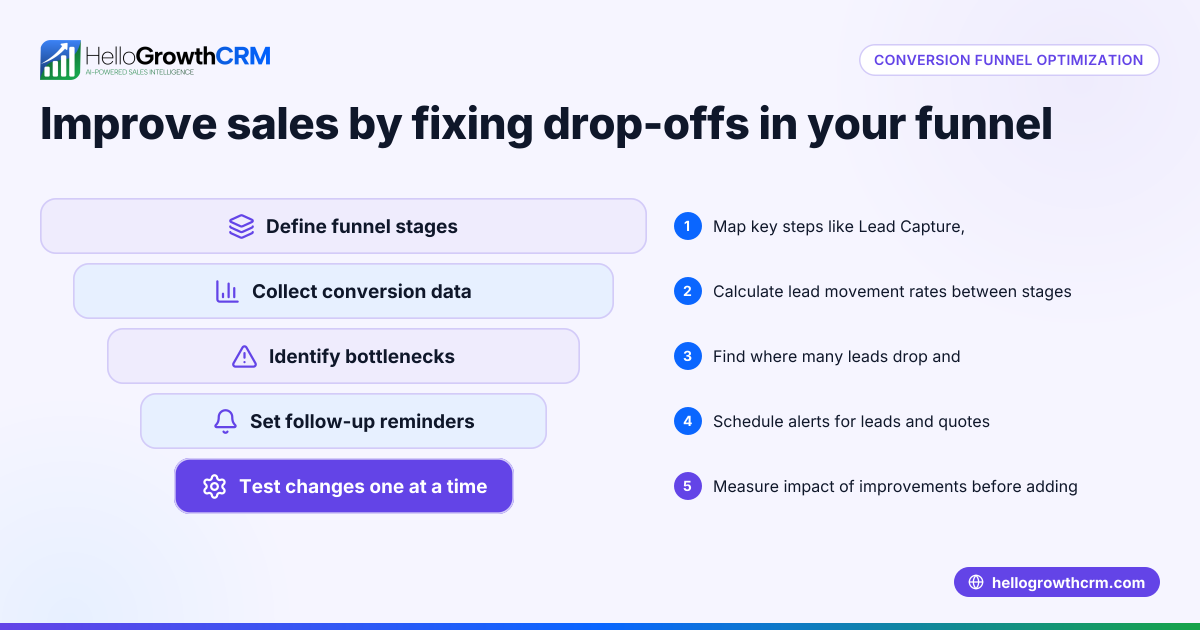
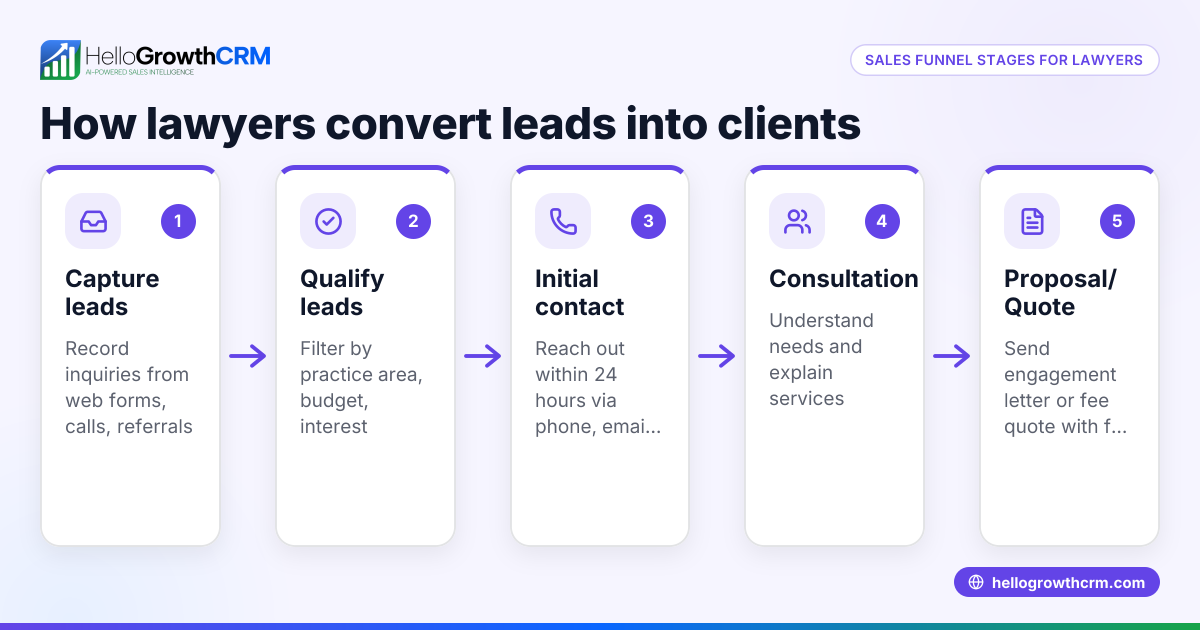
- Define your sales funnel stages clearly. Typical stages include Lead Capture, Contacted, Qualified, Proposal Sent, Negotiation, and Closed Won/Lost. Be consistent in naming and criteria.
- Collect data on leads entering each stage. Track how many leads move from one stage to the next over a set period (e.g., monthly).
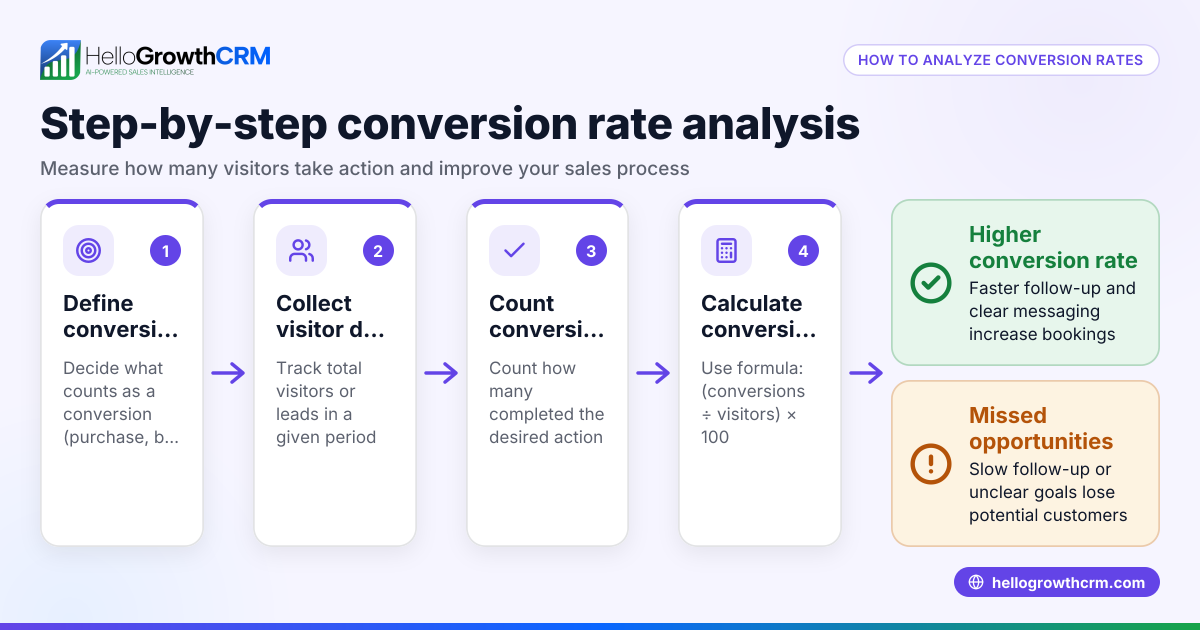
- Calculate conversion rates between stages. For each stage, divide the number of leads that advance by the number at the previous stage. For example, if 200 leads were contacted and 100 qualified, conversion rate = 100 ÷ 200 = 50%.
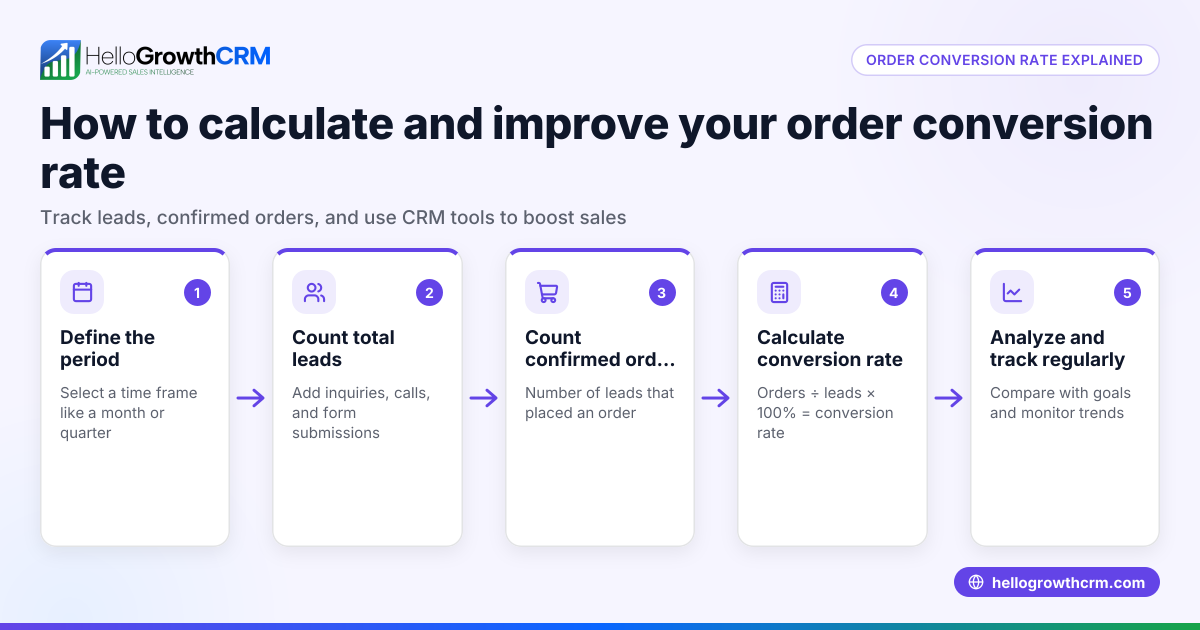
- Calculate overall funnel conversion rate. Divide the number of closed-won deals by the total leads captured. For example, 10 closed deals from 500 leads = 10 ÷ 500 = 2%.
- Compare your rates to industry benchmarks or your past performance. Identify stages where conversion is below average.
- Investigate causes for low conversion at specific stages. Check follow-up timeliness, lead quality, sales messaging, or pricing.
- Implement improvements and track changes. Adjust sales scripts, automate follow-ups, or qualify leads better.
- Repeat measurement regularly to monitor progress. Use tools to avoid manual errors and missed leads.
Example (fictional figures)
A two-location dental practice in Columbus, Ohio, tracked its sales funnel over one month (09/01/2025 to 09/30/2025):
- Leads captured: 500
- Leads contacted: 400
- Leads qualified: 200
- Proposals sent: 150
- Deals closed: 25
Calculations:
Contacted conversion rate = 400 ÷ 500 = 80%
Qualified conversion rate = 200 ÷ 400 = 50%
Proposal conversion rate = 150 ÷ 200 = 75%
Overall funnel conversion rate = 25 ÷ 500 = 5%
This 5% overall conversion rate is within typical benchmarks for small businesses, but the practice notices a drop from qualified to proposal sent (75%), which it aims to improve.
Common mistakes
- Not defining funnel stages clearly. Prevent by standardizing stage names and criteria.
- Using inconsistent or incomplete data sources. Prevent by centralizing lead tracking in one system.
- Ignoring follow-up timing. Prevent by setting reminders and follow-up tasks.
- Failing to analyze stage-by-stage conversion. Prevent by calculating and reviewing conversion rates regularly.
- Overlooking lead quality. Prevent by qualifying leads before adding to the funnel.
- Manual tracking errors. Prevent by using CRM tools with pipeline management.
Doing this in HelloGrowthCRM
HelloGrowthCRM helps you track your sales funnel with its Deals (pipeline) feature. A quotation sent last week appears as a deal at the 'quote sent' stage with a follow-up date, ensuring no opportunity is forgotten. Field sales reps can log visits from their phones using Territories and field operations tools, allowing managers to monitor daily activity and commissions. For founders without a sales manager, Managed RevOps provides weekly follow-up execution and pipeline cleanup, keeping your sales funnel active and conversion rates optimized. Learn more about HelloGrowthCRM for the United States, WhatsApp and SMS CRM, and the built-in CRM dialer.
Frequently asked questions
What is a good sales funnel conversion rate? Conversion rates vary by industry and sales complexity. For small businesses, an overall conversion rate from lead to customer between 1% and 5% is common. Higher rates indicate a more efficient funnel.
How do I calculate sales funnel conversion rates? Calculate conversion rates by dividing the number of leads that move to the next stage by the number at the previous stage. For example, if 100 leads were contacted and 50 qualified, the conversion rate is 50%.
Why are my conversion rates low? Low conversion rates can result from poor lead quality, slow follow-up, unclear sales stages, or ineffective sales messaging. Analyzing each stage helps identify specific issues.
How often should I review my funnel conversion rates? Review conversion rates monthly or quarterly to track trends and the impact of any changes you make to your sales process.
Can a CRM improve my conversion rates? Yes, a CRM like HelloGrowthCRM helps centralize lead data, automate follow-ups, and provide visibility into your pipeline, reducing lost leads and improving conversion.
Key takeaways
- Sales funnel conversion rates typically range from 1% to 5% overall for small businesses.
- Define clear sales funnel stages and track leads at each stage.
- Calculate conversion rates stage-by-stage to identify bottlenecks.
- Avoid common mistakes like inconsistent data and poor follow-up.
- Use tools like HelloGrowthCRM to manage your pipeline and improve conversions.
Start improving your sales funnel today. Start on the Free Forever plan (200 leads, no credit card).
Ready to put this into practice?
Set up your pipeline, WhatsApp follow-ups, and AI lead scoring in minutes — free, no credit card.
Try HelloGrowthCRM freeGet CRM tips in your inbox
Join thousands of sales professionals who get weekly insights on CRM strategy, AI automation, and pipeline optimization.

The HelloGrowthCRM team publishes guides on CRM strategy, AI sales tools, and revenue operations for small business sales teams.