HelloGrowthCRM software
Built for real small-business sales teams
HelloGrowthCRM helps reps qualify faster, follow up on time, and close more deals—with practical automation in one place.
- AI lead scoring and pipeline visibility
- Built-in dialer, WhatsApp, and email automation
- Sales forecasting and RevOps-ready reporting
Sales process improvement means refining each step your sales team takes from lead capture to closing deals, to increase efficiency and win more customers. This article covers why small businesses struggle with sales processes, a clear step-by-step improvement guide, common pitfalls to avoid, a practical example, and how HelloGrowthCRM can support your efforts.
Why this comes up / what goes wrong
Small-business owners frequently find their sales efforts slowed by missed follow-ups, lost leads, and scattered information. Often, sales activities happen across text messages, emails, and spreadsheets without a single source of truth. This disorganization leads to confusion about which leads need attention, forgotten quotes, and inconsistent customer communication. For example, a sales rep might send a quote but forget to follow up, or a manager might not see which deals are stalled. These issues reduce sales efficiency and revenue growth.
Step-by-step
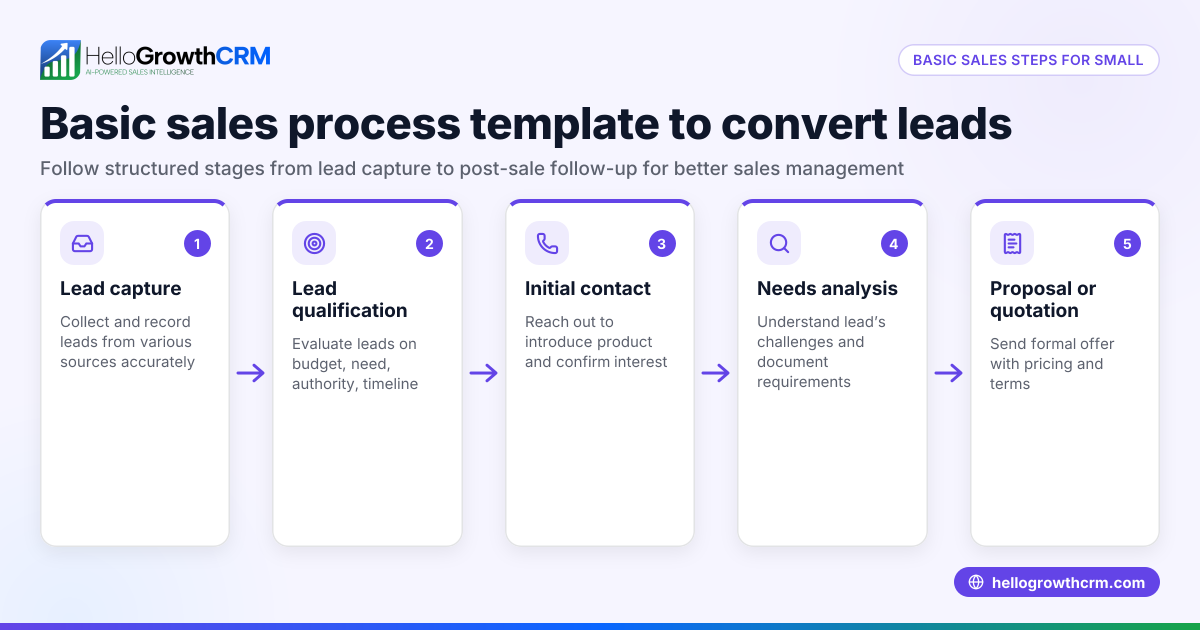
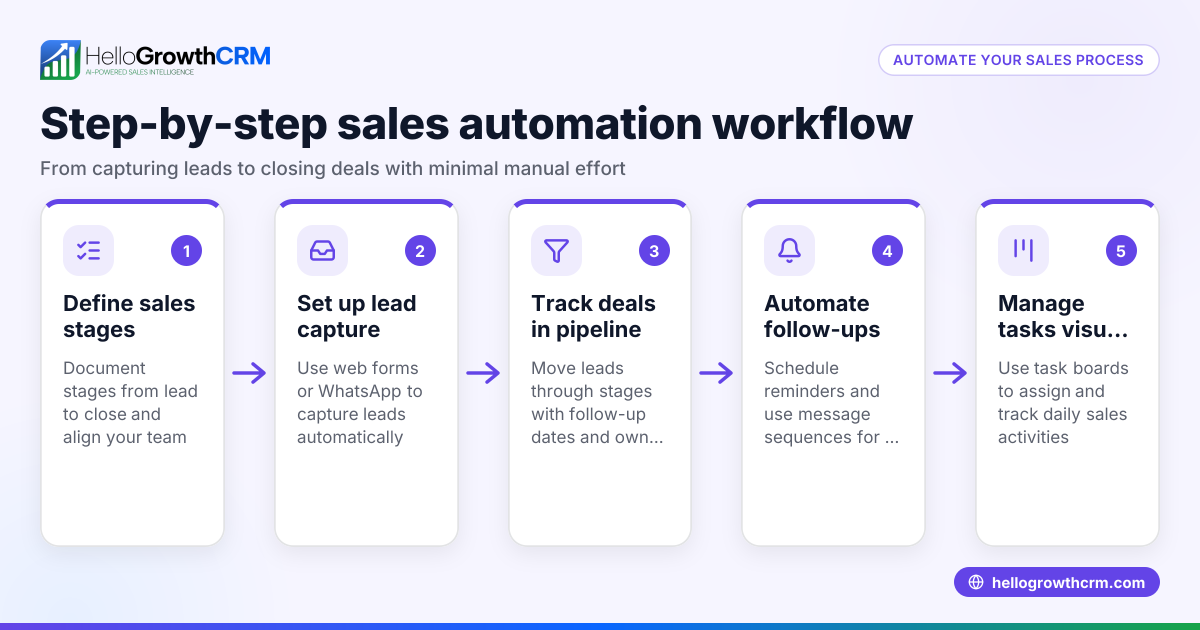
- Document your current sales process: Write down each step from the first contact with a lead to closing the deal. Include who is responsible at each stage.
- Identify bottlenecks and delays: Look for stages where leads stall or drop out. Check if follow-ups are late or if quotes are not tracked.
- Set clear follow-up timelines: Define when and how often to contact leads after key events like sending a quote.
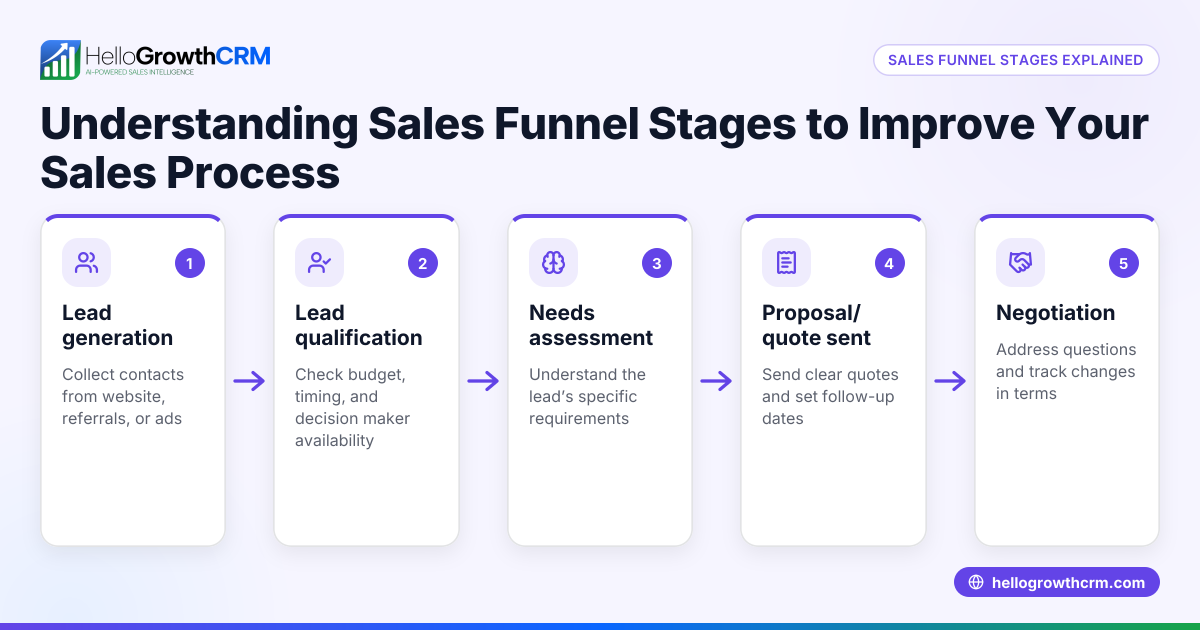
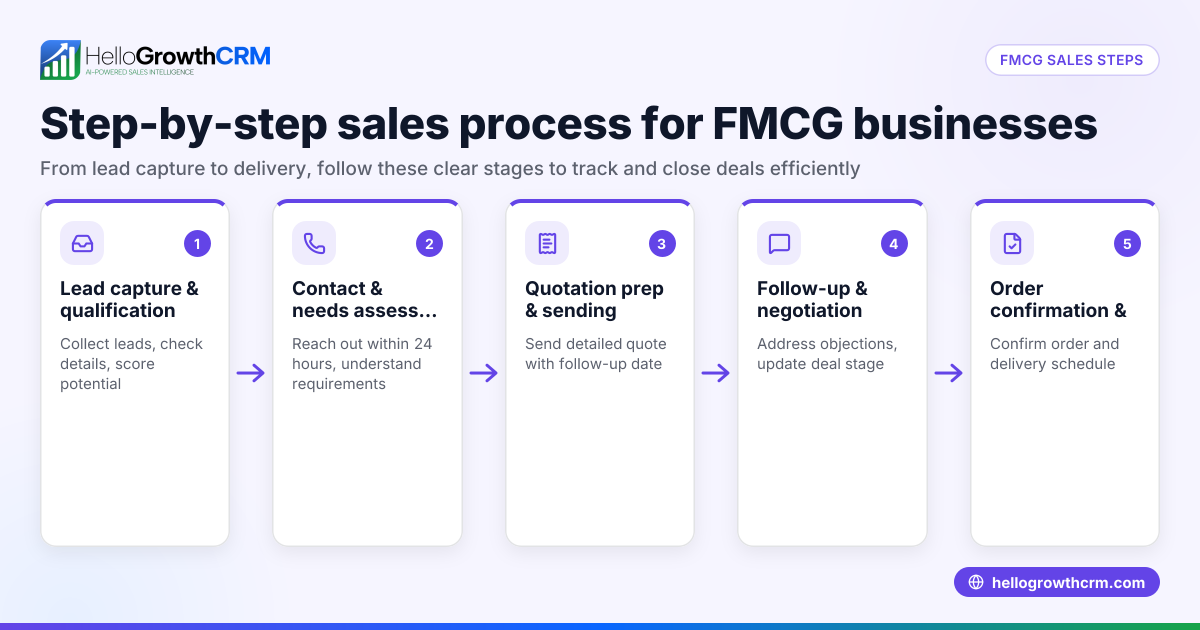
- Implement a visual sales pipeline: Organize leads into stages such as prospecting, quote sent, negotiation, and closed. This helps you visualize progress and spot stuck deals.
- Assign ownership for each lead or deal: Ensure every opportunity has a responsible team member who knows their tasks.
- Use reminders and automation: Schedule automatic alerts for follow-ups and tasks to prevent leads from being forgotten.
- Review your pipeline regularly: Conduct weekly or biweekly meetings to update deal statuses, clean out stale leads, and adjust your process.
- Train your team on the process: Make sure everyone understands the steps, timelines, and tools involved.
Example (fictional figures)
A residential real-estate team in Phoenix, Arizona, wants to improve follow-up on property inquiries.
- On 04/01/2026, they sent 10 quotations worth $500,000 each.
- They set a follow-up reminder for 04/04/2026.
- By 04/04/2026, they followed up on all 10 deals.
- 3 deals close at $500,000 each.
Calculations:
$500,000 × 10 = $5,000,000 (total quoted value) $500,000 × 3 = $1,500,000 (closed deals value)
By improving follow-up timing, they secured $1,500,000 in sales that might have been lost otherwise.
Common mistakes
- Ignoring timely follow-up: Leads cool off quickly if not contacted soon after initial interest. Prevent this by setting automatic reminders and clear timelines.
- Managing sales with scattered tools: Using text messages, email, and spreadsheets separately causes lost data and confusion. Prevent this by centralizing sales tracking.
- No clear ownership of leads: Without assigned responsibility, leads can slip through the cracks. Prevent this by assigning each deal to a specific team member.
- Failing to review the sales pipeline regularly: Stale or forgotten deals clutter the pipeline and hide real opportunities. Prevent this with weekly pipeline cleanups.
- Overcomplicating the sales process: Too many steps or unclear procedures confuse the team. Prevent this by keeping the process simple and focused.
- Neglecting team training and communication: If the team isn’t aligned on the process, follow-up and tracking suffer. Prevent this by regular training and clear communication.
Doing this in HelloGrowthCRM
HelloGrowthCRM helps improve your sales process with its Deals (pipeline) feature, where a quotation sent last week appears as a deal at the 'quote sent' stage with a follow-up date, so it is not forgotten. For businesses with field teams, Territories and field operations tools let reps log visits from their phones while managers monitor daily activity. For founders without a sales manager, Managed RevOps provides weekly follow-up execution and pipeline hygiene support to keep sales moving. Learn more about WhatsApp and SMS CRM, the built-in CRM dialer, and HelloGrowthCRM for the United States.
Frequently asked questions
What is the first step in improving a sales process? The first step is to document your current sales process in detail. This includes every stage and who is responsible. Mapping your process helps identify bottlenecks and areas needing improvement.
How can I ensure my sales team follows up consistently? Set clear timelines for follow-up and use tools that automate reminders. Regular pipeline reviews also help ensure no lead is forgotten or neglected.
Why should I use a CRM for sales process improvement? A CRM centralizes your leads and deals, tracks progress through stages, automates follow-ups, and provides visibility into sales activities. This reduces errors and speeds up closing deals.
Can small teams benefit from sales process improvement? Yes, even small teams gain efficiency and higher close rates by having a clear, repeatable process and using tools to manage leads and follow-ups.
How often should I review and update my sales process? Regular reviews, at least weekly or monthly, keep your pipeline clean, allow adjustments for new challenges, and improve overall sales performance.
What common mistakes should I avoid when improving my sales process? Avoid ignoring timely follow-ups, using scattered tools, unclear lead ownership, failing to review the pipeline, overcomplicating the process, and neglecting team training.
Key takeaways
- Document your sales process step-by-step to identify improvement areas.
- Set clear follow-up timelines and automate reminders.
- Use a visual sales pipeline to track deals and their stages.
- Assign clear ownership for each lead or deal.
- Review and clean your sales pipeline regularly.
- Centralize sales activities using tools like HelloGrowthCRM to improve efficiency.
Improving your sales process helps your team follow up faster, manage leads clearly, and close more deals. Start on the Free Forever plan (200 leads, no credit card) at HelloGrowthCRM to organize and track your sales better today.
Ready to put this into practice?
Set up your pipeline, WhatsApp follow-ups, and AI lead scoring in minutes — free, no credit card.
Try HelloGrowthCRM freeGet CRM tips in your inbox
Join thousands of sales professionals who get weekly insights on CRM strategy, AI automation, and pipeline optimization.

The HelloGrowthCRM team publishes guides on CRM strategy, AI sales tools, and revenue operations for small business sales teams.