HelloGrowthCRM software
Built for real small-business sales teams
HelloGrowthCRM helps reps qualify faster, follow up on time, and close more deals—with practical automation in one place.
- AI lead scoring and pipeline visibility
- Built-in dialer, WhatsApp, and email automation
- Sales forecasting and RevOps-ready reporting
Selling to big companies means dealing with complex buying processes, more stakeholders, and higher standards than selling to small businesses or individual customers. You need a clear plan to research, connect, and pitch effectively. This article covers why selling to big companies is a unique challenge, gives you practical steps to follow, a detailed example with numbers, and common mistakes to avoid.
Why this comes up / what goes wrong
Many small-business owners want to grow by landing big corporate clients because those deals can bring stability and revenue growth. However, they often struggle because big companies have formal procurement processes, require detailed proposals, and involve multiple decision-makers. Small businesses may find their usual sales tactics—cold calls, quick emails, or informal chats—don’t work well. Without a structured approach, leads can go cold, follow-ups get missed, or proposals don’t meet expectations. This leads to lost opportunities and frustration.
Step-by-step
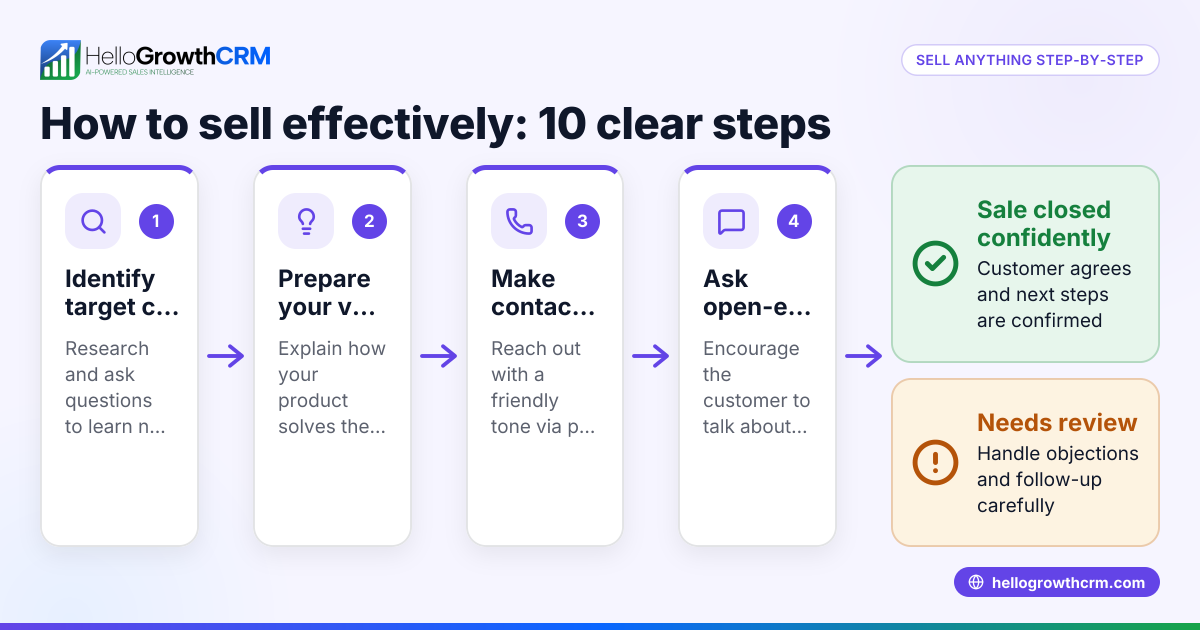
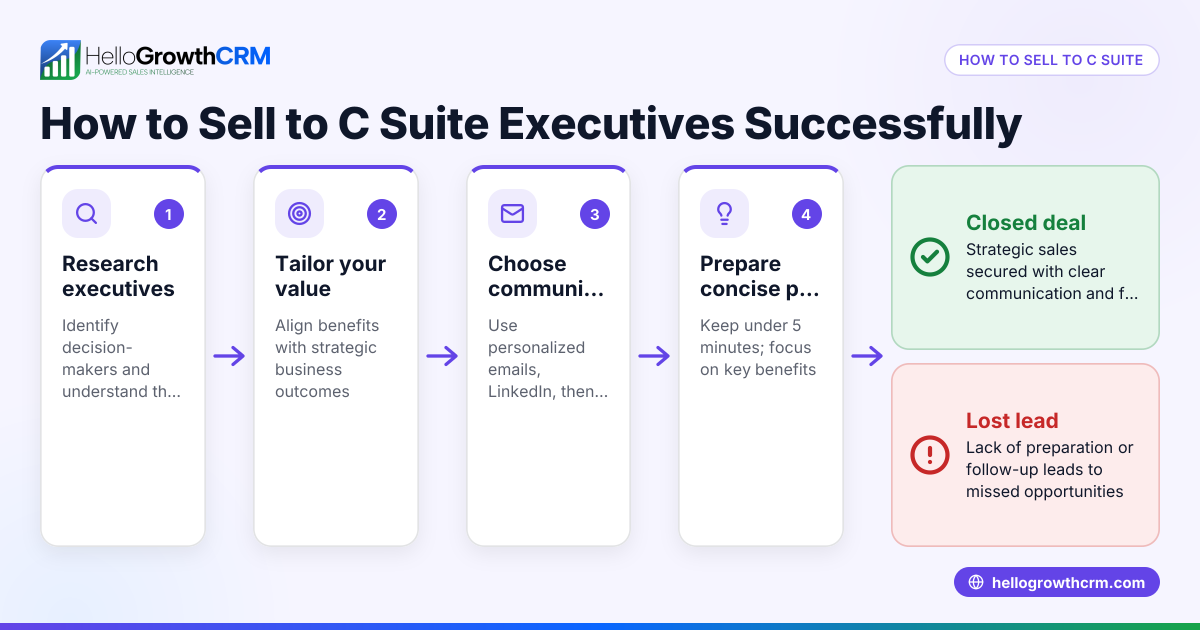
- Research the target company thoroughly. Find out their business needs, pain points, decision-makers, and purchasing process. Check their website, LinkedIn profiles, and news articles. Confirm if they have vendor registration or RFP (Request for Proposal) procedures.
- Identify and connect with key decision-makers. Use LinkedIn or company contacts to find people involved in purchasing or the department your product serves. Personalize your outreach to show you understand their challenges.
- Tailor your value proposition. Customize your pitch to address the specific needs or problems of the big company. Highlight how your solution saves money, improves efficiency, or reduces risk.
- Prepare detailed, professional proposals. Big companies expect clear documentation. Include pricing, implementation plans, references, and compliance details if applicable.
- Follow up persistently but respectfully. Big companies have slow decision cycles. Schedule reminders to check in regularly without being pushy.
- Build relationships and offer ongoing support. Even after a sale, maintain contact to ensure satisfaction and open doors for future business.
- Use tools that help manage complex sales. Consider a WhatsApp and SMS CRM to keep track of conversations and follow-ups efficiently. A built-in CRM dialer can streamline calls to multiple contacts.
Example (fictional figures)
A plumbing company in Austin, Texas, wants to sell commercial maintenance contracts to a large hotel chain.
- Research finds the hotel chain uses a centralized procurement office with a formal RFP process.
- The plumbing company identifies the procurement manager and the hotel facilities director as key contacts.
- They customize a proposal showing how regular maintenance can prevent costly emergency repairs, saving an estimated $50,000 annually.
- Proposal price: $120,000 per year for maintenance services.
- They follow up monthly over 6 months while providing case studies and references.
Calculation example:
Estimated annual savings = $50,000 Proposal price = $120,000 Net benefit = $50,000 - $120,000 = -$70,000 (initially looks negative, so they emphasize risk reduction and long-term benefits)
After negotiation, they offer a phased contract:
Year 1 price = $90,000 Year 2 price = $120,000
This phased approach helps the hotel see value without full upfront cost.
Common mistakes
- Not researching the company’s buying process. Prevent by asking contacts or checking company websites for vendor instructions.
- Using generic sales pitches. Prevent by tailoring your message to their specific needs.
- Ignoring multiple decision-makers. Prevent by mapping stakeholders and engaging them all.
- Giving up too soon during long sales cycles. Prevent by scheduling regular, polite follow-ups.
- Failing to provide professional proposals. Prevent by investing time in clear, detailed documentation.
- Not using tools to track leads and communications. Prevent by adopting a CRM designed for multi-channel outreach like WhatsApp and SMS CRM or a built-in CRM dialer.
Frequently asked questions
How long does it usually take to close a deal with a big company? Sales cycles with big companies can range from several months to over a year, depending on the industry and deal size. Patience and consistent follow-up are essential.
What if I don’t get a response from the decision-maker? Try to find alternative contacts involved in the decision process or use LinkedIn to connect with other relevant employees. Persistence and multiple touchpoints help.
Should I offer discounts to big companies? Discounts can be part of negotiations but focus on demonstrating value first. A phased pricing or pilot project can reduce risk for the buyer.
Can small businesses compete with large vendors? Yes, by emphasizing personalized service, flexibility, and niche expertise that large vendors may lack.
What tools can help manage selling to big companies? A WhatsApp and SMS CRM can organize messages and follow-ups. A built-in CRM dialer helps streamline calls to multiple contacts and keep track of conversations efficiently. See WhatsApp and SMS CRM and built-in CRM dialer for more.
How do I keep track of multiple contacts and stages in the sales process? Using a CRM tailored for complex sales pipelines helps you track leads, tasks, and communications. For US businesses, HelloGrowthCRM for the United States offers features suited to this need.
Key takeaways
- Selling to big companies requires research, tailored proposals, and persistence.
- Identify and engage all relevant decision-makers, not just one contact.
- Prepare professional, detailed proposals that address the company’s specific needs.
- Manage long sales cycles with regular, respectful follow-ups.
- Use CRM tools like WhatsApp and SMS CRM or a built-in CRM dialer to organize communications and tasks.
- Small businesses can compete by offering flexibility and personalized service.
Selling to big companies is a longer, more complex process than typical small sales, but with the right approach, it can bring significant growth. Start by researching your target, mapping decision-makers, and preparing your tailored pitch. Track your progress carefully and follow up consistently.
Start your sales journey with confidence—Start on the Free Forever plan (200 leads, no credit card) to organize your leads and communications efficiently.
Ready to put this into practice?
Set up your pipeline, WhatsApp follow-ups, and AI lead scoring in minutes — free, no credit card.
Try HelloGrowthCRM freeGet CRM tips in your inbox
Join thousands of sales professionals who get weekly insights on CRM strategy, AI automation, and pipeline optimization.

The HelloGrowthCRM team publishes guides on CRM strategy, AI sales tools, and revenue operations for small business sales teams.