HelloGrowthCRM software
Built for real small-business sales teams
HelloGrowthCRM helps reps qualify faster, follow up on time, and close more deals—with practical automation in one place.
- AI lead scoring and pipeline visibility
- Built-in dialer, WhatsApp, and email automation
- Sales forecasting and RevOps-ready reporting
Service operations management is the process of planning, organizing, and supervising the activities that deliver services to customers. It ensures services are efficient, meet quality standards, and satisfy customer needs. This article explains why service operations management matters for small businesses, outlines practical steps to manage it, highlights common mistakes, and shows how HelloGrowthCRM can help streamline your service operations.
Why this comes up / what goes wrong
Small-business owners often face challenges in delivering consistent, timely, and high-quality services. Without clear management of service operations, businesses can lose leads due to slow follow-up, mismanage field visits, or fail to track customer interactions effectively. For example, a small consulting firm might rely on notes and emails to track client requests, leading to missed deadlines and dissatisfied customers. Managing service operations properly helps prevent these issues by organizing workflows, assigning responsibilities, and monitoring performance.
Step-by-step
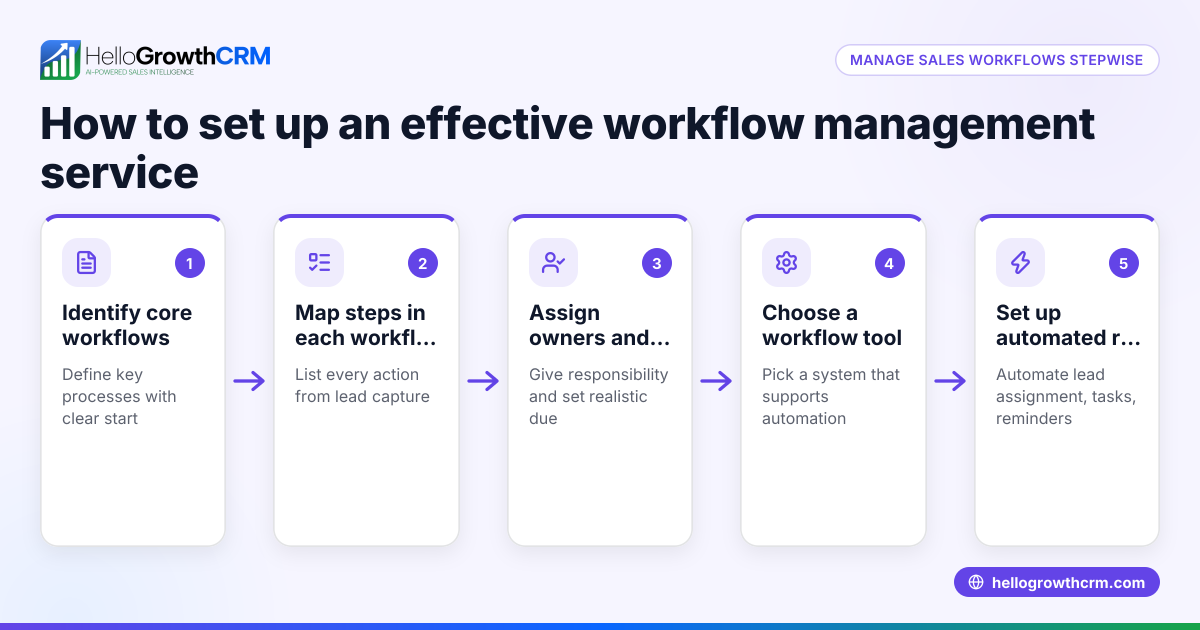
- Define your service process: Write down each step your service delivery involves, from lead capture to final delivery. Check that every task has a clear owner.
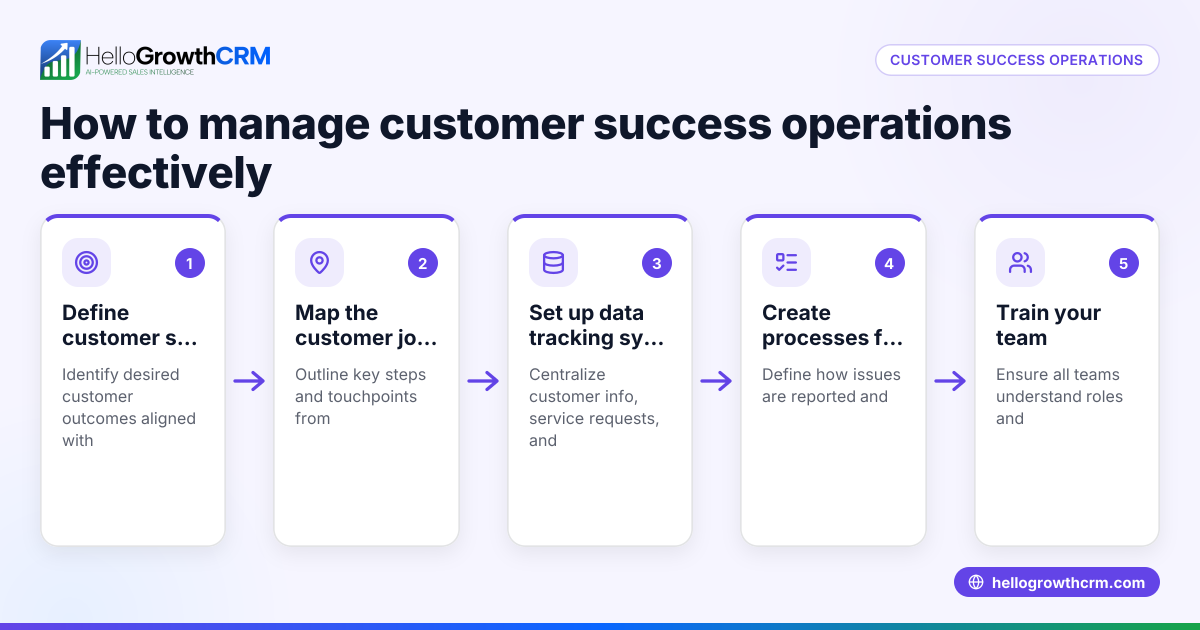
- Set quality standards: Decide what quality means for your service (e.g., response time, accuracy). Check regularly if these standards are met.
- Organize your team roles: Assign roles clearly so everyone knows their responsibilities. Check for any overlap or gaps.
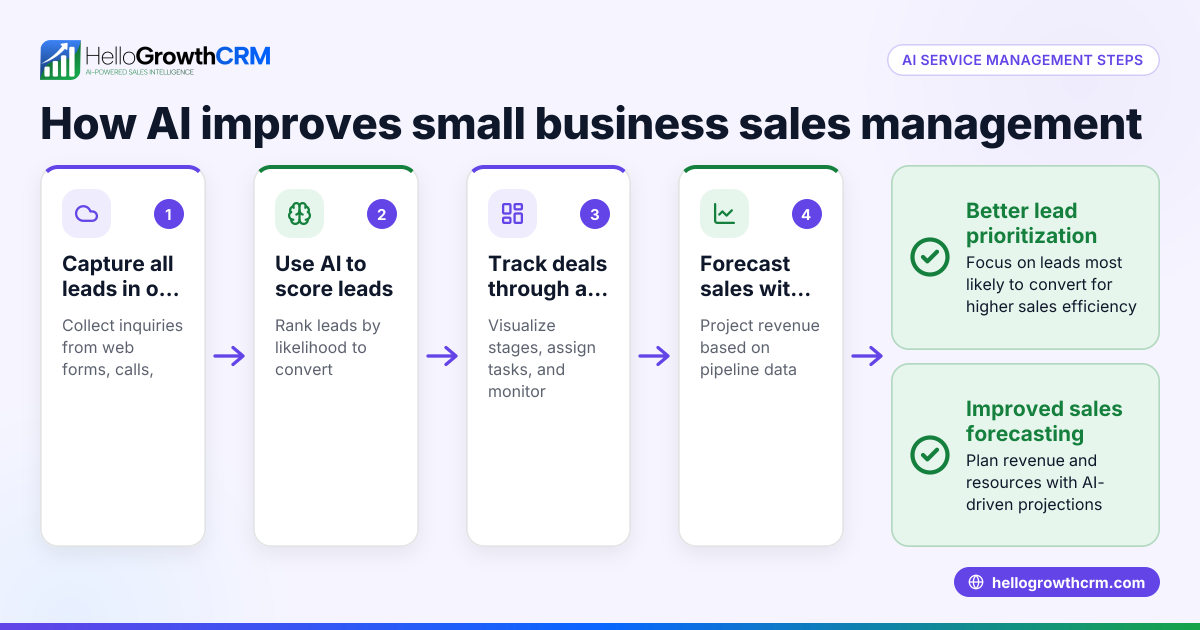
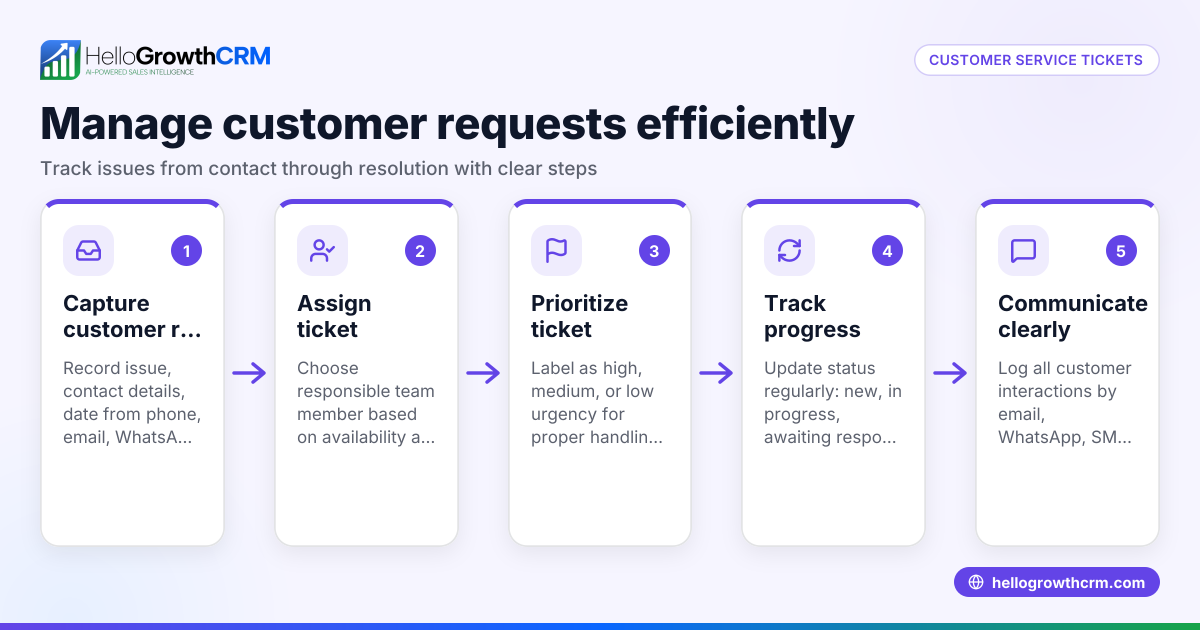
- Implement lead capture and follow-up: Use tools or systems to capture all inquiries from forms, calls, or WhatsApp messages. Check that every lead has an assigned owner and a next step.
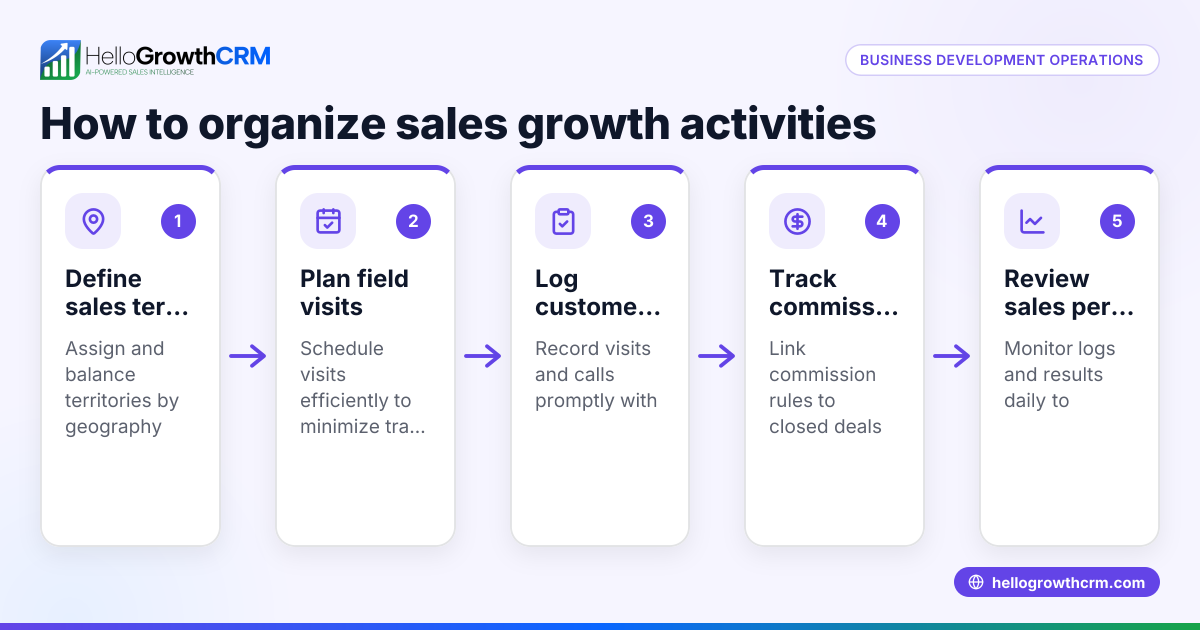
- Manage field operations if applicable: For businesses with field reps, define territories and routes. Ensure reps log visits and activities using mobile tools.
- Track commissions and incentives: If your team earns commissions, link them to sales outcomes to motivate performance.
- Monitor and analyze performance: Regularly review service delivery metrics and customer feedback. Adjust processes as needed.
- Use technology to support operations: Adopt CRM tools that integrate communication channels and automate follow-ups.
For managing leads and field operations, HelloGrowthCRM offers features that help small businesses stay organized and responsive. Learn more about WhatsApp and SMS CRM and the built-in CRM dialer.
Example (fictional figures)
A B2B software reseller in Denver, Colorado, wants to improve its service operations management starting 07/01/2025. The company receives 500 leads monthly from web forms and WhatsApp.
- They define a process where every lead is assigned within 1 business day.
- Using HelloGrowthCRM, each lead is captured automatically with an owner and next step.
- Field reps cover 3 territories logging 20 visits per day.
Calculations:
Leads per month = 500
Average lead follow-up time target = 1 day
Field visits per month = 20 visits/day × 22 working days = 440 visits
Commission per sale = $1,000 (assumed)
If 10% of leads convert to sales: 500 × 10% = 50 sales
Total commission payout = 50 sales × $1,000 = $50,000
By tracking visits and leads with HelloGrowthCRM, the manager can monitor daily activity and commission accurately.
Common mistakes
- Not assigning clear ownership of leads: Leads get lost or ignored. Prevent by assigning every lead an owner and next step in a CRM.
- Failing to track field operations: Without visit logs or territory definitions, reps may be inefficient. Use mobile tools to log visits and plan routes.
- Ignoring follow-up speed: Slow response loses customers. Set and monitor response time targets.
- Overcomplicating processes: Complex workflows confuse staff. Keep service steps clear and simple.
- Not linking commissions to outcomes: Without tracking, incentives fail. Tie commissions to actual sales recorded.
- Relying on scattered notes and spreadsheets: This leads to errors and missed information. Use a CRM to centralize data.
Learn more about organizing leads and field operations with HelloGrowthCRM’s territories and field operations features.
Doing this in HelloGrowthCRM
HelloGrowthCRM helps small and mid-sized businesses manage service operations by capturing every inquiry from forms, calls, or WhatsApp as a lead with an assigned owner and a next step. This replaces the need for notebooks or scattered notes. For businesses with field reps, it provides territory definition and ownership tools, allowing reps to log visits from their phones. Managers can then see the day’s beat, improving oversight and efficiency. These features help keep leads organized and field operations transparent, reducing lost opportunities and improving customer service.
Frequently asked questions
What is the main goal of service operations management? The main goal is to ensure that service delivery is efficient, consistent, and meets customer expectations. This involves organizing workflows, assigning responsibilities, and monitoring performance to improve satisfaction and profitability.
How can small businesses track leads effectively? Small businesses can track leads by using a CRM that captures inquiries automatically from web forms, calls, or messaging apps like WhatsApp. Assigning each lead an owner and next step ensures timely follow-up and reduces lost leads.
Why is managing field operations important? Managing field operations ensures that field reps follow planned routes, log visits, and complete tasks efficiently. This helps managers monitor activity, improve coverage, and link commissions to actual sales outcomes.
What common mistakes should I avoid in service operations? Avoid unclear ownership of leads, slow follow-up, untracked field visits, overcomplicated processes, and relying on scattered notes or spreadsheets. Using a CRM can prevent these mistakes.
How does HelloGrowthCRM support service operations management? HelloGrowthCRM captures every inquiry as a lead with an owner and next step, organizes territories, and allows field reps to log visits from their phones. Managers get real-time visibility into operations, improving efficiency and customer service.
Key takeaways
- Service operations management organizes and supervises service delivery to meet customer needs efficiently.
- Assign clear ownership of leads and next steps to avoid lost opportunities.
- Track field operations with territory management and visit logging to improve coverage and accountability.
- Use technology like HelloGrowthCRM to capture leads automatically and manage field activities.
- Avoid common mistakes like slow follow-up, unclear roles, and reliance on scattered notes.
Start improving your service operations by trying HelloGrowthCRM’s free plan. Start on the Free Forever plan (200 leads, no credit card) to organize your leads and field operations today.
Ready to put this into practice?
Set up your pipeline, WhatsApp follow-ups, and AI lead scoring in minutes — free, no credit card.
Try HelloGrowthCRM freeGet CRM tips in your inbox
Join thousands of sales professionals who get weekly insights on CRM strategy, AI automation, and pipeline optimization.

The HelloGrowthCRM team publishes guides on CRM strategy, AI sales tools, and revenue operations for small business sales teams.