HelloGrowthCRM software
Built for real small-business sales teams
HelloGrowthCRM helps reps qualify faster, follow up on time, and close more deals—with practical automation in one place.
- AI lead scoring and pipeline visibility
- Built-in dialer, WhatsApp, and email automation
- Sales forecasting and RevOps-ready reporting
Survey follow up means contacting respondents after they complete your survey to thank them, clarify answers, or encourage further engagement. It helps increase response quality and builds relationships. This article explains why follow-up is important, gives clear steps to do it right, shows a practical example, highlights common mistakes, and describes how HelloGrowthCRM can support your follow-up process.
Why this comes up / what goes wrong
Small-business owners often run surveys to gather customer feedback, market insights, or lead information. However, many find that simply sending out a survey isn’t enough. Responses may be incomplete, unclear, or lack depth. Without follow up, you miss the chance to improve data quality and to nurture leads or customers. Also, some respondents expect acknowledgment or next steps after completing a survey. Without a timely follow-up, you risk losing goodwill or potential sales opportunities.
For example, a local retail shop might send a survey about customer satisfaction but never respond to comments or questions. This can leave customers feeling ignored and reduce future engagement. Follow-up also helps clarify ambiguous answers, making your data more useful for decision-making.
Step-by-step
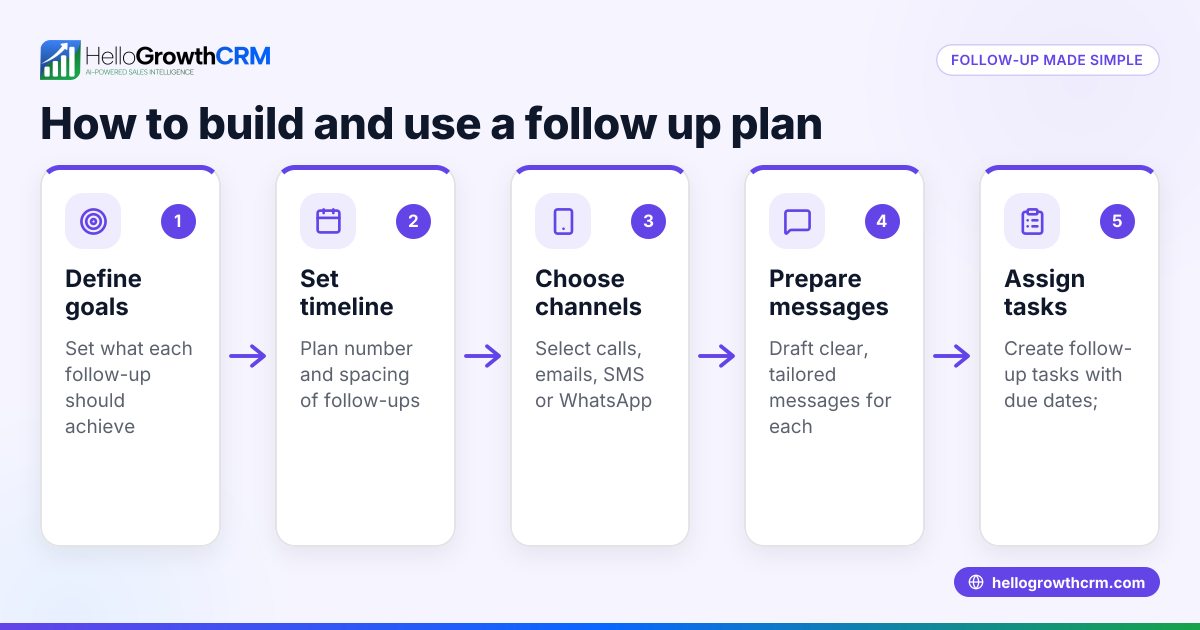
- Plan your follow-up goals. Decide if you want to thank respondents, clarify answers, offer incentives, or convert leads. Clear goals shape your message and timing.
- Segment your respondents. Group them by response type, interest level, or demographics to tailor your follow-up message. Personalized messages get better responses.
- Prepare your follow-up messages. Keep them clear, concise, and relevant. Include a thank you and any next steps or offers. Avoid jargon or long texts.
- Choose your follow-up channels. Email, SMS, WhatsApp, or phone calls work well depending on your audience. Consider what your customers prefer and what fits your resources.
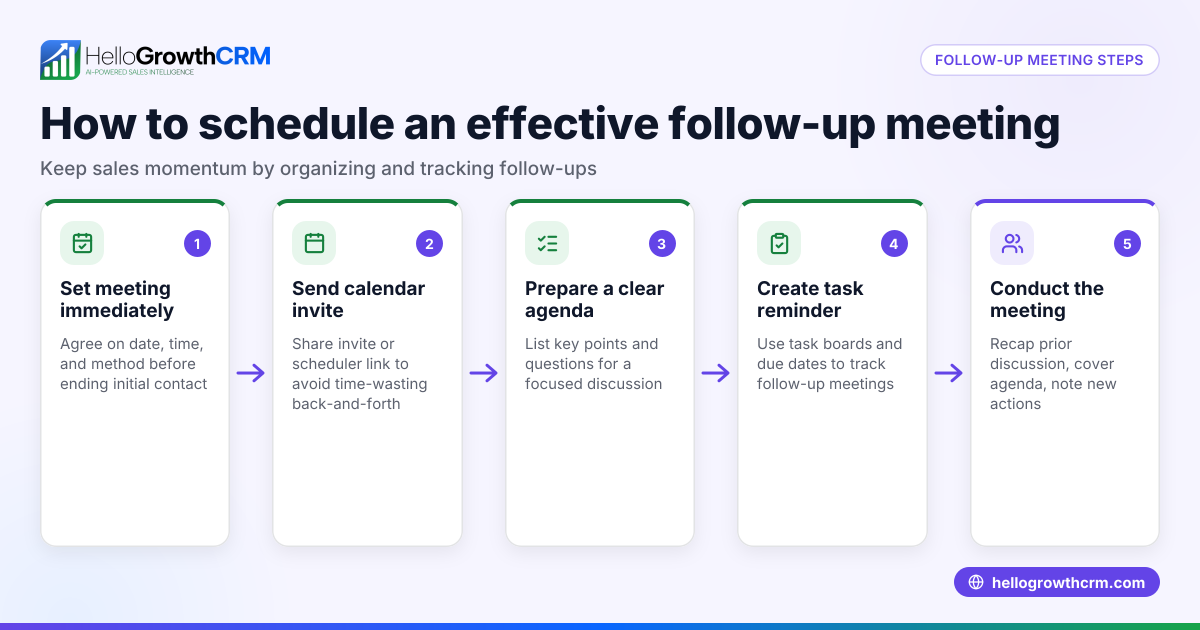
- Schedule follow-ups promptly. Ideally within a few days after survey completion to keep engagement high. Delayed follow-up may reduce response rates.
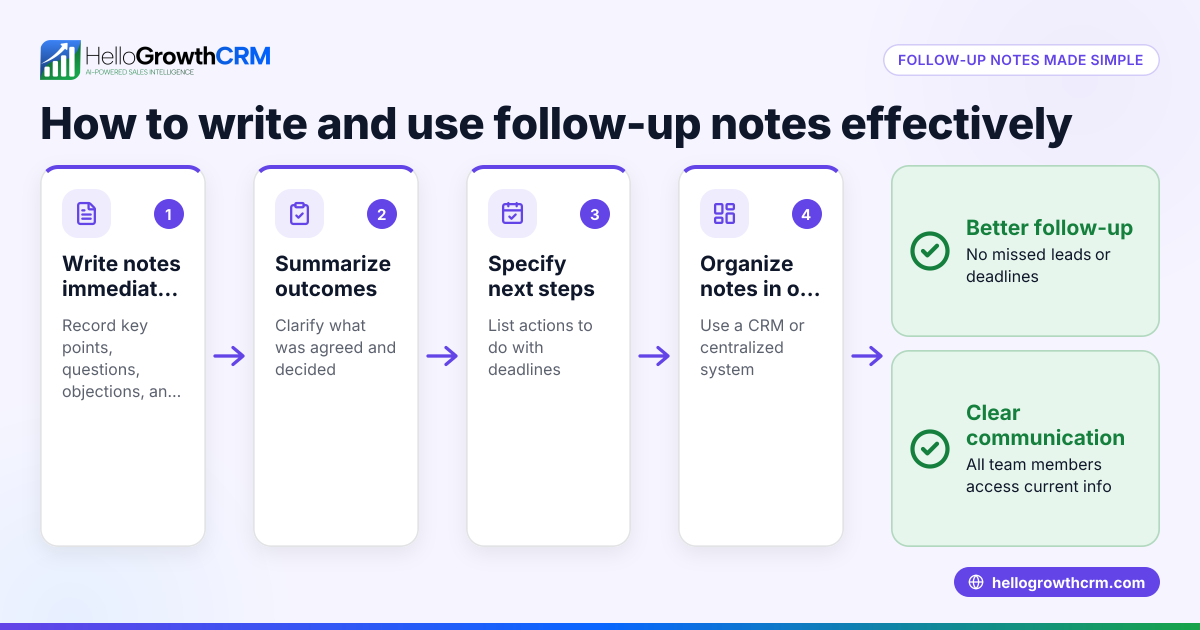
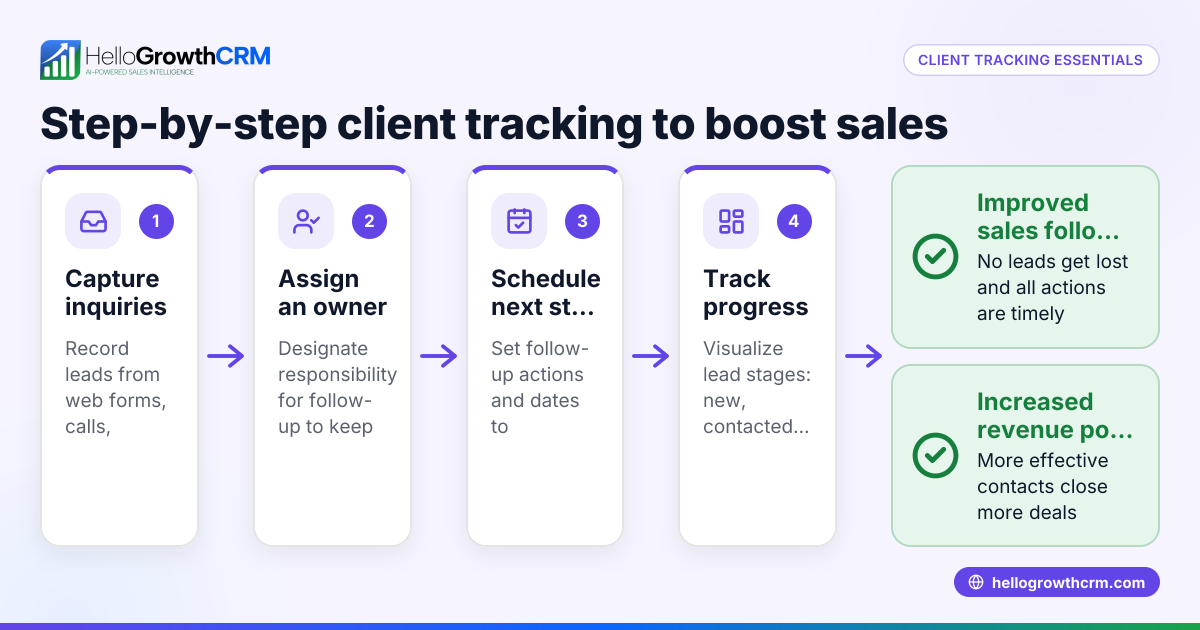
- Track follow-up tasks and responses. Use a system to assign follow-up tasks with due dates and monitor who has replied. This prevents missed contacts and confusion.
- Adjust your approach based on feedback. If many respondents don’t reply, try different messages or channels. Learning from results improves future follow-ups.
Using tools like sales task boards can help organize and prioritize follow-up activities efficiently, making sure every contact is timely and tracked.
Example (fictional figures)
A residential real-estate team in Phoenix, Arizona, runs a customer satisfaction survey on 04/01/2024. They receive 150 responses and want to follow up with 40 respondents who indicated interest in new listings.
- Cost per follow-up call: $15
- Number of follow-up calls planned: 40
- Total follow-up cost = $15 × 40 = $600
They also send a 3-message email sequence over two weeks to 110 other respondents who gave general feedback.
- Email service cost per message: $0.10
- Number of messages: 3
- Number of recipients: 110
- Total email cost = $0.10 × 3 × 110 = $33
Total follow-up cost = $600 + $33 = $633
This planned follow-up helps the team convert interested respondents into leads and maintain good relationships with other customers. It also shows how budgeting for follow-up activities supports better business outcomes.
Common mistakes
- Delaying follow-up too long. Prevent by scheduling tasks immediately after survey completion. Use reminders or task boards to keep follow-up on time.
- Sending generic messages to all respondents. Prevent by segmenting your list and tailoring messages. Personalization increases engagement and response quality.
- Failing to track follow-up status. Prevent by using a task board or CRM to assign and monitor follow-ups. This avoids lost leads and confusion.
- Overloading respondents with too many messages. Prevent by limiting follow-up sequences and stopping when the respondent replies. Respect their time to avoid annoyance.
- Ignoring responses or failing to act on feedback. Prevent by reviewing replies promptly and updating your approach. Showing you listen builds trust.
- Not choosing the right communication channel. Prevent by understanding your audience’s preferences. Some prefer WhatsApp or phone calls over email.
Using email automation and sequences can help manage message timing and prevent overload by automating multi-step workflows that stop when a reply arrives.
Doing this in HelloGrowthCRM
HelloGrowthCRM supports survey follow-up with features that keep your team on track. Each follow-up becomes a task with a due date in the activities and task boards, so no calls or messages are forgotten. You can set up a five-step follow-up sequence over two weeks that runs automatically and stops as soon as the prospect replies, using sequences and campaigns. Additionally, an AI agent drafts follow-up messages after calls, so reps only review and send, saving time and ensuring consistency. These tools help small businesses maintain timely, personalized follow-ups without overwhelm.
Frequently asked questions
How soon should I do a survey follow up? Ideally, follow up within a few days after the respondent completes the survey to keep engagement fresh and show appreciation. Prompt follow-up increases the chance of meaningful interaction.
What channels work best for survey follow up? Email and SMS are common, but WhatsApp and phone calls can be more personal depending on your audience and business. Choose channels your customers use and trust.
How many follow-up messages are appropriate? A sequence of several messages over a short period is common; stop the sequence immediately once the respondent replies to avoid spamming and respect their time.
Should I personalize follow-up messages? Yes, segment respondents and tailor messages to their answers or interests to improve response rates and goodwill. Generic messages often get ignored.
How can I keep track of follow-ups? Use a CRM or task board system to assign follow-up tasks with due dates and track responses, avoiding missed contacts. This keeps your team coordinated.
Can I automate survey follow-up? Yes, automation tools like HelloGrowthCRM’s sequences and AI agents can send timed messages and draft replies, reducing manual work and ensuring consistency.
Key takeaways
- Survey follow up means timely contacting respondents to thank, clarify, or engage further.
- Plan your goals, segment respondents, and tailor your messages for better results.
- Use multiple channels and schedule follow-ups promptly to maintain engagement.
- Track tasks and responses to avoid missed opportunities and confusion.
- Avoid common mistakes like delays, generic messages, over-contacting, and ignoring replies.
- HelloGrowthCRM offers task boards, automated sequences, and AI drafting to streamline follow-up and save time.
Start your survey follow-up process today with tools that help you stay organized and responsive. Start on the Free Forever plan (200 leads, no credit card) to manage your follow-ups efficiently.
Ready to put this into practice?
Set up your pipeline, WhatsApp follow-ups, and AI lead scoring in minutes — free, no credit card.
Try HelloGrowthCRM freeGet CRM tips in your inbox
Join thousands of sales professionals who get weekly insights on CRM strategy, AI automation, and pipeline optimization.

The HelloGrowthCRM team publishes guides on CRM strategy, AI sales tools, and revenue operations for small business sales teams.