HelloGrowthCRM software
Built for real small-business sales teams
HelloGrowthCRM helps reps qualify faster, follow up on time, and close more deals—with practical automation in one place.
- AI lead scoring and pipeline visibility
- Built-in dialer, WhatsApp, and email automation
- Sales forecasting and RevOps-ready reporting
Business performance reporting means regularly gathering and reviewing key data about your business to see how well it is doing. It helps you track progress toward goals, spot problems early, and make smart decisions based on facts instead of guesswork. For small business owners, this can mean the difference between steady growth and missed opportunities.
Why this comes up / what goes wrong
Many small business owners rely on gut feeling or scattered information from emails, spreadsheets, and text messages to understand their business health. This approach often leads to confusion and missed signals because data is incomplete or outdated. Without clear performance reports, you might not notice falling sales, rising costs, or slow customer response times until it’s too late. This can cause lost revenue, wasted effort, and frustration.
Regular business performance reporting provides a structured way to collect the right data, analyze it, and share insights with your team. It keeps everyone focused on what matters and helps you act quickly when something needs attention.
Step-by-step
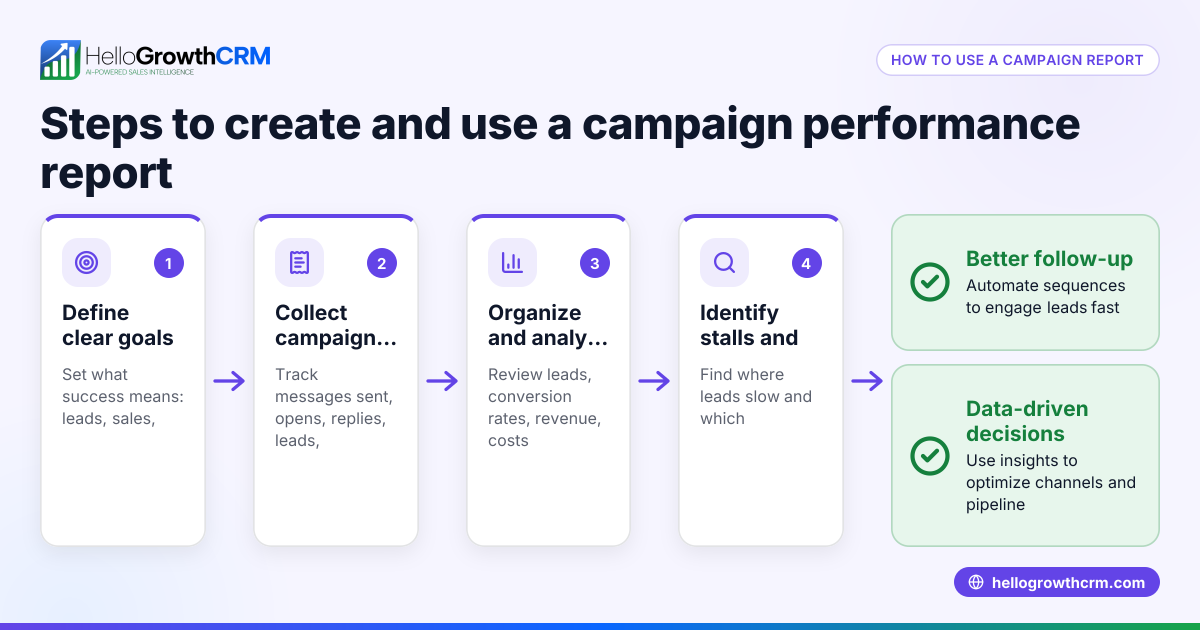
- Identify your key performance indicators (KPIs): Choose a few important metrics that reflect your business goals. For example, revenue, profit margin, customer acquisition rate, or average sale value. Make sure these KPIs relate directly to what you want to improve.
- Gather accurate data: Collect data from reliable sources like your accounting software, sales records, or customer lists. Check for errors or duplicates to keep your data clean.
- Decide how often to report: Pick a reporting schedule that fits your business speed and decision-making needs. Many small businesses use monthly or quarterly reports, but weekly reports may work for fast-paced sales teams.
- Organize the data clearly: Use spreadsheets, charts, or dashboards to summarize your KPIs. Show comparisons to previous periods or targets to highlight trends.
- Analyze the results: Look for patterns like growth, decline, or unusual changes. Ask why these trends are happening and what you can do about them.
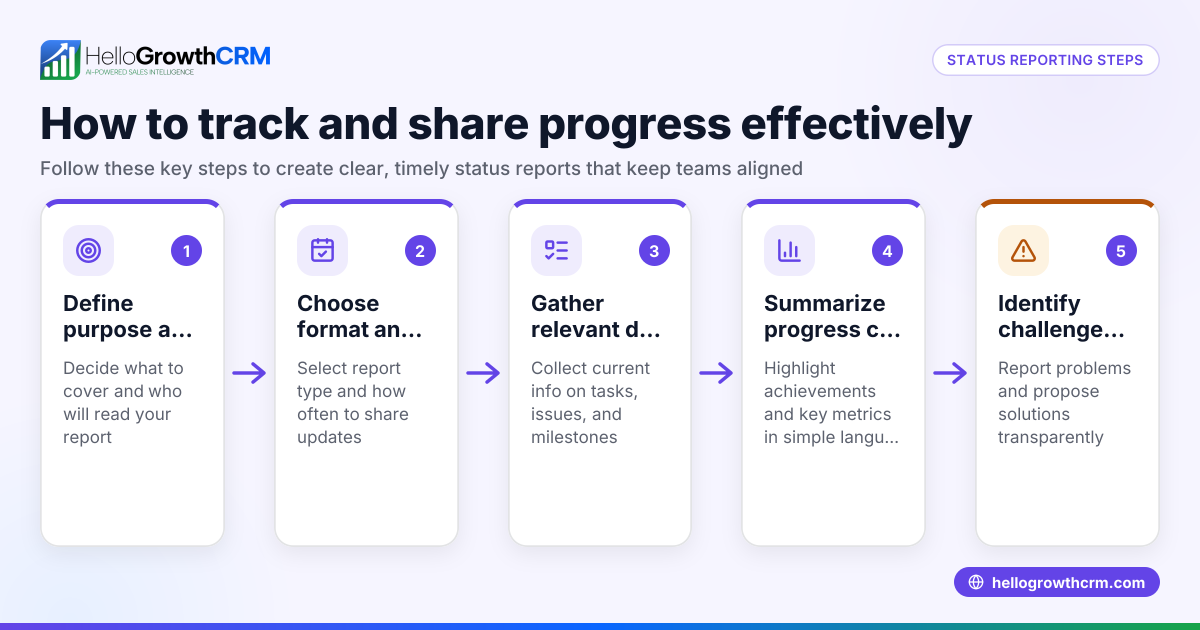
- Share the report with your team: Communicate key findings and assign tasks to address issues or opportunities. Regular team discussions help keep everyone aligned.
- Review and improve your reporting: Periodically update your KPIs and reporting methods to make sure they stay relevant as your business changes.
Example (fictional figures)
Consider a residential real-estate team in Phoenix, Arizona, reviewing their sales for 04/2026.
- Total sales revenue in 04/2026: $1,200,000
- Properties sold: 15
- Average commission per property: $48,000
Calculate total commissions:
$48,000 × 15 = $720,000
Compare to previous month 03/2026 sales revenue: $1,000,000
$1,200,000 - $1,000,000 = $200,000 increase
Calculate percentage growth:
$200,000 ÷ $1,000,000 = 0.20 = 20% growth
This report shows a 20% increase in sales revenue and $720,000 earned in commissions, indicating strong performance. The team can decide to increase marketing efforts to sustain this growth.
Common mistakes
- Tracking too many metrics: Focusing on too many numbers can be overwhelming. Prevent this by choosing only the KPIs that truly impact your business goals.
- Using inaccurate or outdated data: Errors and old information can mislead your decisions. Double-check your data sources regularly.
- Ignoring context in analysis: External factors like seasonal trends or market changes affect results. Consider these to avoid wrong conclusions.
- Not sharing reports with your team: If your team doesn’t see the data, they can’t help improve. Share reports regularly to keep everyone informed.
- Failing to update KPIs: Business priorities change over time. Review your KPIs periodically to keep them relevant.
- Relying only on manual processes: Spreadsheets and emails can cause delays and mistakes. Consider tools designed for sales and customer communication like HelloGrowthCRM’s WhatsApp and SMS CRM or the built-in CRM dialer to streamline data collection and follow-up.
Frequently asked questions
What is the difference between business performance reporting and financial reporting? Business performance reporting looks at a wide range of metrics including sales, customer activity, and operations, while financial reporting focuses mainly on financial statements like income, expenses, and cash flow.
How often should I create business performance reports? The frequency depends on your business needs. Many small businesses benefit from monthly reports to track progress and quarterly reports for strategic planning. Weekly reports may be useful for fast-moving sales teams.
What tools can help with business performance reporting? Spreadsheets are common, but CRM systems like HelloGrowthCRM offer integrated solutions for capturing leads, tracking sales activities, and automating follow-up. See more on HelloGrowthCRM for the United States.
Can performance reporting help improve sales follow-up? Yes, tracking lead response times and sales activities helps identify bottlenecks. Using tools with built-in communication features like HelloGrowthCRM’s WhatsApp and SMS CRM can speed up follow-up and reduce lost leads.
What should I do if my reports show poor performance? Analyze causes such as market changes, team capacity, or processes. Set action plans, assign responsibilities, and monitor improvements in future reports.
Key takeaways
- Business performance reporting means regularly collecting and analyzing key metrics to measure progress.
- Focus on relevant KPIs aligned with your business goals and keep data accurate.
- Use clear reports with comparisons to spot trends and make informed decisions.
- Avoid common mistakes like tracking too many metrics or ignoring data accuracy.
- Sharing reports and updating KPIs keeps your team aligned and responsive.
- Consider tools like HelloGrowthCRM to streamline sales tracking and communication.
Start on the Free Forever plan (200 leads, no credit card) at HelloGrowthCRM to organize your sales data and improve your business performance reporting.
Ready to put this into practice?
Set up your pipeline, WhatsApp follow-ups, and AI lead scoring in minutes — free, no credit card.
Try HelloGrowthCRM freeGet CRM tips in your inbox
Join thousands of sales professionals who get weekly insights on CRM strategy, AI automation, and pipeline optimization.

The HelloGrowthCRM team publishes guides on CRM strategy, AI sales tools, and revenue operations for small business sales teams.