HelloGrowthCRM software
Built for real small-business sales teams
HelloGrowthCRM helps reps qualify faster, follow up on time, and close more deals—with practical automation in one place.
- AI lead scoring and pipeline visibility
- Built-in dialer, WhatsApp, and email automation
- Sales forecasting and RevOps-ready reporting
A business prospect list is a focused group of potential buyers or clients that your business aims to convert into customers. It is not just a random list of contacts but a curated set of leads who match your ideal customer profile. Using a prospect list helps you target your sales efforts, avoid wasting time on unqualified leads, and improve your chances of closing deals.
Why this comes up / what goes wrong
Small business owners often struggle with managing leads scattered across emails, spreadsheets, text messages, and phone calls. Without a clear prospect list, sales efforts become reactive and disorganized, causing slow follow-up and lost opportunities. Many rely on informal notes or generic contact lists, which lack prioritization and lead qualification. This makes it harder to track progress, forecast sales, or measure outreach effectiveness.
Creating a business prospect list addresses these issues by organizing potential customers in one place, helping sales teams focus on the right leads at the right time.
Step-by-step
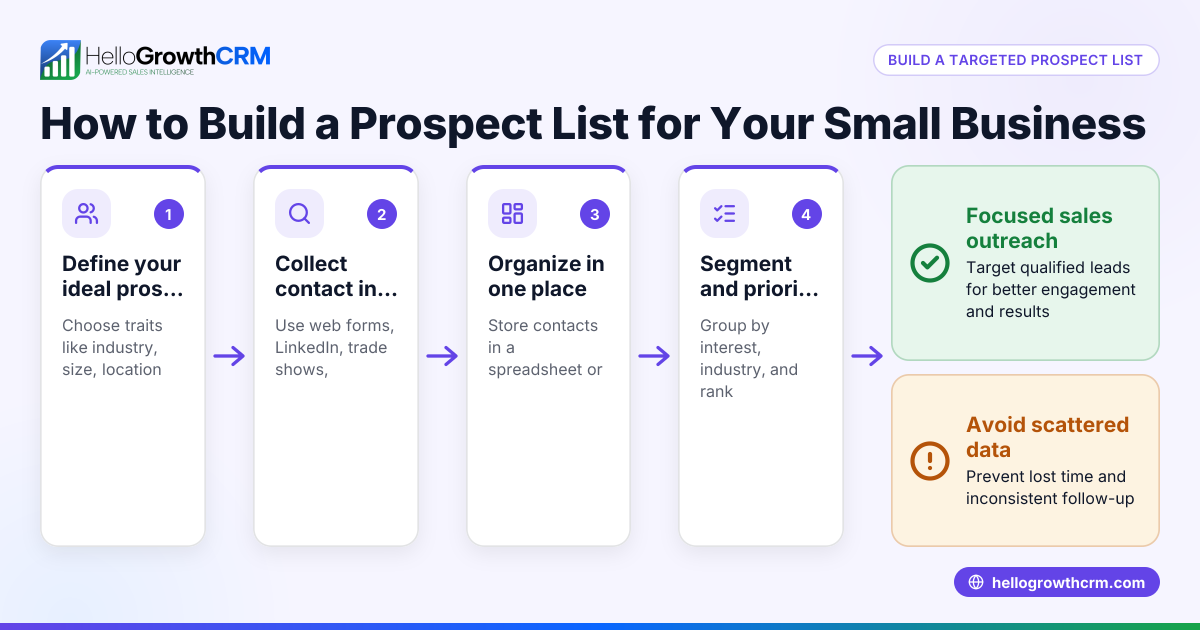
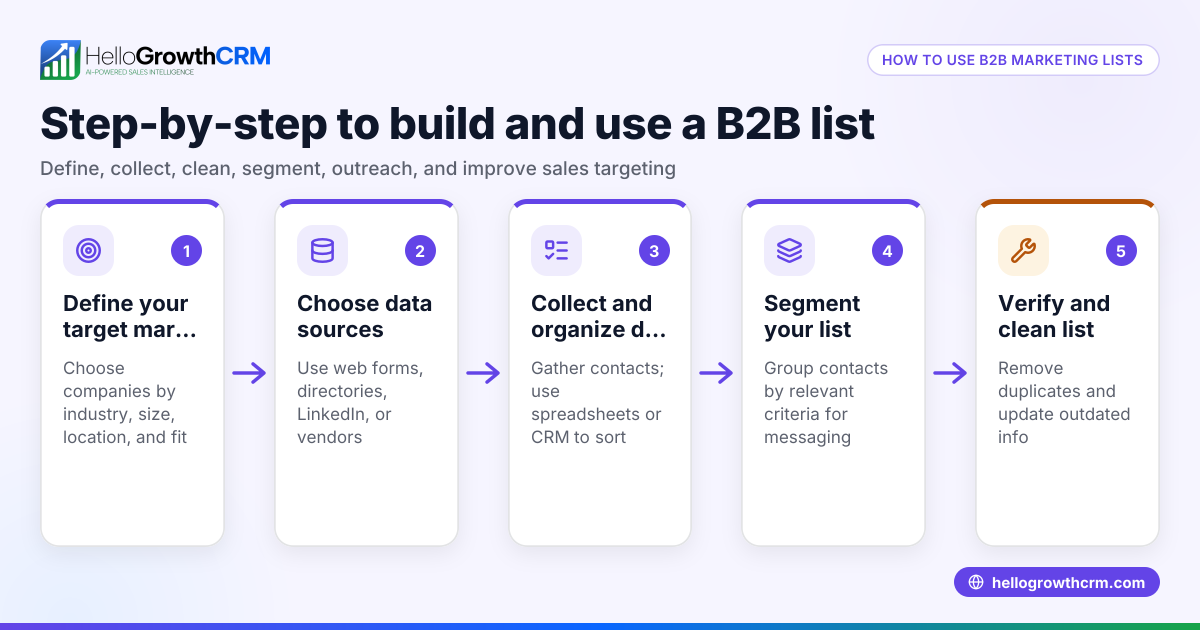
- Define your ideal customer profile (ICP).
- Identify key characteristics such as industry, company size, location, and budget.
- Check that these traits align with your product or service benefits.
- Collect lead information.
- Gather business names, contact names, phone numbers, email addresses, and social media handles.
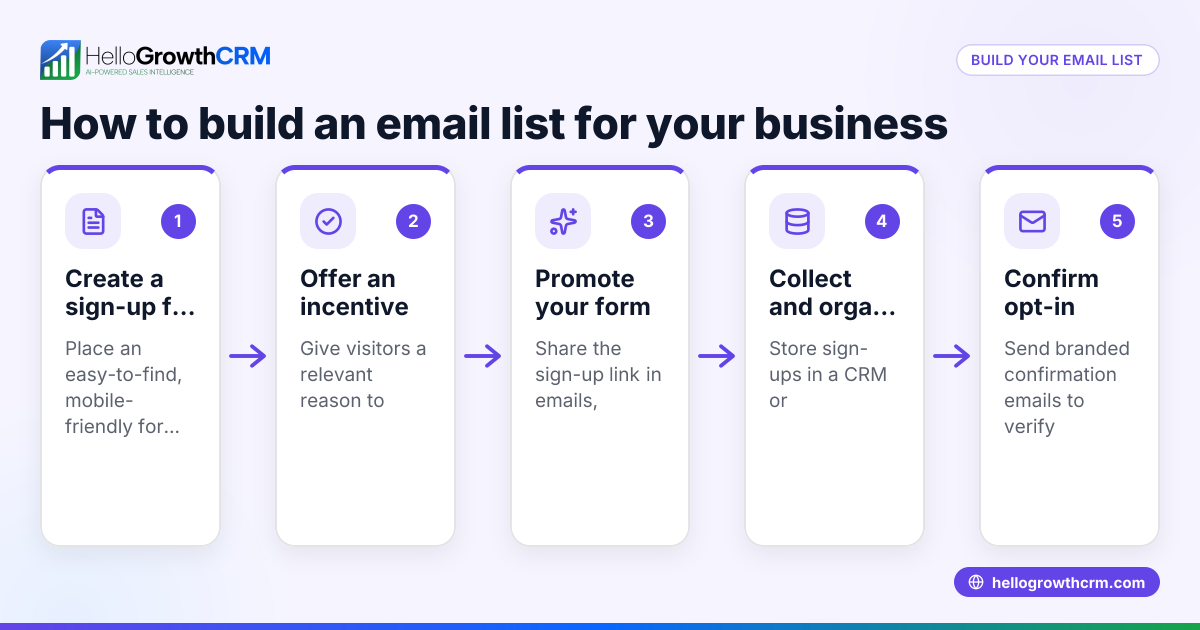
- Use web forms, networking events, referrals, and online directories.
- Verify and qualify leads.
- Confirm contact details are accurate.
- Assess if the lead fits your ICP and has a potential need for your offering.
- Organize the list in a manageable format.
- Use a spreadsheet or CRM software to track lead status, last contact date, and next steps.
- Include columns for notes and priority ranking.
- Prioritize leads using criteria such as interest level, budget, and decision timeline.
- Rank leads to focus outreach on high-potential prospects first.
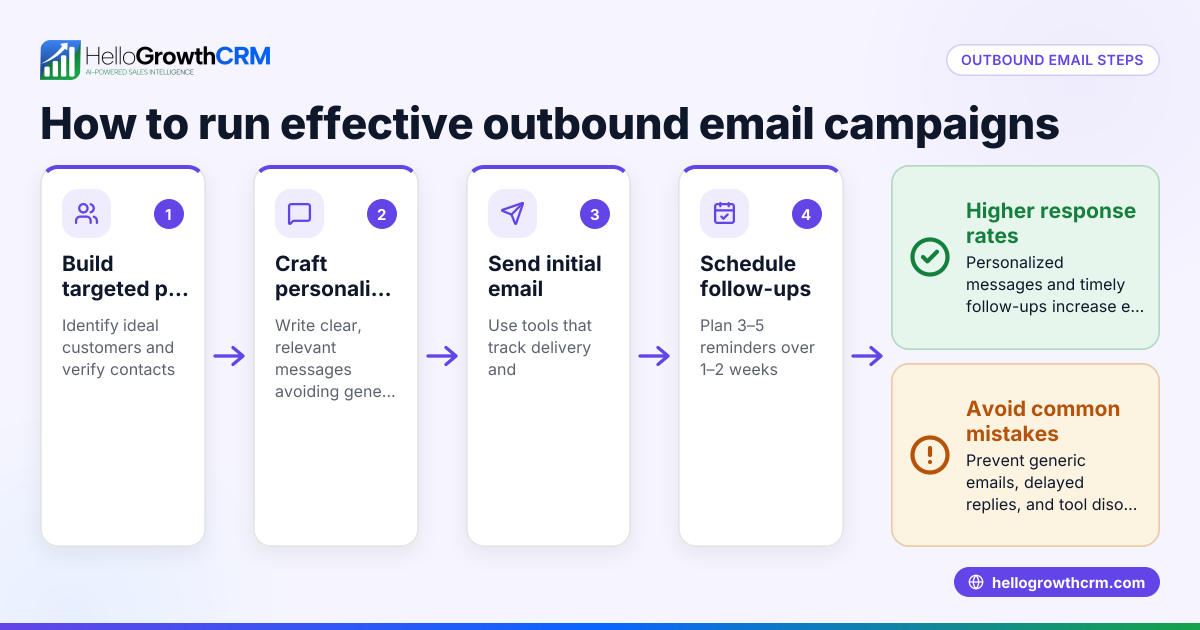
- Plan and schedule follow-up activities.
- Set reminders for calls, emails, or messages.
- Use sequences or templates for consistent communication.
- Review and update the list regularly.
- Remove unresponsive or disqualified leads.
- Add new prospects as they come in.
For managing and automating outreach, consider tools like a WhatsApp and SMS CRM or a built-in CRM dialer to streamline communication and follow-ups effectively.
Example (fictional figures)
Imagine a landscaping contractor in Charlotte, North Carolina, who wants to build a prospect list for commercial property maintenance.
- Define ICP: Commercial properties with at least 10,000 sq. ft., located within 50 miles of Charlotte.
- Collect leads: Gather 100 business contacts from local chambers of commerce and online directories.
- Verify and qualify: Confirm phone numbers and check if properties have landscaping needs.
- Organize in a spreadsheet with columns: Business Name, Contact, Phone, Email, Priority, Last Contact, Notes.
- Prioritize: Rank 30 businesses as high priority based on property size and recent landscaping work.
- Plan follow-up: Schedule calls over the next 2 weeks, using email templates for initial outreach.
This structured list helps the contractor focus on the most promising prospects and track progress clearly.
Common mistakes
- Mixing unqualified contacts with prospects. Prevent this by defining your ideal customer profile clearly before adding leads.
- Failing to keep the list updated. Set a regular schedule to review and clean your list to avoid chasing dead leads.
- Using multiple disconnected tools. Consolidate lead data in one place, such as a CRM, to improve visibility and coordination.
- Not prioritizing leads. Rank prospects to focus time on those most likely to convert.
- Ignoring follow-up schedules. Use reminders or CRM task boards to ensure timely outreach.
Using a CRM with features like a built-in CRM dialer or WhatsApp and SMS CRM can help avoid these mistakes by centralizing communication and task management.
Frequently asked questions
What is the difference between a prospect list and a lead list? A prospect list is more refined, containing potential customers who fit your ideal profile and show some interest. A lead list may be broader and less qualified, including anyone who has shown any contact with your business.
How often should I update my business prospect list? Update your prospect list regularly, ideally weekly or monthly, to remove unresponsive contacts, add new prospects, and adjust priorities based on interactions.
Can I use social media to build my prospect list? Yes, social media platforms like LinkedIn can help identify and connect with potential prospects fitting your ideal customer profile.
Is it better to manage a prospect list in a spreadsheet or CRM? Spreadsheets work for very small lists, but as your business grows, using a CRM with features like lead capture and task boards improves organization and follow-up efficiency. See HelloGrowthCRM for the United States for example tools.
How do I prioritize leads on my prospect list? Prioritize based on factors like budget, decision-making timeline, expressed interest, and fit with your product. Assign ranks or categories to focus outreach effectively.
Key takeaways
- A business prospect list is a curated set of potential customers matching your ideal profile.
- Defining your ideal customer and qualifying leads are critical first steps.
- Organize and regularly update your list to maintain focus and efficiency.
- Prioritize leads to allocate sales effort where it counts.
- Use tools like a CRM with WhatsApp and SMS CRM or a built-in CRM dialer to streamline communication and follow-up.
Start on the Free Forever plan (200 leads, no credit card) at HelloGrowthCRM to organize your prospect list and sales outreach efficiently.
Ready to put this into practice?
Set up your pipeline, WhatsApp follow-ups, and AI lead scoring in minutes — free, no credit card.
Try HelloGrowthCRM freeGet CRM tips in your inbox
Join thousands of sales professionals who get weekly insights on CRM strategy, AI automation, and pipeline optimization.

The HelloGrowthCRM team publishes guides on CRM strategy, AI sales tools, and revenue operations for small business sales teams.