HelloGrowthCRM software
Built for real small-business sales teams
HelloGrowthCRM helps reps qualify faster, follow up on time, and close more deals—with practical automation in one place.
- AI lead scoring and pipeline visibility
- Built-in dialer, WhatsApp, and email automation
- Sales forecasting and RevOps-ready reporting
Outbound email means sending emails to potential customers or leads who have not yet contacted your business. This is a key sales tactic for small businesses that want to grow by reaching out directly rather than waiting for inbound inquiries. Outbound email campaigns can introduce your products or services, follow up on leads, or nurture prospects until they respond.
Why this comes up / what goes wrong
Small-business owners often turn to outbound email when they need to fill their sales pipeline but find that relying on inbound leads alone is too slow or inconsistent. Without outbound efforts, a business may struggle to generate enough qualified leads. However, outbound email can be challenging because it requires crafting messages that get attention without seeming spammy. Without a clear process, emails may go unanswered or be ignored. Managing responses and follow-ups manually can create delays that lose potential sales. Also, using multiple tools for email outreach and tracking can cause confusion and missed opportunities.
Step-by-step
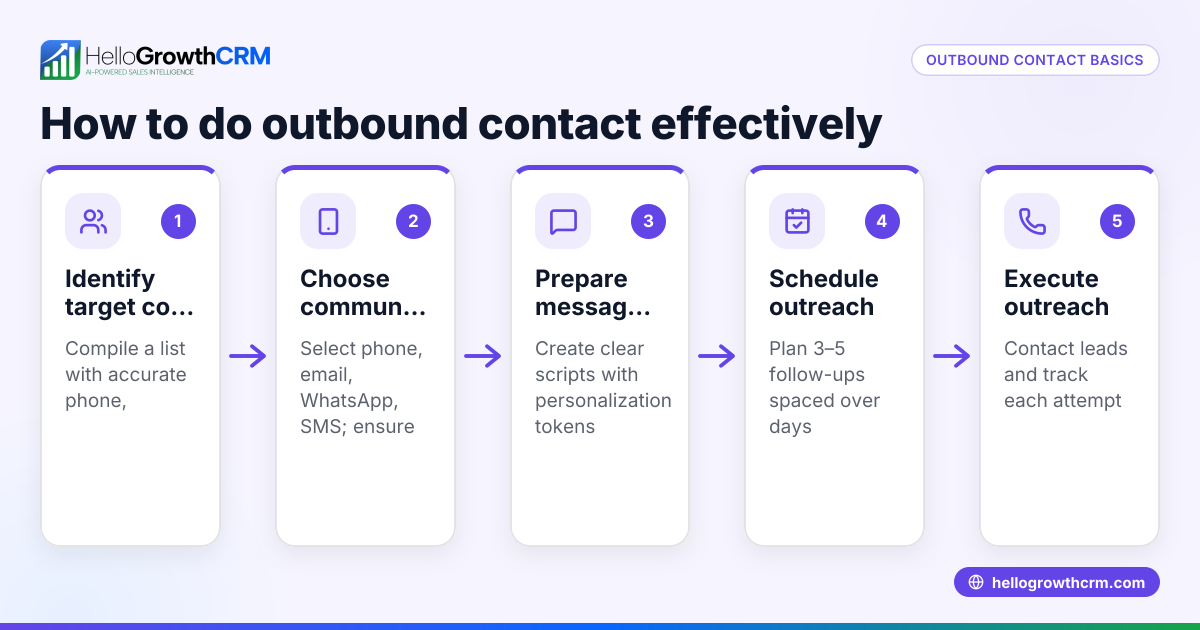
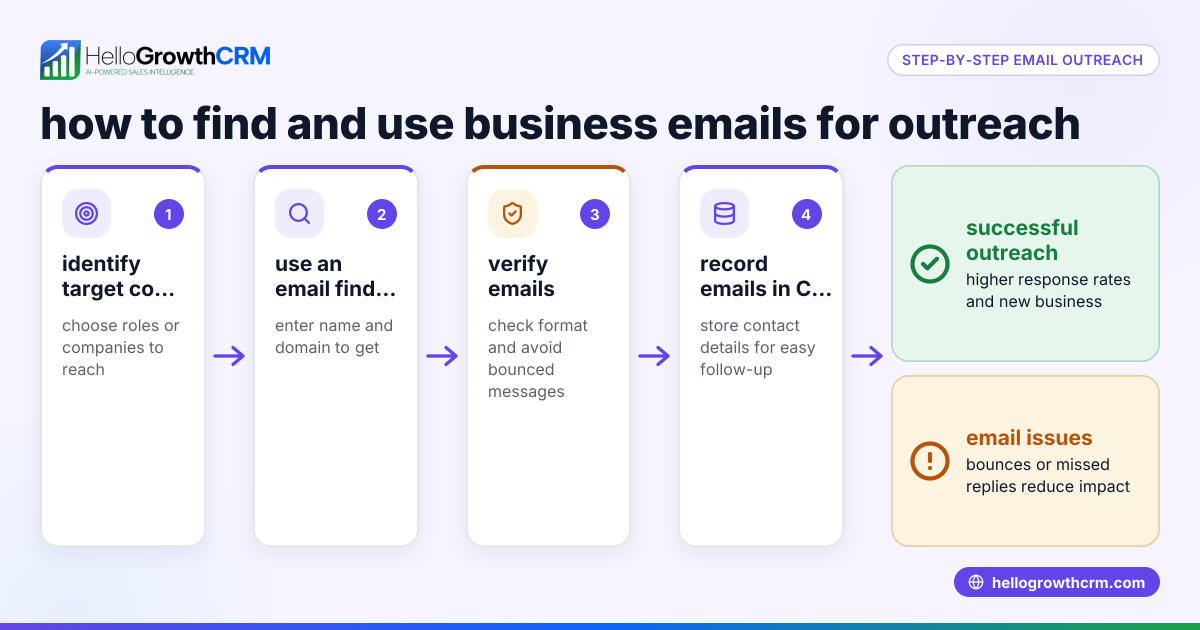
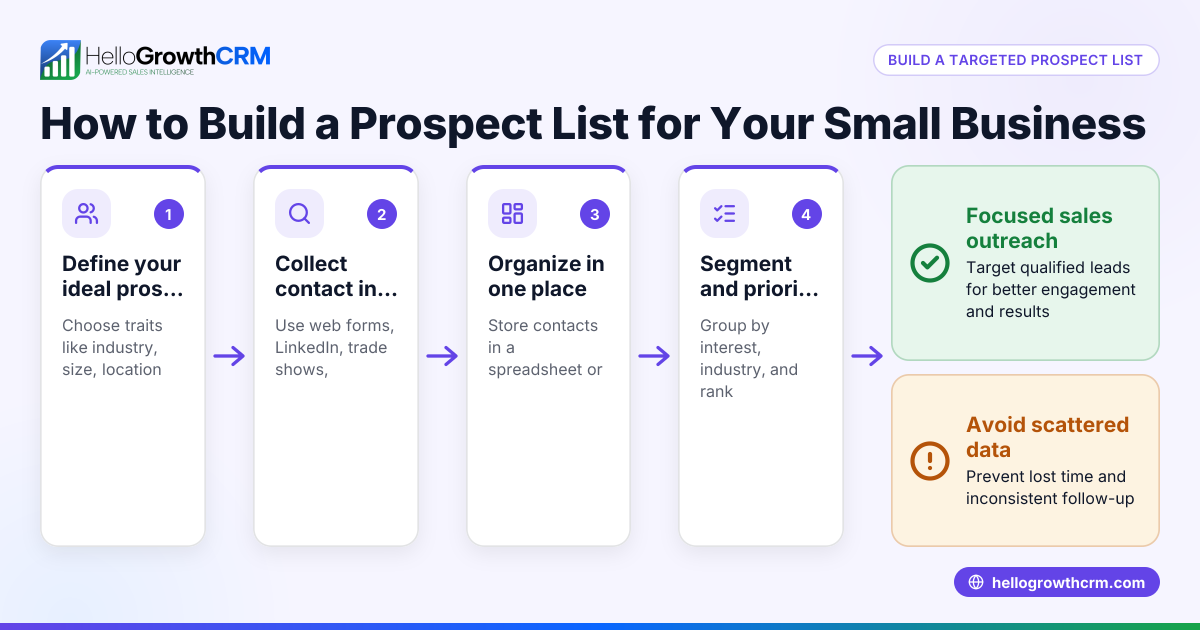
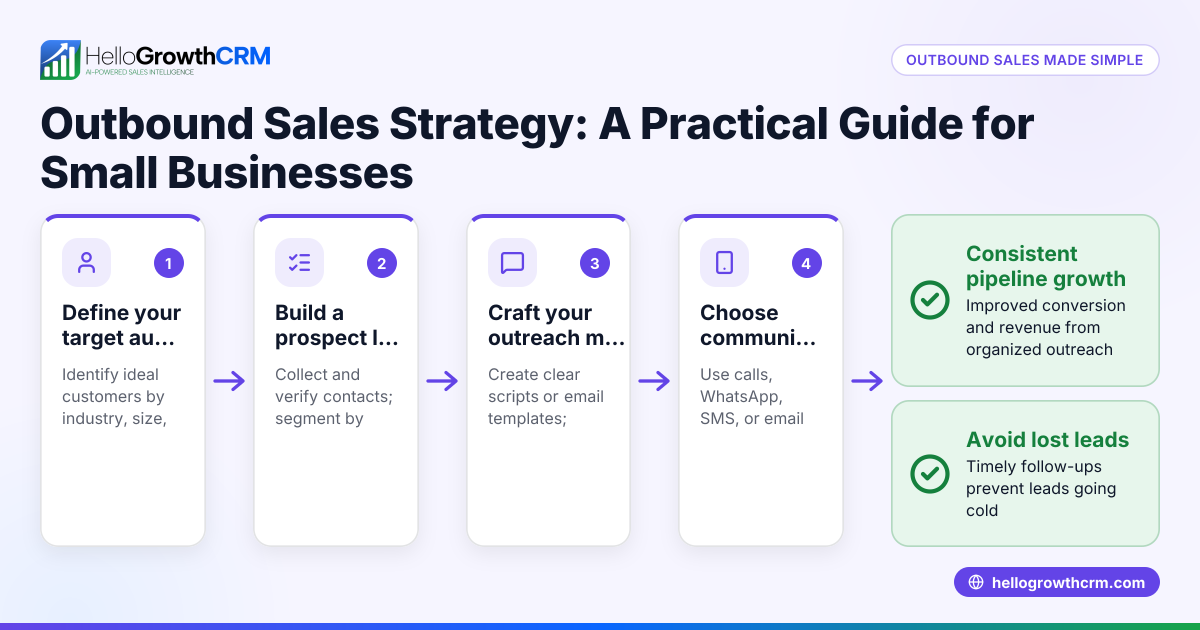
- Build a targeted prospect list. Identify businesses or individuals who fit your ideal customer profile. Verify their contact details carefully to avoid bounce-backs and wasted effort.
- Craft a clear, personalized email. Write a concise message that states why you’re reaching out and how you can help. Avoid generic sales pitches and focus on relevance to the prospect.
- Send the initial outbound email. Use an email tool that tracks delivery and opens so you can monitor engagement and adjust your approach.
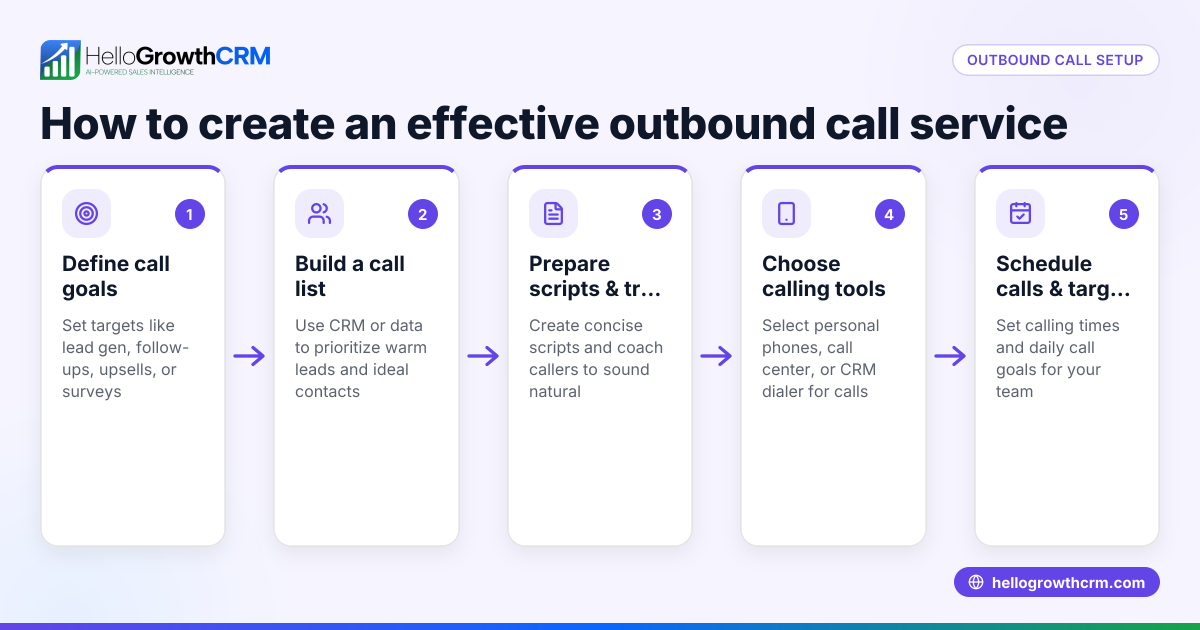
- Schedule follow-up emails. Plan a sequence of 3 to 5 follow-ups spaced over 1 to 2 weeks to gently remind prospects without overwhelming them.
- Check for replies daily. Respond promptly to any interest or questions to keep the conversation moving and build trust.
- Record all interactions. Track emails sent, replies, and next steps in a CRM or spreadsheet to maintain organized records.
- Analyze and adjust your approach. Review which emails get the best response and refine your messaging and timing accordingly.
For help with creating automated follow-ups, see email automation and sequences.
Example (fictional figures)
A B2B software reseller in Denver, Colorado wants to reach 100 new potential customers with outbound email starting 06/01/2026.
- Prospect list: 100 contacts
- Initial email open rate assumed: 30%
- Response rate assumed: 10%
- Average deal size: $5,000
Calculations:
- Opened emails = 100 × 30% = 30
- Responses = 30 × 10% = 3
- Potential revenue = 3 × $5,000 = $15,000
If each follow-up increases response by 5%, after 3 follow-ups:
- Additional responses = 30 × 5% × 3 = 4.5 (rounded to 5)
- Total responses = 3 + 5 = 8
- Total potential revenue = 8 × $5,000 = $40,000
This example shows how follow-ups can nearly triple your responses and revenue potential.
Common mistakes
- Sending generic emails to everyone. Prevent this by personalizing emails based on prospect research to increase relevance and engagement.
- Not following up consistently. Use automated sequences to ensure timely follow-ups without manual effort and avoid losing leads.
- Ignoring replies or delaying responses. Check your inbox daily and reply promptly to keep prospects engaged and improve conversion chances.
- Using multiple email tools and losing track. Centralize communication in one platform or CRM to keep all interactions organized and visible.
- Sending too many emails too quickly. Space out follow-ups over days or weeks to avoid annoying prospects and reduce unsubscribes.
See how WhatsApp and SMS CRM can complement your outreach with multi-channel communication.
Doing this in HelloGrowthCRM
HelloGrowthCRM includes HelloMail, a shared inbox inside the CRM that lets your sales team manage inbound email from leads and customers without switching to a separate email client. Replies to a quotation email are visible to the whole team on the deal, so no reply gets missed. You can also set up sequences and campaigns: automated multi-step outreach workflows that send timed messages across email, SMS, and other channels until a prospect responds. For example, a five-step follow-up over two weeks runs on its own and stops the moment the prospect replies. This keeps your outbound email consistent and timely without extra manual work. Learn more about these features at email automation and sequences.
Frequently asked questions
What is the difference between outbound and inbound email? Outbound email is when you send emails proactively to prospects who haven’t contacted you first. Inbound email is when customers or leads reach out to you, and you respond.
How many follow-up emails should I send in an outbound campaign? A typical outbound email follow-up sequence includes several follow-ups spaced over a period of time. This balances persistence with respect for the prospect’s time.
Can I automate outbound email follow-ups? Yes, automation tools like HelloGrowthCRM’s sequences can send follow-ups automatically and stop once the prospect replies, saving time and improving consistency.
How do I avoid my outbound emails being marked as spam? Personalize your messages, avoid spammy language, and send emails only to targeted, opted-in prospects. Also, use a reputable email platform.
Is it better to use multiple channels with outbound email? Yes, combining email with SMS or WhatsApp outreach can increase your chances of connecting with prospects. HelloGrowthCRM supports multi-channel sequences.
Key takeaways
- Outbound email is proactive outreach to potential customers who haven’t contacted you.
- A clear, personalized initial email followed by automated follow-ups improves response rates.
- Track all communications in one place to avoid missed replies and delays.
- Avoid common mistakes like generic emails, inconsistent follow-ups, and ignoring responses.
- Using HelloGrowthCRM’s shared inbox and sequences can simplify and improve outbound email campaigns.
Start your outbound email campaigns with confidence and manage them efficiently. Start on the Free Forever plan (200 leads, no credit card) to try HelloGrowthCRM’s email automation and shared inbox features.
Ready to put this into practice?
Set up your pipeline, WhatsApp follow-ups, and AI lead scoring in minutes — free, no credit card.
Try HelloGrowthCRM freeGet CRM tips in your inbox
Join thousands of sales professionals who get weekly insights on CRM strategy, AI automation, and pipeline optimization.

The HelloGrowthCRM team publishes guides on CRM strategy, AI sales tools, and revenue operations for small business sales teams.