HelloGrowthCRM software
Built for real small-business sales teams
HelloGrowthCRM helps reps qualify faster, follow up on time, and close more deals—with practical automation in one place.
- AI lead scoring and pipeline visibility
- Built-in dialer, WhatsApp, and email automation
- Sales forecasting and RevOps-ready reporting
Prospect list building means gathering and organizing contact information for potential customers who might be interested in your product or service. It’s a critical first step to targeted sales and marketing efforts. This article explains why prospect lists matter, how to build one step-by-step, common mistakes to avoid, and answers frequent questions about the process.
Why this comes up / what goes wrong
Small business owners often need a reliable way to find new customers but struggle with where to start. Without a clear prospect list, sales efforts can be scattered and inefficient, leading to lost time and money. Many try to rely on scattered contacts in emails, spreadsheets, or text messages, which makes follow-up slow or inconsistent. A well-built prospect list focuses your outreach on qualified leads, making your sales process more productive and easier to track.
Step-by-step
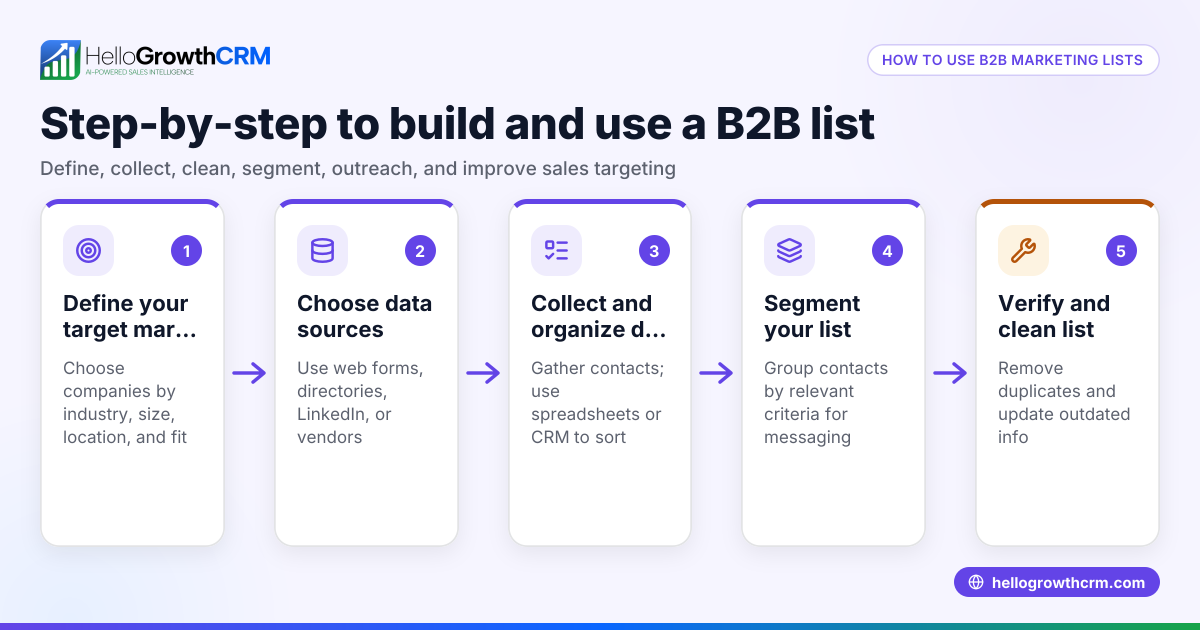
- Define your ideal prospect profile: Decide who your best customers are by industry, company size, location, or other relevant traits. Check that these criteria align with your product or service benefits.
- Collect contact information: Use web forms on your site, LinkedIn searches, trade shows, referrals, and business directories. Verify that each contact includes at least a name, company, phone number, and email.
- Organize the list in a central place: Use a spreadsheet or CRM system to store and update your prospect data. Check for duplicates and keep notes on how you found each lead.
- Segment the list: Group prospects by factors like interest level, industry, or buying stage. This helps tailor your communication.
- Prioritize leads: Use criteria such as company size or recent activity to rank prospects. Focus first on those most likely to convert.
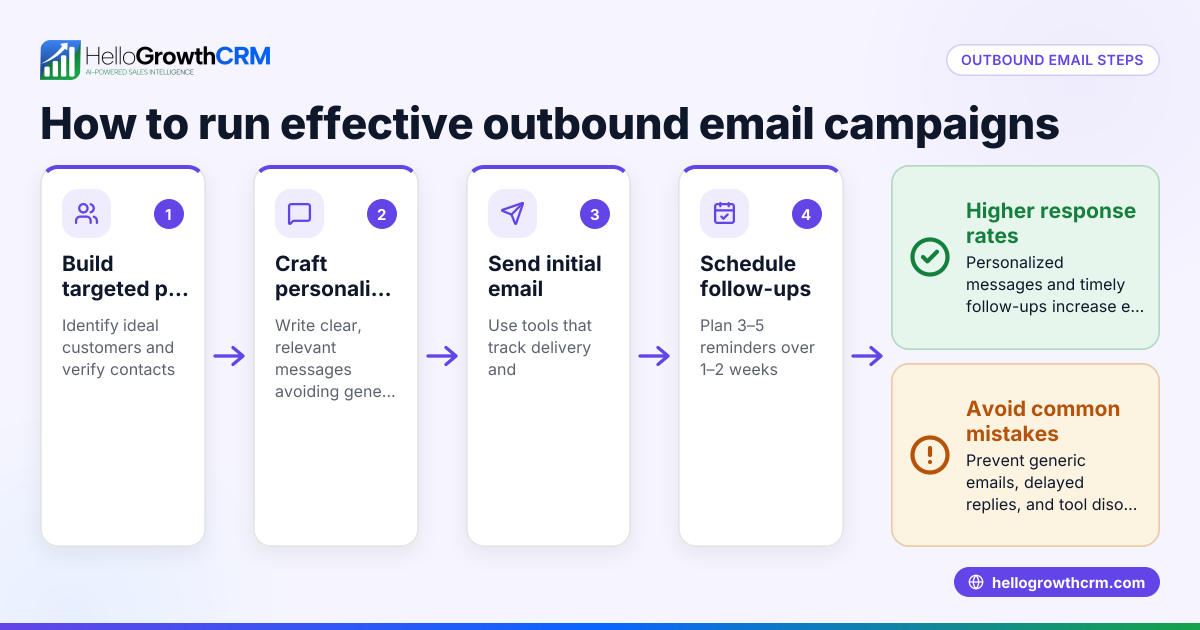
- Plan outreach methods: Decide if you will contact prospects by phone, email, or WhatsApp messages. Check that you have permission to contact them.
- Update regularly: Remove outdated contacts, add new ones, and track responses. Check that your list remains accurate and actionable.
Example (fictional figures)
A B2B software reseller in Denver, Colorado, wants to build a prospect list for their new product launch on 07/15/2026.
- Define ideal prospect: Mid-sized US companies in technology, 50-200 employees.
- Collect contacts from LinkedIn searches and trade show leads: 300 contacts.
- Organize in a spreadsheet, remove 20 duplicates = 280 unique contacts.
- Segment by industry: 150 tech companies, 130 others.
- Prioritize leads with recent website visits: 100 tech companies showed interest.
- Plan outreach: Email campaign and follow-up calls.
- Update after first campaign: 10 interested leads.
Calculations: 300 - 20 = 280 unique contacts 150 tech companies with 100 recent visits = 100 prioritized leads
Estimated value of interested leads: 10 leads × $15,000 average contract = $150,000 potential revenue
Common mistakes
- Not defining your ideal prospect clearly: Prevent by writing detailed criteria before collecting data.
- Using outdated or incorrect contact info: Prevent by verifying contacts and updating regularly.
- Keeping prospect data scattered across tools: Prevent by centralizing contacts in one system or spreadsheet.
- Ignoring consent and communication rules: Prevent by confirming permission before outreach.
- Failing to segment or prioritize leads: Prevent by grouping and ranking prospects to focus efforts.
- Not tracking follow-up results: Prevent by recording every contact attempt and response.
Using a CRM with features like a built-in dialer or WhatsApp and SMS CRM can help organize and automate some steps of prospect list management. For US businesses, see HelloGrowthCRM for the United States and its WhatsApp and SMS CRM capabilities, or the built-in CRM dialer to streamline outreach.
Frequently asked questions
What is the difference between a prospect list and a customer list? A prospect list contains contacts who might buy your product but haven’t yet, while a customer list includes those who have already purchased. Prospect lists focus on potential leads to convert.
How often should I update my prospect list? Update your prospect list regularly—at least monthly—to remove outdated contacts, add new leads, and track responses. Frequent updates keep your outreach relevant and effective.
Can I buy a prospect list? Yes, but purchased lists often have outdated or unqualified contacts. Building your own list ensures better quality and compliance with communication laws.
What tools help with prospect list building? Spreadsheets are a basic option, but CRMs designed for small businesses improve organization, tracking, and communication. For example, a CRM with WhatsApp and SMS integration helps manage contacts and outreach efficiently.
How do I segment my prospect list? Segment by criteria like industry, company size, location, or interest level. This allows you to tailor your messaging and prioritize leads better.
What’s the best way to get permission to contact prospects? Get explicit consent through web forms, opt-in checkboxes, or verbal agreement during networking. This ensures compliance with communication laws and builds trust.
Key takeaways
- Prospect list building means gathering and organizing potential customer contacts.
- Define your ideal prospect profile before collecting contacts.
- Organize and update your list regularly to keep it accurate.
- Segment and prioritize leads to focus sales efforts effectively.
- Avoid common mistakes like scattered data and outdated contacts.
- Using tools like CRMs with WhatsApp and SMS features can streamline the process.
Start building your prospect list today to make your sales outreach more targeted and productive. To try a CRM designed for small and mid-sized US businesses, Start on the Free Forever plan (200 leads, no credit card).
Ready to put this into practice?
Set up your pipeline, WhatsApp follow-ups, and AI lead scoring in minutes — free, no credit card.
Try HelloGrowthCRM freeGet CRM tips in your inbox
Join thousands of sales professionals who get weekly insights on CRM strategy, AI automation, and pipeline optimization.

The HelloGrowthCRM team publishes guides on CRM strategy, AI sales tools, and revenue operations for small business sales teams.