HelloGrowthCRM software
Built for real small-business sales teams
HelloGrowthCRM helps reps qualify faster, follow up on time, and close more deals—with practical automation in one place.
- AI lead scoring and pipeline visibility
- Built-in dialer, WhatsApp, and email automation
- Sales forecasting and RevOps-ready reporting
Starting a business in the UK requires clear planning on your business model, legal registration, financial management, and sales organisation. Without these, startups risk losing leads, missing legal deadlines, and wasting resources. This article provides practical business startup advice tailored to UK founders and technology companies, helping you build a solid foundation.
Why this comes up / what goes wrong
Many new business owners and their accountants struggle with unclear business plans, slow follow-up on sales leads, and scattered communications using WhatsApp, email, or spreadsheets. These issues lead to lost sales opportunities and inefficient use of time. UK startups, especially in technology, must also navigate local regulations such as business registration, tax compliance, and employment law. Without practical, localised advice, founders may miss critical steps or fail to organise their sales pipeline effectively, slowing growth and risking penalties.
Step-by-step
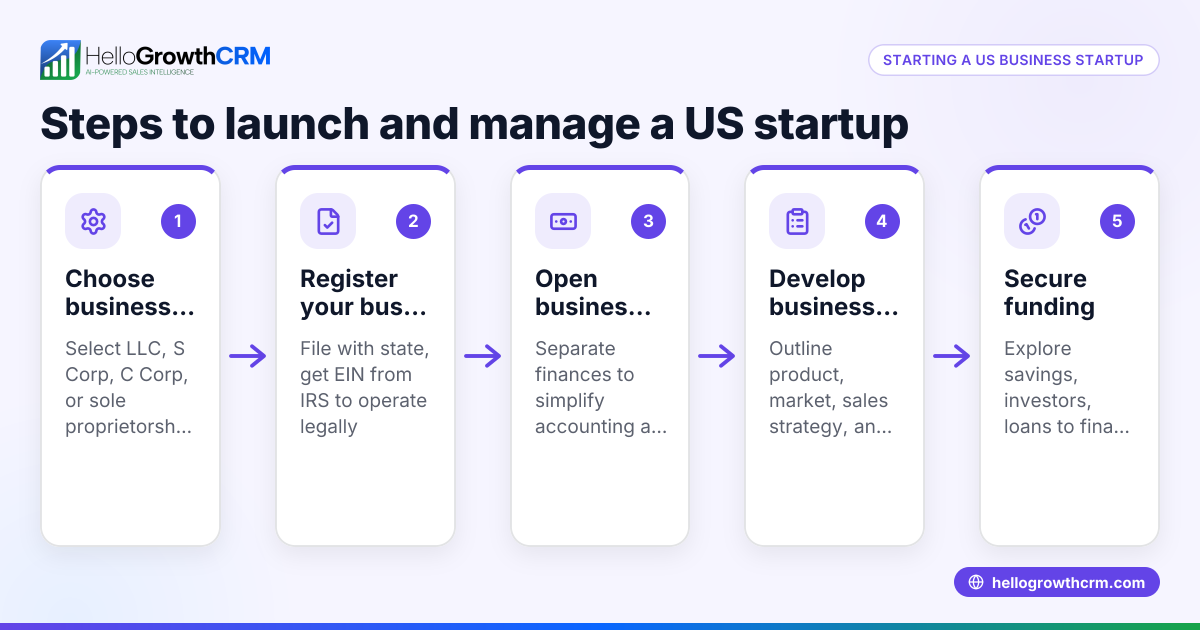
- Define your business idea and market: Write a clear business plan detailing your product or service, target customers, and competitors. Check market demand and pricing strategies.
- Choose your business structure: Decide whether to operate as a sole trader, partnership, or limited company. Research the legal and tax implications for each structure.
- Register your business: Register with Companies House if forming a limited company, or notify HMRC if operating as a sole trader. Obtain any necessary licences or permits.
- Set up business banking and finances: Open a dedicated business bank account. Use an accounting system or spreadsheet to track income and expenses accurately.
- Plan your sales and marketing: Identify channels such as WhatsApp, email, or social media. Prepare scripts or templates for outreach. Consider adopting a CRM to manage leads and follow-ups efficiently.
- Comply with tax and legal requirements: Register for VAT if your taxable turnover exceeds the threshold (check HMRC for current figures). Understand PAYE if hiring employees, and maintain proper records for tax returns.
- Build your team and infrastructure: Hire or contract staff as needed. Set up IT systems for communication and sales management.
- Launch and monitor progress: Start selling, track leads and sales, and adjust your approach based on performance.
For more on managing sales communications, see WhatsApp and SMS CRM. To explore startup advice tailored to your sector, visit Startups and technology companies. For UK-specific compliance and sales tips, check HelloGrowthCRM for the United Kingdom.
Example (fictional figures)
A Manchester-based tech startup, “SmartLettings Ltd,” plans to launch a property management app on 01/09/2026.
- Expected setup costs: £15,000
- Monthly operating expenses: £3,000
- Monthly sales target: £10,000
Step 1: Calculate total initial funding needed (setup costs plus three months’ operating expenses):
£15,000 + (£3,000 × 3) = £15,000 + £9,000 = £24,000
Step 2: Forecast quarterly revenue based on sales target:
£10,000 × 3 = £30,000
Step 3: Calculate profit forecast for first quarter (revenue minus expenses):
£30,000 - £9,000 = £21,000
This example shows SmartLettings Ltd needs at least £24,000 upfront to cover setup and three months of expenses before becoming profitable. Including these figures in the business plan helps attract investors or secure loans.
Common mistakes
- Skipping business registration or choosing the wrong structure: Prevent this by researching legal forms and registering promptly.
- Mixing personal and business finances: Prevent by opening a separate business bank account immediately.
- Using informal sales methods without tracking leads: Prevent by adopting a CRM or structured system early to avoid lost sales.
- Ignoring tax obligations or deadlines: Prevent by consulting an accountant or using official HMRC guidance.
- Underestimating startup costs and cash flow needs: Prevent by creating detailed budgets and forecasts.
- Failing to plan marketing and sales outreach: Prevent by preparing scripts and schedules for contacting leads.
For more about managing sales communications, see WhatsApp and SMS CRM. To explore advice specific to your sector, visit Startups and technology companies. For UK-specific compliance details, see HelloGrowthCRM for the United Kingdom.
Frequently asked questions
What is the best business structure for a UK startup? Choosing between sole trader, partnership, or limited company depends on factors like liability, tax, and investment needs. Many tech startups prefer limited companies for liability protection and credibility, but sole trader status is simpler to start.
Do I need to register for VAT immediately? You must register for VAT if your taxable turnover exceeds the current threshold (check HMRC for up-to-date rates). You can also register voluntarily if it benefits your business cash flow.
How can I manage sales leads effectively as a startup? Using a CRM tailored to small businesses helps track leads, schedule follow-ups, and automate outreach via WhatsApp, email, or SMS. This avoids losing leads due to slow or unstructured follow-up.
When should I hire employees? Hire when workload exceeds your capacity or when specific skills are needed. Understand PAYE obligations and employment law before hiring.
How do I budget for marketing in a startup? Allocate a percentage of your projected revenue or initial funding to marketing. Focus on channels where your target customers are active, and measure results to adjust spend.
Key takeaways
- Plan your business model and market clearly before starting.
- Register your business correctly and separate finances.
- Use a CRM or structured system to manage sales leads and follow-ups.
- Understand tax and legal requirements early and seek expert advice.
- Budget realistically for startup costs and marketing.
- Monitor progress and adapt your sales and marketing strategies.
Starting your business journey with clear steps and avoiding common pitfalls improves your chances of success. For a startup or technology company in the UK, practical tools and local advice are essential.
Start on the Free Forever plan (200 leads, no credit card) at Start on the Free Forever plan (200 leads, no credit card).
Ready to put this into practice?
Set up your pipeline, WhatsApp follow-ups, and AI lead scoring in minutes — free, no credit card.
Try HelloGrowthCRM freeGet CRM tips in your inbox
Join thousands of sales professionals who get weekly insights on CRM strategy, AI automation, and pipeline optimization.

The HelloGrowthCRM team publishes guides on CRM strategy, AI sales tools, and revenue operations for small business sales teams.