HelloGrowthCRM software
Built for real small-business sales teams
HelloGrowthCRM helps reps qualify faster, follow up on time, and close more deals—with practical automation in one place.
- AI lead scoring and pipeline visibility
- Built-in dialer, WhatsApp, and email automation
- Sales forecasting and RevOps-ready reporting
Communicating effectively with customers means delivering clear, timely, and relevant information that meets their needs and builds trust. It requires listening carefully, responding promptly, and using appropriate channels to keep customers informed and engaged. This article explains why communication issues happen, provides practical steps to improve, shares a realistic example, highlights common mistakes, and shows how HelloGrowthCRM supports customer communication with tools like shared inboxes and messaging workflows.
Why this comes up / what goes wrong
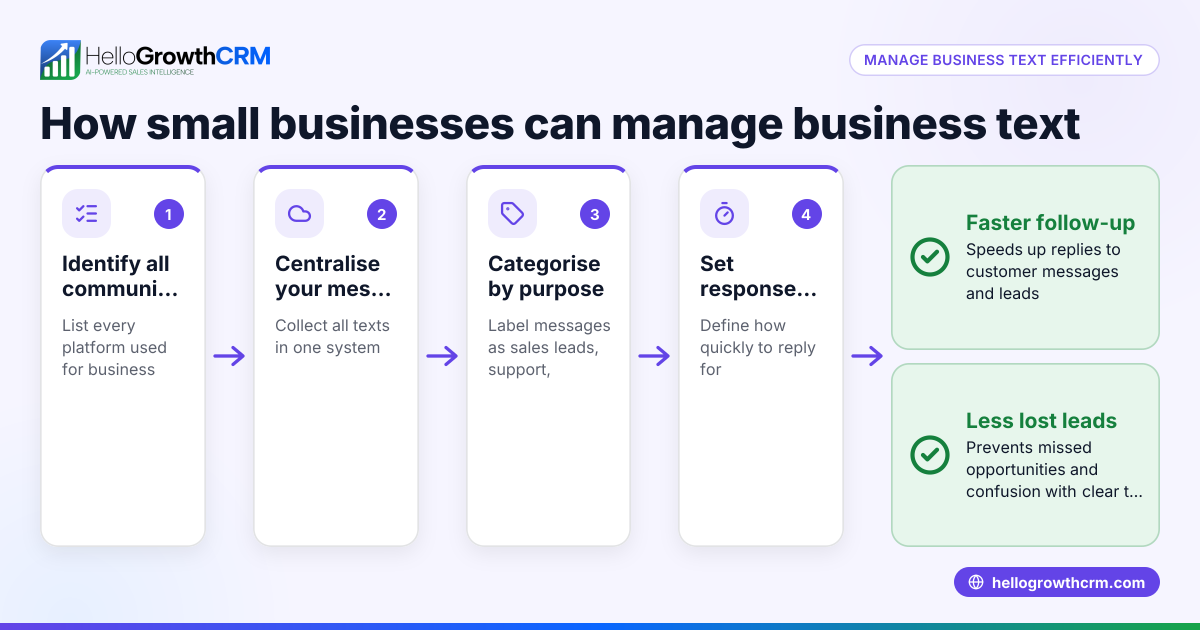
Small-business owners often juggle many tasks and tools for customer communication. They may use text messages, emails, and spreadsheets that don’t sync, causing delays or missed replies. Slow follow-up can lead to lost leads or unhappy customers. Without a clear process, messages get overlooked or duplicated, and customers feel ignored or confused. This wastes time and damages the business reputation. Owners want a simple way to track conversations, respond quickly, and provide consistent information.
Step-by-step
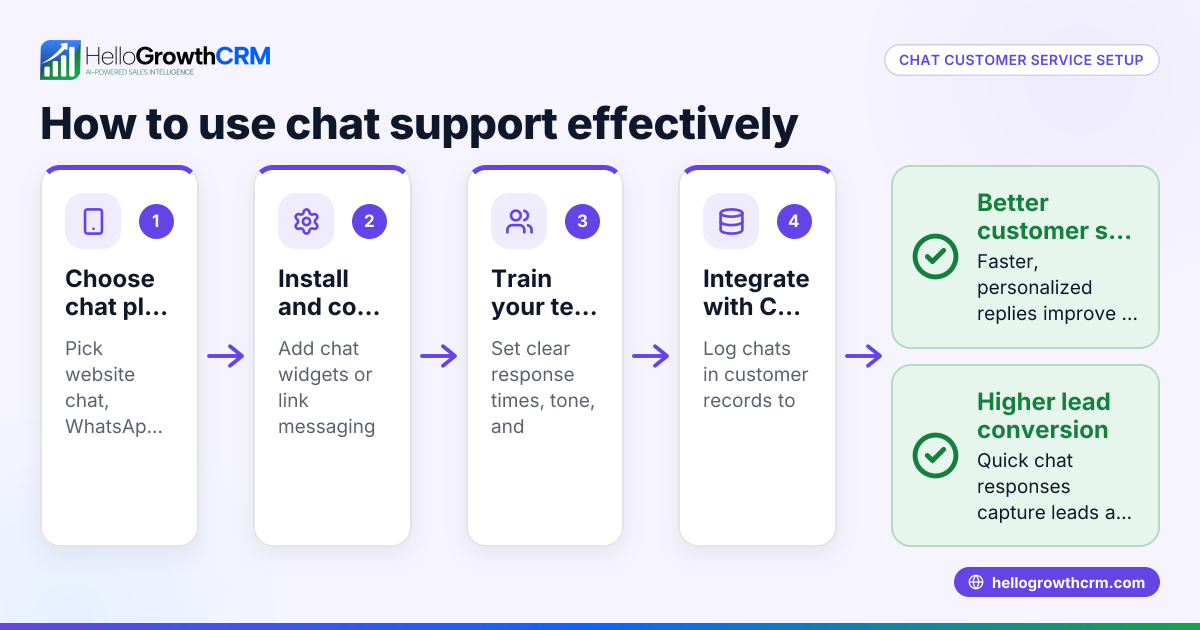
- Choose the right communication channels. Identify where your customers prefer to interact—WhatsApp, SMS, email, or phone calls. Focus on the most effective channels to avoid spreading yourself too thin.
- Respond promptly and acknowledge messages. When you receive a customer inquiry, reply quickly to confirm you received it, even if a full answer takes longer.
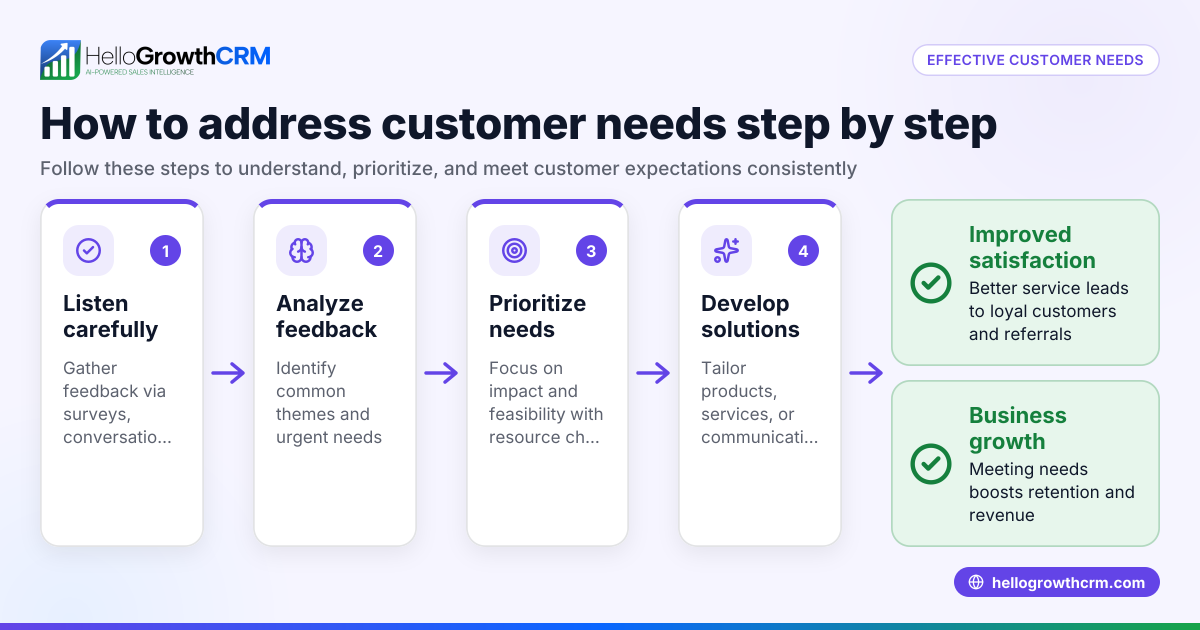
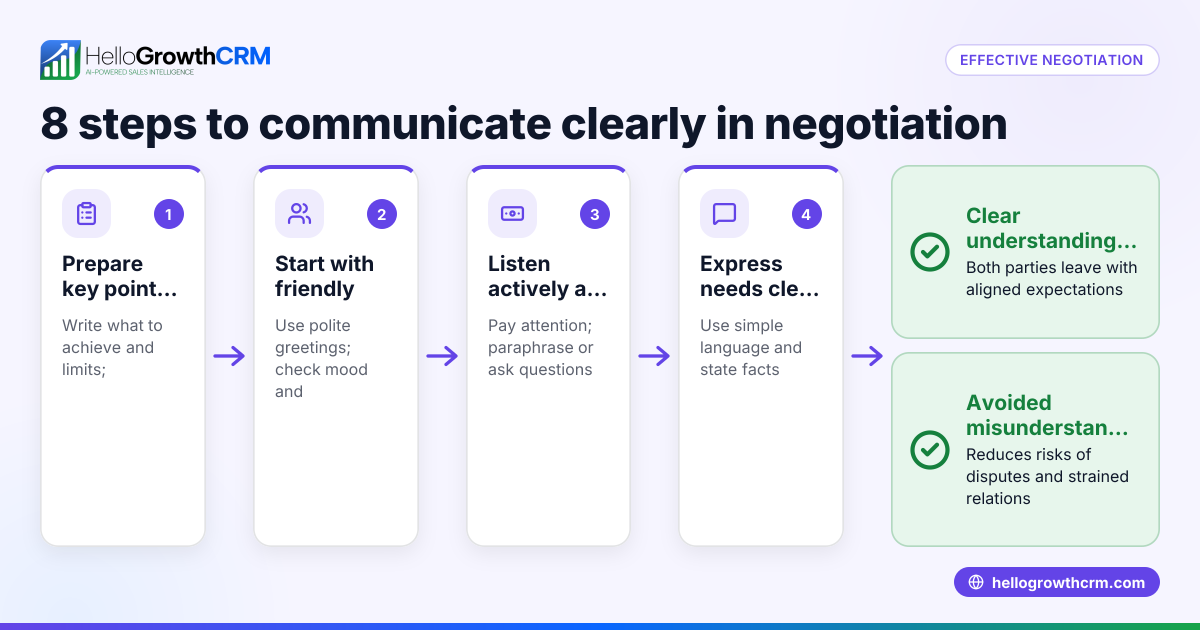
- Listen actively and clarify. Understand the customer’s needs by asking clarifying questions and summarizing their concerns.
- Use clear, simple language. Avoid jargon or complex terms. Be direct and polite.
- Keep communication consistent. Use templates or sequences for common questions but personalize where needed. Avoid contradicting information.
- Track all communications in one place. Ensure all customer messages and responses are logged to avoid duplication or missed follow-ups.
- Follow up regularly. Set reminders to check in with customers after providing information or completing a service.
- Provide self-service options. Offer customers access to FAQs, knowledge bases, or a customer portal to find answers independently.
- Ask for feedback and referrals. After resolving a request, invite customers to share their experience or recommend your business.
- Review and improve. Periodically evaluate communication effectiveness and adjust your approach based on customer feedback and outcomes.
Example (fictional figures)
A landscaping contractor in Charlotte, North Carolina, receives 100 customer inquiries per month. They estimate losing some leads due to slow follow-up.
- Total inquiries: 100
- Estimated lost leads before improvement: 15 leads (assumed figure)
- Average revenue per lead: $1,200
- Estimated revenue lost before improvement: 15 × $1,200 = $18,000
After implementing prompt acknowledgment and tracking all conversations in a single system, they reduce lost leads.
- New estimated lost leads: 5 leads (assumed figure)
- Estimated revenue lost now: 5 × $1,200 = $6,000
Revenue saved by better communication:
$18,000 - $6,000 = $12,000
This example shows how effective communication can impact revenue.
Common mistakes
- Ignoring or delaying responses. Prevent by setting up notifications and quick acknowledgment templates.
- Using too many uncoordinated tools. Prevent by consolidating communications in one system to avoid missed messages.
- Overusing jargon or unclear language. Prevent by reviewing messages for clarity before sending.
- Failing to follow up. Prevent by scheduling reminders and tracking follow-ups.
- Not offering self-service options. Prevent by creating a knowledge base or customer portal for common questions.
- Not tracking customer history. Prevent by logging all interactions on the same customer record to provide context.
Using a customer health score can also help prioritize customers who need attention.
Doing this in HelloGrowthCRM
HelloGrowthCRM offers a branded self-service customer portal where customers can find answers and submit service requests. After the sale, service requests stay on the same customer record as the deal, keeping all information together. You can also track referrals and maintain a knowledge base to help customers solve simple issues independently. This centralized approach reduces missed messages and speeds up response times. Learn more about WhatsApp and SMS CRM and how HelloGrowthCRM supports US businesses on HelloGrowthCRM for the United States.
Frequently asked questions
What are the best communication channels for small businesses? The best channels depend on your customers’ preferences. Many US small businesses find WhatsApp, SMS, email, and phone calls effective. Focus on channels that allow quick responses and easy tracking.
How quickly should I respond to customer messages? Acknowledge receipt within a few hours if possible, even if a full answer takes longer. Prompt responses build trust and reduce customer frustration.
How can I keep track of all customer communications? Use a CRM or centralized tool that logs emails, calls, texts, and tickets on the same customer record. This prevents lost messages and duplicated efforts.
Why is consistent language important in customer communication? Consistent, clear language avoids confusion and ensures customers receive reliable information, which improves satisfaction and trust.
How do self-service options help customer communication? Self-service options like a knowledge base or customer portal let customers find answers quickly without waiting for support, reducing workload and speeding resolution.
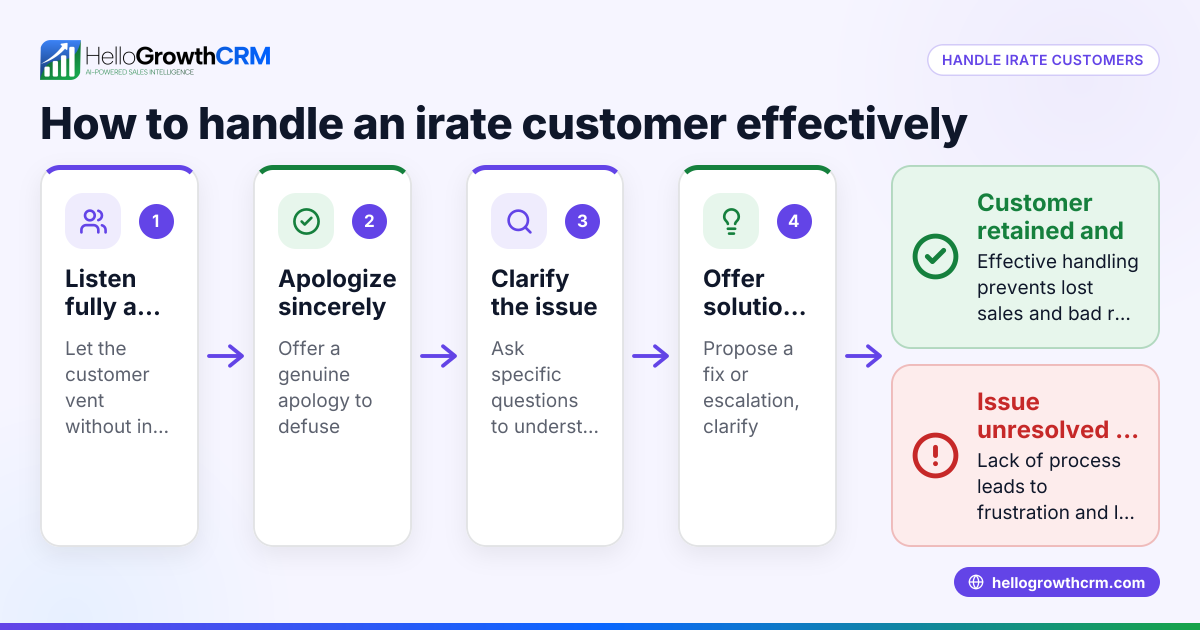
What should I do if a customer is unhappy with communication? Listen carefully, acknowledge their concerns, and offer a clear plan to resolve the issue. Follow up to confirm satisfaction.
Key takeaways
- Use the right channels and respond promptly to build trust.
- Keep all customer communications logged in one place to avoid missed messages.
- Use clear, consistent language and personalize when possible.
- Provide self-service portals and knowledge bases to empower customers.
- Follow up regularly and ask for feedback or referrals.
- HelloGrowthCRM’s customer portal, tickets, and referral tracking help manage communication efficiently.
Effective communication with customers is essential for growing your business and retaining clients. Start improving your communication today with simple steps and tools. To get started managing customer communication easily, Start on the Free Forever plan (200 leads, no credit card).
Ready to put this into practice?
Set up your pipeline, WhatsApp follow-ups, and AI lead scoring in minutes — free, no credit card.
Try HelloGrowthCRM freeGet CRM tips in your inbox
Join thousands of sales professionals who get weekly insights on CRM strategy, AI automation, and pipeline optimization.

The HelloGrowthCRM team publishes guides on CRM strategy, AI sales tools, and revenue operations for small business sales teams.