HelloGrowthCRM software
Built for real small-business sales teams
HelloGrowthCRM helps reps qualify faster, follow up on time, and close more deals—with practical automation in one place.
- AI lead scoring and pipeline visibility
- Built-in dialer, WhatsApp, and email automation
- Sales forecasting and RevOps-ready reporting
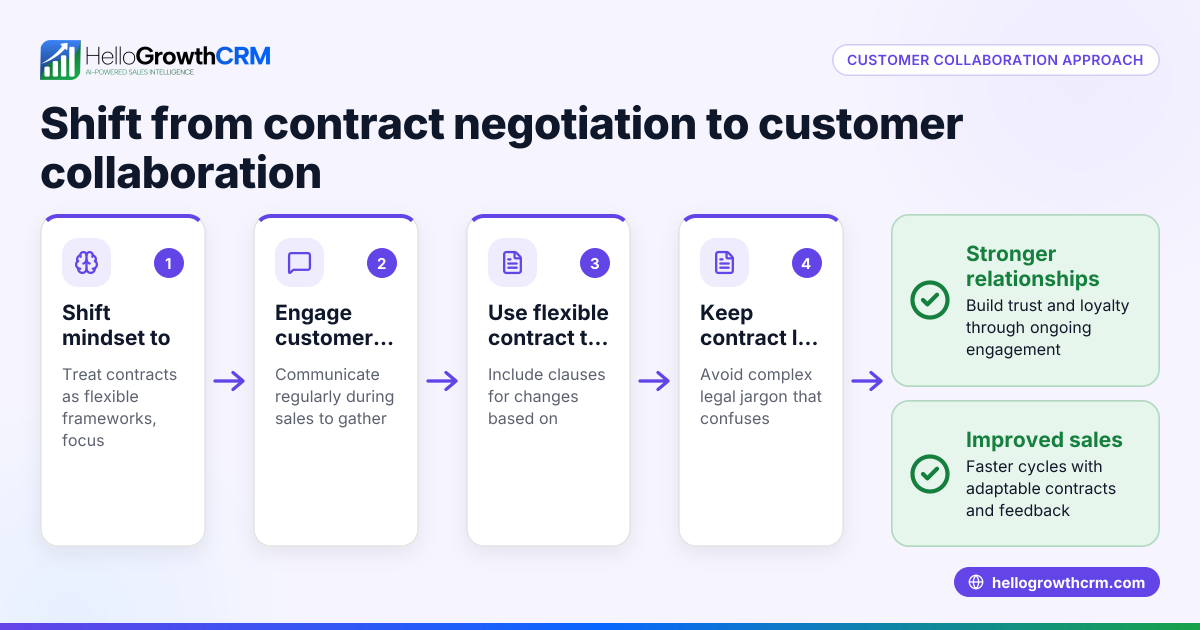
Contract negotiation in supply chain management means reaching agreements with suppliers on key terms like prices, delivery schedules, quality standards, payment terms, and responsibilities. These agreements ensure your business receives the supplies it needs on time, at the right cost, and with the expected quality. For small and mid-sized businesses, effective contract negotiation helps avoid delays, unexpected expenses, and supply disruptions that can impact operations.
Why this comes up / what goes wrong
Small-business owners often face challenges like unclear contract terms, missed delivery deadlines, or sudden cost increases. These problems usually happen because contract negotiation is treated as a formality rather than a strategic process. Without clearly defined terms, suppliers and buyers may have different expectations, leading to disputes or supply chain interruptions. Many small businesses also lack a structured negotiation process or tools to track supplier commitments, which can cause missed opportunities for better pricing or service.
Step-by-step
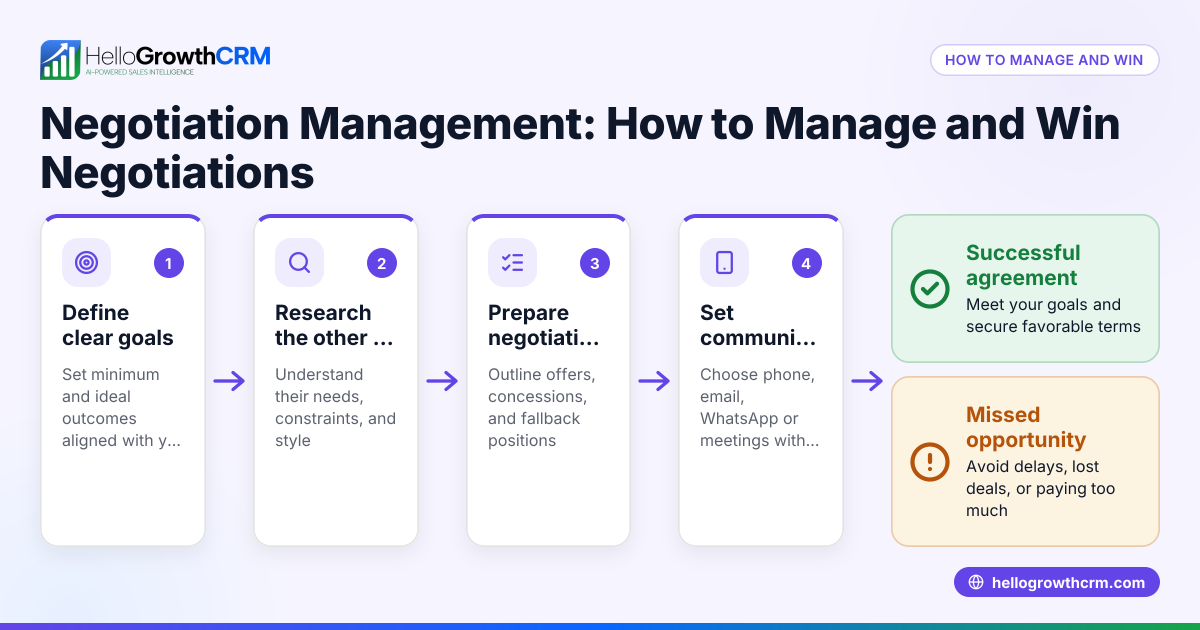
- Identify your supply needs clearly: List exactly what products or services you need, including quantities, delivery schedules, quality requirements, and payment terms. Review any current supply issues to address.
- Research the supplier: Investigate their reputation, pricing, delivery reliability, and experience working with businesses like yours.
- Set your negotiation goals: Define your ideal contract terms and your minimum acceptable terms. Include price limits, delivery flexibility, penalties for delays, and quality standards.
- Prepare a draft contract or checklist: Create a document outlining the key points you want to negotiate. This keeps discussions focused and ensures nothing is missed.
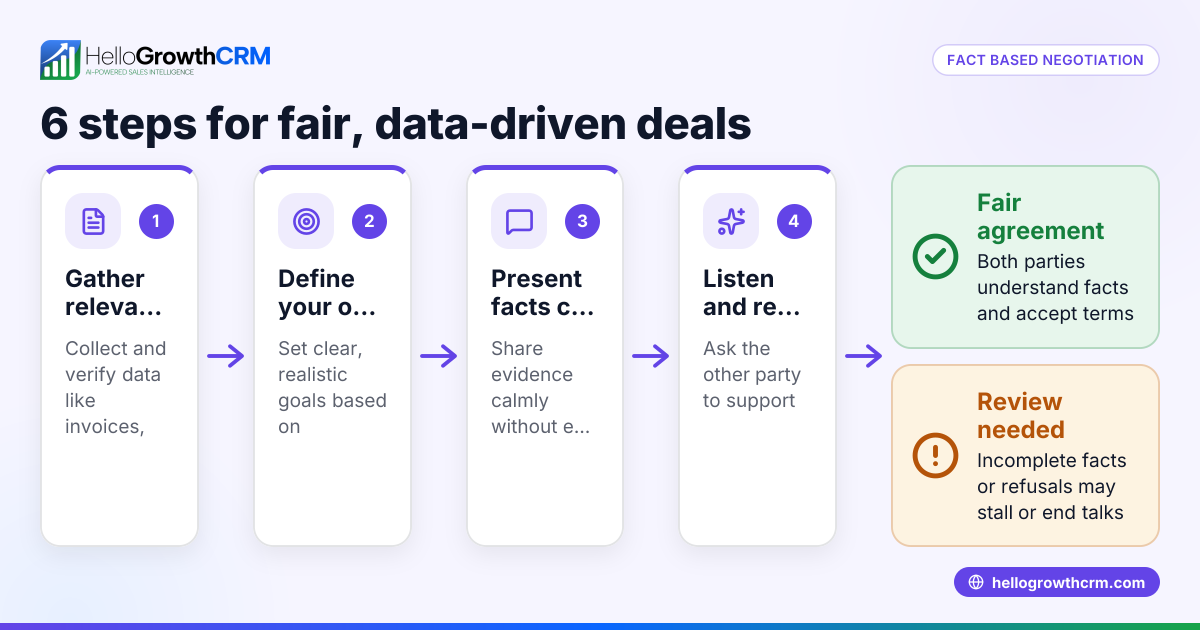
- Conduct negotiation meetings: Meet with the supplier to discuss terms openly. Aim for mutual benefit and confirm any agreed changes during the talks.
- Review the contract carefully: Check for clear language on delivery dates, payment schedules, quality requirements, penalties, dispute resolution, and termination clauses.
- Get legal or expert review if needed: For complex or high-value contracts, have a professional review to avoid hidden risks.
- Finalize and sign the contract: Ensure all agreed terms are included and both parties sign the document.
- Monitor contract performance: Track deliveries, payments, and quality against the contract terms. Address any issues promptly.
Using a CRM system helps organize supplier contacts, schedule follow-ups, and keep communication records, making it easier to manage negotiations and compliance.
Example (fictional figures)
A two-location dental practice in Columbus, Ohio, needs to negotiate a supply contract for dental materials.
- Current annual spend: $120,000
- Desired price reduction: 10%
- Delivery frequency: monthly
- Penalty for late delivery: 5% discount on the affected month’s invoice
Negotiation steps:
- Initial price quoted by supplier: $120,000
- Proposed 10% discount: $120,000 × 10% = $12,000
- New annual price: $120,000 - $12,000 = $108,000
- Agreement on monthly deliveries with penalties for delays
This contract secures a $12,000 saving and clear delivery expectations, reducing the risk of supply disruption.
Common mistakes
- Not defining clear terms: Prevent this by drafting a detailed checklist before negotiation to cover all essential points.
- Ignoring supplier capabilities: Research supplier reliability and capacity to ensure they can meet your needs.
- Failing to document agreed changes: Update the contract draft after each negotiation meeting to reflect all agreements.
- Skipping legal review for complex contracts: Consult a professional when unsure to avoid risks.
- Not monitoring contract compliance: Regularly track deliveries, payments, and quality to catch issues early.
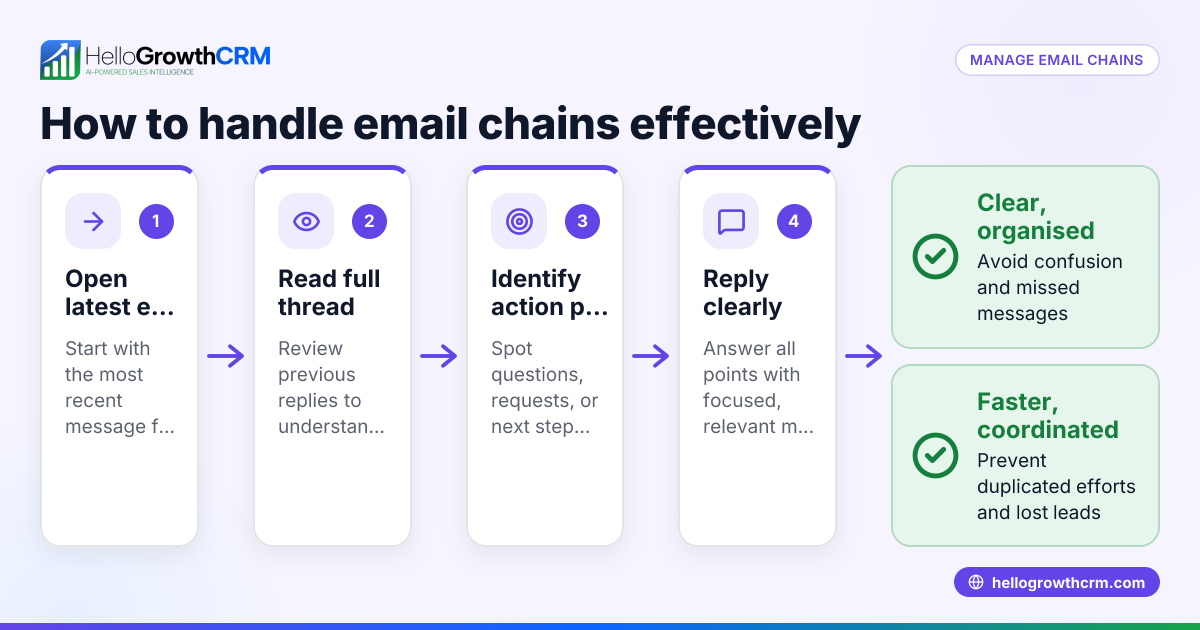
- Losing track of supplier communications: Use tools like HelloGrowthCRM for the United States to keep supplier leads and contacts organized and follow-ups on schedule.
Doing this in HelloGrowthCRM
HelloGrowthCRM captures every supplier inquiry from forms, calls, or WhatsApp messages as a lead with an assigned owner and a next step, preventing lost or forgotten follow-ups. Its built-in dialer lets your team call suppliers directly from the CRM, logging each call outcome on the lead record for clear communication history. These features help you manage supplier negotiations systematically without missing details. Learn more about the WhatsApp and SMS CRM and built-in CRM dialer.
Frequently asked questions
What key terms should be included in a supply chain contract? Include price, delivery schedule, quality standards, payment terms, penalties for non-compliance, dispute resolution, and contract duration. Clear terms help avoid misunderstandings and keep operations smooth.
How can I prepare for contract negotiation with suppliers? Identify your needs, research the supplier’s background, set your goals including price and delivery terms, and prepare a draft or checklist of contract points to discuss. This preparation helps you negotiate confidently.
When should I involve a lawyer in contract negotiation? For complex or high-value contracts, or if you’re unsure about legal language, it’s wise to get professional advice to avoid risks and protect your interests.
How can technology improve contract negotiation management? CRM tools organize supplier contacts, track negotiation progress, schedule follow-ups, and keep communication records. This helps avoid lost leads, missed deadlines, and keeps your negotiation process transparent.
What if a supplier fails to meet contract terms? Your contract should include penalties or remedies for non-compliance. Monitor performance regularly and communicate issues promptly to resolve problems or enforce penalties.
Key takeaways
- Clearly define your supply needs and negotiation goals before starting.
- Research suppliers to understand their capabilities and pricing.
- Use a structured step-by-step approach to negotiate terms effectively.
- Document all agreed terms precisely in the contract.
- Monitor contract performance regularly to ensure compliance.
- Use CRM tools like HelloGrowthCRM to manage supplier contacts and communication.
Start your contract negotiation on the right foot by organizing supplier leads and communications efficiently. Start on the Free Forever plan (200 leads, no credit card) with HelloGrowthCRM.
Ready to put this into practice?
Set up your pipeline, WhatsApp follow-ups, and AI lead scoring in minutes — free, no credit card.
Try HelloGrowthCRM freeGet CRM tips in your inbox
Join thousands of sales professionals who get weekly insights on CRM strategy, AI automation, and pipeline optimization.

The HelloGrowthCRM team publishes guides on CRM strategy, AI sales tools, and revenue operations for small business sales teams.