HelloGrowthCRM software
Built for real small-business sales teams
HelloGrowthCRM helps reps qualify faster, follow up on time, and close more deals—with practical automation in one place.
- AI lead scoring and pipeline visibility
- Built-in dialer, WhatsApp, and email automation
- Sales forecasting and RevOps-ready reporting
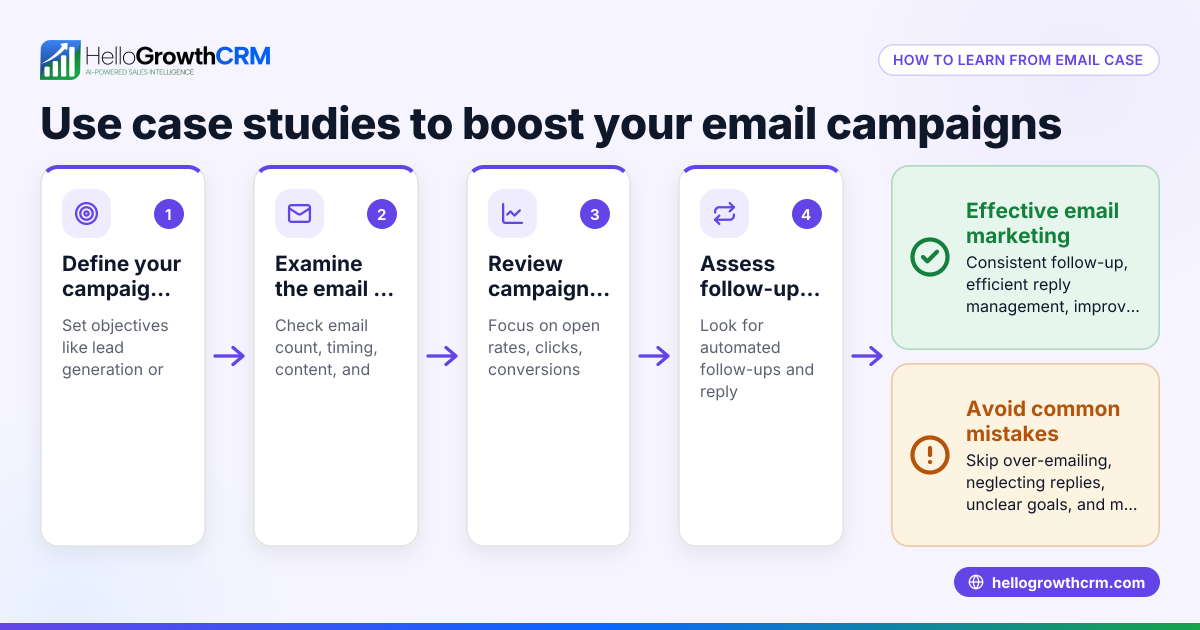
Conversion rate optimization (CRO) case studies demonstrate how businesses increase the share of website visitors or leads that convert into customers or take other desired actions. These case studies highlight specific changes tested, the results achieved, and lessons learned. They help small business owners make informed decisions to improve sales and marketing effectiveness.
Why this comes up / what goes wrong
Many US small-business owners face the challenge of attracting visitors or leads but not converting enough into paying customers. For example, a local service provider might get lots of website visitors but only a few requests for quotes. Without clear data and proven methods, owners often guess at what to change, which wastes time and money. CRO case studies come up because owners want examples of what worked for others in similar situations. These case studies reduce guesswork by showing tested improvements and their results.
Step-by-step
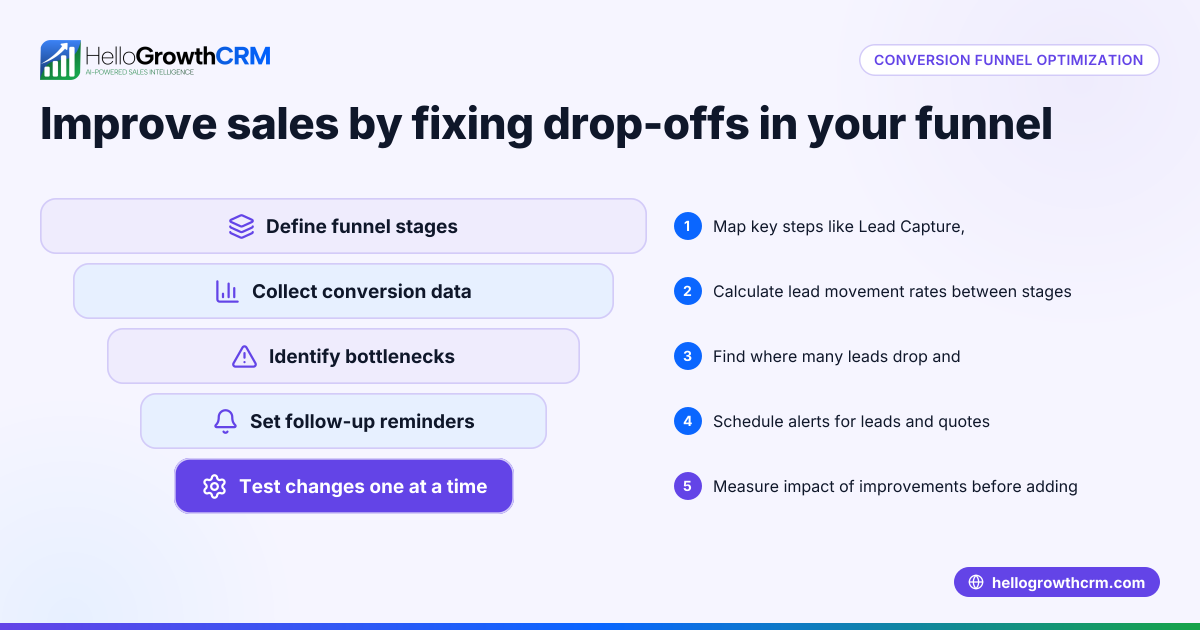
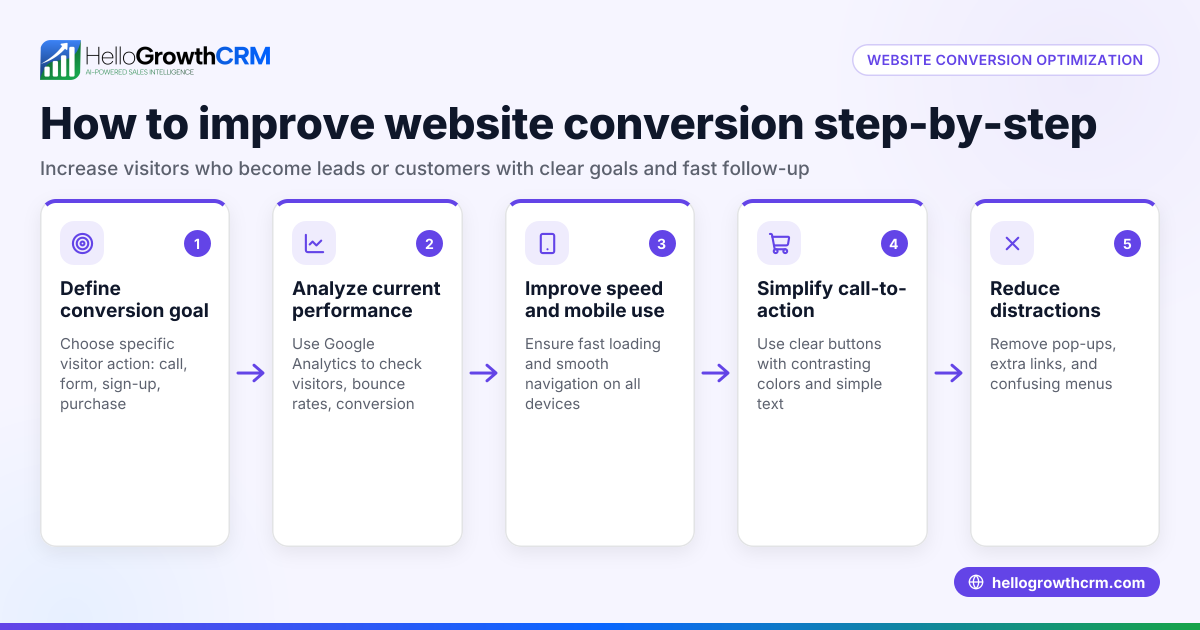
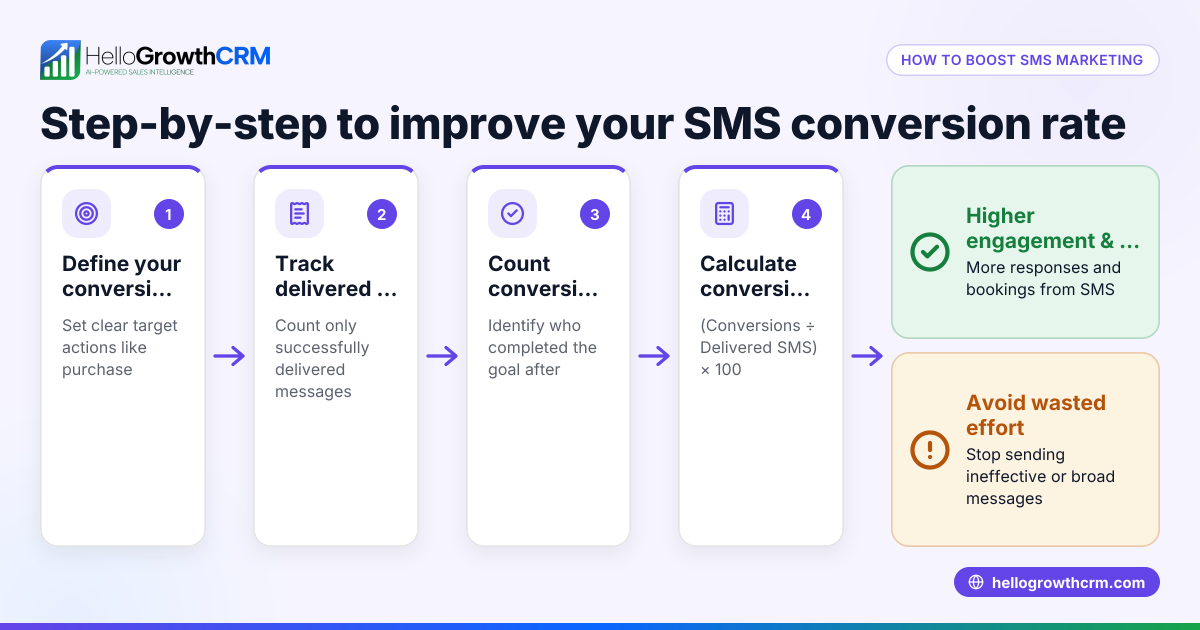
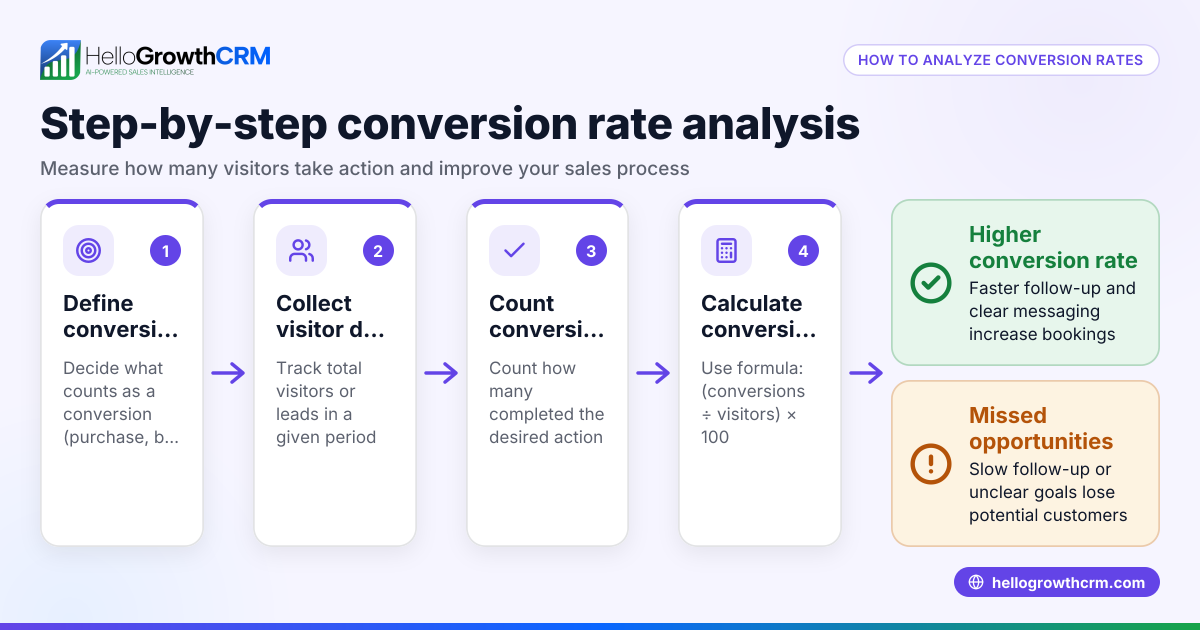
- Identify a clear conversion goal. Decide exactly what counts as a conversion for your business. This could be a completed purchase, a form submission, a phone call, or signing up for a newsletter. Clear goals focus your efforts.
- Collect baseline data. Measure your current conversion rate and related metrics such as website traffic, bounce rates, and lead sources. This data provides a starting point to compare against after changes.
- Form a hypothesis. Based on your data, decide what change might improve your conversion rate. Examples include simplifying a form, changing button text, or adding customer testimonials.
- Design your test. Choose a testing method such as A/B testing, where one group sees the original version and another sees the change. This helps isolate the effect of the change.
- Run the test long enough. Collect data for a sufficient period, typically 2 to 4 weeks, depending on your traffic volume. This ensures results are reliable and not due to chance.
- Analyze the results. Compare conversion rates between the original and changed versions. Check if the change led to a meaningful improvement.
- Implement or revise. If the change improved conversions, roll it out fully. If not, form a new hypothesis and test again.
Throughout the process, ensure your data collection is accurate and your test groups are randomly assigned to avoid bias. For sales teams, tools like a built-in CRM dialer help track calls and conversions more precisely (/product/crm-dialer). For businesses using messaging channels, integrating WhatsApp and SMS into your CRM can improve lead tracking and follow-up (/product/whatsapp-sms-crm).
Example (fictional figures)
A landscaping contractor in Charlotte, North Carolina, wants to increase leads from their website contact form.
- Current monthly visitors: 5,000
- Current conversion rate: 2% (leads)
- Current leads per month = 5,000 × 2% = 100 leads
The contractor hypothesizes that reducing the number of form fields will increase conversions.
They run an A/B test for 30 days:
- Group A (original form): 2% conversion rate
- Group B (shortened form): 3% conversion rate
Calculate new leads from Group B:
5,000 × 3% = 150 leads
Increase in leads:
150 - 100 = 50 leads
If the average lead value is $500 in sales:
Additional sales = 50 leads × $500 = $25,000
This test shows a 50% relative increase in conversion rate and a potential $25,000 monthly sales gain.
Common mistakes
- Not defining a clear conversion goal. Prevent this by writing down exactly what counts as a conversion before you start testing.
- Running tests for too short a time. Prevent by running tests for at least 2-4 weeks to gather reliable data.
- Changing multiple variables at once. Prevent by testing one change at a time to know exactly what caused any difference.
- Ignoring data accuracy. Prevent by using reliable tracking tools and verifying your data regularly.
- Not acting on test results. Prevent by committing to implement winning changes or to test new ideas if results are inconclusive.
Small businesses that run sales conversations on WhatsApp and SMS can benefit from integrating these channels into their CRM to track conversions from messaging sequences (/product/whatsapp-sms-crm). Using a built-in CRM dialer also helps track calls and conversions more accurately (/product/crm-dialer).
Frequently asked questions
What is a good conversion rate for a small business? Conversion rates vary widely by industry and channel. Typical website conversion rates range from 1% to 5%. The key is improving your own baseline through testing rather than comparing to others.
How long should I run a conversion test? Tests should run long enough to collect statistically meaningful data, usually 2 to 4 weeks depending on your traffic volume. Running tests too briefly risks unreliable results.
Can I test more than one change at a time? Testing multiple changes simultaneously makes it difficult to know which caused the result. It’s best to test one variable at a time for clear insights.
What tools help with conversion rate optimization? Basic tools include Google Analytics for tracking website data, A/B testing software for running experiments, and CRMs with built-in dialers for tracking sales calls (/product/crm-dialer). HelloGrowthCRM’s WhatsApp and SMS CRM features help manage leads from messaging channels (/product/whatsapp-sms-crm).
How do I apply CRO case studies to my business? Look for case studies in your industry or similar businesses. Note the changes tested and results, then adapt similar tests to your context. Always measure your own results carefully to confirm improvements.
Key takeaways
- Define clear, measurable conversion goals before testing.
- Collect baseline data to measure improvements accurately.
- Test one change at a time using methods like A/B testing.
- Run tests long enough (2-4 weeks) for reliable data.
- Use CRM and tracking tools to measure conversions precisely.
- Learn from case studies but adapt tests to your own business context.
Start improving your sales conversions by testing changes systematically. For managing leads and sales conversations on WhatsApp and SMS, consider HelloGrowthCRM’s WhatsApp and SMS CRM features (/product/whatsapp-sms-crm). To track calls and conversions, use a built-in CRM dialer (/product/crm-dialer).
Start on the Free Forever plan (200 leads, no credit card) at HelloGrowthCRM and begin testing your way to better conversions.
Ready to put this into practice?
Set up your pipeline, WhatsApp follow-ups, and AI lead scoring in minutes — free, no credit card.
Try HelloGrowthCRM freeGet CRM tips in your inbox
Join thousands of sales professionals who get weekly insights on CRM strategy, AI automation, and pipeline optimization.

The HelloGrowthCRM team publishes guides on CRM strategy, AI sales tools, and revenue operations for small business sales teams.