HelloGrowthCRM software
Built for real small-business sales teams
HelloGrowthCRM helps reps qualify faster, follow up on time, and close more deals—with practical automation in one place.
- AI lead scoring and pipeline visibility
- Built-in dialer, WhatsApp, and email automation
- Sales forecasting and RevOps-ready reporting
Customer behavior modeling is the process of analyzing and predicting how customers act and make decisions to improve marketing and sales strategies. It helps identify buying patterns, preferences, and potential future actions. This article explains why small businesses need customer behavior modeling, provides a clear step-by-step guide, a practical example with figures, common mistakes to avoid, and how HelloGrowthCRM supports managing customer interactions after the sale.
Why this comes up / what goes wrong
Small business owners often face challenges with scattered customer data spread across text messages, emails, spreadsheets, and multiple communication channels like WhatsApp and SMS. Without a clear understanding of how customers behave, it’s hard to prioritize leads, tailor marketing efforts, or predict sales outcomes. This lack of insight leads to slow follow-up, lost sales opportunities, and inefficient marketing spend. Customer behavior modeling helps by analyzing customer actions and preferences to predict future buying behavior, allowing businesses to engage customers more effectively and improve sales processes.
Step-by-step
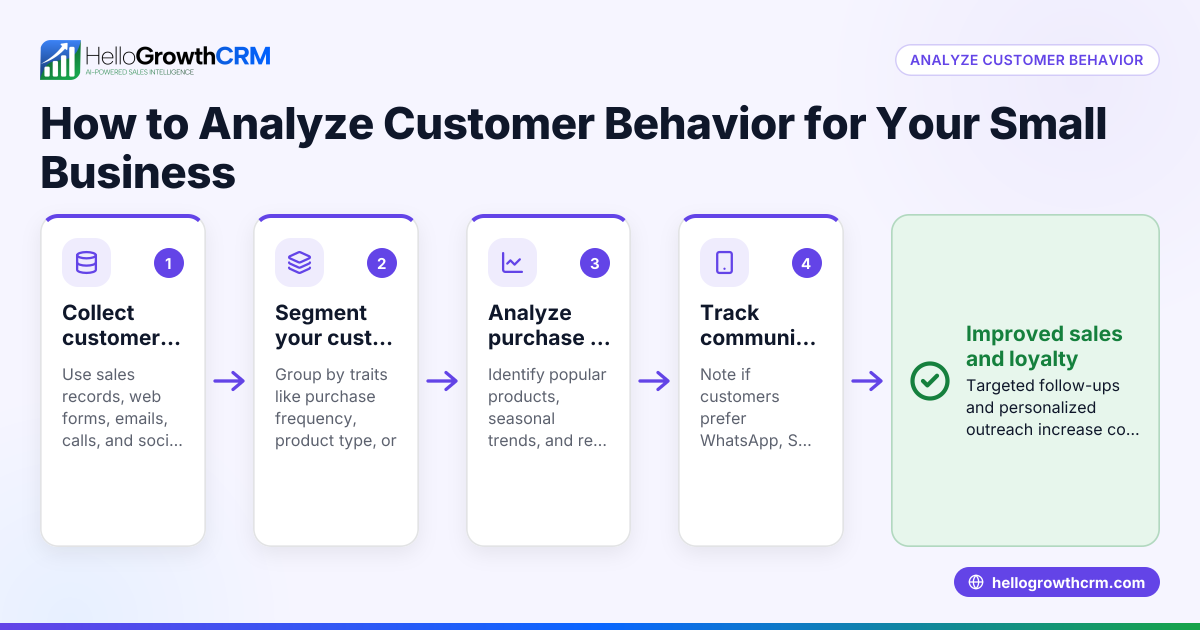
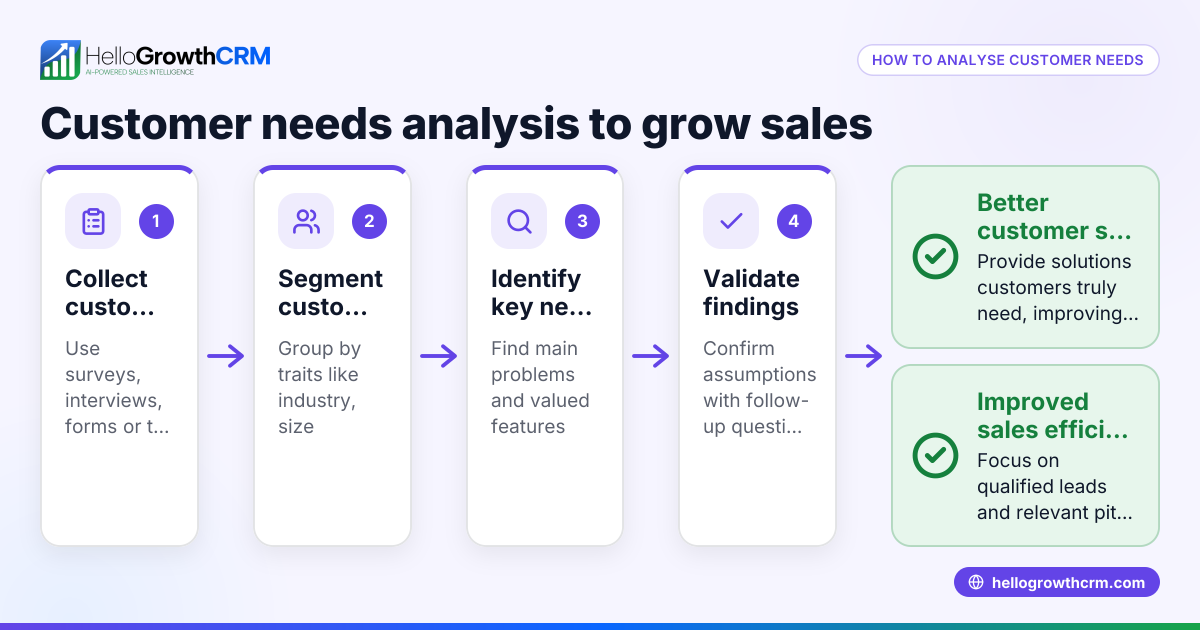
- Collect Customer Data: Gather information from all available sources such as sales records, website forms, emails, WhatsApp chats, SMS, and customer service interactions. Check that the data is complete and accurate to ensure your model is reliable and meaningful.
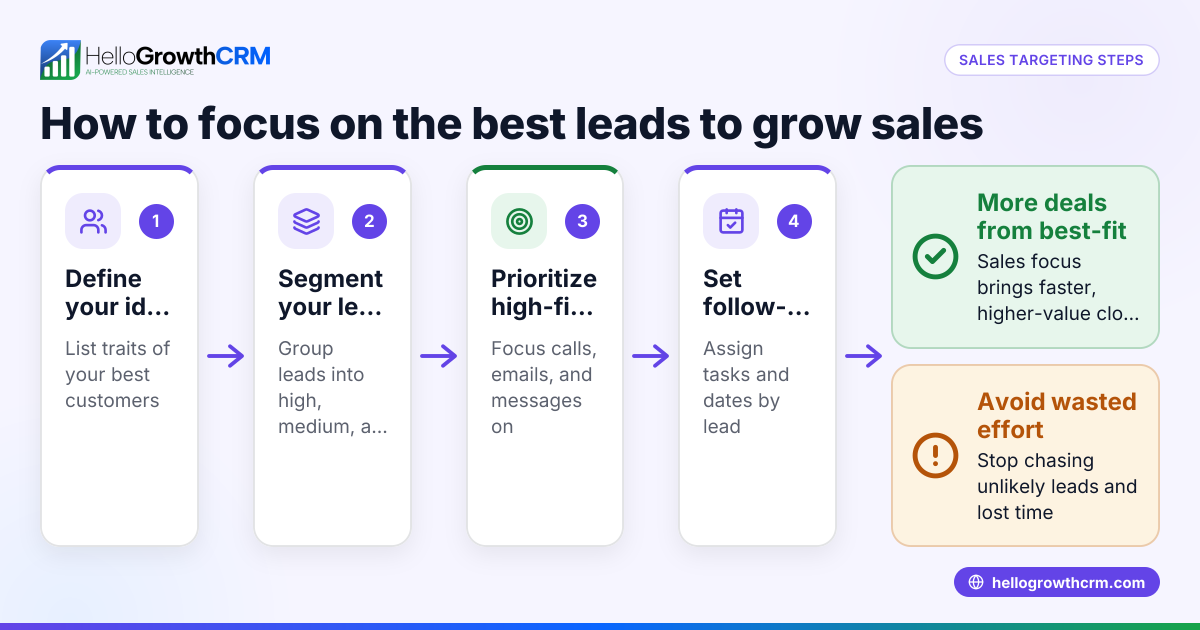
- Segment Customers: Divide customers into groups based on shared characteristics like demographics, purchase history, or engagement level. Verify that these segments are clear and actionable to target marketing and sales efforts effectively.
- Identify Behavior Patterns: Analyze the data to discover trends such as frequent purchases, preferred communication channels, or product preferences. Confirm these findings by checking consistency over time and across segments.
- Build Predictive Models: Use basic statistics or AI tools to forecast behaviors such as the likelihood to buy, respond to promotions, or churn. Regularly test the model’s accuracy and update it as new data comes in.
- Test and Refine: Apply the model to a small sample of customers, measure the results, and refine the model based on what works. Ensure it improves decision-making and lead prioritization.
- Integrate with Sales Process: Use insights from the model to prioritize leads, customize messages, and schedule timely follow-ups. Monitor ongoing results and adjust the model to keep it relevant.
- Respect Communication Preferences: Use customers’ preferred channels such as WhatsApp and SMS for outreach to increase engagement and response rates. Tools like WhatsApp and SMS CRM can help manage these communications efficiently.
Example (fictional figures)
A two-location dental practice in Columbus, Ohio, wants to predict which patients will book cleanings next quarter to increase revenue.
- Total patients: 2,000
- Past booking rate: 40% per quarter
- Average cleaning fee: $150
- Goal: Increase bookings by 10%
Step 1: Calculate current bookings
2,000 × 40% = 800 bookings
Step 2: Target bookings with 10% increase
800 × 110% = 880 bookings
Step 3: Additional bookings needed
880 - 800 = 80 bookings
Step 4: Estimate extra revenue
80 × $150 = $12,000
The practice uses customer behavior modeling to identify patients who missed their last cleaning but showed interest in whitening treatments. They send targeted reminders via SMS and WhatsApp to encourage bookings, increasing the chance of reaching their revenue goal.
Common mistakes
- Ignoring data quality: Prevent this by regularly cleaning and updating customer data. Inaccurate data leads to unreliable models.
- Overcomplicating models: Start with simple analysis and add complexity only when necessary. Complex models can confuse decision-making.
- Not testing the model: Always validate predictions with actual outcomes to ensure the model is effective.
- Failing to integrate insights into sales: Use the model’s findings actively in sales and marketing to see real benefits.
- Neglecting customer communication preferences: Respect customers’ preferred channels like WhatsApp or SMS to improve engagement. Use tools like WhatsApp and SMS CRM to manage these channels well.
- Not updating models regularly: Refresh models at least quarterly or when new data arrives to maintain accuracy and relevance.
Doing this in HelloGrowthCRM
HelloGrowthCRM keeps service requests, referrals, tickets, and customer interactions organized on the same customer record after the sale. Its branded self-service customer portal and knowledge base help track customer behavior over time and respond quickly to service needs. This unified view supports better customer management and sales follow-up. Learn more at HelloGrowthCRM for the United States.
Frequently asked questions
What data do I need for customer behavior modeling? You need data on customer demographics, purchase history, communication logs (email, WhatsApp, SMS), and engagement metrics. The more complete and accurate your data, the better your model.
How often should I update my customer behavior model? Update the model regularly, at least quarterly or whenever you have significant new data, to keep predictions accurate and relevant.
Can small businesses do customer behavior modeling without technical skills? Yes. Start with simple data analysis using spreadsheets or CRM tools that offer AI features. HelloGrowthCRM provides integrated data capture and tracking to simplify this process.
How does customer behavior modeling improve sales follow-up? It helps prioritize leads based on likelihood to buy and tailor messages to customer preferences, speeding up follow-up and increasing conversion rates.
Is customer behavior modeling the same as customer health score? They are related. Customer health scores measure engagement or satisfaction, which can be part of behavior modeling. See customer health score for details.
Key takeaways
- Customer behavior modeling predicts how customers act to improve sales and marketing.
- Collect and segment accurate customer data before building models.
- Test models regularly and integrate insights into your sales process.
- Use preferred communication channels like WhatsApp and SMS for better engagement.
- Keep customer service and sales information on one record for ongoing insights.
Start improving your customer understanding and sales follow-up today. Start on the Free Forever plan (200 leads, no credit card).
Ready to put this into practice?
Set up your pipeline, WhatsApp follow-ups, and AI lead scoring in minutes — free, no credit card.
Try HelloGrowthCRM freeGet CRM tips in your inbox
Join thousands of sales professionals who get weekly insights on CRM strategy, AI automation, and pipeline optimization.

The HelloGrowthCRM team publishes guides on CRM strategy, AI sales tools, and revenue operations for small business sales teams.