HelloGrowthCRM software
Built for real small-business sales teams
HelloGrowthCRM helps reps qualify faster, follow up on time, and close more deals—with practical automation in one place.
- AI lead scoring and pipeline visibility
- Built-in dialer, WhatsApp, and email automation
- Sales forecasting and RevOps-ready reporting
Sales targeting means identifying and focusing your sales efforts on the customers most likely to buy your product or service. It helps you use your time and resources efficiently by prioritizing leads with the highest potential. This article explains why sales targeting matters, provides a step-by-step guide to do it, and highlights common mistakes to avoid.
Why this comes up / what goes wrong
Small-business owners often find themselves overwhelmed by too many leads or unclear about who to sell to first. Without sales targeting, sales efforts can be scattered, leading to slow follow-up or chasing leads unlikely to convert. For example, a local service provider might spend equal time on large companies and small clients, missing chances to close faster deals. This wastes time and lowers sales success. Sales targeting helps by narrowing the focus to customers who fit your ideal profile and have the highest chance to buy soon.
Step-by-step
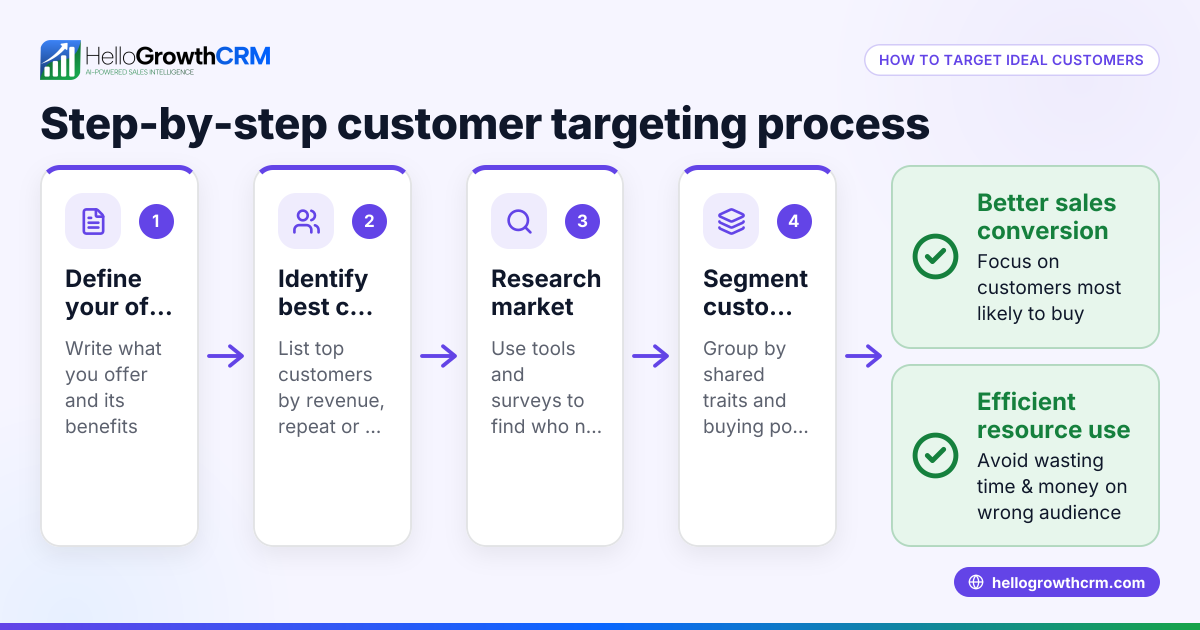
- Define your ideal customer profile (ICP). Write down the characteristics of your best customers, including industry, company size, location, and budget. Check if your current customers share these traits.
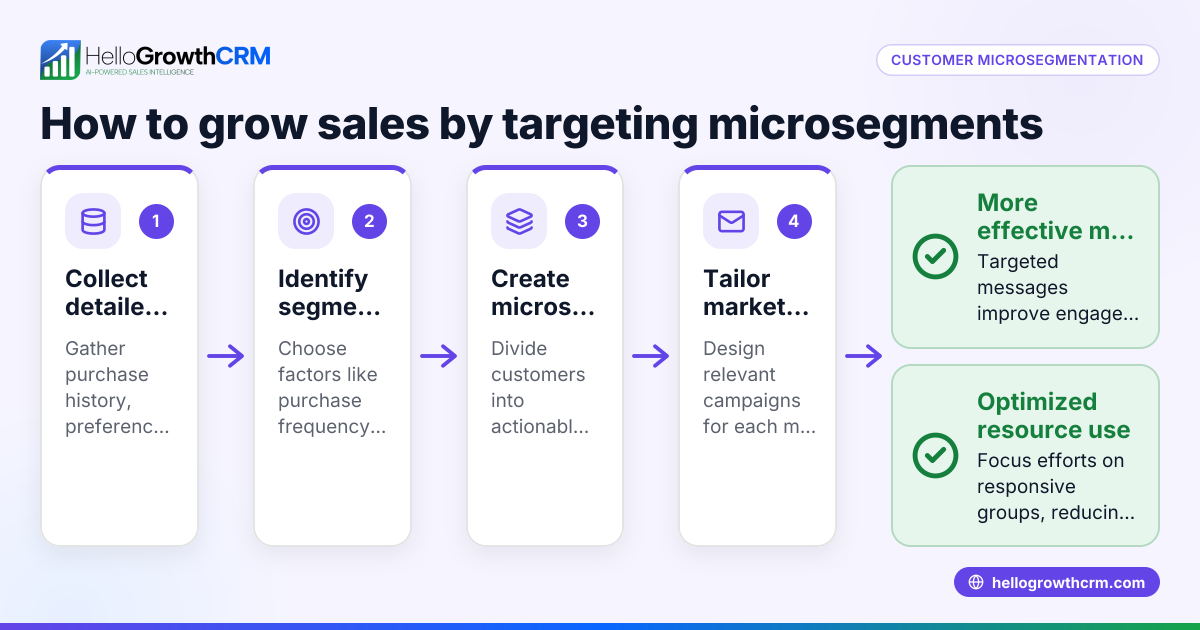
- Segment your leads. Group your existing and incoming leads based on how closely they match your ICP. Use categories like high, medium, and low fit.
- Prioritize high-fit leads. Focus your sales calls, emails, and messages on leads that closely match your ICP and show buying signals.
- Set clear follow-up schedules. Assign follow-up dates and tasks for each lead according to their priority to avoid forgetting or delaying contact.
- Track your sales pipeline. Monitor deals at each stage from first contact to close. Adjust your targeting based on which segments convert best.
- Review and refine regularly. Analyze sales data monthly to see which customer segments perform best and update your ICP and targeting accordingly.
- Use tools to automate and organize. Leverage CRM features like deal tracking and territory management to keep your sales efforts focused and efficient.
Example (fictional figures)
A two-location dental practice in Columbus, Ohio, wants to improve its sales targeting for a new teeth whitening service launched on 01/15/2024.
- Current leads: 200, mixed between individuals and corporate clients.
- Ideal customer profile: Local businesses with 20-100 employees interested in employee wellness perks.
- Step 1: Define ICP as above.
- Step 2: Segment leads: 50 high fit (local businesses 20-100 employees), 100 medium fit (individuals), 50 low fit (large corporations).
- Step 3: Prioritize 50 high-fit leads.
- Step 4: Schedule follow-ups within 3 days.
- Step 5: Track pipeline stages: 10 deals in negotiation, 5 deals closed.
Calculations:
- Total leads: 200
- High-fit leads: 50
- Conversion rate for high-fit leads assumed: 20% (10 deals)
- Average deal value: $1,200
- Expected revenue: 10 deals × $1,200 = $12,000
By focusing on high-fit leads, the practice expects $12,000 revenue instead of spreading effort evenly across all leads.
Common mistakes
- Not defining an ideal customer profile. Prevent this by clearly listing customer traits before outreach.
- Treating all leads equally. Prevent by segmenting leads and prioritizing follow-up based on fit and interest.
- Forgetting follow-up tasks. Prevent by using pipeline tools and scheduling follow-ups with reminders.
- Ignoring sales data. Prevent by regularly reviewing which leads convert and adjusting your targeting.
- Overcomplicating the process. Prevent by keeping your ICP and segmentation simple and actionable.
- Not using sales tools effectively. Prevent by adopting CRM features like deal tracking and territory management to organize efforts.
Doing this in HelloGrowthCRM
HelloGrowthCRM helps you manage your sales targeting with Deals (pipeline) by showing each quotation as a deal at the 'quote sent' stage with a follow-up date, so you never forget to follow up. If you have field sales reps, Territories, field operations and commissions features let reps log visits from their phones and let managers see daily activity. For founders without a sales manager, Managed RevOps provides a revenue specialist who maintains your follow-up queue weekly. Learn more about these features at HelloGrowthCRM for the United States and explore how the built-in CRM dialer and WhatsApp and SMS CRM can support your sales targeting.
Frequently asked questions
What is the difference between sales targeting and lead generation? Sales targeting focuses on selecting and prioritizing leads most likely to buy, while lead generation is about attracting new potential customers. Targeting helps you efficiently use leads you already have or generate by focusing on the best fits.
How often should I update my sales targeting criteria? Review your ideal customer profile and lead segments monthly or quarterly based on sales results. Markets and customer needs change, so regular updates keep your targeting effective.
Can small businesses benefit from sales targeting? Yes, especially small businesses with limited sales resources. Targeting helps prioritize efforts on leads with the highest chance to convert, saving time and increasing sales.
How does a CRM help with sales targeting? A CRM organizes leads, tracks deal stages, schedules follow-ups, and provides insights on which customer segments convert best. This keeps sales efforts focused and prevents leads from slipping through.
What if I don’t have a dedicated sales manager? Services like Managed RevOps in HelloGrowthCRM can provide weekly follow-up support and pipeline cleanup, helping founders maintain effective sales targeting without a full sales team.
Key takeaways
- Sales targeting means focusing on leads most likely to buy based on an ideal customer profile.
- Define, segment, and prioritize your leads to use your sales time efficiently.
- Use a sales pipeline to track deals and schedule follow-ups to avoid lost opportunities.
- Regularly review sales data to refine your targeting for better results.
- Avoid common mistakes like treating all leads equally or forgetting follow-ups.
- HelloGrowthCRM offers tools like Deals (pipeline), Territories, and Managed RevOps to support your sales targeting.
Start focusing your sales efforts today. Start on the Free Forever plan (200 leads, no credit card) to organize and target your sales better.
Ready to put this into practice?
Set up your pipeline, WhatsApp follow-ups, and AI lead scoring in minutes — free, no credit card.
Try HelloGrowthCRM freeGet CRM tips in your inbox
Join thousands of sales professionals who get weekly insights on CRM strategy, AI automation, and pipeline optimization.

The HelloGrowthCRM team publishes guides on CRM strategy, AI sales tools, and revenue operations for small business sales teams.