HelloGrowthCRM software
Built for real small-business sales teams
HelloGrowthCRM helps reps qualify faster, follow up on time, and close more deals—with practical automation in one place.
- AI lead scoring and pipeline visibility
- Built-in dialer, WhatsApp, and email automation
- Sales forecasting and RevOps-ready reporting
Customer journey KPIs are essential metrics that help small and mid-sized businesses understand how customers move through stages like awareness, consideration, purchase, and post-sale support. Tracking these KPIs reveals bottlenecks and opportunities to improve customer experience and increase sales.
Why this comes up / what goes wrong
Small-business owners often struggle with losing leads or customers because they don’t know exactly where in the journey customers drop off. They may rely on scattered data from emails, texts, or spreadsheets, making it hard to see the full picture. Without clear KPIs, it’s difficult to prioritize improvements or measure the impact of changes.
Step-by-step
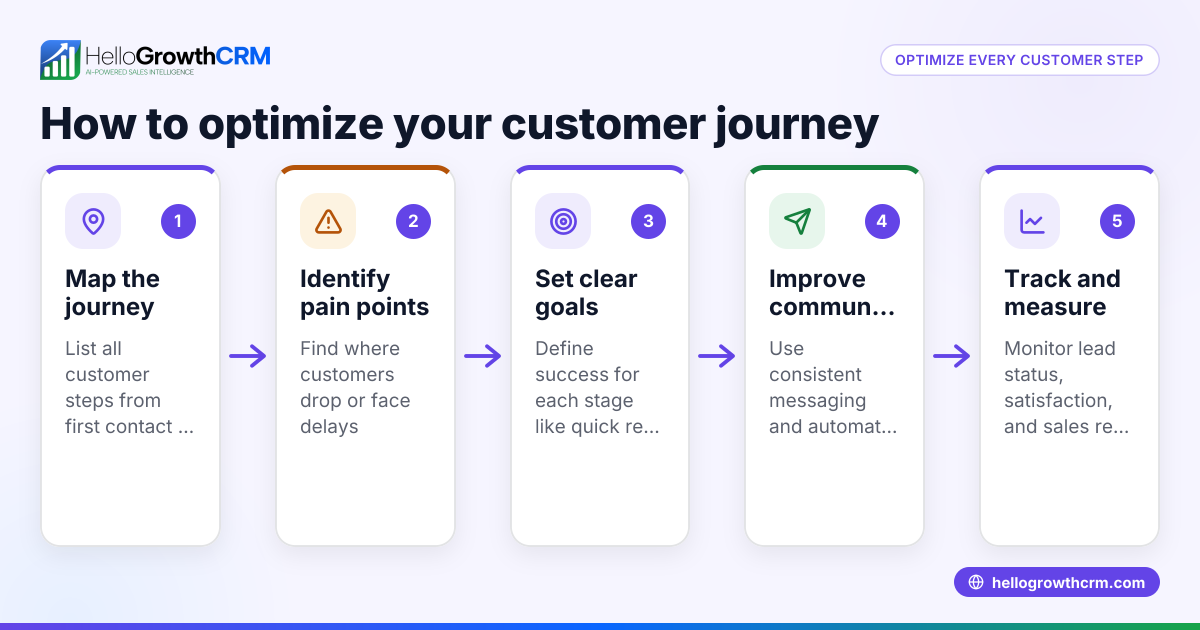
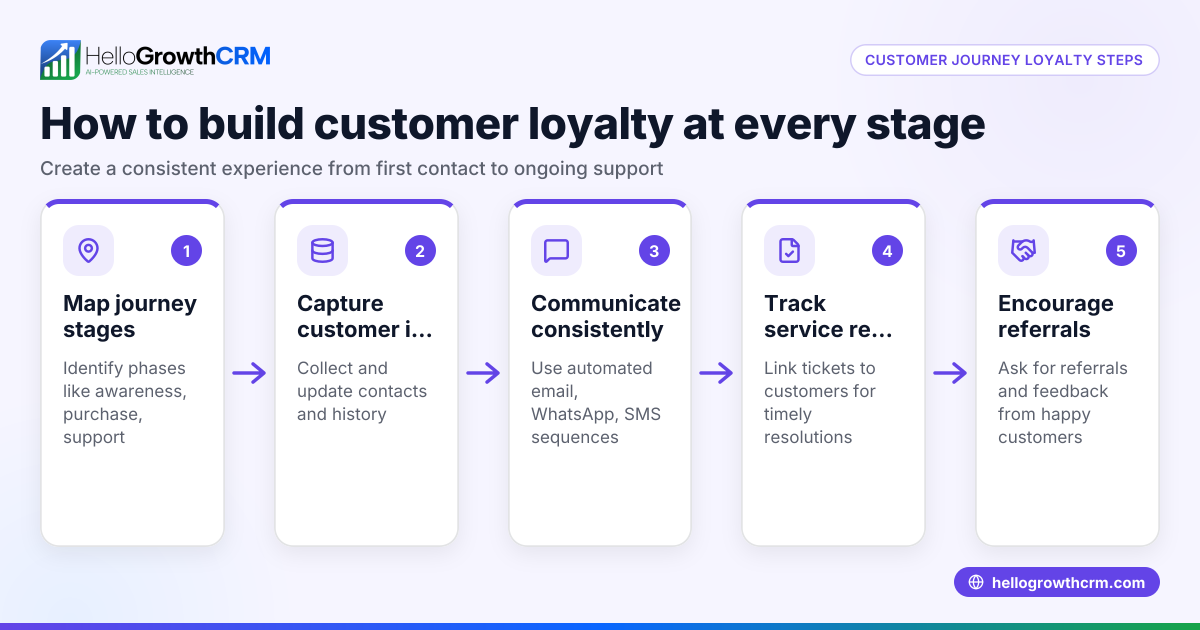
- Define your customer journey stages: Identify the key phases your customers go through, such as lead capture, qualification, proposal, purchase, and post-sale support. Check that these stages reflect your actual sales and service process.
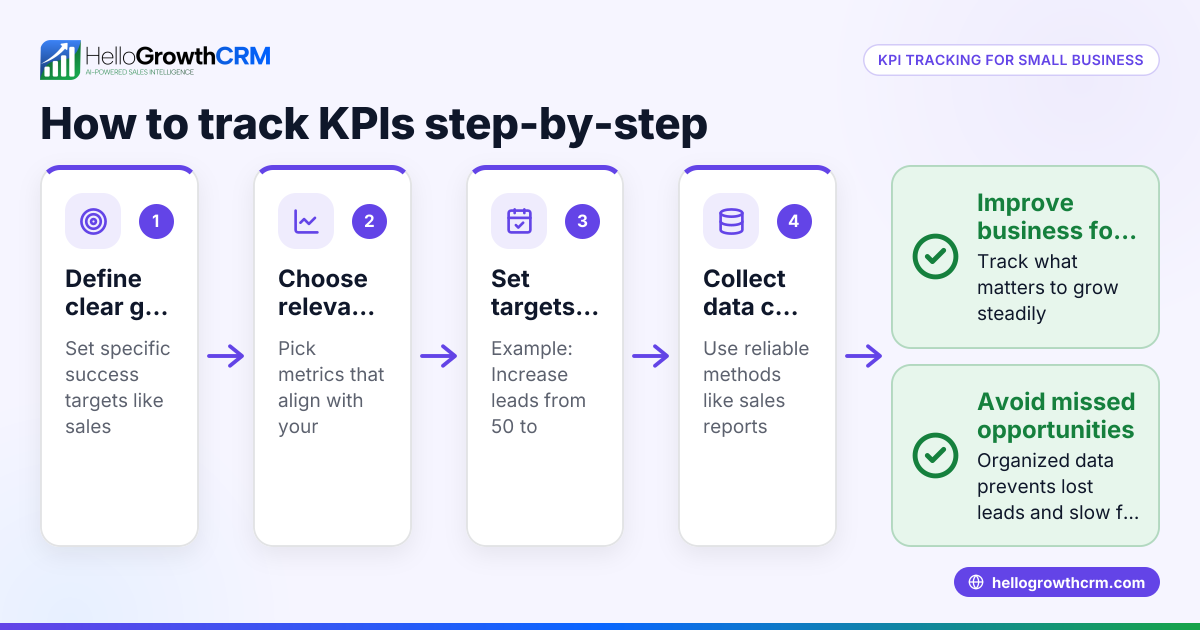
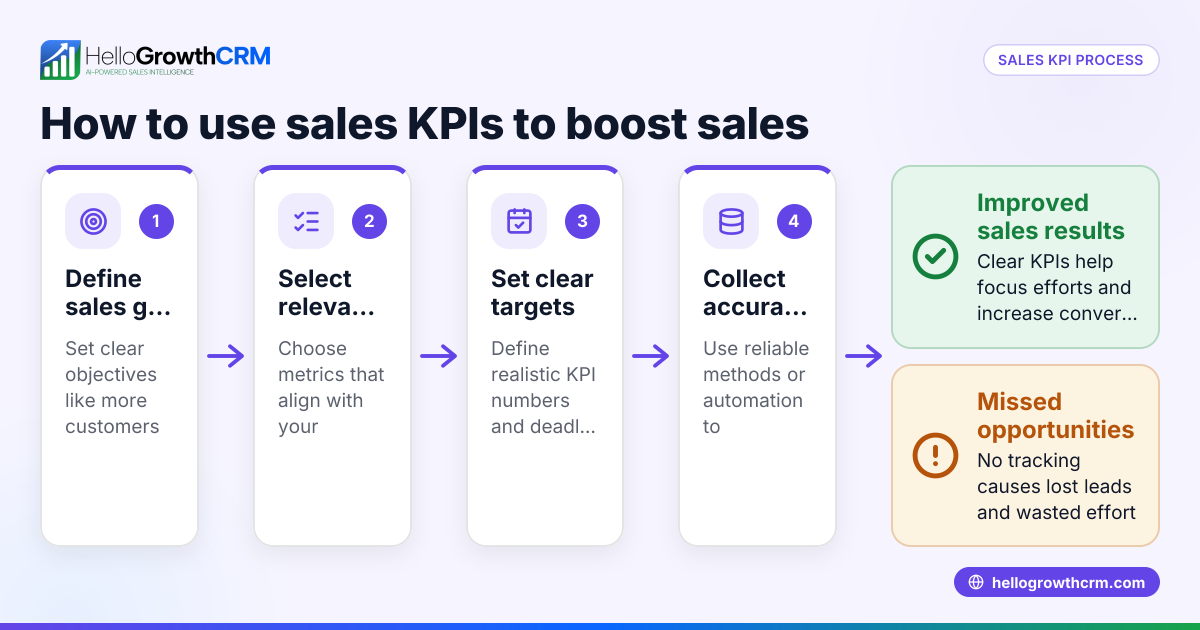
- Select relevant KPIs for each stage: Choose measurable indicators like lead response time, conversion rate between stages, customer satisfaction score, and repeat purchase rate. Verify that each KPI directly relates to a stage.
- Collect data consistently: Use tools or processes that capture data automatically where possible, such as timestamps on lead contact, deal status updates, and customer feedback. Check data accuracy regularly.
- Analyze KPI trends regularly: Review your KPIs weekly or monthly to spot patterns, improvements, or issues. Check for stages with low conversion or long delays.
- Take action based on insights: Prioritize fixing stages with poor KPIs. For example, speed up follow-up if lead response time is slow, or improve product information if proposal acceptance rates are low.
- Integrate customer service metrics: Include KPIs like ticket resolution time and customer satisfaction after purchase to get a full journey view.
- Use a CRM to centralize tracking: Consolidate all customer interactions and KPI data in one place to avoid fragmented information.
Example (fictional figures)
A two-location dental practice in Columbus, Ohio tracks these KPIs monthly:
- Total new leads: 300
- Leads contacted within 1 hour: 210
- Leads converted to appointments: 120
- Appointments completed: 100
- Patients returning for follow-up: 60
Calculate lead response rate:
210 contacted / 300 total leads = 0.70 or 70%
Calculate lead-to-appointment conversion rate:
120 appointments / 210 contacted leads = 0.57 or 57%
Calculate appointment completion rate:
100 completed / 120 appointments = 0.83 or 83%
Calculate follow-up return rate:
60 returning patients / 100 completed appointments = 0.60 or 60%
This shows the practice needs to improve lead contact speed and encourage more follow-ups.
Common mistakes
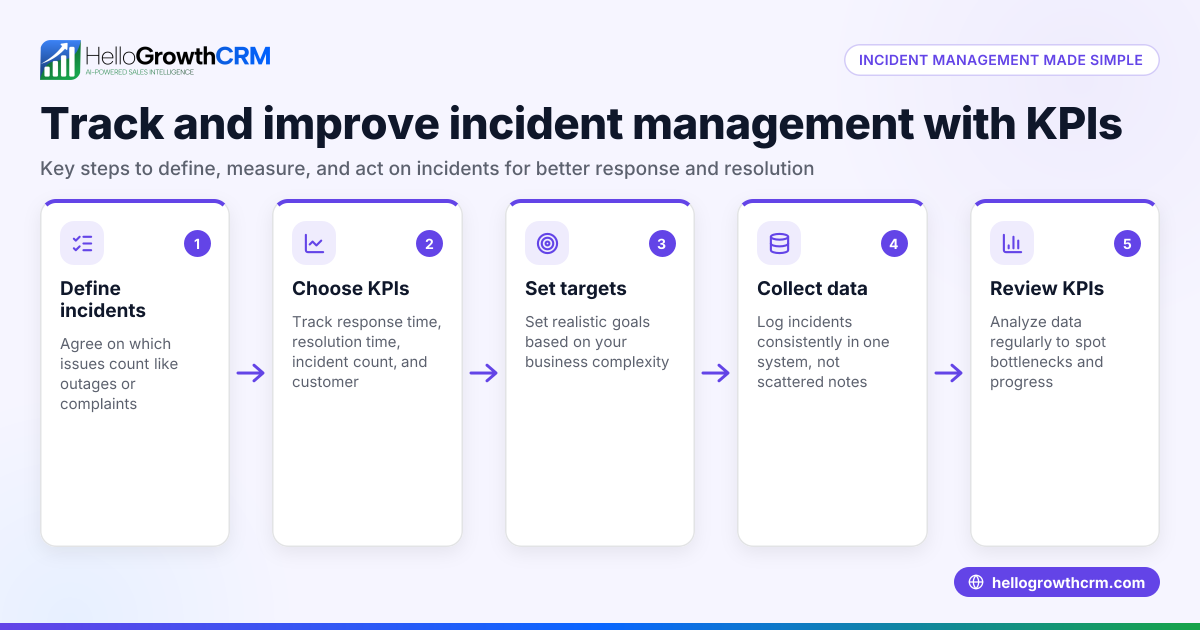
- Tracking too many KPIs at once: Focus on the most impactful KPIs to avoid overwhelm. Prevent by prioritizing KPIs linked to business goals.
- Using inconsistent data sources: Mixing spreadsheets, emails, and texts leads to errors. Prevent by centralizing data in a CRM.
- Ignoring post-sale metrics: Only tracking sales stages misses customer satisfaction and retention. Prevent by including service KPIs.
- Not reviewing KPIs regularly: KPIs lose value if not analyzed and acted upon. Prevent by setting scheduled KPI reviews.
- Confusing correlation with causation: Don’t assume a KPI drop is caused by one factor without checking. Prevent by investigating data carefully.
Doing this in HelloGrowthCRM
HelloGrowthCRM helps you track the full customer journey by keeping service requests, referrals, and support tickets on the same customer record as the deal. Its customer portal and knowledge base support post-sale engagement and faster issue resolution. This integration ensures you see KPIs across sales and service stages without losing context. Learn more about customer health score and how HelloGrowthCRM fits for the United States.
Frequently asked questions
What are the most important customer journey KPIs for small businesses? Key KPIs include lead response time, conversion rates between stages, customer satisfaction scores, and repeat purchase rates. These give a clear picture of how well your sales and service processes work.
How often should I review customer journey KPIs? Review KPIs at least monthly to spot trends and issues early. Weekly reviews can help if you have enough data and resources.
Can I track customer journey KPIs without a CRM? Yes, but it’s harder and more error-prone. You’d need consistent manual tracking using spreadsheets and tools like email timestamps. A CRM centralizes data and automates much of this.
How does customer service impact customer journey KPIs? Post-sale service affects customer satisfaction and retention KPIs. Fast ticket resolution and helpful knowledge bases improve the overall journey and future sales.
What is a customer health score and how does it relate to KPIs? A customer health score aggregates multiple KPIs into a single indicator of customer engagement and satisfaction. It helps prioritize outreach and service efforts. HelloGrowthCRM offers this feature to track customer status easily.
How can HelloGrowthCRM's WhatsApp and SMS CRM features help with customer journey KPIs? Using WhatsApp and SMS sequences in HelloGrowthCRM improves lead response times and follow-up consistency, positively impacting conversion and retention KPIs. Learn more at WhatsApp and SMS CRM.
Key takeaways
- Customer journey KPIs measure how customers move through sales and service stages.
- Define clear stages and select relevant KPIs for each.
- Collect and analyze data consistently to spot issues and improve.
- Avoid common mistakes like tracking too many KPIs or ignoring post-sale metrics.
- HelloGrowthCRM centralizes customer data and supports tracking KPIs across sales and service.
- Regular KPI reviews help make informed decisions that improve customer experience and sales.
Start tracking your customer journey KPIs today with HelloGrowthCRM. Start on the Free Forever plan (200 leads, no credit card).
Ready to put this into practice?
Set up your pipeline, WhatsApp follow-ups, and AI lead scoring in minutes — free, no credit card.
Try HelloGrowthCRM freeGet CRM tips in your inbox
Join thousands of sales professionals who get weekly insights on CRM strategy, AI automation, and pipeline optimization.

The HelloGrowthCRM team publishes guides on CRM strategy, AI sales tools, and revenue operations for small business sales teams.