HelloGrowthCRM software
Built for real small-business sales teams
HelloGrowthCRM helps reps qualify faster, follow up on time, and close more deals—with practical automation in one place.
- AI lead scoring and pipeline visibility
- Built-in dialer, WhatsApp, and email automation
- Sales forecasting and RevOps-ready reporting
Customer pain points refer to the specific problems or frustrations your customers experience that your business can address to improve their satisfaction and loyalty. These pain points can relate to product usability, customer service, pricing, or any other aspect that causes inconvenience or dissatisfaction. Recognizing and addressing these pain points allows your business to create better solutions and strengthen customer relationships.
Why this comes up / what goes wrong
Small-business owners often struggle with losing customers or missing sales because they don’t fully understand what frustrates or blocks their customers from buying or continuing to buy. Without clear insight into customer pain points, businesses may waste time and resources on features or services that don’t solve real problems. This can lead to slow sales follow-up, inconsistent communication, and poor service experiences that cause customers to leave.
Step-by-step
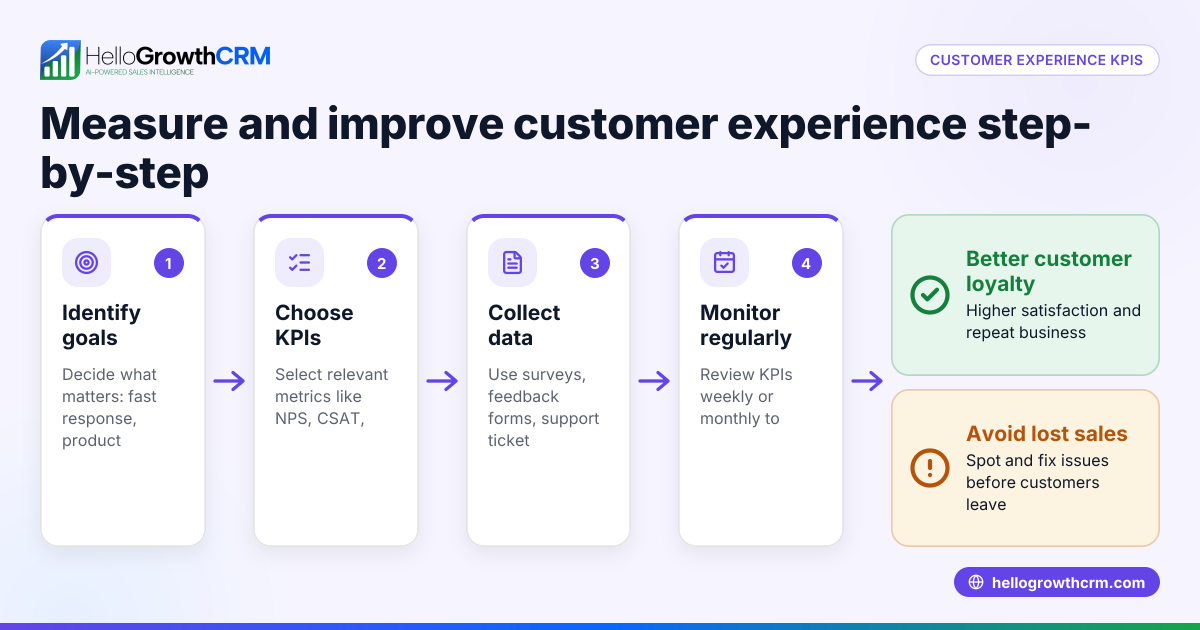
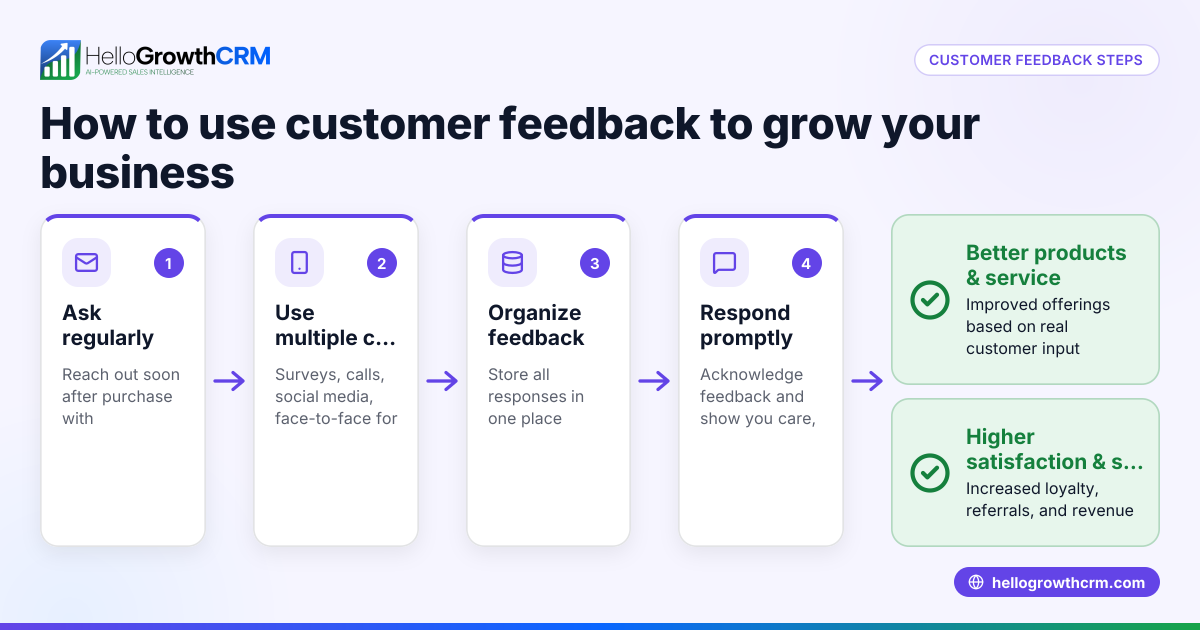
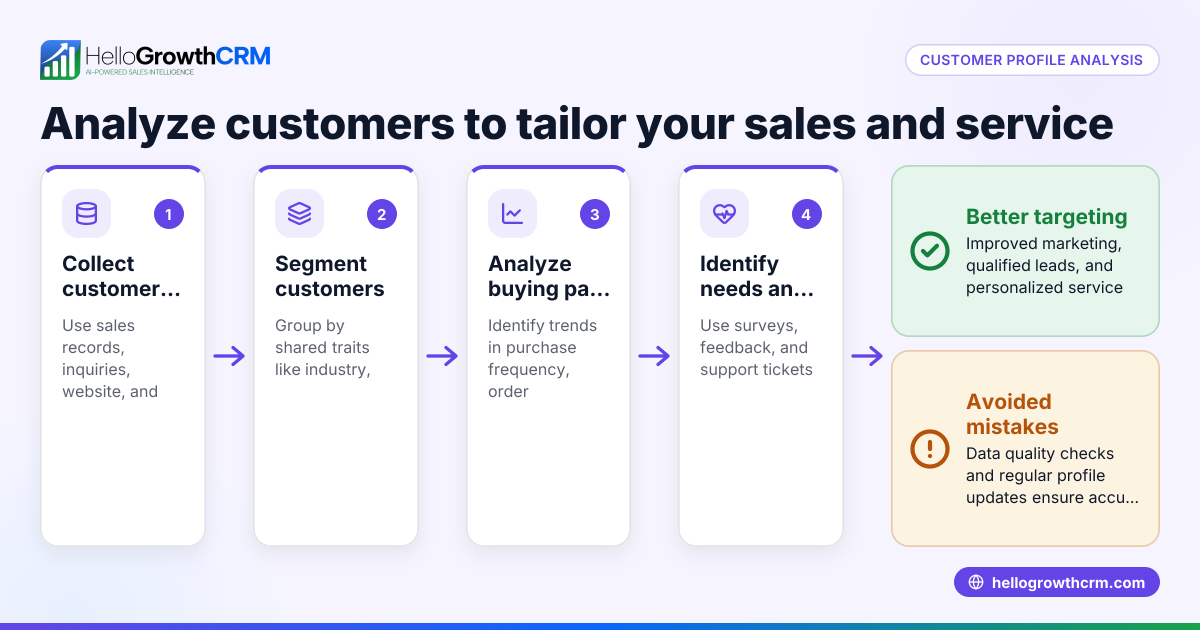
- Collect customer feedback regularly
- Use surveys, interviews, and direct conversations to ask customers about their challenges.
- Check support tickets and complaints for recurring issues.
- Analyze sales and service data
- Look for patterns in lost deals or repeat service requests.
- Review communication logs to spot common questions or objections.
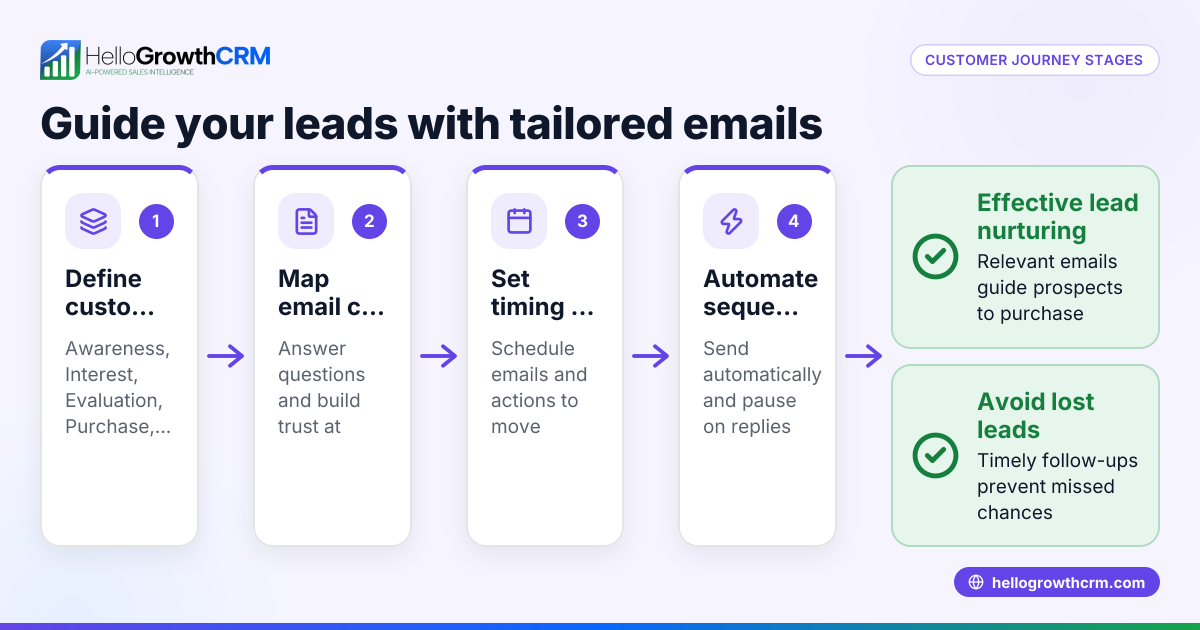
- Map the customer journey
- Identify stages where customers hesitate or drop off.
- Note any friction points like complicated ordering or slow responses.
- Prioritize pain points by impact
- Focus on problems that affect many customers or cause significant dissatisfaction.
- Consider how solving each pain point improves sales or retention.
- Develop targeted solutions
- Adjust your product, service, or communication based on the pain points.
- Test changes with a small group before wider rollout.
- Monitor results and iterate
- Track customer satisfaction and sales metrics after changes.
- Continue gathering feedback to refine solutions.
Example (fictional figures)
A plumbing company in Austin, Texas, noticed many leads dropped off after the initial inquiry. They collected feedback and found customers were frustrated by slow callbacks and unclear pricing.
- Monthly leads: 200
- Lost leads due to slow follow-up: 60 (30%)
- Average deal value: $1,200
They implemented a faster follow-up process with automated reminders and clearer pricing information.
- New lost leads due to follow-up: 30
- Leads converted to customers: 170
Calculation:
Initial lost revenue = 60 × $1,200 = $72,000 Reduced lost revenue = 30 × $1,200 = $36,000
By addressing the pain point of slow follow-up, they recovered $36,000 in potential monthly revenue.
Common mistakes
- Ignoring customer feedback: Prevent by actively seeking and reviewing feedback regularly.
- Assuming pain points without data: Prevent by collecting real data from customers and sales records.
- Trying to fix too many issues at once: Prevent by prioritizing pain points based on impact.
- Not following up on solutions: Prevent by monitoring results and adjusting as needed.
- Separating service requests from sales records: Prevent by keeping all customer interactions linked for a complete view, as supported by HelloGrowthCRM.
Doing this in HelloGrowthCRM
HelloGrowthCRM helps you manage customer pain points after the sale by keeping service requests, support tickets, and knowledge base articles all linked to the same customer record as the deal. This unified view makes it easier to track issues, respond quickly, and improve customer satisfaction. Features like the customer portal and referral tracking also help maintain ongoing communication and support. Learn more about the customer health score and how HelloGrowthCRM supports small businesses in the United States.
Frequently asked questions
What are the main types of customer pain points? Customer pain points generally fall into four categories: financial (cost concerns), process (complicated buying or service steps), productivity (time wasted), and support (lack of help or poor service). Identifying which type affects your customers most helps you focus your solutions.
How can I discover pain points if customers don’t complain? Use proactive methods like surveys, interviews, and analyzing sales data. Look for indirect signals such as abandoned carts, repeat questions, or frequent support tickets. Mapping the customer journey can also reveal hidden friction points.
Why is it important to prioritize pain points? Not all pain points have the same impact. Prioritizing ensures you focus resources on solving the biggest problems first, which improves customer satisfaction and business results faster. You can revisit less critical pain points later.
How does addressing pain points improve sales? Solving pain points removes barriers to purchase and builds customer trust. It leads to faster sales cycles, higher conversion rates, and better customer retention. Clear communication and fast follow-up, for example, directly reduce lost leads.
Can a CRM help with managing customer pain points? Yes. A CRM like HelloGrowthCRM centralizes customer data, service tickets, and communication history, making it easier to spot recurring issues and respond promptly. For businesses running sales through WhatsApp or SMS, this integration is especially useful. See how HelloGrowthCRM’s WhatsApp and SMS CRM features support this.
Key takeaways
- Customer pain points are specific problems your customers face that your business can solve.
- Identifying pain points requires collecting feedback, analyzing data, and mapping the customer journey.
- Prioritize pain points by their impact on customer satisfaction and sales.
- Avoid common mistakes like ignoring feedback or trying to fix everything at once.
- HelloGrowthCRM helps manage service requests linked to deals, improving post-sale support.
Start addressing your customer pain points today to improve sales and loyalty. Start on the Free Forever plan (200 leads, no credit card) to organize your leads and customer service in one place.
Ready to put this into practice?
Set up your pipeline, WhatsApp follow-ups, and AI lead scoring in minutes — free, no credit card.
Try HelloGrowthCRM freeGet CRM tips in your inbox
Join thousands of sales professionals who get weekly insights on CRM strategy, AI automation, and pipeline optimization.

The HelloGrowthCRM team publishes guides on CRM strategy, AI sales tools, and revenue operations for small business sales teams.