HelloGrowthCRM software
Built for real small-business sales teams
HelloGrowthCRM helps reps qualify faster, follow up on time, and close more deals—with practical automation in one place.
- AI lead scoring and pipeline visibility
- Built-in dialer, WhatsApp, and email automation
- Sales forecasting and RevOps-ready reporting
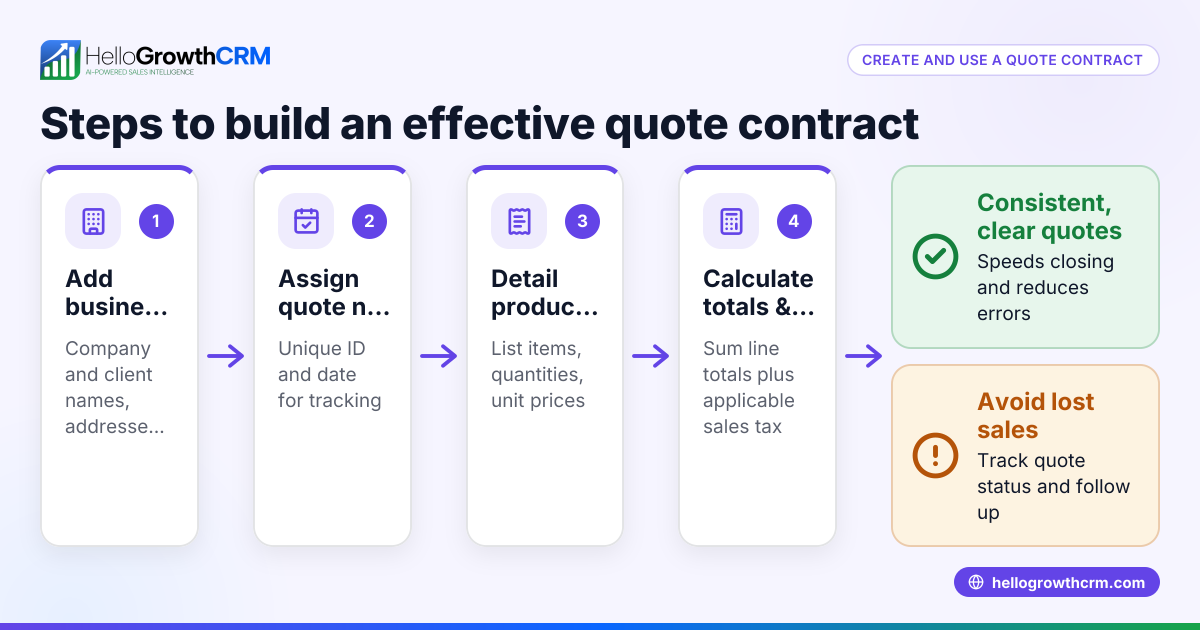
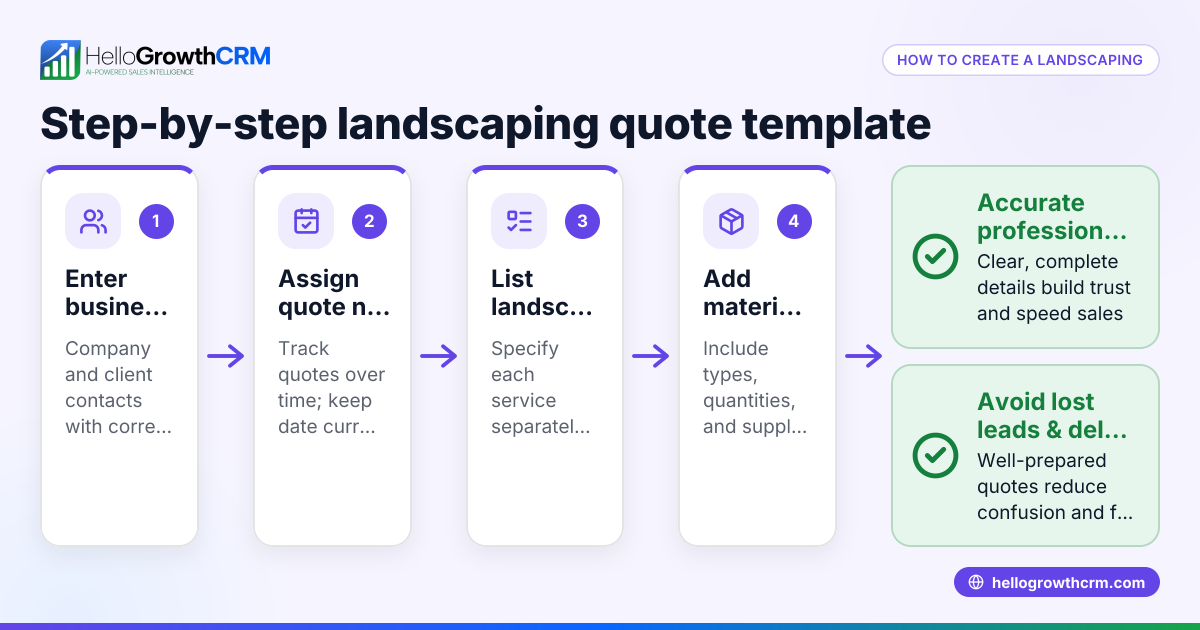
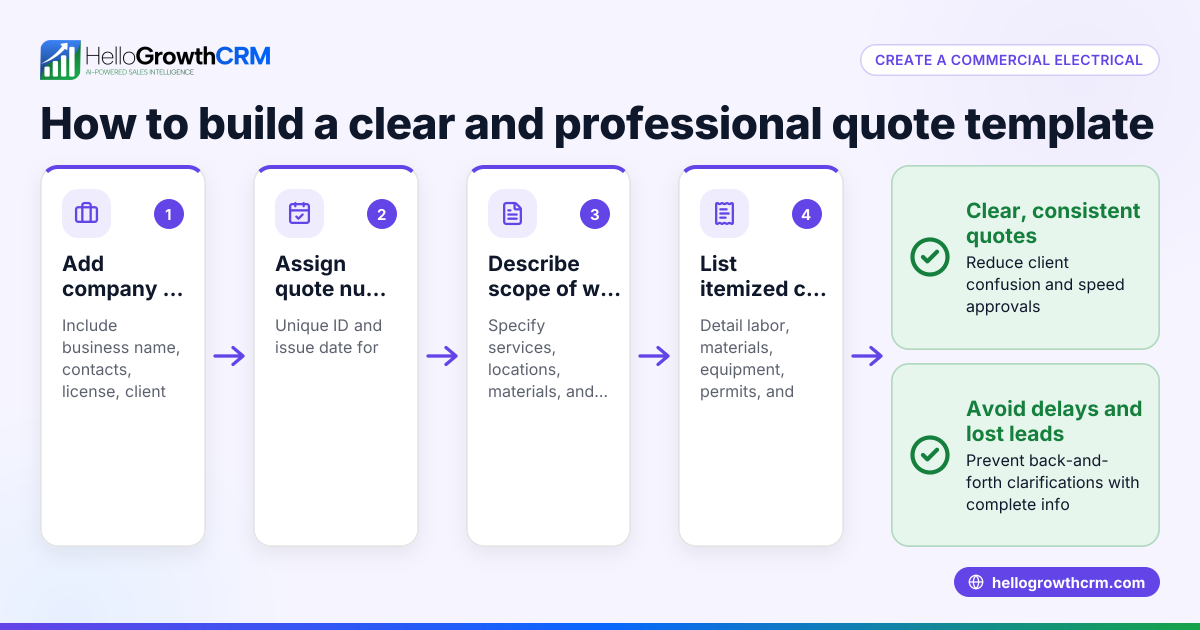
A freight quote template is a structured document that helps you provide clear, consistent pricing estimates for shipping goods. It typically includes shipment details, costs, terms, and contact information. This article explains why a freight quote template is important for small businesses, provides step-by-step instructions to create one, a worked example with realistic figures, common mistakes to avoid, and how HelloGrowthCRM supports quoting.
Why this comes up / what goes wrong
Small-business owners often need to provide freight quotes to customers quickly and accurately. Without a standardized template, quotes can be inconsistent, incomplete, or difficult to compare. This results in lost sales, misunderstandings, and delays. Many businesses rely on text messages, emails, or spreadsheets that lack clarity and tracking. A ready-to-use freight quote template ensures you include all necessary details, present pricing professionally, and streamline follow-up.
Freight quoting is especially common for businesses that ship products regularly, such as wholesalers, manufacturers, and moving companies. Without a clear format, important costs like fuel surcharges or insurance fees can be overlooked. Customers may also hesitate if payment terms or contact info are unclear. Having a reliable template saves time, reduces errors, and helps your team respond faster.
Step-by-step
- Collect shipment details
- Include origin and destination addresses with full ZIP codes.
- Specify shipment date and type of goods (e.g., fragile, hazardous).
- Double-check accuracy to avoid delivery issues.
- Calculate freight charges
- Determine shipment weight, volume, or number of units.
- Use carrier base rates or your negotiated pricing.
- Add special handling fees if needed.
- Add additional costs
- Include fuel surcharges, insurance, customs fees, and packaging.
- Verify each cost with invoices or carrier schedules.
- Specify payment terms and conditions
- Clearly state payment deadlines (e.g., 30 days net).
- List accepted payment methods (credit card, check, ACH).
- Include cancellation and refund policies.
- Include contact and company information
- Add your company name, address, phone number, and email.
- Provide a contact person’s name for questions.
- Format the template clearly
- Use tables or sections to separate shipment info, costs, and terms.
- Highlight the total charge prominently.
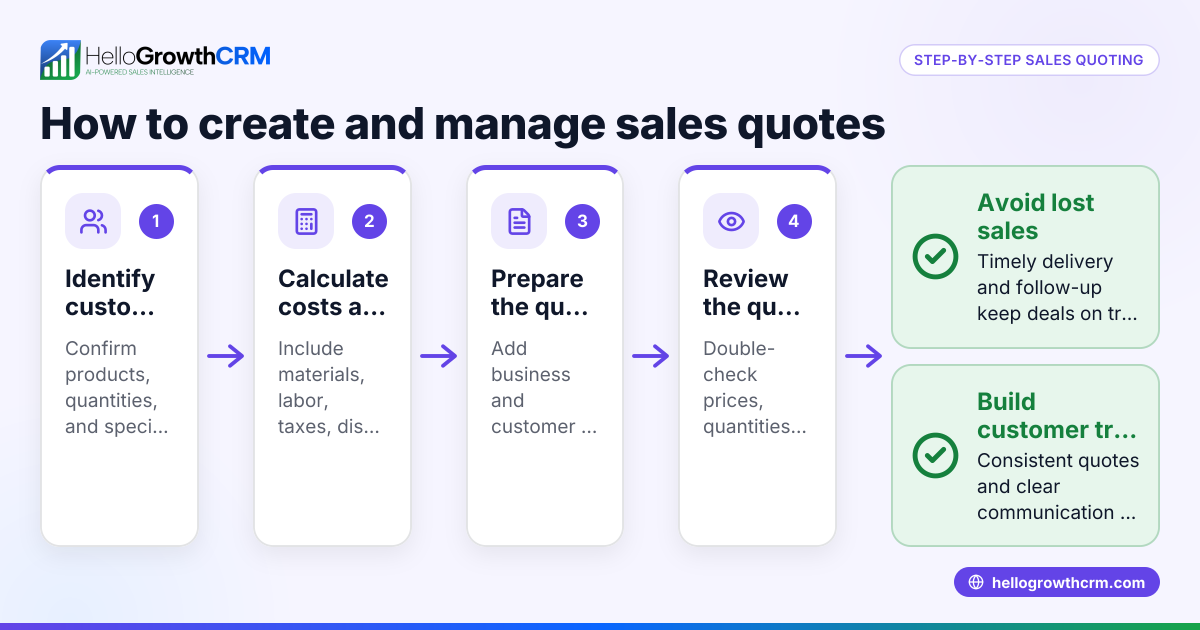
- Review and send the quote
- Double-check all numbers and dates.
- Save a copy for your records.
- Send via email or your CRM system.
Using ready-made sales templates can speed this process. You can find free options on our sales templates and free sales tools and calculators pages.
Example (fictional figures)
Phoenix Residential Movers, a small moving company in Phoenix, Arizona, prepares a freight quote for a client moving household goods to Denver, Colorado. The shipment date is 07/15/2026.
- Base freight rate: $2,000
- Fuel surcharge (assumed illustrative amount): $200
- Packing materials: $150
- Insurance fee: $100
Calculate total freight charge step by step:
$2,000 + $200 = $2,200
$2,200 + $150 = $2,350
$2,350 + $100 = $2,450
The quote includes payment terms: 50% due on acceptance, balance due within 15 days after delivery.
This clear, itemized quote helps the client understand the total cost and terms, reducing follow-up questions.
Common mistakes
- Omitting shipment details: Always include full origin and destination information to avoid confusion. Use ZIP codes and confirm addresses.
- Underestimating additional fees: Carefully check carrier surcharges, insurance, and packaging costs. Verify these fees with your carriers regularly.
- Unclear payment terms: Specify deadlines, accepted payment methods, and penalties for late payment to prevent delays.
- Poor formatting: Use tables or sections to improve readability and professionalism. Avoid dense blocks of text.
- Not tracking quotes sent: Keep records of quotes sent and their status to follow up promptly and avoid missed opportunities.
- Not updating templates: Review and update your freight quote template periodically to reflect current rates and policies.
Avoid these mistakes by using structured templates and tools available on our free sales tools and calculators page.
Doing this in HelloGrowthCRM
HelloGrowthCRM offers built-in quoting and proposal tools that let you create, send, and track freight quotes directly from the deal record. The quote status (sent, viewed, accepted) is visible on the same screen as your follow-up tasks, making it easier to manage communication and sales progress. Additionally, you can download free sales templates and calculators without needing an account from our free sales tools and calculators page.
Frequently asked questions
What should a freight quote template include? A freight quote template should include shipment origin and destination, shipment date, detailed freight charges such as base rate and any surcharges, payment terms, and your company contact information.
How do I calculate freight charges for a quote? Calculate freight charges based on shipment weight, volume, or units multiplied by carrier rates, plus any additional fees like fuel surcharges, packaging, or insurance. Always verify each cost for accuracy.
Can I use a freight quote template for international shipments? Yes, but you should include any customs fees, import/export duties, and compliance requirements relevant to international freight.
How do I follow up on sent freight quotes? Track the status of your quotes and schedule timely follow-ups. HelloGrowthCRM shows quote statuses alongside follow-up tasks, helping you stay organized.
Where can I find free freight quote templates? You can download free sales and quote templates, including freight quotes, from HelloGrowthCRM’s sales templates and free sales tools and calculators pages.
What payment terms are typical in freight quotes? Common payment terms include 30 days net or 50% upfront with the balance due after delivery. Be clear about accepted payment methods and any late fees to avoid confusion.
Key takeaways
- Use a freight quote template to provide clear, consistent shipping cost estimates.
- Include detailed shipment info, freight charges, additional fees, and payment terms.
- Review all details and format the quote professionally before sending.
- Avoid common mistakes like missing details or unclear terms by using templates.
- Keep your templates updated to reflect current rates and policies.
- HelloGrowthCRM’s quoting tools help create, send, and track freight quotes efficiently.
Start managing your freight quotes with ease. Start on the Free Forever plan (200 leads, no credit card).
Ready to put this into practice?
Set up your pipeline, WhatsApp follow-ups, and AI lead scoring in minutes — free, no credit card.
Try HelloGrowthCRM freeGet CRM tips in your inbox
Join thousands of sales professionals who get weekly insights on CRM strategy, AI automation, and pipeline optimization.

The HelloGrowthCRM team publishes guides on CRM strategy, AI sales tools, and revenue operations for small business sales teams.