HelloGrowthCRM software
Built for real small-business sales teams
HelloGrowthCRM helps reps qualify faster, follow up on time, and close more deals—with practical automation in one place.
- AI lead scoring and pipeline visibility
- Built-in dialer, WhatsApp, and email automation
- Sales forecasting and RevOps-ready reporting
Creating a follow up calendar is essential for Singapore small business owners to organise sales outreach and prevent losing leads due to slow or missed follow-ups. Many businesses rely on WhatsApp, email, and spreadsheets but struggle to keep track of when to contact prospects next. Without a structured schedule, leads can fall through the cracks, reducing sales conversion.
Why this comes up / what goes wrong
Small business owners and sales teams in Singapore often manage many leads across various channels. They might record follow-up dates in spreadsheets or messaging apps, but these are prone to errors or forgetfulness. Without a central, reliable system, missed calls and delayed responses happen frequently, causing lost opportunities. A follow-up calendar provides structure by mapping out when each lead should be contacted next, ensuring consistent engagement and better sales outcomes.
Step-by-step
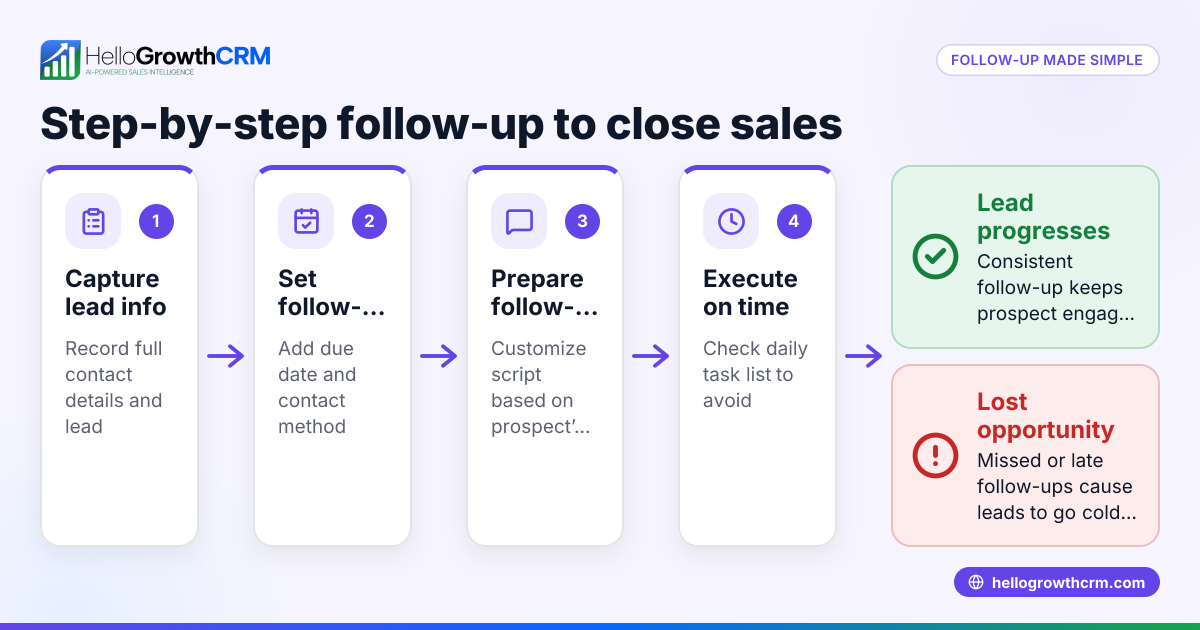
- Gather your leads and contact details: Collect all your current leads with names, phone numbers, email addresses, and the date of last contact.
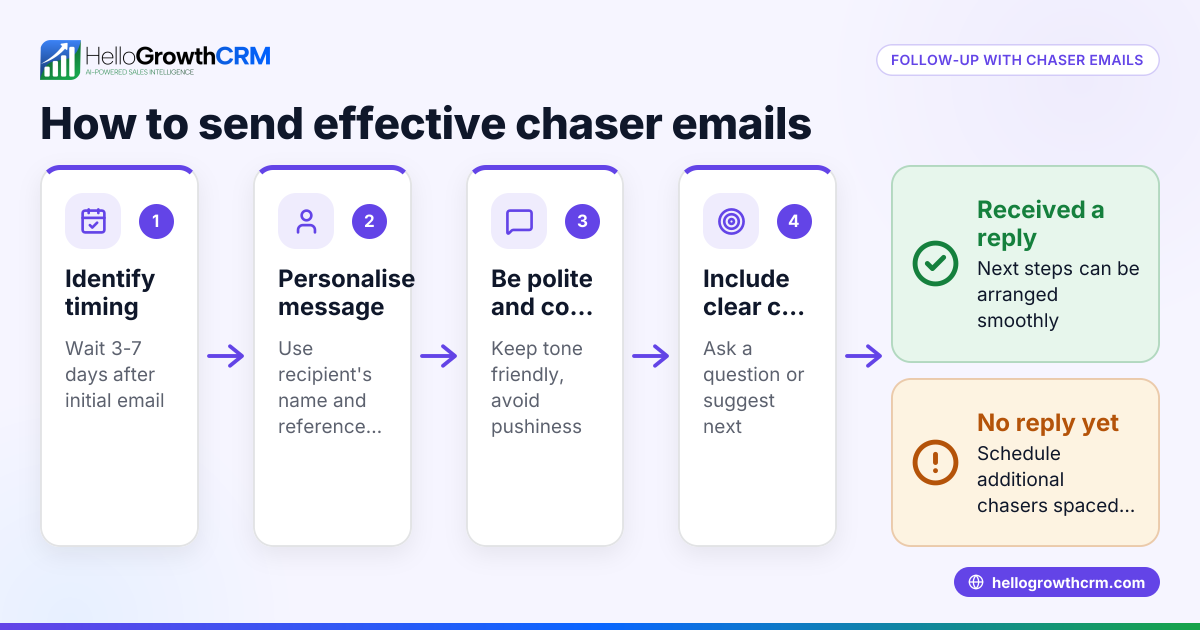
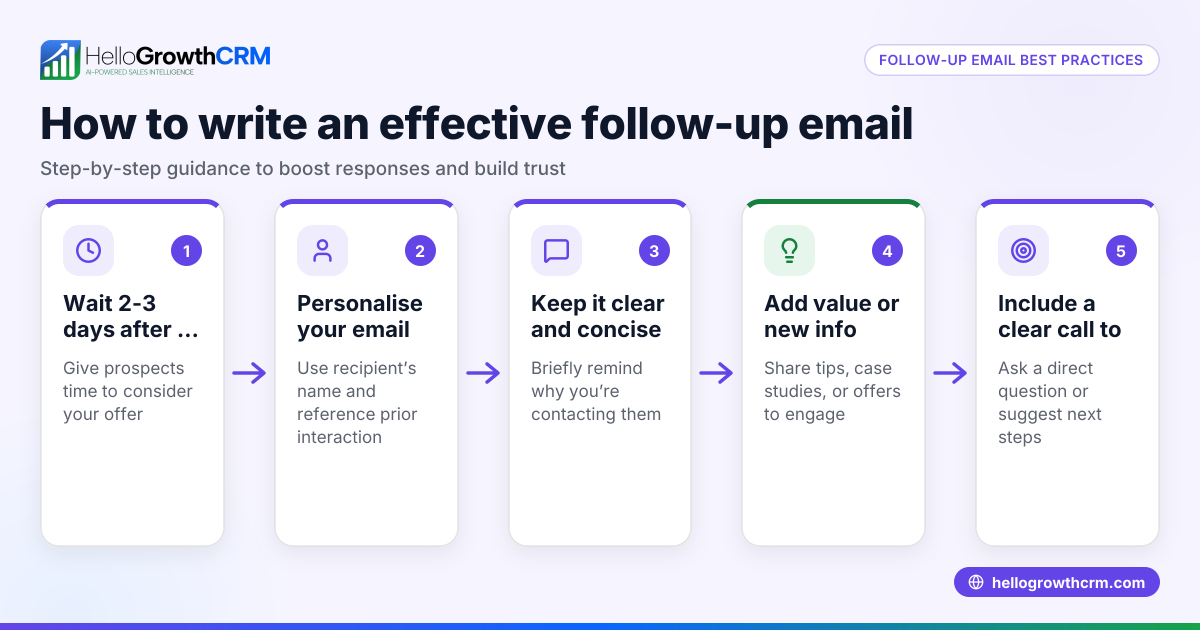
- Decide follow-up intervals: Choose how often to follow up based on your sales cycle. For example, first follow-up 2 days after initial contact, second follow-up 5 days after the first, and so on.
- Choose your tool to create the calendar: Use a digital calendar, spreadsheet, or task board. Each follow-up should be a task with a clear due date.
- Schedule follow-up tasks by date: For each lead, create tasks on the calendar according to your chosen intervals.
- Set reminders and alerts: Enable notifications on your phone or computer so you don’t miss calls or messages.
- Update follow-up outcomes: After each contact, mark the task as completed, reschedule if needed, or close it if the lead is won or lost.
- Review and adjust weekly: Regularly check your calendar to add new leads, remove closed deals, and modify follow-up timing.
- Use a sales task board or CRM if possible: This helps visualise your sales pipeline and keeps the whole team aligned. See sales task boards for more.
Example (fictional figures)
A renovation contractor based in Jurong contacts 10 leads on 01/06/2024. They plan a 3-step follow-up schedule: 3 days after initial contact, 7 days after first follow-up, and 14 days after second follow-up.
- Initial contact date: 01/06/2024
- First follow-up date: 01/06/2024 + 3 days = 04/06/2024
- Second follow-up date: 04/06/2024 + 7 days = 11/06/2024
- Third follow-up date: 11/06/2024 + 14 days = 25/06/2024
For each lead, the contractor creates tasks on these dates. For example, Lead A has a quote of S$8,000.
If Lead A responds on 04/06/2024, the remaining follow-ups are cancelled.
If Lead B does not respond, the contractor follows all 3 steps. Suppose the contractor closes Lead B’s deal on 26/06/2024 for S$15,000.
This calendar ensures no lead is forgotten and follow-ups are timely.
Common mistakes
- Not assigning clear due dates: Leads get forgotten without specific follow-up dates. Prevent this by scheduling tasks with exact due dates and reminders.
- Failing to update follow-up status: Not marking tasks complete or rescheduling causes redundant or missed messages. Always update task status after each contact.
- Following up too often or too rarely: Too frequent follow-ups annoy prospects; too sparse lose interest. Adjust intervals based on lead response.
- Using multiple disconnected tools: Managing leads across WhatsApp, email, and spreadsheets causes confusion. Centralise follow-ups with tools like sales task boards.
- Relying on memory without reminders: Without alerts, tasks slip through. Use notifications or automated sequences to stay on track.
Doing this in HelloGrowthCRM
HelloGrowthCRM turns every follow-up into a task with a due date on a sales task board, so your daily calls and messages appear as a clear list, not a memory test. You can automate a five-step follow-up sequence over two weeks that stops immediately when a prospect replies, saving time and effort. Additionally, AI agents draft follow-up messages after calls for quick review and sending. Learn more about email automation and sequences and HelloGrowthCRM for Singapore.
Frequently asked questions
How often should I follow up with a lead? Follow-up frequency depends on your business and sales cycle. A typical approach is to follow up within 2-3 days after initial contact, then space out subsequent follow-ups over two weeks. Adjust based on how leads respond.
Can I use WhatsApp for follow-ups? Yes, WhatsApp is widely used in Singapore for sales communication. However, managing follow-ups only on WhatsApp risks losing track. Combining WhatsApp with a CRM or task board ensures organised and timely follow-ups.
What if a lead doesn’t respond after multiple follow-ups? If a lead remains unresponsive after 3-5 follow-ups, consider pausing outreach and revisiting later. Keep notes on the lead’s status to avoid over-contacting.
How do I keep track of follow-ups across multiple team members? Use a shared task board or CRM that centralises follow-up tasks and updates. This avoids duplicate contact and keeps everyone aligned. HelloGrowthCRM’s task boards help with this.
Can I automate follow-ups? Yes, automation tools can send scheduled messages and reminders. HelloGrowthCRM offers sequences and campaigns to automate multi-step outreach until a reply is received.
Key takeaways
- List all leads with last contact dates before scheduling follow-ups.
- Set clear follow-up intervals with specific due dates and reminders.
- Track outcomes and update follow-up tasks to avoid redundant messages.
- Avoid juggling multiple disconnected tools; centralise with task boards or CRM.
- Use automation and AI drafting tools to save time and improve consistency.
Creating a follow-up calendar is crucial to keep your sales pipeline active and avoid losing leads. Start organising your follow-ups today to improve your business results.
Start on the Free Forever plan (200 leads, no credit card) at HelloGrowthCRM to manage your follow-ups efficiently.
Ready to put this into practice?
Set up your pipeline, WhatsApp follow-ups, and AI lead scoring in minutes — free, no credit card.
Try HelloGrowthCRM freeGet CRM tips in your inbox
Join thousands of sales professionals who get weekly insights on CRM strategy, AI automation, and pipeline optimization.

The HelloGrowthCRM team publishes guides on CRM strategy, AI sales tools, and revenue operations for small business sales teams.