HelloGrowthCRM software
Built for real small-business sales teams
HelloGrowthCRM helps reps qualify faster, follow up on time, and close more deals—with practical automation in one place.
- AI lead scoring and pipeline visibility
- Built-in dialer, WhatsApp, and email automation
- Sales forecasting and RevOps-ready reporting
Managing accounting firm client enquiries in India requires promptly recording each enquiry with full details, categorising by service and urgency, assigning responsibility for follow-up, and maintaining clear communication until resolution. This article explains why managing enquiries matters, provides step-by-step instructions, a detailed example with arithmetic, common mistakes to avoid, and answers frequently asked questions.
Why this comes up / what goes wrong
Accounting firms in India, whether a three-partner CA firm in Ahmedabad managing 80 GST clients or a solo tax practitioner in Nagpur, face challenges managing client enquiries. Common issues include lost leads due to delayed responses, incomplete client information, and lack of a structured follow-up process. Without a clear system, enquiries may be missed or handled inconsistently, causing potential clients to seek other firms. Efficient enquiry management is crucial for converting prospects into clients and maintaining a professional image.
Step-by-step
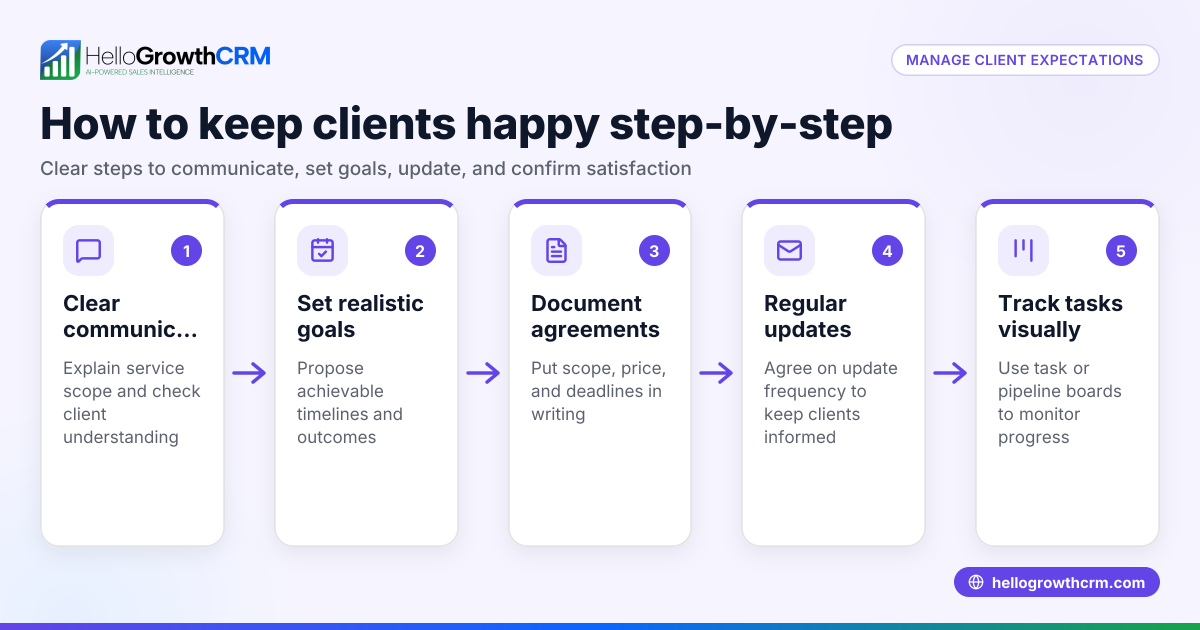
- Capture all enquiries immediately: Record every client enquiry from phone calls, WhatsApp messages, emails, or web forms as soon as they arrive. Include client name, contact number, enquiry type (e.g., GST filing, audit, tax consultation), and date/time.
- Categorise enquiries by service and urgency: Assign categories such as GST compliance, audit, tax filing, or bookkeeping. Mark enquiries with impending deadlines or urgent needs to prioritise follow-up.
- Assign responsibility: Allocate each enquiry to a specific team member or partner responsible for follow-up. Record the name of the person handling it to ensure accountability.
- Schedule follow-ups promptly: Set reminders to contact clients within 24 hours of the initial enquiry. Use a calendar, task list, or enquiry log to track these follow-ups.
- Prepare for follow-up conversations: Before contacting the client, review their details and enquiry type. Gather any relevant documents or information to answer questions effectively.
- Communicate clearly and professionally: Use polite, straightforward language. Confirm the client's needs, explain your services, timelines, and fees transparently.
- Record follow-up outcomes: After each interaction, note the client's response, agreed next steps, or reasons for declining your services.
- Update enquiry status regularly: Mark enquiries as pending, converted to client, or lost. This helps monitor progress and identify areas for improvement.
- Maintain a central enquiry log: Use a spreadsheet or CRM tool to keep all enquiry data accessible and up to date. This central record prevents information loss and supports team coordination.
- Review enquiry management monthly: Analyse enquiry data to identify delays, lost leads, or common enquiry types. Use this insight to improve response times and service offerings.
For industry-specific guidance, see Chartered accountants and bookkeeping firms. To manage enquiries via messaging, consider solutions like WhatsApp and SMS CRM.
Example (fictional figures)
A three-partner CA firm in Ahmedabad handles 80 GST clients. In April 2024, they receive 15 new client enquiries.
- On 01/04/2024, Mr. Patel calls about GST registration.
- They record:
- Client name: Mr. Patel
- Contact: 98765 43210
- Enquiry: GST registration
- Date/time: 01/04/2024 10:30 AM
- The enquiry is assigned to Partner 2, with a follow-up scheduled for 02/04/2024.
- On follow-up, Mr. Patel agrees to proceed with a service fee of ₹12,000.
Calculation for expected revenue from this enquiry:
₹12,000 (service fee) × 1 (client) = ₹12,000
- They receive another enquiry from Ms. Shah on 05/04/2024 for GST return filing.
- Service fee agreed: ₹8,000.
Calculation:
₹8,000 × 1 = ₹8,000
- Total expected revenue from these two enquiries:
₹12,000 + ₹8,000 = ₹20,000
By tracking all 15 enquiries similarly, the firm estimates potential revenue and prioritises urgent cases.
Common mistakes
- Delayed response to enquiries: Leads lose interest if not contacted within 24 hours. Prevent this by scheduling immediate follow-ups and using reminders.
- Incomplete client information: Missing contact details or enquiry specifics cause confusion and delays. Always verify and record complete details at first contact.
- No assigned responsibility: Enquiries fall through cracks without clear ownership. Assign each enquiry to a team member to ensure follow-up.
- Lack of follow-up tracking: Without reminders or task lists, follow-ups can be missed. Use calendars or enquiry logs to track actions.
- Poor communication clarity: Using jargon or unclear language confuses clients. Use simple, clear explanations tailored to the client’s understanding.
- No status updates: Without updating enquiry status, it is difficult to measure success or identify bottlenecks. Maintain and update a central log regularly.
For managing enquiries effectively, explore tools designed for Indian SMBs such as WhatsApp and SMS CRM.
Frequently asked questions
How quickly should I respond to client enquiries? Respond within 24 hours to keep potential clients engaged and demonstrate professionalism.
What details are essential to record from an enquiry? Capture client name, contact number, enquiry type, date/time, and any immediate requirements or deadlines.
How can I prioritise multiple enquiries? Categorise enquiries by urgency and service type. Address urgent or high-value enquiries first to maximise conversion.
Should I use software to manage enquiries? While spreadsheets can work, CRM tools tailored for Indian firms help automate follow-ups and centralise data. Learn more at HelloGrowthCRM for India.
How often should I review enquiry management? Monthly reviews help identify delays, lost leads, and opportunities to improve client acquisition strategies.
Key takeaways
- Capture and record every enquiry promptly with complete client details.
- Categorise and prioritise enquiries by urgency and service type.
- Assign responsibility and schedule timely follow-ups within 24 hours.
- Communicate clearly and professionally with clients.
- Track enquiry status and maintain a central log.
- Review enquiry management monthly to improve processes.
- Avoid common mistakes like delayed responses and incomplete information.
Managing client enquiries efficiently is essential for Indian accounting firms to grow and retain clients. Start on the Free Forever plan (200 leads, no credit card) to organise your enquiries today.
Ready to put this into practice?
Set up your pipeline, WhatsApp follow-ups, and AI lead scoring in minutes — free, no credit card.
Try HelloGrowthCRM freeGet CRM tips in your inbox
Join thousands of sales professionals who get weekly insights on CRM strategy, AI automation, and pipeline optimization.

The HelloGrowthCRM team publishes guides on CRM strategy, AI sales tools, and revenue operations for small business sales teams.