HelloGrowthCRM software
Built for real small-business sales teams
HelloGrowthCRM helps reps qualify faster, follow up on time, and close more deals—with practical automation in one place.
- AI lead scoring and pipeline visibility
- Built-in dialer, WhatsApp, and email automation
- Sales forecasting and RevOps-ready reporting
Insurance prospecting is the process insurance agents and financial services professionals use to find and qualify potential clients interested in insurance products. It involves identifying leads, assessing their needs, and initiating contact to convert them into customers. This article covers why insurance prospecting matters, step-by-step methods to do it well, common pitfalls to avoid, a realistic example, and answers to common questions about insurance prospecting in the US.
Why this comes up / what goes wrong
Insurance business owners and accountants in the US face specific challenges in prospecting because insurance products are complex, varied, and highly regulated. Leads often come from referrals, web inquiries, or cold outreach, but many prospects feel hesitant or overwhelmed by the many insurance choices available. Without a clear and organized prospecting process, agents risk wasting time on unqualified leads or losing them to competitors who respond faster. Common problems include slow follow-up, lack of organized lead tracking, unclear qualification criteria, and difficulties maintaining compliance with state insurance laws. Insurance prospecting requires targeted approaches that build trust and respect regulations.
Step-by-step
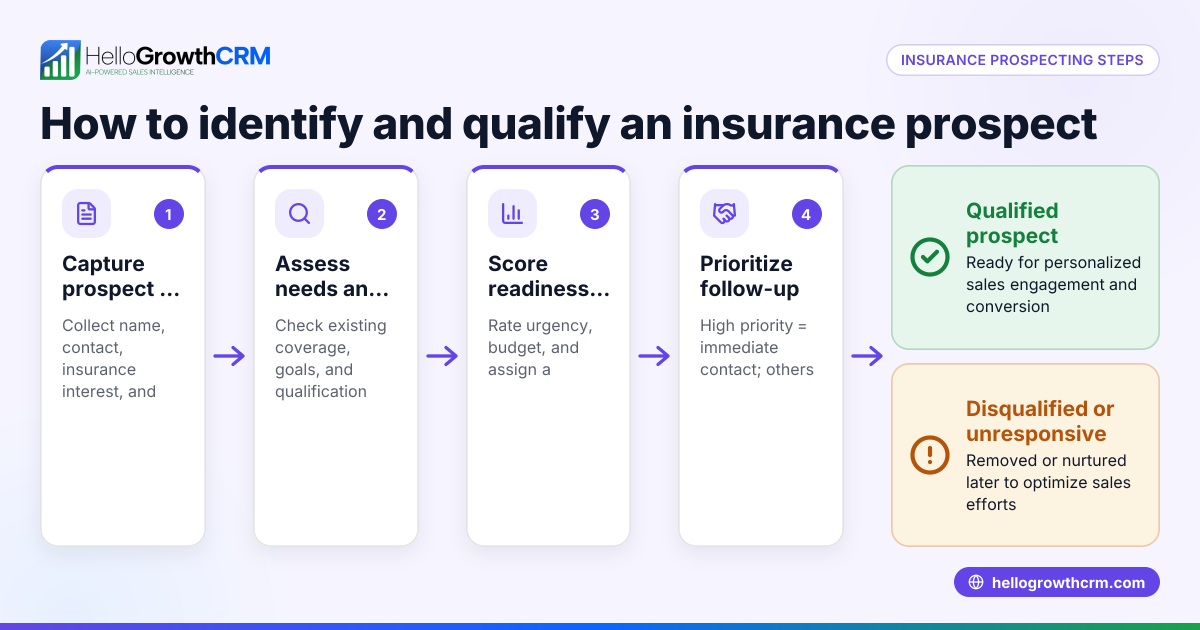
- Define your target market precisely: Identify which insurance products you offer (life, health, auto, home, commercial, etc.) and create an ideal customer profile based on demographics, income level, occupation, and insurance needs. Review your existing customer data for patterns to refine this profile.
- Collect leads from reliable sources: Use web forms on your website, referrals from satisfied clients, networking events, partnerships with local businesses, and social media engagement. Always verify the source and quality of each lead to avoid wasting time.
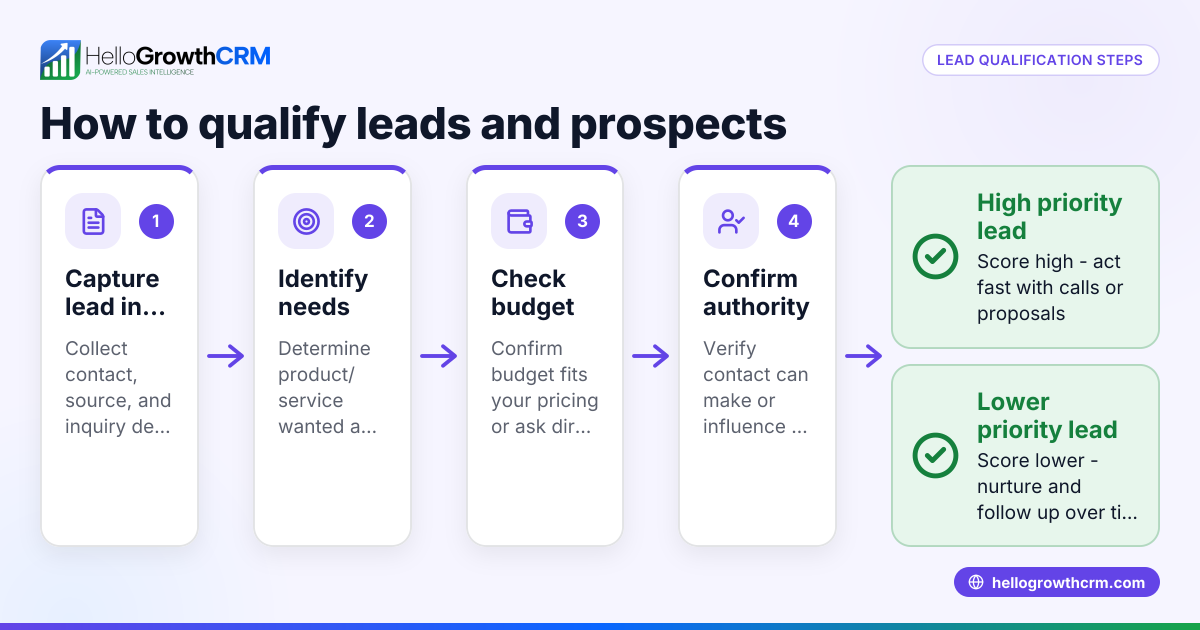
- Pre-qualify leads quickly: Contact new leads promptly to assess their insurance needs, budget, and readiness to purchase. Ask clear and focused questions about their current coverage, pain points, and what they want to improve.
- Organize leads in a structured pipeline: Use a spreadsheet or CRM system to track each lead’s status from initial contact through follow-up and closing. This prevents leads from being lost or forgotten.
- Follow up consistently but respectfully: Set reminders for calls, emails, or messages. Persistence is important, but avoid overwhelming prospects with too many contacts.
- Educate prospects with clear information: Explain insurance policies, benefits, and costs in plain language. Help prospects understand what coverage fits their needs and why.
- Guide prospects through closing: When a prospect is ready, assist them with the application process, ensuring that all paperwork is completed accurately and compliance requirements are met.
- Request referrals after closing: Ask satisfied clients to refer friends, family, or colleagues who might need insurance. Referrals are a valuable source of qualified leads.
Make sure your prospecting approach complies with state insurance regulations and privacy laws. For more on insurance and financial services, see Insurance agents, NBFCs and financial services.
Example (fictional figures)
Consider a small insurance agency in Austin, Texas, specializing in auto and home insurance. They receive 150 web form leads monthly.
- Step 1: Target market is homeowners and drivers aged 25-55 in Austin.
- Step 2: From 150 leads, 100 are verified as local residents.
- Step 3: Pre-qualification calls reach 70 prospects; 40 express interest and budget alignment.
- Step 4: Pipeline tracking shows 40 qualified leads.
- Step 5: Follow-up reminders are set for 30 leads who requested more information.
- Step 6: Educational emails sent to 30 leads.
- Step 7: 20 leads proceed to application.
- Step 8: 15 policies sold, each averaging $1,200 annual premium.
Calculations:
15 policies × $1,200 = $18,000 annual premium revenue
Assuming a 30% commission rate:
$18,000 × 30% = $5,400 commission income
This example demonstrates how structured insurance prospecting can convert leads into revenue efficiently.
Common mistakes
- Ignoring lead qualification: Contacting every lead without screening wastes time and resources. Prevent this by asking key qualifying questions early in the process.
- Slow follow-up: Delayed responses often cause prospects to choose competitors. Use reminders and aim to contact new leads within 24 hours.
- Unorganized lead tracking: Without a system, leads can get lost or forgotten. Use a simple CRM or spreadsheet to keep track of lead status.
- Over-contacting prospects: Excessive calls or messages can annoy potential clients. Schedule your follow-ups thoughtfully and respect prospect preferences.
- Lack of product knowledge: Failing to explain insurance products clearly reduces trust and conversion rates. Prepare simple, clear explanations for common policies.
- Not asking for referrals: Missing opportunities to grow your network limits your lead pipeline. Always ask for referrals after closing a sale.
For tools that help manage leads and communication, explore WhatsApp and SMS CRM.
Frequently asked questions
What is the best way to find insurance leads? The best approach combines inbound methods like web forms and referrals with outbound methods such as networking and cold calls. Focus on your target market and verify lead quality to improve conversion rates.
How quickly should I follow up on a new insurance lead? Aim to contact new leads within 24 hours. Prompt follow-up increases the chance of converting prospects into customers.
How do I qualify an insurance prospect? Ask about their current coverage, budget, insurance needs, and readiness to buy. This helps determine if your products suit their situation.
Can social media be used for insurance prospecting? Yes, social media can generate leads by sharing useful content and engaging professionally with your audience. It complements other prospecting methods.
What compliance issues affect insurance prospecting? You must comply with state insurance regulations and privacy laws when contacting prospects. Always obtain consent before outreach and keep records as required.
Learn more about US-specific sales and CRM approaches at HelloGrowthCRM for the United States.
Key takeaways
- Define your target insurance market clearly based on product and customer profile.
- Collect and verify leads from multiple reliable sources.
- Pre-qualify leads quickly with focused questions.
- Track leads systematically in a pipeline to avoid losing prospects.
- Follow up promptly and consistently while respecting prospect preferences.
- Educate prospects with clear, simple information about insurance products.
- Always ask for referrals to expand your lead network.
Start your insurance prospecting efficiently by managing up to 200 leads on the Free Forever plan at Start on the Free Forever plan (200 leads, no credit card).
Ready to put this into practice?
Set up your pipeline, WhatsApp follow-ups, and AI lead scoring in minutes — free, no credit card.
Try HelloGrowthCRM freeGet CRM tips in your inbox
Join thousands of sales professionals who get weekly insights on CRM strategy, AI automation, and pipeline optimization.

The HelloGrowthCRM team publishes guides on CRM strategy, AI sales tools, and revenue operations for small business sales teams.