HelloGrowthCRM software
Built for real small-business sales teams
HelloGrowthCRM helps reps qualify faster, follow up on time, and close more deals—with practical automation in one place.
- AI lead scoring and pipeline visibility
- Built-in dialer, WhatsApp, and email automation
- Sales forecasting and RevOps-ready reporting
Loyalty program customer data refers to the information businesses gather from customers enrolled in their loyalty or rewards programs. This data typically includes names, contact details, purchase records, points earned, and redemption history. Collecting and using this data helps businesses tailor marketing, improve customer service, and boost repeat sales.
Why this comes up / what goes wrong
Small-business owners often start loyalty programs to reward repeat customers but struggle with managing the data properly. Without a clear process, customer data can become scattered across spreadsheets, emails, or text messages. This disorganization leads to slow follow-up, missed opportunities to engage customers, and difficulty measuring program success. Owners may also worry about data security and compliance with privacy laws.
Step-by-step
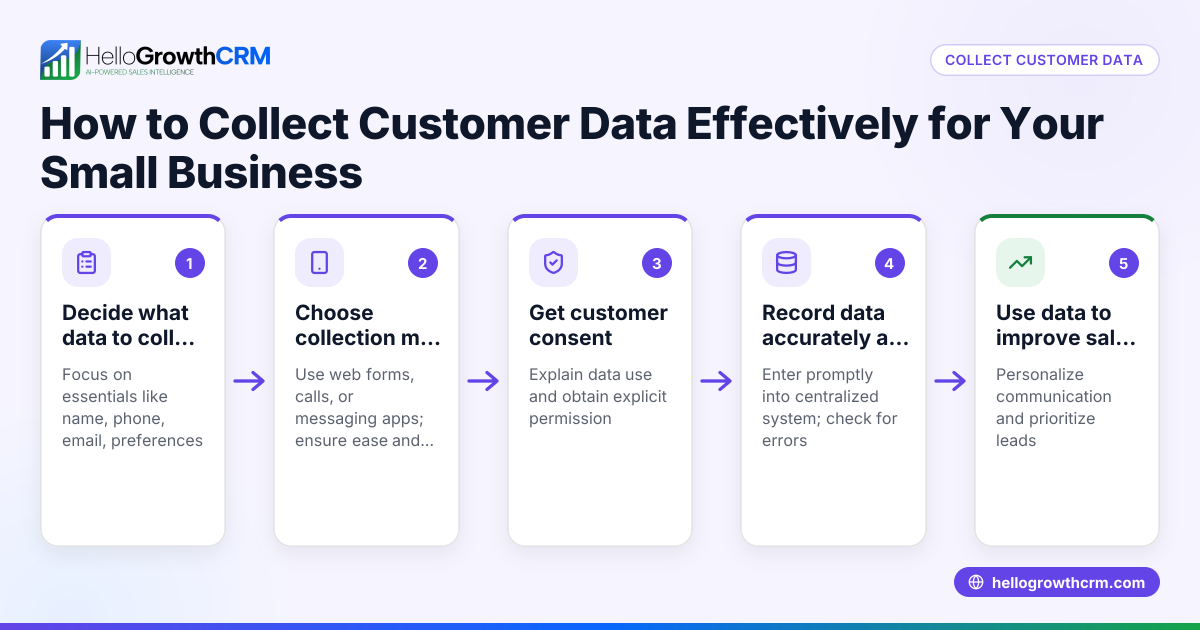
- Define what data to collect: Decide on the essential data points such as customer name, phone number, email, purchase history, and loyalty points balance. Check that the data collected aligns with your program goals and respects privacy regulations.
- Choose a method to capture data: Use web forms, in-store sign-ups, or integrations with your sales system to gather customer information reliably. Verify that data entry is consistent and reduces manual errors.
- Organize data in one place: Store all loyalty program customer data in a centralized system or CRM to avoid fragmentation. Check regularly that the data is up-to-date and complete.
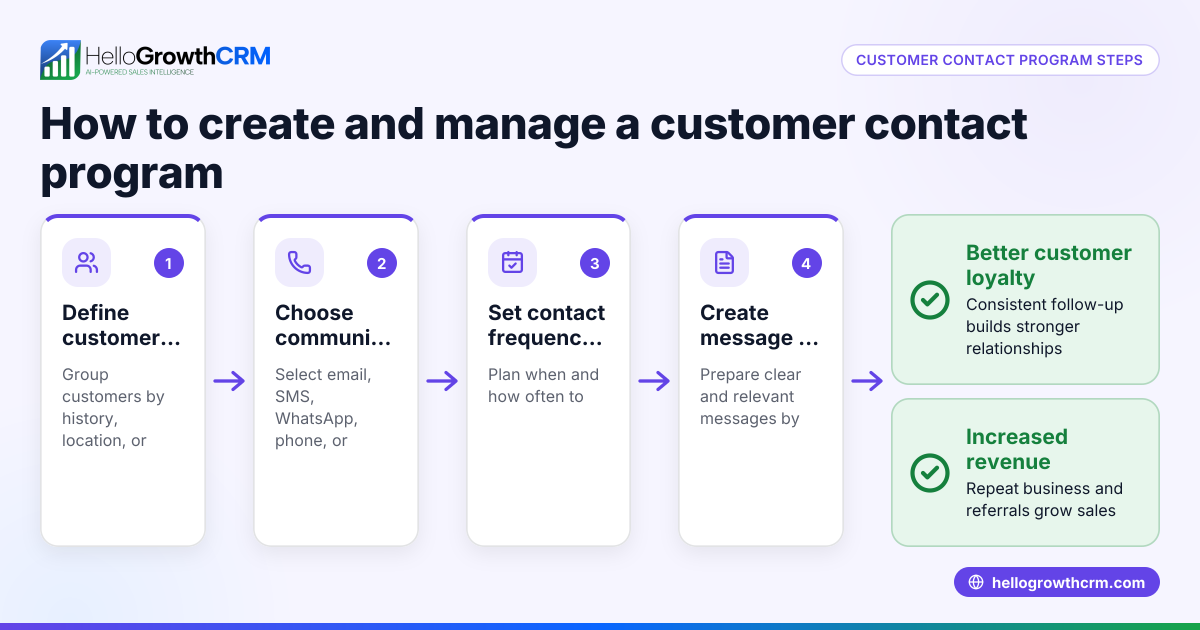
- Analyze and segment customers: Use purchase history and engagement data to group customers by behavior or value. This helps in sending targeted offers or rewards.
- Use data to personalize communication: Send relevant promotions via email, SMS, or WhatsApp based on customer preferences and activity. Check open rates and responses to refine messaging.
- Track redemption and engagement: Monitor how customers use their loyalty points or rewards. Verify that the program encourages repeat business and customer satisfaction.
- Ensure data security and compliance: Protect customer data according to applicable laws and best practices. Review your data residency needs and privacy policies.
Example (fictional figures)
A two-location dental practice in Columbus, Ohio, launched a loyalty program on 01/01/2026 to reward patients for regular visits and referrals. They collected customer data including names, phone numbers, emails, visit dates, and points earned.
- Total patients enrolled: 1,200
- Average visit value: $150
- Average visits per patient per year: 2
They segmented patients into two groups:
- Group A (600 patients): High engagement, 3 visits/year
- Group B (600 patients): Low engagement, 1 visit/year
Revenue from Group A: $150 × 3 visits × 600 patients = $270,000
Revenue from Group B: $150 × 1 visit × 600 patients = $90,000
By sending personalized reminders and offers to Group B, they increased visits by 50% to 1.5 visits per year.
New revenue from Group B: $150 × 1.5 visits × 600 patients = $135,000
Total revenue increase: $135,000 - $90,000 = $45,000
This example shows how loyalty program customer data helped the practice identify low-engagement patients and target them effectively.
Common mistakes
- Scattered data storage: Avoid keeping customer data in multiple spreadsheets or apps. Use a centralized system to ensure accuracy and easy access.
- Collecting too much or irrelevant data: Only gather data you will actively use to reduce complexity and comply with privacy laws.
- Ignoring data privacy rules: Always inform customers about data use and secure their consent. Review your compliance regularly.
- Failing to update data: Regularly verify and clean your data to avoid outdated or incorrect information.
- Not using data for targeted communication: Sending generic offers wastes opportunities. Segment and personalize communications based on data.
- Neglecting to track program effectiveness: Monitor redemption rates and customer feedback to adjust your loyalty program.
Doing this in HelloGrowthCRM
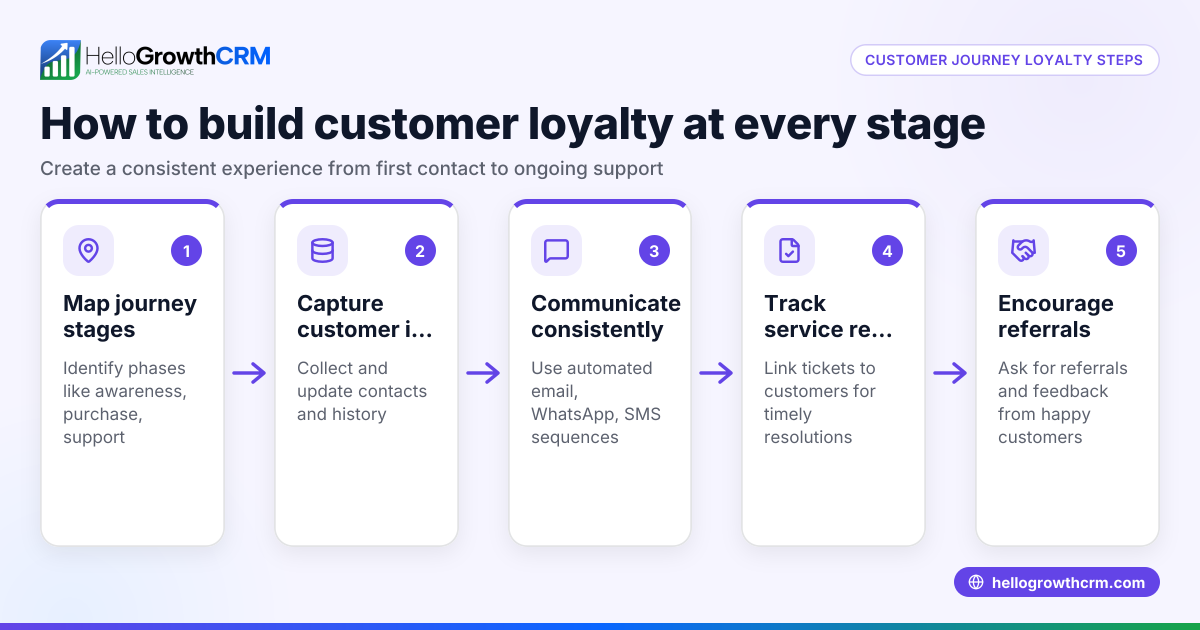
HelloGrowthCRM has completed a SOC 2 Type II examination and supports CCPA data-subject rights. After the sale, service requests and support tickets stay linked to the same customer record as the deal, keeping all loyalty-related interactions in one place. Learn more about HelloGrowthCRM features on WhatsApp and SMS CRM and how it helps with customer health score. For US businesses, see HelloGrowthCRM for the United States.
Frequently asked questions
What types of customer data are most valuable in a loyalty program? Key data includes contact information, purchase history, points earned, redemption activity, and communication preferences. This data helps tailor rewards and improve engagement.
How can I ensure my loyalty program data is secure? Use systems that comply with data protection laws and offer secure data storage. Inform customers about data use and obtain their consent. Regularly review your security practices.
How often should I update my loyalty program customer data? Regular updates are crucial to maintain accuracy. Schedule periodic reviews to clean outdated information and verify customer contacts.
Can I integrate loyalty program data with my sales and marketing tools? Yes, integrating data with your CRM or marketing platforms streamlines communication and tracking. HelloGrowthCRM supports integrations that help centralize data.
What is the benefit of segmenting loyalty program customers? Segmentation allows sending targeted offers that match customer behavior and preferences, increasing the effectiveness of your marketing and rewards.
Key takeaways
- Loyalty program customer data includes contact info, purchase history, and engagement details.
- Centralize data collection and storage to avoid fragmentation and errors.
- Use data to segment customers and personalize rewards and communication.
- Keep data secure and comply with privacy laws.
- Regularly update data and track loyalty program performance.
- HelloGrowthCRM helps manage customer data securely and keeps service requests linked to customer records.
Start managing your loyalty program customer data effectively today. Start on the Free Forever plan (200 leads, no credit card) with HelloGrowthCRM to organize your customer data and improve sales follow-up.
Ready to put this into practice?
Set up your pipeline, WhatsApp follow-ups, and AI lead scoring in minutes — free, no credit card.
Try HelloGrowthCRM freeGet CRM tips in your inbox
Join thousands of sales professionals who get weekly insights on CRM strategy, AI automation, and pipeline optimization.

The HelloGrowthCRM team publishes guides on CRM strategy, AI sales tools, and revenue operations for small business sales teams.