HelloGrowthCRM software
Built for real small-business sales teams
HelloGrowthCRM helps reps qualify faster, follow up on time, and close more deals—with practical automation in one place.
- AI lead scoring and pipeline visibility
- Built-in dialer, WhatsApp, and email automation
- Sales forecasting and RevOps-ready reporting
Marketplace account management means collecting and organizing all sales data, customer inquiries, and leads from different online marketplaces like Amazon, eBay, or Walmart into a single, manageable system. For US-based e-commerce businesses, this process is crucial to prevent missed sales, delayed responses, and inaccurate accounting.
Why this comes up / what goes wrong
Marketplace business owners and accountants often face challenges because they manage orders and customer messages across multiple platforms—such as emails, text messages, WhatsApp, spreadsheets, and marketplace dashboards—without a unified system. This scattered approach leads to slow follow-up on leads, lost sales opportunities, and difficulty reconciling sales and inventory data. For example, a seller might overlook a customer message on WhatsApp because it’s mixed with personal chats or fail to update their spreadsheet with recent sales, causing confusion and lost revenue.
Managing multiple marketplaces also means juggling different fee structures, reporting formats, and communication channels. Without clear ownership of leads and a system to track follow-ups, sales teams can drop the ball. Accountants may struggle to match marketplace payments with internal records, increasing the risk of errors during tax filing or financial reviews.
Step-by-step
- Centralize all leads and orders: Gather every inquiry or order from web forms, calls, WhatsApp, and marketplace platforms into one system. Check that no lead is unassigned or missing a next step.
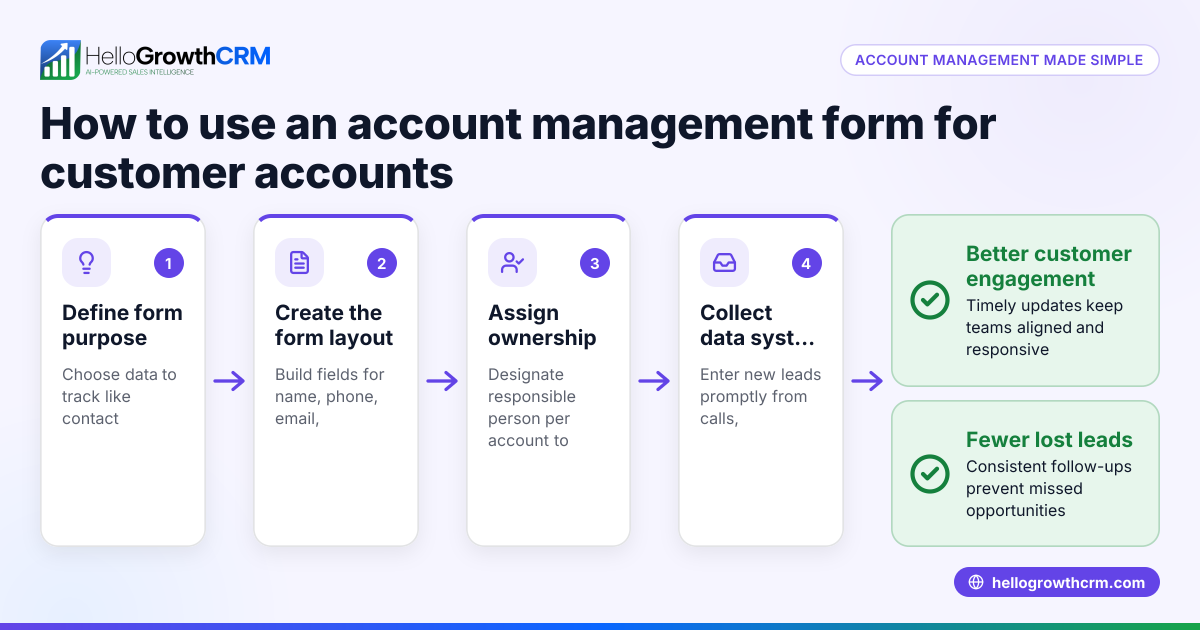
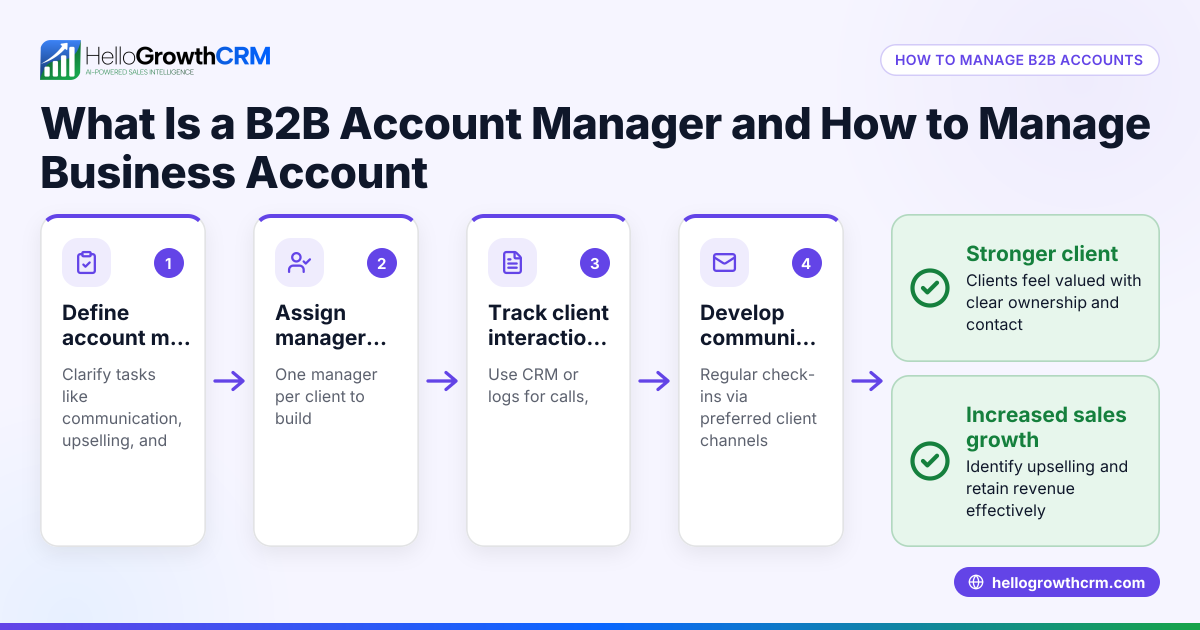
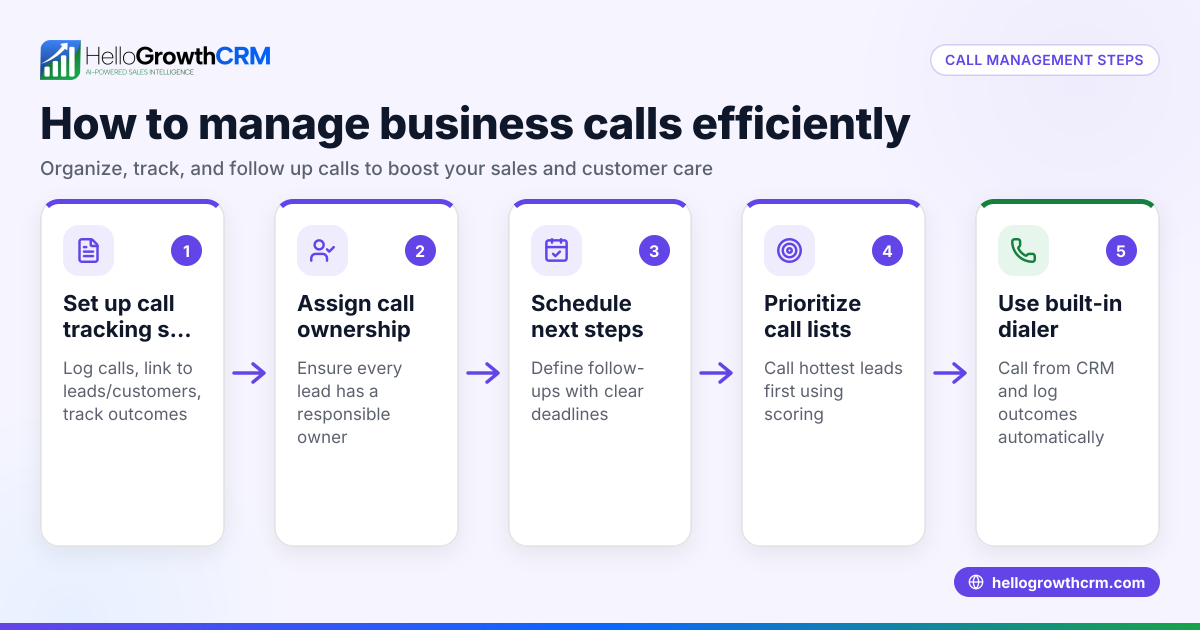
- Assign ownership: Designate a specific team member responsible for each lead or account to ensure accountability and timely follow-up.
- Track follow-ups with task boards: Use a pipeline or task board to monitor the status of each lead and follow-up deadlines. Verify that every lead has a scheduled next contact.
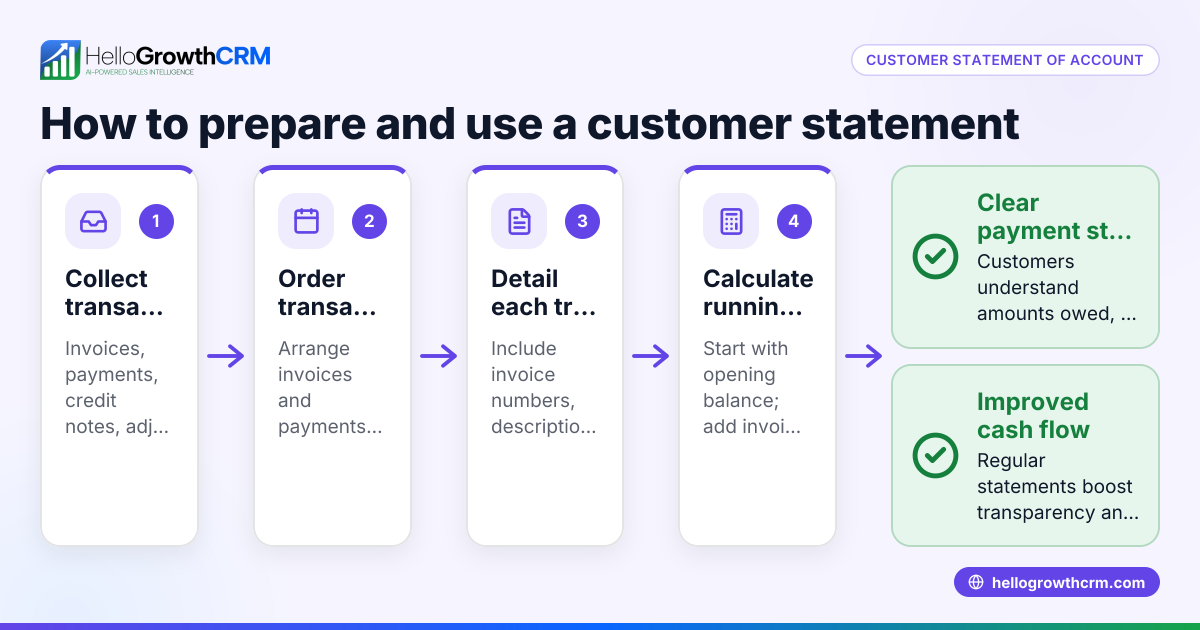
- Synchronize and reconcile sales data: Regularly compare marketplace sales reports with your internal records to catch discrepancies and update inventory.
- Automate reminders and notifications: Set alerts for pending tasks or customer responses to avoid delays in communication.
- Analyze sales performance: Review sales trends and lead conversion rates to identify bottlenecks or opportunities for improvement.
- Use dedicated communication channels: Manage customer messages through business WhatsApp or SMS sequences to keep conversations organized and separate from personal chats.
For US e-commerce sellers, following these steps helps manage marketplace accounts efficiently and reduces errors. See how E-commerce and online sellers benefit from organized CRM tools.
Example (fictional figures)
Consider "Columbus Dental Supplies," a two-location dental supply seller based in Columbus, Ohio, managing orders from Amazon and direct WhatsApp inquiries.
- On 05/15/2026, they received 50 leads: 30 from Amazon and 20 from WhatsApp.
- Each lead is assigned to a salesperson with a follow-up task scheduled.
- By 05/22/2026, 40 leads converted to sales, each averaging $1,200.
Calculation: $1,200 × 40 = $48,000 total sales
- They reconcile Amazon sales reports with their internal records weekly to ensure no discrepancies.
- Follow-up reminders are set for each lead to avoid lost opportunities.
This organized approach prevents missed leads and ensures timely follow-up, improving sales efficiency.
Common mistakes
- Not centralizing leads: Leads scattered across emails, texts, and spreadsheets lead to lost sales. Prevent this by using a system that captures all inquiries in one place.
- No clear ownership: Without assigning leads, follow-up responsibility is unclear. Always assign an owner and define the next step.
- Ignoring follow-up tasks: Leads can go cold if not tracked. Use task boards and reminders to stay organized.
- Mixing personal and business messages: This causes missed customer communications. Use dedicated WhatsApp or SMS channels for business.
- Failing to reconcile sales data: Discrepancies between marketplace reports and internal records cause accounting errors. Schedule regular reconciliation.
- Over-reliance on spreadsheets: Manual updates are error-prone and slow. Consider CRM tools designed for sales teams.
Learn more about how HelloGrowthCRM for the United States supports these needs.
Doing this in HelloGrowthCRM
HelloGrowthCRM captures every inquiry from forms, calls, or WhatsApp as a lead with an assigned owner and a next step. This keeps leads organized and moving toward conversion instead of lost in notebooks or scattered apps. Its pipeline and task boards help teams track follow-ups efficiently. Learn more about its WhatsApp and SMS CRM features.
Frequently asked questions
What is marketplace account management? Marketplace account management is the process of organizing and tracking sales, leads, and customer communications across multiple online marketplaces and channels to ensure timely follow-up and accurate sales records.
How do I keep track of leads from different marketplaces? Centralize all leads into one system where each lead has an assigned owner and a clear next step. This prevents leads from being lost in emails, texts, or spreadsheets.
Why is follow-up important in marketplace sales? Prompt follow-up increases the chance of converting leads into sales. Delays can cause customers to buy elsewhere or lose interest.
Can I manage marketplace accounts without software? Yes, but it requires careful manual tracking with spreadsheets, emails, and notes, which can be error-prone and time-consuming. Using a CRM designed for e-commerce can improve efficiency.
How does HelloGrowthCRM help with marketplace account management? It captures every inquiry as a lead with ownership and next steps, keeps leads organized, and supports follow-up via WhatsApp and SMS sequences.
Key takeaways
- Centralize all marketplace leads and orders into one system.
- Assign clear ownership and next steps for each lead.
- Track follow-ups with task boards and reminders.
- Reconcile sales data regularly to avoid errors.
- Use dedicated communication channels for customer messages.
- HelloGrowthCRM helps organize leads and follow-ups efficiently.
Start managing your marketplace accounts better today. Start on the Free Forever plan (200 leads, no credit card).
Ready to put this into practice?
Set up your pipeline, WhatsApp follow-ups, and AI lead scoring in minutes — free, no credit card.
Try HelloGrowthCRM freeGet CRM tips in your inbox
Join thousands of sales professionals who get weekly insights on CRM strategy, AI automation, and pipeline optimization.

The HelloGrowthCRM team publishes guides on CRM strategy, AI sales tools, and revenue operations for small business sales teams.