HelloGrowthCRM software
Built for real small-business sales teams
HelloGrowthCRM helps reps qualify faster, follow up on time, and close more deals—with practical automation in one place.
- AI lead scoring and pipeline visibility
- Built-in dialer, WhatsApp, and email automation
- Sales forecasting and RevOps-ready reporting
Outbound contact is when your business reaches out proactively to potential or existing customers through calls, messages, or emails. It’s a key part of sales and marketing efforts, helping you generate leads, follow up, and close deals. This article covers why outbound contact matters, how to do it step-by-step, a practical example with numbers, common mistakes to avoid, and answers to frequently asked questions.
Why this comes up / what goes wrong
Small-business owners often face lost sales opportunities because outbound contact is either delayed, inconsistent, or disorganized. For example, a sales rep might receive a lead from a web form but then forget to follow up promptly. Or the team might use separate tools like text messages, emails, and spreadsheets that don’t sync, causing confusion about which leads were contacted and when. These issues lead to slow responses, duplicated efforts, or missed chances to close deals.
Without a clear outbound contact process, your business risks wasting time on uninterested prospects and losing warm leads to competitors. Understanding outbound contact helps you organize your outreach, prioritize leads effectively, and increase your conversion rates.
Step-by-step
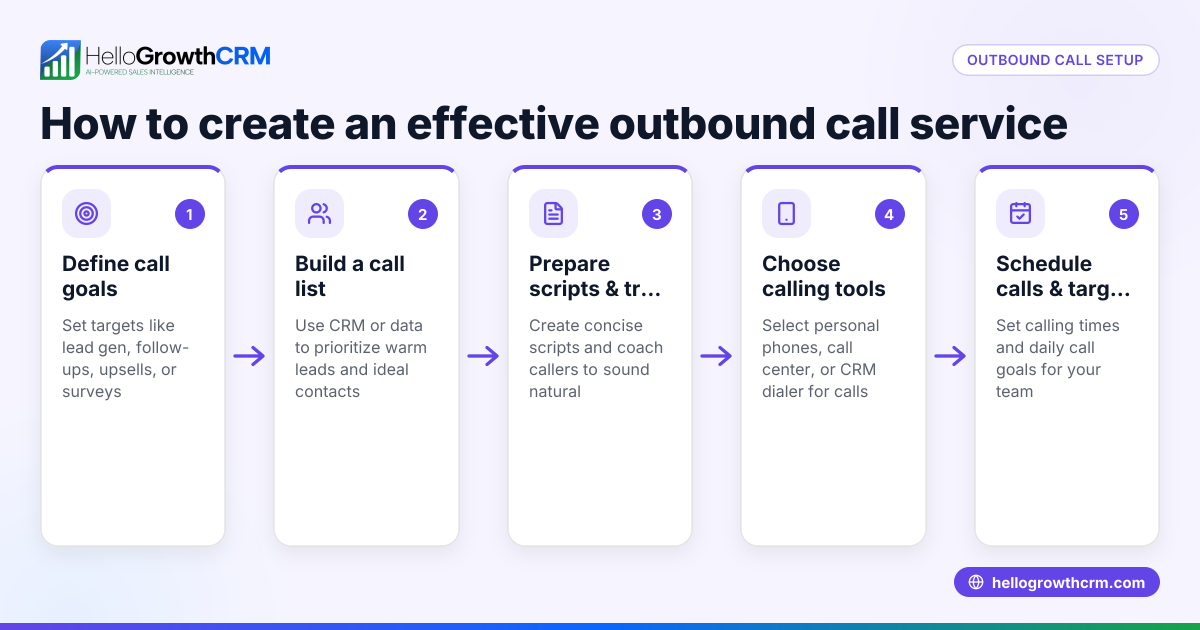
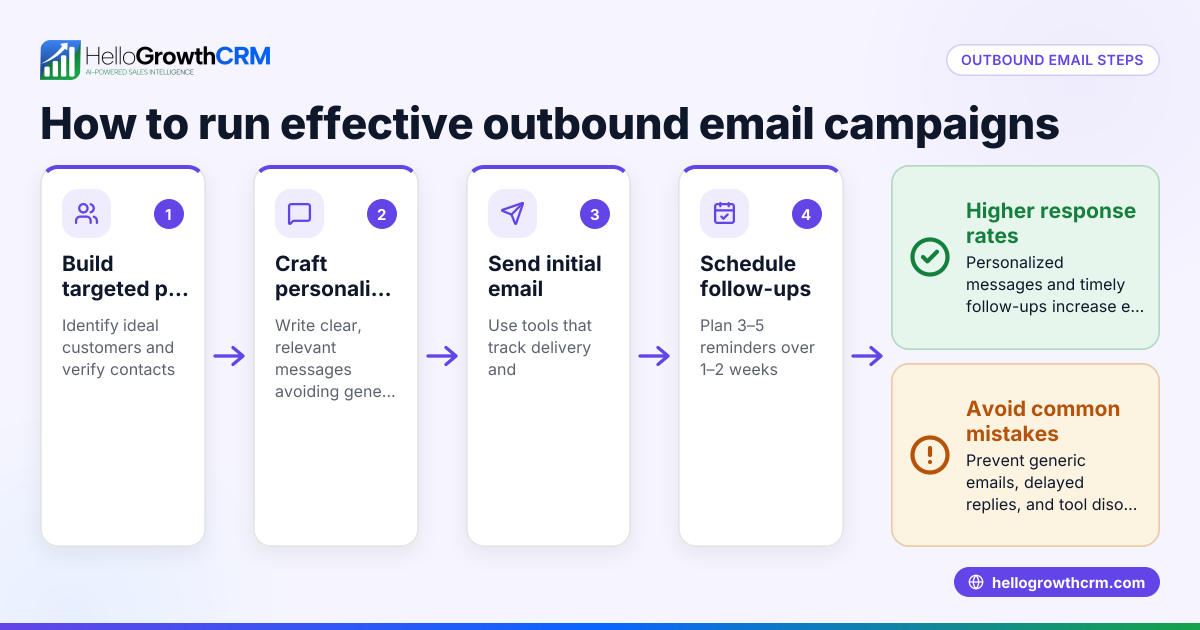
- Identify your target contacts. Start by compiling a list of potential customers who fit your ideal customer profile. Check that all contact details—phone numbers, email addresses, WhatsApp or SMS numbers—are accurate and current.
- Choose your communication channels. Decide which channels you will use to reach out: phone calls, emails, WhatsApp, SMS, or a combination. Confirm your team has access and training for these channels.
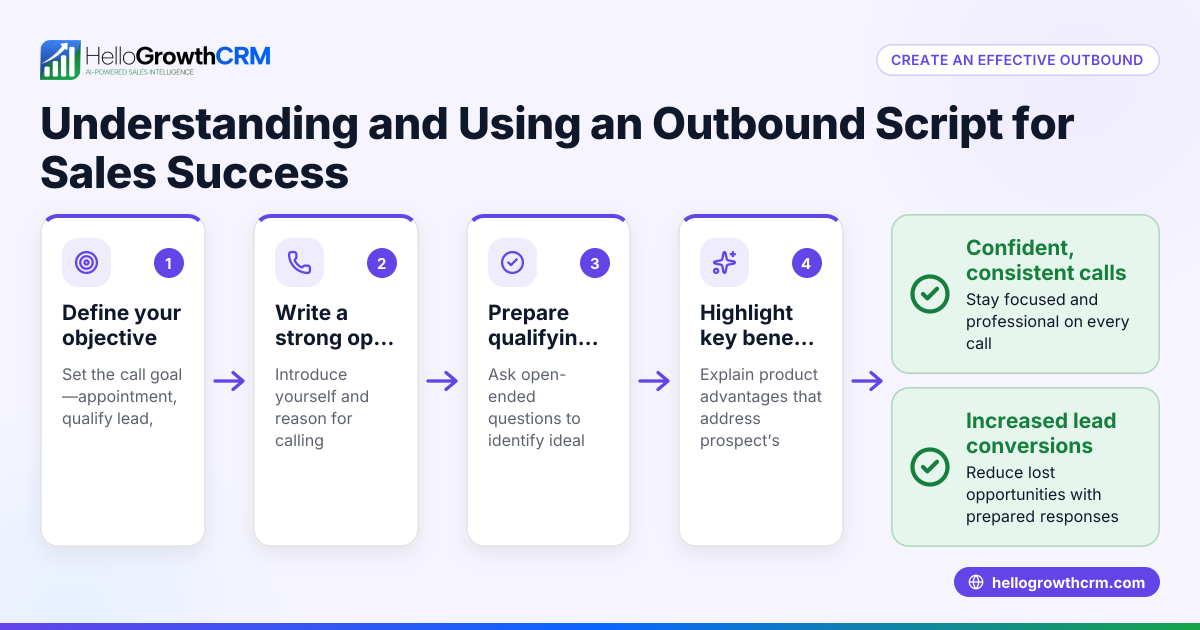
- Prepare your message templates. Create clear, concise scripts or message sequences tailored to your audience. Include personalization tokens like the contact’s name or company to increase engagement.
- Schedule your outreach. Plan when and how often you will contact each lead. Avoid overwhelming prospects by spacing follow-ups appropriately—typically 3 to 5 attempts over days or weeks.
- Execute the outreach. Start contacting leads according to your schedule. Track each attempt and the responses you receive.
- Log interactions and update lead status. Record call notes, message replies, and next steps in a centralized system. Make sure all team members can view and update this information to avoid duplication.
- Analyze results and adjust. Regularly review which contacts respond best and which messages or channels work most effectively. Refine your approach based on this data.
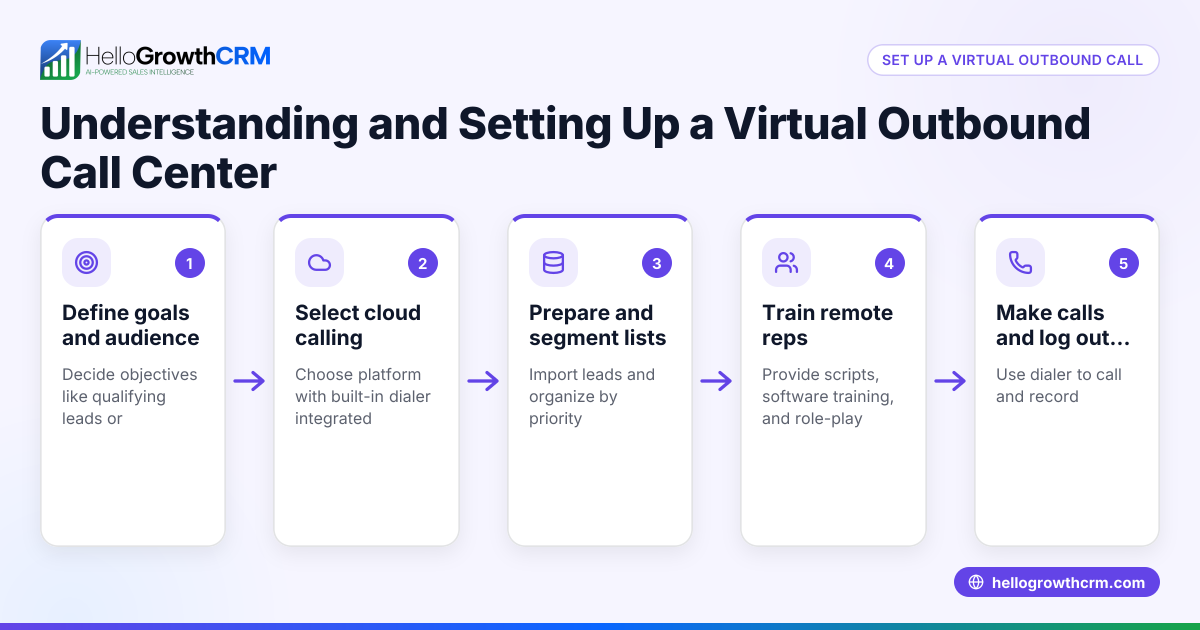
Using tools like a built-in CRM dialer or a WhatsApp and SMS CRM can help you manage these steps efficiently by centralizing communication and tracking.
Example (fictional figures)
A B2B software reseller in Denver, Colorado, wants to increase sales through outbound contact. They identify 500 potential leads from industry events and online research.
- They plan to call each lead and follow up with an SMS message.
- Each call takes about 5 minutes, and SMS messages cost $0.05 each.
Calculations:
Calls: 500 leads × 5 minutes = 2,500 minutes = 41.67 hours SMS cost: 500 leads × $0.05 = $25
If the sales rep is paid $25 per hour:
Labor cost: 41.67 hours × $25 = $1,041.75
Total outreach cost = Labor cost + SMS cost = $1,041.75 + $25 = $1,066.75
They track responses and find 50 leads request demos, leading to 10 sales worth $10,000 each.
Revenue from sales: 10 × $10,000 = $100,000
Return on outreach investment:
$100,000 revenue − $1,066.75 cost = $98,933.25 net gain
This example shows the importance of tracking all costs and results for outbound contact to measure return on investment.
Common mistakes
- Not updating contact lists: Using outdated or incorrect contact information wastes time and frustrates prospects. Prevent this by regularly verifying and cleaning your data.
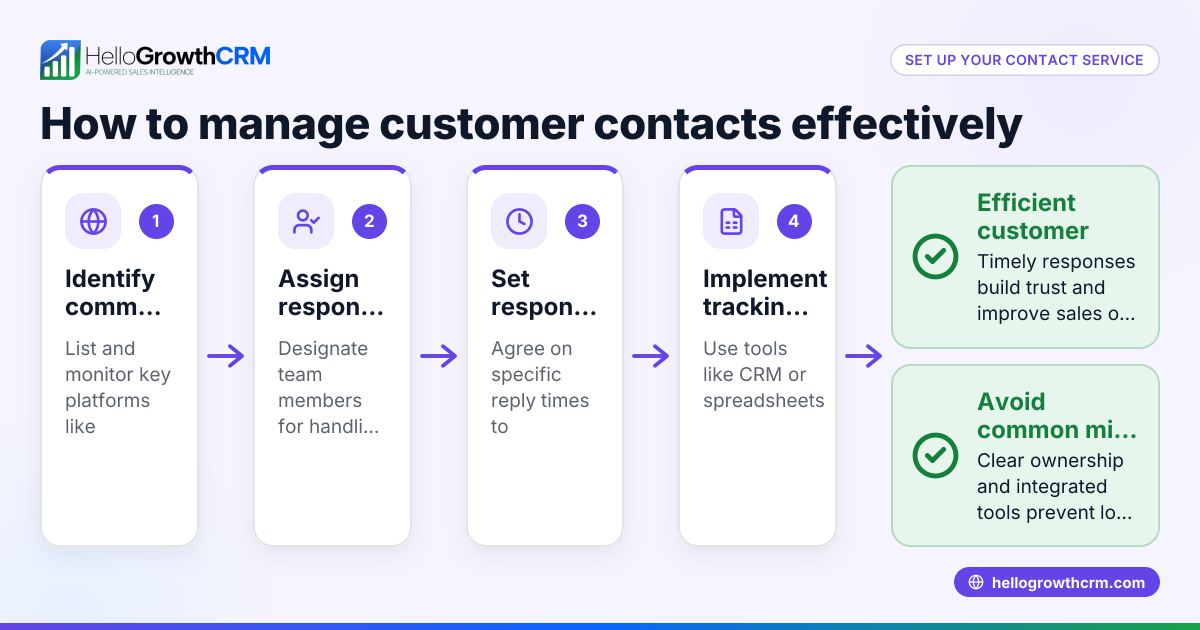
- Messy communication channels: Managing calls, texts, and emails separately can cause lost information and duplicated efforts. Use integrated tools or centralized systems to keep outreach organized.
- Ignoring follow-up timing: Contacting leads too soon or too late reduces chances of engagement. Set clear schedules and reminders for follow-ups.
- Lack of personalization: Sending generic messages lowers response rates. Customize scripts based on lead details and previous interactions.
- Failing to log interactions: Without proper records, teams may duplicate outreach or miss critical next steps. Keep detailed logs accessible to all team members.
- Over-contacting prospects: Excessive outreach can annoy leads and damage your brand reputation. Limit follow-ups to a reasonable number and respect opt-outs.
Consider using a CRM that supports WhatsApp and SMS CRM and integrates with a built-in CRM dialer to address these issues.
Frequently asked questions
What is the difference between outbound and inbound contact? Outbound contact is when your business proactively reaches out to leads or customers, such as calling or messaging them first. Inbound contact happens when customers initiate communication with you, like calling your support or sending an inquiry.
How often should I do outbound contact with the same lead? A common approach is to follow up 3 to 5 times spaced over days or weeks, depending on the lead’s interest and sales cycle. Too frequent contact can annoy prospects, while too few may lose their attention.
Can outbound contact be automated? Yes, many businesses automate parts of outbound contact using email sequences, SMS campaigns, and dialers. Automation saves time but should be combined with personalization and timely responses for best results.
What tools can help with outbound contact? Tools that combine calling, texting, and email in one platform help keep outreach organized. For example, a CRM with a built-in CRM dialer and WhatsApp and SMS CRM features can improve efficiency and tracking.
Is outbound contact legal without prior consent? Laws vary by state and communication channel (calls, texts, emails). Always check regulations like the Telephone Consumer Protection Act (TCPA) and CAN-SPAM Act to avoid penalties.
Key takeaways
- Outbound contact means proactively reaching out to potential or existing customers.
- Organize your contacts, communication channels, messages, and schedules carefully.
- Track every interaction and analyze results to improve your approach.
- Avoid common mistakes like outdated data, messy channels, poor follow-up timing, and lack of personalization.
- Use integrated tools like a built-in CRM dialer and WhatsApp and SMS CRM to streamline your outreach.
Outbound contact is essential for growing sales but requires a clear process and the right tools to succeed. Start organizing your outreach today and see how it improves your lead conversion.
Start on the Free Forever plan (200 leads, no credit card) at HelloGrowthCRM to manage your outbound contact easily.
Ready to put this into practice?
Set up your pipeline, WhatsApp follow-ups, and AI lead scoring in minutes — free, no credit card.
Try HelloGrowthCRM freeGet CRM tips in your inbox
Join thousands of sales professionals who get weekly insights on CRM strategy, AI automation, and pipeline optimization.

The HelloGrowthCRM team publishes guides on CRM strategy, AI sales tools, and revenue operations for small business sales teams.