HelloGrowthCRM software
Built for real small-business sales teams
HelloGrowthCRM helps reps qualify faster, follow up on time, and close more deals—with practical automation in one place.
- AI lead scoring and pipeline visibility
- Built-in dialer, WhatsApp, and email automation
- Sales forecasting and RevOps-ready reporting
Phone services for small businesses in the US include traditional landlines, Voice over Internet Protocol (VoIP) systems, and mobile phone solutions. Choosing the right phone service depends on your business size, call volume, budget, and how you interact with customers. Local service businesses rely heavily on phone calls for lead generation and customer support, so selecting a reliable, affordable, and scalable phone service is essential.
Why this comes up / what goes wrong
Small service business owners and accountants often face challenges with phone services because their needs differ from larger companies. They typically need a system that handles calls efficiently without complex or expensive infrastructure. Common issues include missed calls, poor call quality, lack of integration with sales tools, or paying for features they don’t use. Many rely on basic mobile phones or personal numbers, which can appear unprofessional and limit tracking of sales leads.
Step-by-step
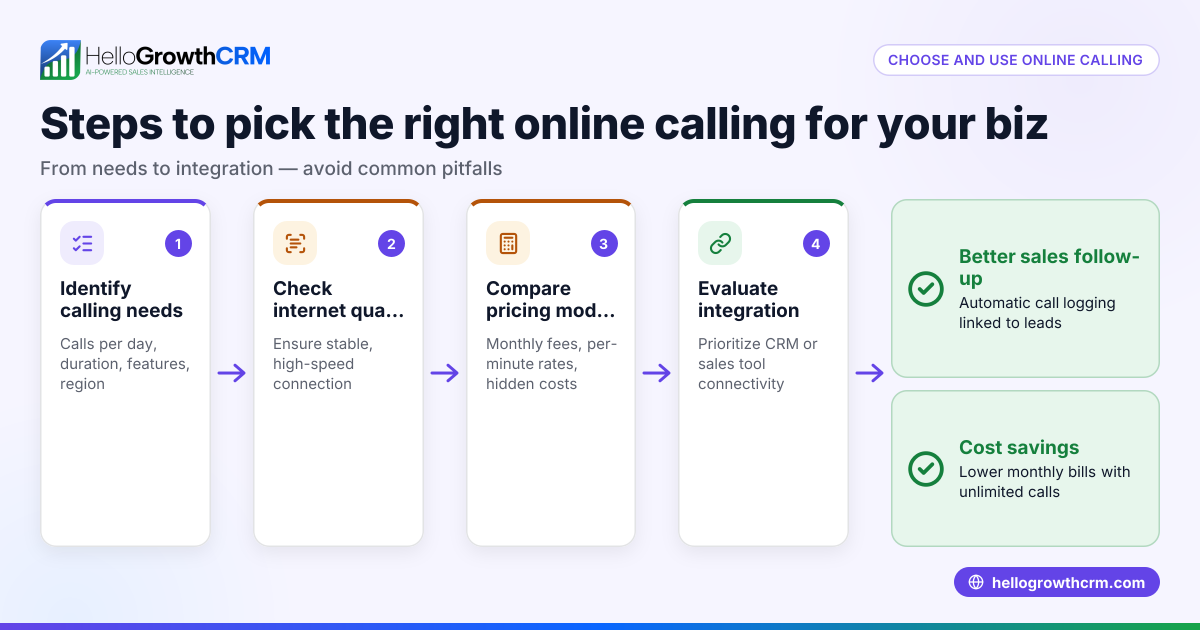
- Assess your call volume and patterns: Determine how many calls you receive and make daily. Check if you need multiple lines or only one. This helps avoid overpaying or having insufficient capacity.
- Decide on phone type: Choose between traditional landlines, VoIP, or mobile-based systems. VoIP often offers more features and lower costs but requires reliable internet.
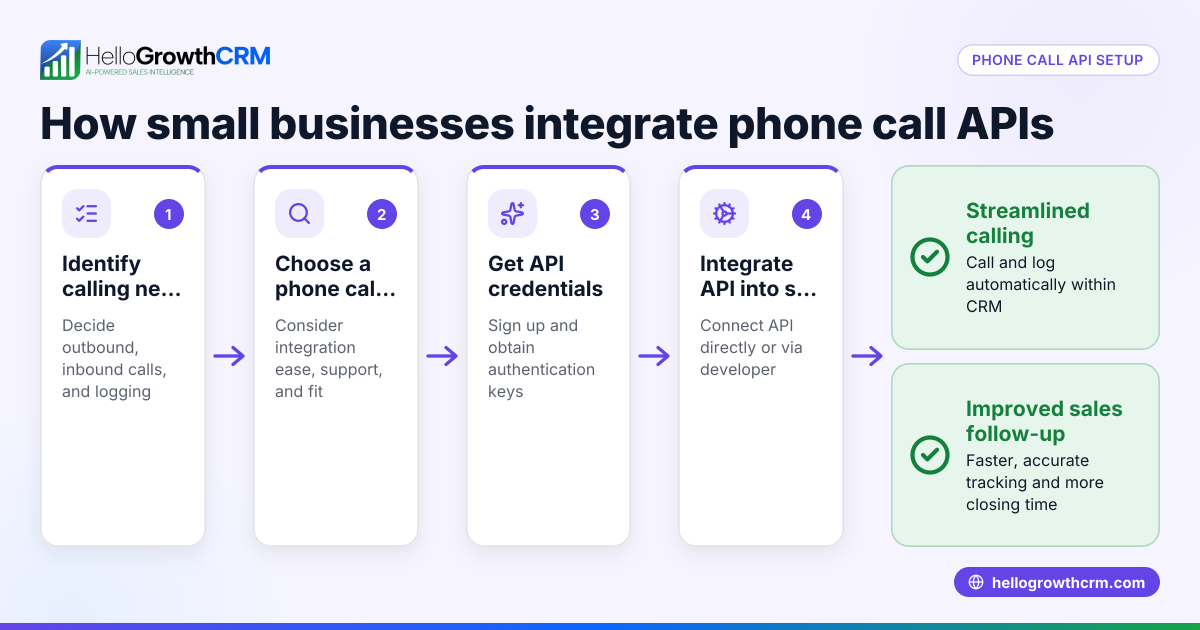
- Check integration needs: If you use CRM or sales tools, look for phone services that integrate or can be used alongside these to track calls and leads. This is important for local service businesses to manage leads efficiently; see more about Local service businesses.
- Consider mobility and remote work: For teams working from different locations or on the go, mobile or cloud-based phone systems allow flexibility.
- Evaluate costs and contracts: Compare setup fees, monthly charges, and contract length. Avoid long-term contracts if unsure about your needs.
- Test call quality and reliability: Ask for a trial or demo to ensure clear audio and minimal downtime.
- Look for customer support and scalability: Choose providers with good support and options to upgrade as your business grows.
- Review compliance and features: Confirm the system supports voicemail, call forwarding, and other essential features.
Example (fictional figures)
A plumbing company in Austin, Texas, called "Austin Pipe Pros," needs phone services for its 10 employees, including 3 service technicians and 2 sales reps. They expect about 50 calls per day.
- They estimate needing 5 lines (1 for each sales rep, 1 for office admin, 3 shared for technicians).
- They compare two options:
Option A: Traditional landline Setup fee: $300 Monthly cost per line: $40 Total monthly cost = 5 lines × $40 = $200
Option B: VoIP system Setup fee: $100 Monthly cost per user: $25 Total monthly cost = 10 users × $25 = $250
Calculations: $40 × 5 = $200 $25 × 10 = $250
They choose Option B for added features like call forwarding and integration with their sales tracking software, despite the slightly higher monthly cost.
Common mistakes
- Choosing based on price alone: Cheapest plans might lack reliability or features. Prevent by listing must-have features first.
- Ignoring integration with sales tools: Leads can be lost without call tracking. Prevent by checking CRM compatibility and learning about HelloGrowthCRM for the United States.
- Underestimating call volume: Too few lines cause missed calls. Prevent by reviewing past call data.
- Signing long contracts without trial: Limits flexibility if needs change. Prevent by asking for a trial period.
- Neglecting mobile or remote access: Limits team flexibility. Prevent by choosing cloud or mobile-capable systems.
- Overlooking customer support quality: Poor support can delay fixes. Prevent by researching provider reviews.
Doing this in HelloGrowthCRM
HelloGrowthCRM offers Managed RevOps, which helps founders without a dedicated sales manager by assigning a revenue specialist to work the follow-up queue weekly. This ensures leads contacted by phone or WhatsApp are promptly followed up, reducing lost opportunities. Learn more about this service at Managed RevOps.
Frequently asked questions
What is the best phone service type for small businesses? VoIP systems often offer the best balance of cost, features, and scalability for small businesses, especially those needing remote or mobile access. However, if internet reliability is an issue, traditional landlines may be more dependable.
How many lines do small businesses usually need? It depends on call volume and team size. Typically, businesses start with one line per sales or customer service person plus a shared line for field staff. Reviewing call logs helps estimate the right number.
Can I use my mobile phone as a business phone? Yes, many small businesses use mobile phones for calls. Using a dedicated business number or a cloud phone system app can keep personal and business calls separate and professional.
Are phone services integrated with CRM systems? Many modern VoIP providers offer integrations or APIs to connect with CRMs, enabling call tracking and lead management. This is important for service businesses relying on phone leads.
What should I ask a phone service provider before signing up? Ask about setup fees, monthly costs, contract length, call quality guarantees, integration options, customer support hours, and trial periods.
How can I avoid missing calls from potential customers? Use features like call forwarding, voicemail, and automatic call distribution. Also, ensure your team has access to the phone system wherever they work.
Key takeaways
- Assess your call volume and team needs before choosing a phone service.
- VoIP systems offer flexibility and integration but require reliable internet.
- Avoid common mistakes like ignoring integration and signing long contracts without trials.
- Test call quality and customer support before committing.
- Use Managed RevOps in HelloGrowthCRM to ensure timely follow-up on phone leads.
Choosing the right phone service is crucial for small service businesses to maintain professionalism and capture leads effectively. For a smooth start, consider your specific needs, test options, and avoid common pitfalls.
Start managing your leads and calls more effectively with HelloGrowthCRM’s Managed RevOps support. Start on the Free Forever plan (200 leads, no credit card).
Ready to put this into practice?
Set up your pipeline, WhatsApp follow-ups, and AI lead scoring in minutes — free, no credit card.
Try HelloGrowthCRM freeGet CRM tips in your inbox
Join thousands of sales professionals who get weekly insights on CRM strategy, AI automation, and pipeline optimization.

The HelloGrowthCRM team publishes guides on CRM strategy, AI sales tools, and revenue operations for small business sales teams.