HelloGrowthCRM software
Built for real small-business sales teams
HelloGrowthCRM helps reps qualify faster, follow up on time, and close more deals—with practical automation in one place.
- AI lead scoring and pipeline visibility
- Built-in dialer, WhatsApp, and email automation
- Sales forecasting and RevOps-ready reporting
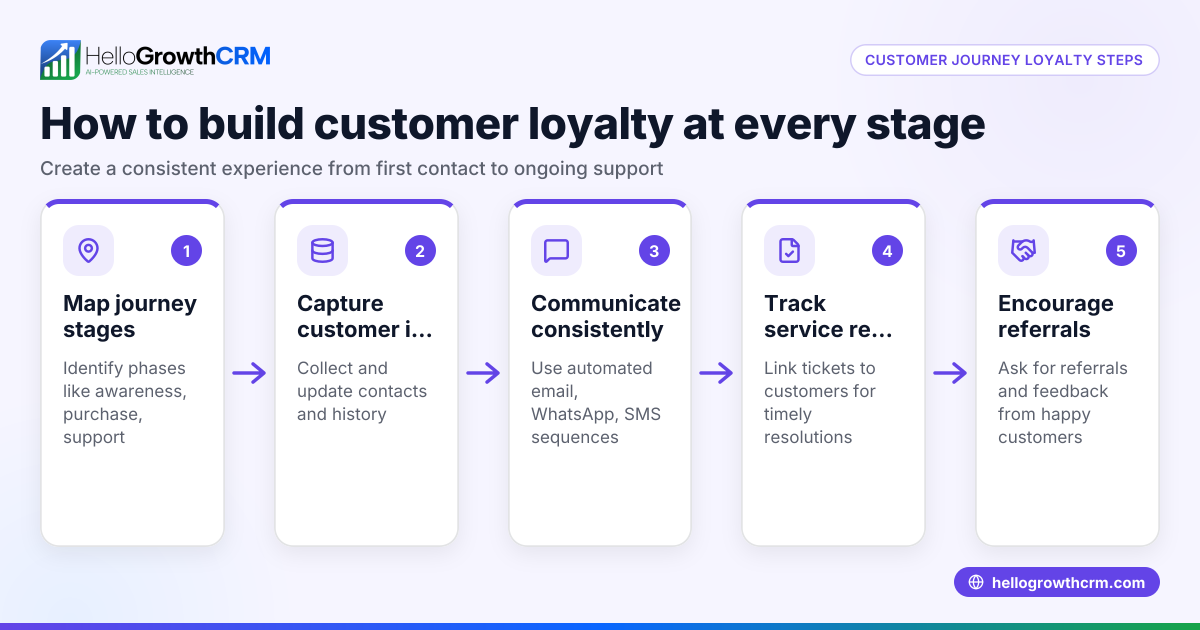
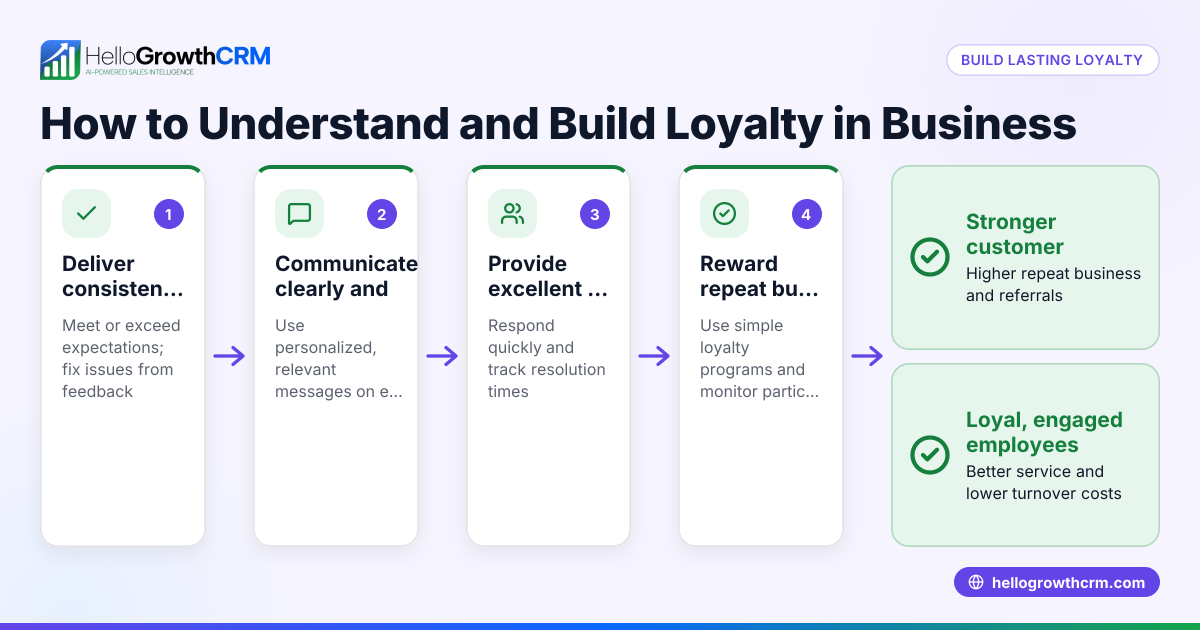
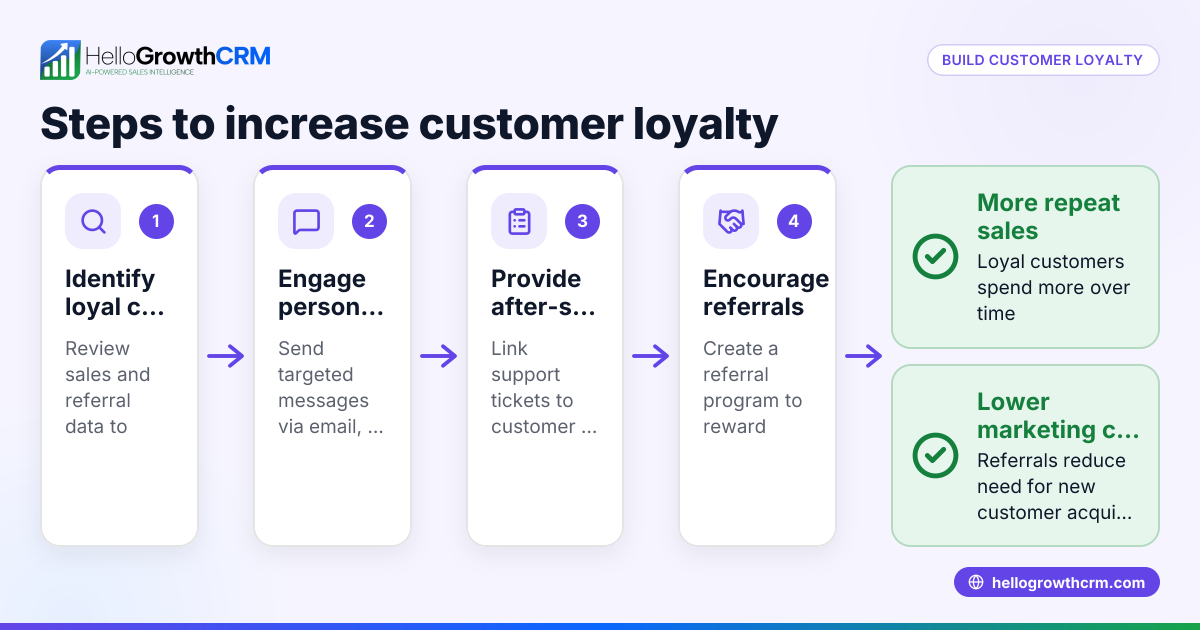
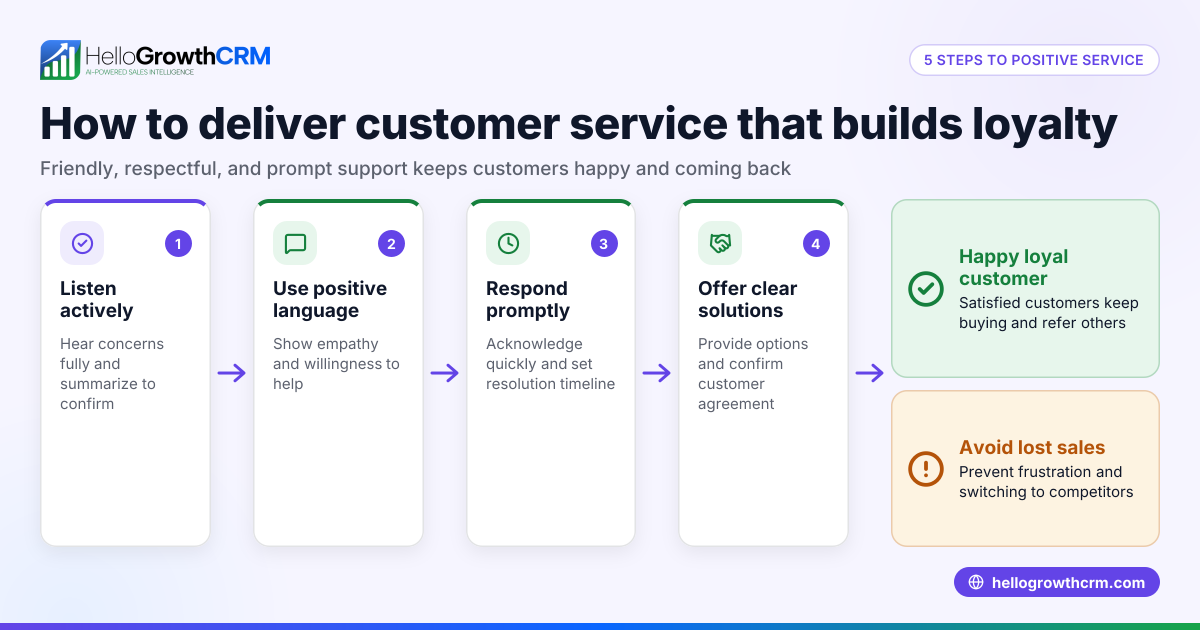
Retail loyalty means encouraging customers to return regularly to your retail shop by rewarding their repeat business and providing personalised service. This keeps your customers engaged and helps grow your sales over time. For UK retail shops, loyalty programmes should be simple, easy to use, and compliant with data protection laws. This article explains why retail loyalty is important for UK retailers, offers a step-by-step guide to setting up a loyalty scheme, provides a worked example with realistic figures, highlights common mistakes to avoid, and answers frequently asked questions.
Why this comes up / what goes wrong
Retail shop owners and accountants in the UK often notice that despite attracting many new customers, a large proportion do not return regularly. This lack of repeat business can limit growth and reduce profitability. Retail loyalty programmes aim to increase repeat visits and spending by offering rewards or exclusive benefits. However, many retailers struggle with choosing the right type of loyalty scheme or fail to implement it effectively. Common issues include overly complex rules that confuse customers, poor staff training, insufficient promotion, and not complying with UK data protection laws (GDPR). Without clear goals and ongoing monitoring, loyalty programmes can become costly without delivering results. Retailers also need to consider their specific customer base and shop size when designing loyalty offers.
Step-by-step
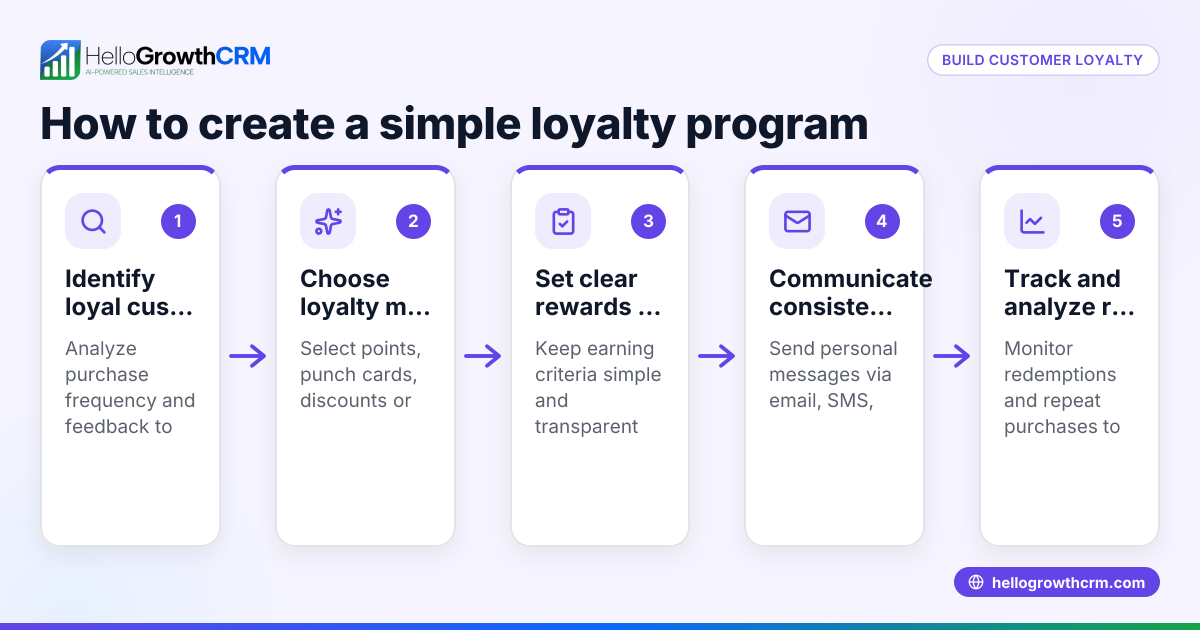
- Define your goals: Decide what you want your loyalty programme to achieve. Common goals include increasing the frequency of visits, raising average spend per customer, or encouraging referrals. Ensure these goals align with your overall retail strategy.
- Understand your customers: Analyse your current customer data to identify buying patterns, popular products, and customer preferences. This insight helps tailor rewards that motivate your target customers.
- Choose the right loyalty scheme type: Popular options include points-based systems (points earned per £ spent), cashback offers, tiered rewards (better benefits for higher spenders), or exclusive member discounts. Check what similar retail shops offer and select a scheme that suits your budget and customer habits.
- Set clear rules and rewards: Define exactly how customers earn and redeem rewards. Keep the rules simple and transparent to avoid confusion. For example, 1 point per £1 spent, and 100 points can be redeemed for a £5 discount.
- Ensure legal and data protection compliance: When collecting customer data, comply with UK data protection laws (GDPR). Collect only necessary information, obtain clear consent, and store data securely. (ftc.gov)
- Train your staff: Make sure all employees understand the loyalty programme and can explain it clearly to customers. Staff buy-in is crucial for encouraging sign-ups and smooth operation.
- Promote your loyalty programme: Use in-store signage, receipts, email newsletters, social media, and your website to inform customers about the programme and its benefits.
- Monitor and adjust: Regularly track participation rates, sales impact, and customer feedback. Use this data to refine rewards, communication, and programme rules to improve effectiveness.
For more on retail specifics, see our section on Retail shops.
Example (fictional figures)
A boutique clothing shop in Bristol wants to increase repeat visits. They launch a points-based loyalty scheme where customers earn 1 point per £1 spent, and 100 points can be redeemed for a £5 discount.
- Average customer spends £50 per visit.
- Current repeat visit rate is 30% per month.
- They aim to increase repeat visits to 40% within 6 months.
Calculations assuming 1,000 customers:
Points earned per visit = £50 × 1 = 50 points Points needed for reward = 100 points Visits needed to redeem reward = 100 points ÷ 50 points per visit = 2 visits
If repeat visits increase from 30% to 40%, additional visits per month = (40% - 30%) × 1,000 = 100 visits
Estimated reward cost per month:
100 visits × £5 reward ÷ 2 visits per reward = £250
The shop expects increased sales from extra visits to outweigh the £250 monthly cost.
Common mistakes
- Overcomplicating the scheme: Complex rules confuse customers and staff. Prevent by keeping rewards straightforward and easy to understand.
- Ignoring customer preferences: Offering irrelevant rewards wastes resources and fails to motivate. Prevent by analysing customer data before designing rewards.
- Poor staff training: If staff cannot explain the programme clearly, customer uptake suffers. Prevent by thorough and ongoing training.
- Neglecting legal compliance: Failing to protect customer data risks fines and damages reputation. Prevent by following GDPR guidelines carefully.
- Lack of promotion: Customers won’t join if unaware of the programme. Prevent by consistent marketing across multiple channels.
- Not measuring results: Without tracking key metrics, you cannot improve your programme. Prevent by setting KPIs and reviewing performance regularly.
For guidance on managing customer communication, see WhatsApp and SMS CRM.
Frequently asked questions
What types of retail loyalty programmes work best in the UK? Simple points-based schemes, cashback offers, and tiered rewards are popular among UK retailers. The best choice depends on your customer base, shop size, and budget.
How can I ensure my loyalty programme complies with UK data protection laws? Collect only the necessary customer data, obtain explicit consent, and store data securely. Regularly review your data handling procedures to maintain compliance.
How do I measure if my retail loyalty programme is successful? Track repeat purchase rates, average spend per customer, and overall sales growth. Customer feedback also provides valuable insight into satisfaction and engagement.
Can I run a loyalty programme without digital tools? Yes, paper stamp cards or manual tracking can work for small shops. However, digital solutions improve accuracy, ease of management, and customer experience.
How do I encourage customers to join the loyalty programme? Offer immediate rewards for sign-up, train staff to invite customers actively, and promote the programme both in-store and online.
For more on UK retail business tools, visit HelloGrowthCRM for the United Kingdom.
Key takeaways
- Retail loyalty means encouraging repeat customers with rewards and personalised service.
- Start by defining clear goals and understanding your customers’ buying habits.
- Keep loyalty schemes simple, transparent, and compliant with UK data protection laws.
- Train staff thoroughly and promote the programme consistently.
- Monitor performance regularly and adjust your programme to improve results.
Building retail loyalty can boost your shop’s sales and customer satisfaction. Start on the Free Forever plan (200 leads, no credit card) to organise your customer contacts and communications easily.
Ready to put this into practice?
Set up your pipeline, WhatsApp follow-ups, and AI lead scoring in minutes — free, no credit card.
Try HelloGrowthCRM freeGet CRM tips in your inbox
Join thousands of sales professionals who get weekly insights on CRM strategy, AI automation, and pipeline optimization.

The HelloGrowthCRM team publishes guides on CRM strategy, AI sales tools, and revenue operations for small business sales teams.