HelloGrowthCRM software
Built for real small-business sales teams
HelloGrowthCRM helps reps qualify faster, follow up on time, and close more deals—with practical automation in one place.
- AI lead scoring and pipeline visibility
- Built-in dialer, WhatsApp, and email automation
- Sales forecasting and RevOps-ready reporting
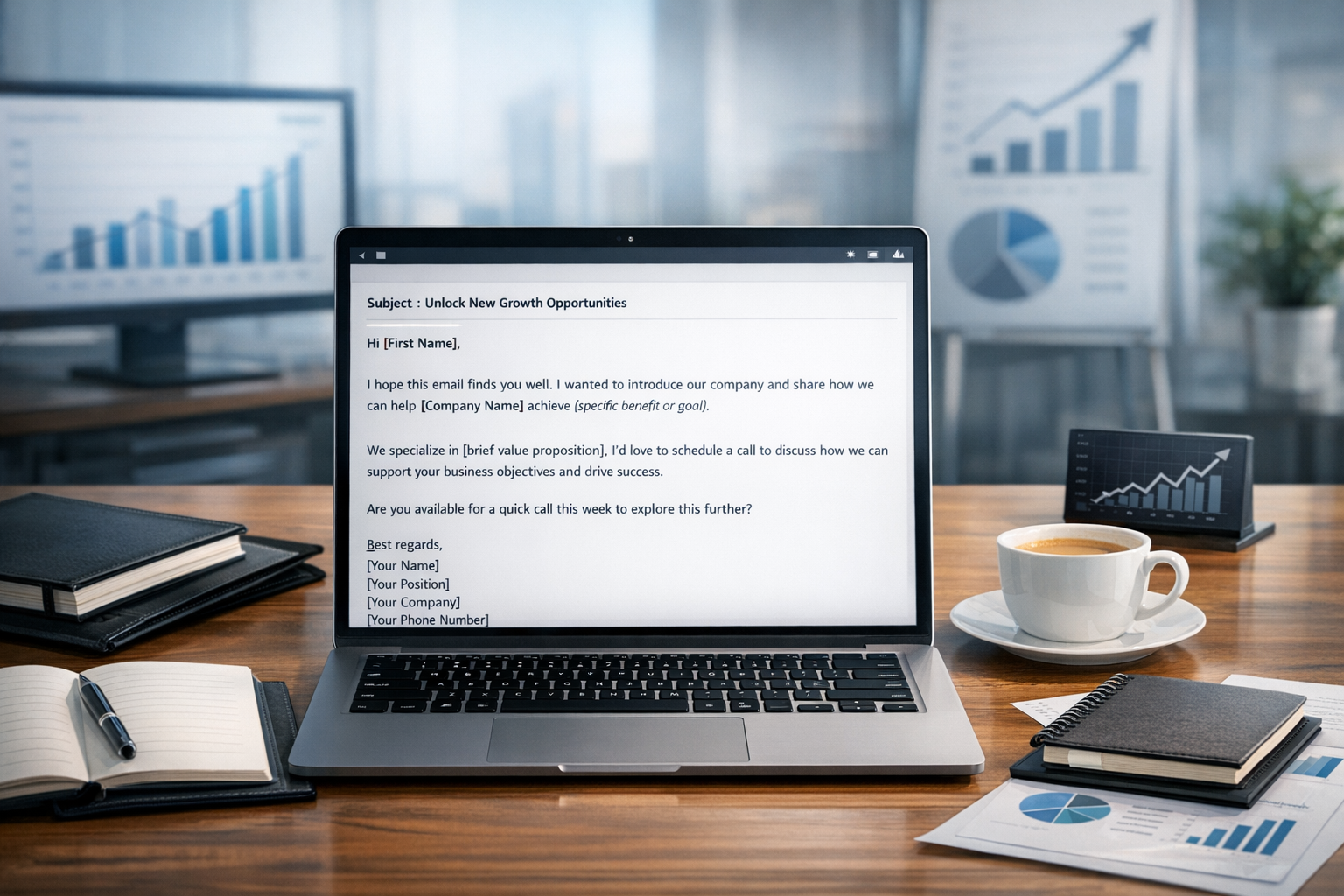
A CRM follow-up cadence is a structured schedule of sales follow-ups—emails, calls, messages, and reminders—automatically managed inside a CRM to keep deals moving forward. Instead of relying on memory or scattered notes, a CRM follow-up cadence ensures that every lead receives consistent outreach at the right time. For B2B sales teams, this structure prevents opportunities from going cold, keeps prospects engaged, and increases the chance of closing deals.
Key Takeaways
- A CRM follow-up cadence creates a consistent outreach schedule so prospects never fall through the cracks.
- Most B2B deals require 6–12 follow-ups across multiple channels before a decision happens.
- Automation tools like Email Automation, reminders, and task boards ensure timely outreach.
- AI-powered tools such as AI Lead Scoring help prioritize which prospects need follow-ups first.
- CRM-based cadence tracking improves pipeline health and forecasting accuracy.
- Structured follow-ups help sales teams maintain momentum and shorten sales cycles.
Why Sales Follow-Ups Often Fail Without a CRM
Sales teams rarely lose deals because the product is bad. More often, deals stall because follow-ups happen too late or not at all.
In many organizations, follow-ups depend on manual reminders or individual habits. Reps keep notes in spreadsheets or rely on memory. As pipelines grow, this approach breaks down quickly.
Common problems include:
- Leads are contacted once and forgotten.
- Follow-ups happen weeks later instead of days.
- Multiple reps contact the same prospect.
- Important opportunities receive no attention.
Without structure, pipelines become cluttered with “stuck” deals that appear active but have no real progress.
A CRM solves this by turning follow-ups into a managed process. Every interaction is tracked, scheduled, and visible. Tools like Sales Task Boards assign follow-ups automatically so reps know exactly what to do next.
When follow-ups are structured, sales teams maintain consistent communication. That consistency keeps prospects engaged and prevents opportunities from fading away.
What a Strong CRM Follow-Up Cadence Looks Like
A good follow-up cadence balances persistence with respect for the buyer’s time. It spreads outreach across several days or weeks and uses multiple communication channels.
Most successful B2B cadences include a mix of:
- Emails
- Phone calls
- LinkedIn messages
- Meeting invitations
- SMS or WhatsApp messages
- Value-based content sharing
A typical cadence might span 14 to 21 days. Early touches happen closer together to establish contact. Later touches focus on value and reminders.
For example:
- Day 1: Intro email
- Day 2: Call attempt
- Day 4: Follow-up email with additional information
- Day 7: Second call attempt
- Day 10: Share a case study or resource
- Day 14: Final check-in
CRMs automate this process so reps don’t manually schedule every step.
With tools like WhatsApp & SMS CRM, teams can expand outreach channels while keeping every conversation inside the same system.
The Psychology Behind Effective Follow-Up Timing
Follow-up timing matters because buyer attention fades quickly. If communication gaps become too long, the deal loses momentum.
Three timing principles help maintain engagement:
1. The 24–48 Hour Rule
The first follow-up should happen within one or two days after the initial contact. This keeps your message fresh in the prospect’s mind.
Fast responses signal professionalism and reliability.
2. Gradual Spacing
Early follow-ups should happen closer together. Later messages should be spaced further apart.
This approach avoids overwhelming prospects while keeping the conversation active.
3. Multi-Channel Reinforcement
People respond differently to different channels. Some prospects prefer email. Others respond faster to calls or messaging.
Combining multiple channels increases response rates. For example, a rep might send an email, then call the next day referencing that message.
Tools like the CRM Dialer help reps place follow-up calls directly from the CRM, ensuring every touchpoint is recorded automatically.
How CRM Automation Keeps Deals From Going Cold
Automation is the key to maintaining a consistent cadence. Without automation, follow-ups depend entirely on individual discipline.
Modern CRM systems solve this by triggering actions automatically.
Automation capabilities include:
- Scheduled follow-up tasks
- Email sequences
- Lead prioritization
- Activity reminders
- Automated notifications
For example, if a prospect opens an email but doesn’t reply, the CRM can automatically schedule a call reminder for the rep.
Platforms like AI CRM go even further by analyzing engagement signals and suggesting the best next action.
AI can also highlight deals that show signs of risk. A system like the Deal Risk Agent can detect inactivity or stalled conversations and alert the sales team before the opportunity goes cold.
This proactive visibility helps sales managers maintain a healthy pipeline.
Using AI to Prioritize Follow-Ups
Not every lead deserves the same level of attention. Some prospects are highly engaged and ready to move forward. Others are unlikely to convert.
AI helps sales teams focus on the right opportunities.
With AI Lead Scoring, CRM systems evaluate signals such as:
- Email engagement
- Website visits
- Meeting activity
- Response times
- Company size and fit
These signals generate a score that shows how likely a lead is to convert.
Reps can then prioritize high-scoring leads for faster follow-ups.
AI can also analyze conversation patterns and provide insights through tools like AI Deal Insights. These insights reveal which deals need attention and which ones are progressing normally.
The result is a follow-up strategy based on data instead of guesswork.
How Follow-Up Cadence Improves Pipeline Health
A consistent follow-up cadence doesn’t just help individual deals. It improves the entire pipeline.
When every opportunity receives structured attention, several improvements happen:
- Pipeline stages move faster.
- Forecast accuracy improves.
- Reps spend less time managing reminders.
- Managers gain visibility into activity levels.
Sales leaders can measure pipeline strength using tools like the Pipeline Health Score. This tool evaluates deal velocity, engagement levels, and follow-up consistency.
Healthy pipelines typically show:
- Frequent activity updates
- Clear next steps
- Shorter time between interactions
If deals sit idle for too long, the CRM can trigger alerts or task reminders.
These signals help teams intervene before opportunities disappear.
How to Build a CRM Follow-Up Cadence: Step-by-Step
1. Define Your Sales Cycle
Start by identifying the average length of your sales cycle and typical buyer behavior. This helps determine how many follow-ups your cadence should include.
2. Map Key Touchpoints
Identify when prospects should receive emails, calls, or meeting invitations. Each touchpoint should provide value or move the conversation forward.
3. Create Automated Sequences
Set up automated workflows inside your CRM using tools like Email Automation. These sequences send messages and create tasks automatically.
4. Assign Follow-Up Tasks
Every step should generate a clear action for the sales rep. Task systems such as Sales Task Boards help reps manage daily outreach.
5. Prioritize High-Intent Leads
Use scoring tools like AI Lead Scoring to determine which leads should receive faster follow-ups.
6. Track Engagement Signals
Monitor email opens, replies, and meeting activity. CRM analytics tools like Revenue Attribution help show which follow-ups influence deals.
7. Adjust Based on Results
Review cadence performance regularly. If prospects respond more often after certain steps, refine the sequence to emphasize those interactions.
Common Mistakes That Break Follow-Up Cadences
Even when companies use a CRM, follow-up processes often fail because of poor design.
Several mistakes commonly reduce effectiveness.
Too Many Messages Too Quickly
Aggressive messaging can overwhelm prospects. Sending several emails within a few days often leads to ignored messages.
Spacing communication properly keeps outreach professional.
Lack of Personalization
Automated emails should still feel personal. Generic messages rarely generate responses.
AI tools such as the AI Sales Copilot can help reps draft personalized follow-ups quickly.
No Clear Next Step
Every follow-up should guide the prospect toward a next action.
Examples include:
- Scheduling a demo
- Reviewing a proposal
- Answering specific questions
Meeting tools like the Meeting Scheduler simplify the process of booking the next conversation.
No Visibility for Managers
Managers need to see which deals are active and which are stalled.
CRM dashboards and AI pipeline tools like AI Pipeline Management give leaders visibility into deal movement and follow-up activity.
The Role of AI CRM in Modern Sales Cadence
Traditional CRM systems track activities. AI-powered CRM systems actively guide sales teams.
With intelligent automation, the CRM becomes a sales assistant.
Capabilities include:
- Suggesting the next best follow-up
- Detecting inactive deals
- Highlighting high-priority opportunities
- Analyzing conversation patterns
Platforms connected through the Agentic AI Hub can coordinate multiple AI agents that monitor deals, calls, and communication channels.
For example, a Post-Call Agent can summarize conversations and suggest the next follow-up automatically.
This level of automation ensures that no deal is forgotten.
Instead of chasing reminders, sales reps spend more time selling.
Turn Your CRM Into a Deal Momentum Engine
Follow-ups should not depend on memory or manual reminders. When cadence management is automated inside a CRM, every lead receives consistent attention and every opportunity has a clear next step.
HelloGrowthCRM is designed to keep deals moving. It combines automation, AI insights, and communication tools into a single platform so sales teams never lose momentum. With capabilities like AI CRM, Email Automation, and AI Pipeline Management, teams can build structured follow-up cadences that turn conversations into closed deals.
If your pipeline regularly slows down due to missed follow-ups, it may be time to upgrade your sales process. Explore HelloGrowthCRM’s Features or start a Free Trial to see how AI-driven follow-up automation can transform your sales pipeline.
Frequently Asked Questions
Q: What is a CRM follow-up cadence?
A: A CRM follow-up cadence is a structured schedule of outreach activities managed inside a CRM system. It defines when sales reps should contact prospects using calls, emails, or messages. The goal is to maintain consistent engagement and prevent deals from going cold.
Q: How many follow-ups are typically needed to close a B2B deal?
A: Most B2B deals require between 6 and 12 follow-up interactions before a prospect makes a decision. Many sales reps stop after two or three attempts, which leaves potential revenue on the table. A structured cadence ensures consistent persistence.
Q: Why do deals go cold in a sales pipeline?
A: Deals usually go cold when follow-ups are delayed or inconsistent. Without reminders or automation, sales reps may forget to re-engage prospects. A CRM system solves this by scheduling follow-ups and tracking activity automatically.
Q: How can AI improve CRM follow-up strategies?
A: AI can analyze engagement signals such as email opens, response rates, and call activity. This data helps prioritize high-intent leads and recommend the best next action. AI tools can also detect stalled deals and alert sales teams before opportunities are lost.
Q: What channels should be included in a follow-up cadence?
A: Effective cadences usually combine multiple channels such as email, phone calls, LinkedIn messages, and messaging apps. Using multiple communication methods increases the chance of reaching prospects and receiving a response.
Q: How long should a follow-up cadence last?
A: Most follow-up cadences run between 14 and 30 days depending on the sales cycle. Shorter cycles require faster follow-ups, while enterprise deals may require longer sequences. The cadence should align with the typical buying timeline.
Q: Can CRM automation replace manual follow-ups?
A: CRM automation does not replace human interaction but supports it. Automated reminders, task creation, and email sequences ensure that sales reps follow up consistently. This allows reps to focus more on conversations and closing deals.
Frequently Asked Questions
Ready to put this into practice?
Set up your pipeline, WhatsApp follow-ups, and AI lead scoring in minutes — free, no credit card.
Try HelloGrowthCRM freeGet CRM tips in your inbox
Join thousands of sales professionals who get weekly insights on CRM strategy, AI automation, and pipeline optimization.

The HelloGrowthCRM team publishes guides on CRM strategy, AI sales tools, and revenue operations for small business sales teams.