HelloGrowthCRM software
Built for real small-business sales teams
HelloGrowthCRM helps reps qualify faster, follow up on time, and close more deals—with practical automation in one place.
- AI lead scoring and pipeline visibility
- Built-in dialer, WhatsApp, and email automation
- Sales forecasting and RevOps-ready reporting
A sales manager business plan is a roadmap for managing your sales team and achieving revenue goals. It defines sales targets, outlines the sales process, assigns responsibilities, and sets timelines for follow-up and closing deals. Having this plan helps ensure consistent sales activity and prevents leads from falling through the cracks.
Why this comes up / what goes wrong
Small and mid-sized business owners often struggle with sales because they lack a clear plan for managing their sales team or sales activities. Without a sales manager business plan, leads may be forgotten, follow-ups delayed, and sales targets missed. Many businesses run sales informally using text messages, email, and spreadsheets, which makes tracking progress and accountability difficult. This leads to lost revenue and inefficient use of sales resources.
Step-by-step
- Define your sales goals: Set clear, measurable revenue targets for a defined period (monthly, quarterly, yearly). Check that these goals align with your overall business objectives.
- Analyze your market and customers: Identify your target customers and their needs. Understand your competition and how your product or service fits the market.
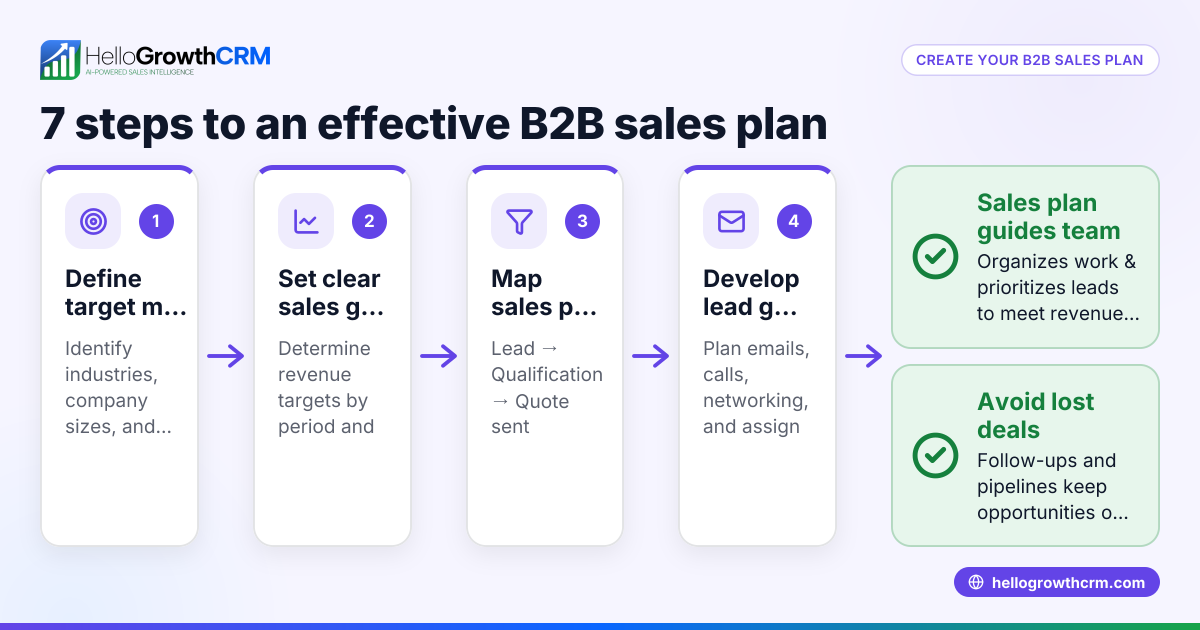
- Outline your sales process stages: Break down the sales cycle into stages like lead generation, qualification, quote sent, negotiation, and close. Define what actions happen at each stage.
- Assign roles and responsibilities: Clarify who on your team handles each stage or activity. This ensures accountability and smooth handoffs.
- Set follow-up and communication plans: Establish timelines for following up on leads and quotes. Decide which communication channels to use (email, WhatsApp, SMS).
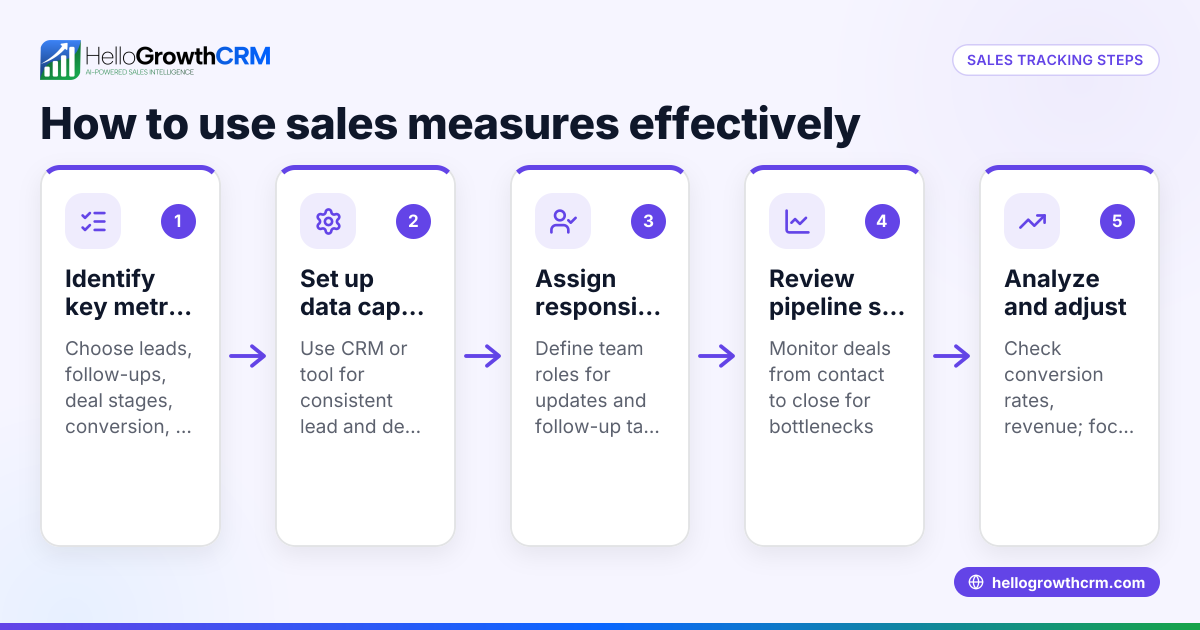
- Create a pipeline management system: Use a tool or spreadsheet to track all deals and their stages. Regularly review and update this pipeline.
- Plan for reporting and forecasting: Decide how often you will review sales progress and forecast future revenue. Use this data to adjust your plan.
- Prepare for challenges and contingencies: Identify potential obstacles and how you will address them.
- Review and update your plan regularly: Sales environments change; keep your plan current.
For pipeline management, consider a CRM with Deals (pipeline) to track opportunities and ensure follow-ups are not forgotten. For managing field sales and territories, tools like Territories, field operations and commissions can help. If you lack a dedicated sales manager, assigning someone internally to maintain follow-ups and pipeline hygiene regularly is vital.
Example (fictional figures)
A residential real-estate team in Phoenix, Arizona, plans their sales manager business plan for Q3 2026.
- Goal: $1,200,000 in sales revenue from home sales by 09/30/2026.
- Average home sale price: $400,000.
- Required sales: $1,200,000 ÷ $400,000 = 3 home sales.
- Lead conversion rate: 10% (1 in 10 leads results in a sale).
- Required qualified leads: 3 sales ÷ 10% = 30 qualified leads.
Step-by-step:
- Generate 100 leads to qualify 30 (assuming 30% qualify).
- Use a CRM to track leads through stages: new lead, contacted, showing scheduled, offer made, contract signed.
- Assign follow-up dates for offers sent to avoid losing deals.
- Review pipeline weekly to adjust efforts.
This plan helps the team focus on the right activities and avoid missing follow-ups that could cost sales.
Common mistakes
- No clear sales goals: Prevent by setting specific, measurable targets.
- Ignoring pipeline updates: Prevent by reviewing and updating the pipeline weekly.
- Unclear roles: Prevent by assigning responsibility for each sales stage.
- Poor follow-up discipline: Prevent by scheduling follow-ups and using reminders.
- Using multiple disconnected tools: Prevent by consolidating sales tracking and follow-ups in one CRM tool.
- Not reviewing plan regularly: Prevent by setting quarterly plan reviews.
Doing this in HelloGrowthCRM
HelloGrowthCRM helps you manage your sales manager business plan through several features. Its Deals (pipeline) feature tracks open opportunities from first contact through close, showing quotations at the "quote sent" stage with follow-up dates so no deal is forgotten. For field sales teams, Territories, field operations and commissions lets reps log visits from their phones and lets managers see daily activity. If you don’t have a dedicated sales manager, you can assign someone internally to manage the follow-up queue every week to keep your pipeline clean and active.
Frequently asked questions
What should a sales manager business plan include? A sales manager business plan should include sales goals, a detailed sales process, team roles, follow-up schedules, pipeline management, and reporting methods.
How often should I update my sales manager business plan? Review and update your sales manager business plan at least quarterly to adapt to market changes and sales performance.
Can a small business owner manage sales without a sales manager? Yes, but it requires discipline and good tools. Assigning someone to regularly work the follow-up queue helps maintain sales momentum.
What tools can help with sales pipeline management? A CRM with pipeline features, like HelloGrowthCRM’s Deals (pipeline), helps track deals, set follow-ups, and avoid losing leads.
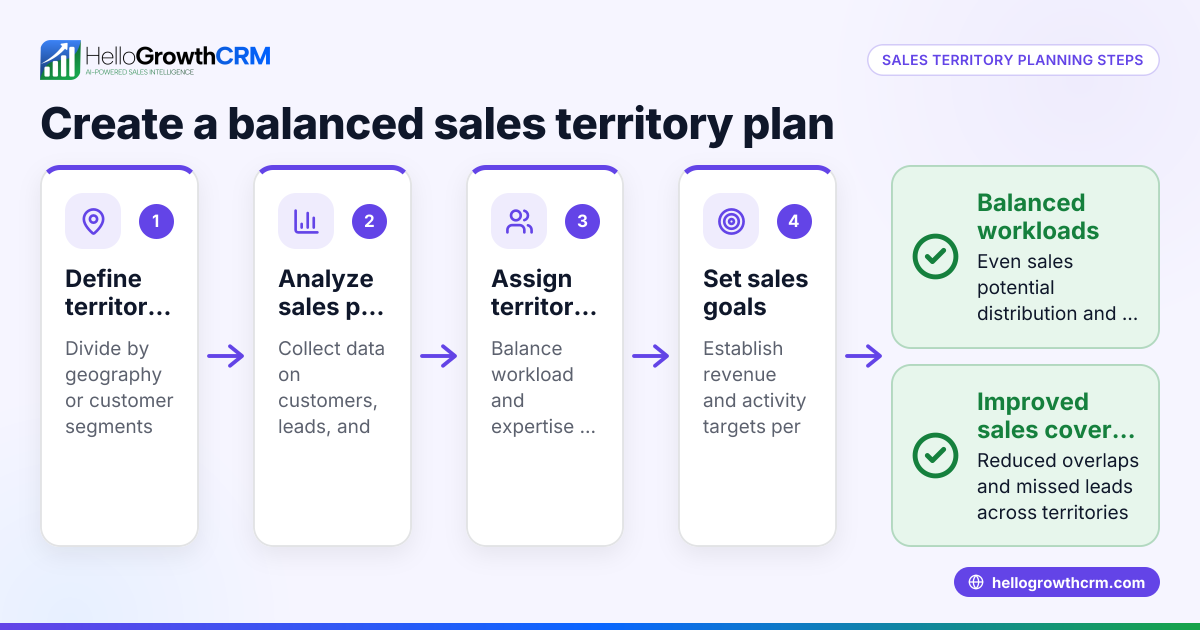
How do I assign sales territories effectively? Define territories based on geography or customer segments and assign reps accordingly. Tools like HelloGrowthCRM’s Territories feature help manage and track field operations.
Key takeaways
- A sales manager business plan sets clear sales goals and defines the sales process.
- Assigning roles and scheduling follow-ups prevent leads from being lost.
- Regular pipeline review and updates keep sales on track.
- Using a CRM with pipeline and territory management features improves sales efficiency.
- If you lack a sales manager, assign someone internally to manage follow-ups and pipeline hygiene.
Start organizing your sales efforts today with HelloGrowthCRM’s free plan. Start on the Free Forever plan (200 leads, no credit card).
Ready to put this into practice?
Set up your pipeline, WhatsApp follow-ups, and AI lead scoring in minutes — free, no credit card.
Try HelloGrowthCRM freeGet CRM tips in your inbox
Join thousands of sales professionals who get weekly insights on CRM strategy, AI automation, and pipeline optimization.

The HelloGrowthCRM team publishes guides on CRM strategy, AI sales tools, and revenue operations for small business sales teams.