HelloGrowthCRM software
Built for real small-business sales teams
HelloGrowthCRM helps reps qualify faster, follow up on time, and close more deals—with practical automation in one place.
- AI lead scoring and pipeline visibility
- Built-in dialer, WhatsApp, and email automation
- Sales forecasting and RevOps-ready reporting
Sales mistakes occur when small businesses lose leads because of slow or inconsistent follow-up, scattered communication across text messages, emails, and spreadsheets, or failure to track deals properly. These errors reduce sales efficiency and revenue. This article covers why these mistakes happen, practical steps to avoid them, a detailed example, common errors to watch for, and how using CRM features can support better sales management.
Why this comes up / what goes wrong
Small business owners and sales teams often juggle many tasks with limited resources. Leads come from different sources but may not be followed up promptly or tracked consistently. Sales communications often happen over text or email without central logging, causing lost context or forgotten prospects. Without a clear sales pipeline or assigned follow-up schedules, opportunities slip through the cracks. This leads to missed revenue, frustrated salespeople, and slowed growth.
Step-by-step
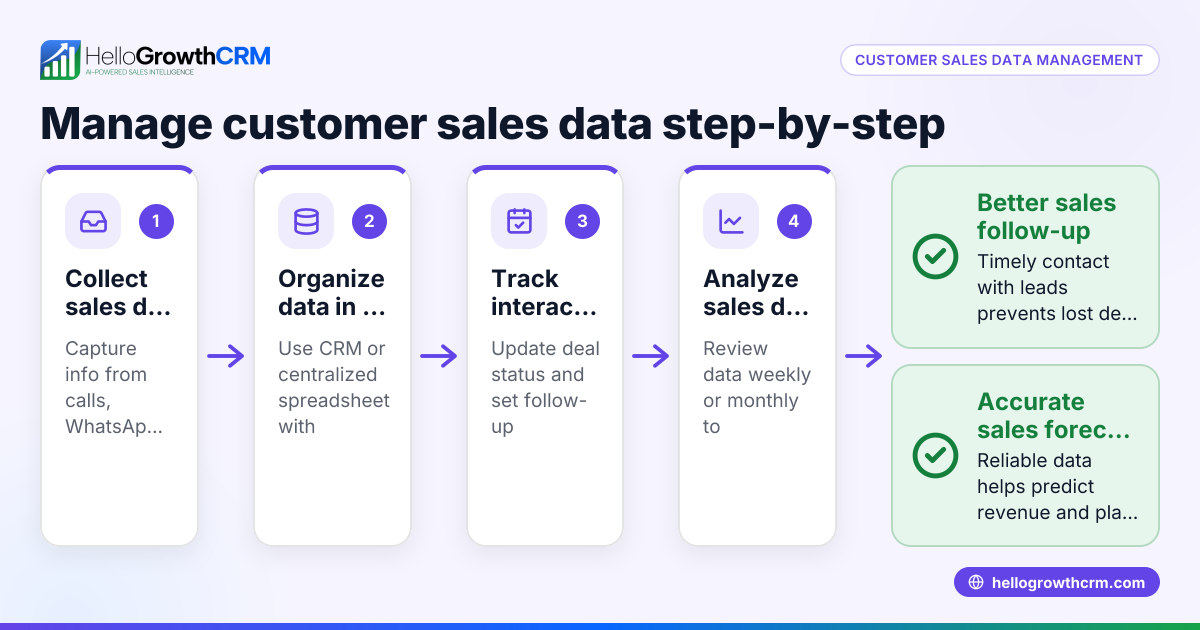
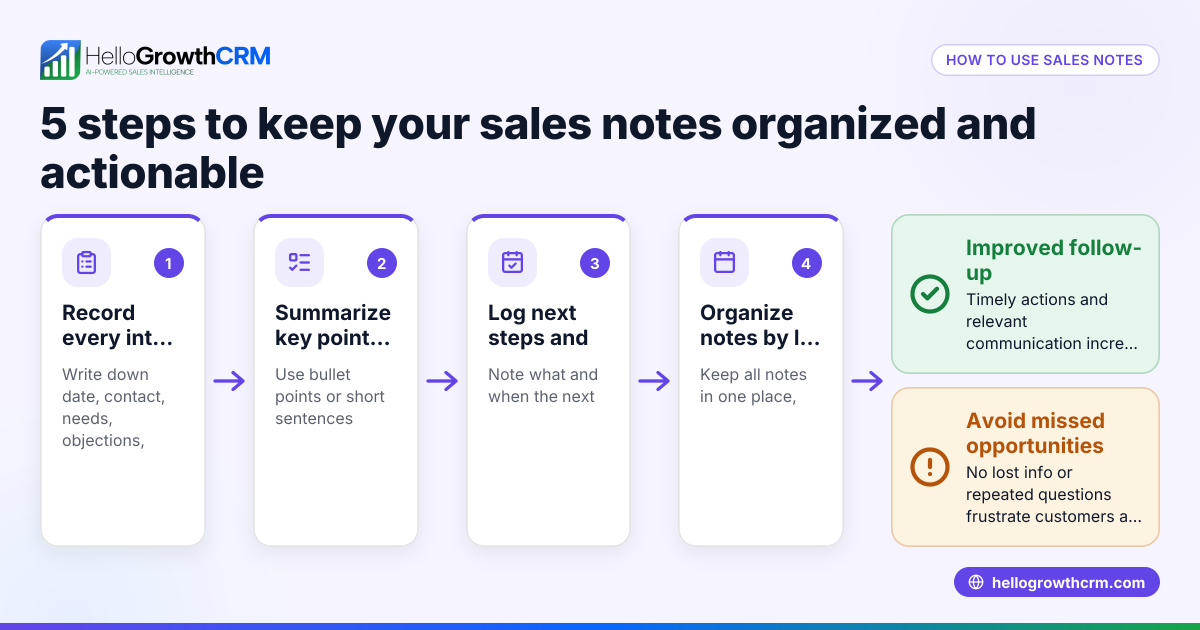
- Capture all leads in one place. Make sure every lead from your website, email, or phone calls is entered into a single system to avoid losing any.
- Organize leads by sales stage. Sort leads into pipeline stages such as New, Contacted, Quote Sent, and Closed so you know the next action.
- Set follow-up dates and reminders. Assign a follow-up date and task for each lead or deal to ensure timely contact.
- Use consistent communication channels. Choose tools like WhatsApp, SMS, or email sequences to keep conversations tracked and professional.
- Review your sales pipeline weekly. Look for stalled deals or overdue follow-ups and assign team members to act.
- Track field sales activities if applicable. Log visits and calls made by field reps to monitor productivity and territory coverage.
- Analyze sales data regularly. Use reports and forecasts to identify bottlenecks and improve your process.
Using a system with built-in pipeline management and follow-up reminders simplifies these steps. For example, a CRM with Deals (pipeline) lets you manage quotations as deals at the 'quote sent' stage with follow-up dates so no lead is forgotten. Field sales tools allow reps to log visits from their phones, giving managers daily activity insights. Learn more about these features in Deals (pipeline) and Territories, field operations and commissions.
Example (fictional figures)
A landscaping contractor in Charlotte, North Carolina, "GreenScape Co.", generates 50 leads in April 2026. They send 20 quotes and close 8 deals worth $120,000 total.
- Leads generated: 50
- Quotes sent: 20
- Deals closed: 8
- Total sales: $120,000
Without follow-up reminders, 5 quotes expire without response. By setting follow-up tasks, they recover 3 deals worth $45,000.
Calculation:
Lost deals recovered = 3 Average deal value = $120,000 ÷ 8 = $15,000 Recovered revenue = 3 × $15,000 = $45,000
With follow-up tasks, revenue increases by $45,000, showing the value of avoiding sales mistakes like forgetting to follow up.
Common mistakes
- Ignoring follow-up schedules. Leads go cold if you don’t contact them on time. Prevent this by setting reminders or using CRM tools with automatic follow-up notifications.
- Using multiple unconnected tools. Tracking sales across texts, emails, and spreadsheets leads to lost information. Consolidate communication and lead tracking in one system like a WhatsApp and SMS CRM. See WhatsApp and SMS CRM.
- Failing to update deal status. Without moving deals through pipeline stages, you can’t prioritize leads effectively. Regularly update deal stages and expected close dates.
- Not tracking field sales activity. For businesses with field reps, lack of visit logs and territory tracking means missed opportunities. Use tools to log visits and monitor territories.
- Poor pipeline hygiene. Old or dead leads clutter your pipeline and waste time. Schedule regular cleanups and assign someone to manage the pipeline.
Doing this with CRM features
A CRM system helps avoid sales mistakes by showing quotations as deals at the 'quote sent' stage with follow-up dates so leads are not forgotten. Field sales teams can log visits from their phones, allowing managers to monitor daily activity and territory coverage. For founders without a sales manager, some services offer weekly follow-up queue management so leads are actively pursued. These features together streamline sales processes and reduce common errors.
Frequently asked questions
What are the most common sales mistakes small businesses make? Common errors include slow follow-up, scattered communication channels, poor pipeline management, and neglecting to track field sales activities. These reduce sales effectiveness and revenue.
How can I improve follow-up with leads? Set clear follow-up dates and reminders for every lead. Use CRM tools that automate notifications and track communication history to ensure timely contact.
Why is pipeline management important? A well-maintained sales pipeline helps prioritize leads, forecast revenue, and identify stalled deals. Updating deal stages regularly prevents opportunities from being overlooked.
Can field sales reps track their visits effectively? Yes, tools allow reps to log visits from their phones, providing managers with real-time insights into territory coverage and productivity.
What if I don’t have a sales manager? Some services provide weekly follow-up queue management and pipeline cleanup support to help founders maintain sales discipline.
Key takeaways
- Capture and organize all leads in one system to avoid losing prospects.
- Set and track follow-up dates to ensure timely contact.
- Use consistent communication channels and log all interactions.
- Regularly update deal stages and clean your sales pipeline.
- Track field sales activities to monitor performance and territories.
- Consider follow-up queue management support if you lack a dedicated sales manager.
Start improving your sales process today with CRM features designed for small businesses and growing sales teams. Start on the Free Forever plan (200 leads, no credit card).
Ready to put this into practice?
Set up your pipeline, WhatsApp follow-ups, and AI lead scoring in minutes — free, no credit card.
Try HelloGrowthCRM freeGet CRM tips in your inbox
Join thousands of sales professionals who get weekly insights on CRM strategy, AI automation, and pipeline optimization.

The HelloGrowthCRM team publishes guides on CRM strategy, AI sales tools, and revenue operations for small business sales teams.