HelloGrowthCRM software
Built for real small-business sales teams
HelloGrowthCRM helps reps qualify faster, follow up on time, and close more deals—with practical automation in one place.
- AI lead scoring and pipeline visibility
- Built-in dialer, WhatsApp, and email automation
- Sales forecasting and RevOps-ready reporting
A virtual inside sales agent is a remote sales professional who handles sales activities such as contacting leads, qualifying prospects, scheduling demos, and closing deals primarily through phone calls, email, WhatsApp, and SMS. Unlike traditional outside sales reps who meet customers in person, virtual inside sales agents operate from an office or home environment, relying on digital tools and CRM systems to manage leads and pipelines efficiently.
Why this comes up / what goes wrong
Small businesses often face challenges like slow lead follow-up, lost sales opportunities, and disorganized sales processes. Hiring full-time in-person sales reps can be expensive and impractical for small teams with limited budgets. A virtual inside sales agent offers a flexible and cost-effective alternative by working remotely to engage leads promptly and consistently. However, without clear role definitions, proper CRM tools, and follow-up systems, businesses risk poor communication, missed leads, and inefficient sales tracking.
Step-by-step
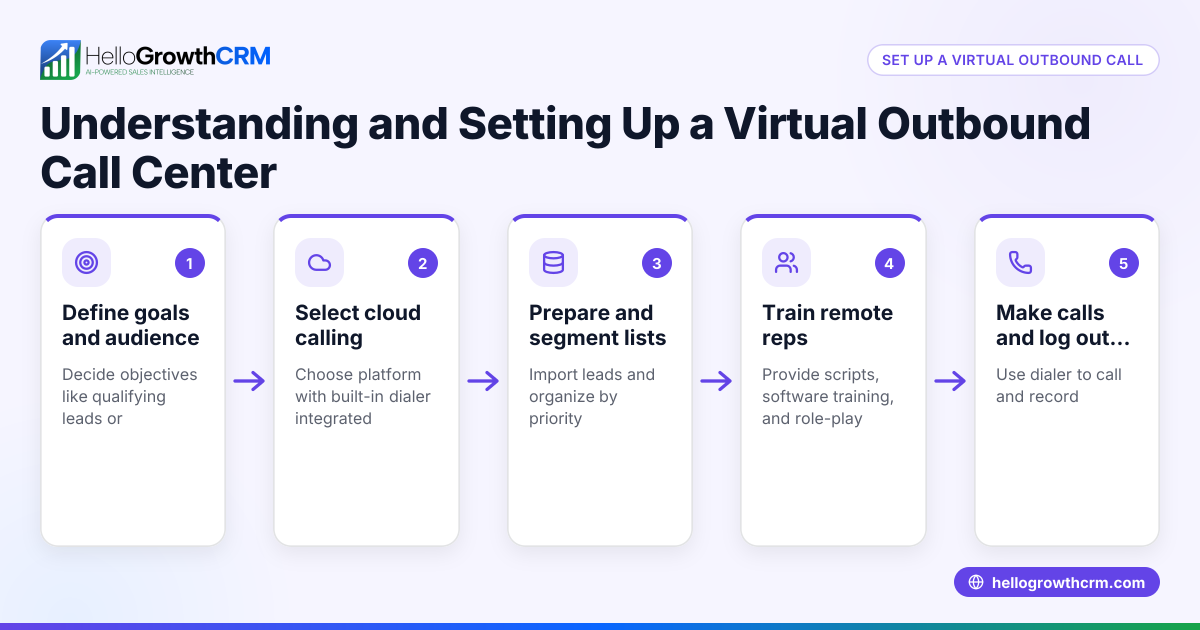
- Define the virtual inside sales agent's role and responsibilities: Decide which sales tasks the agent will perform, such as lead qualification, follow-up calls, scheduling appointments, or closing deals. Check that these tasks align with your overall sales strategy.
- Select communication channels: Choose the digital tools your agent will use, like phone, email, WhatsApp, or SMS. Ensure these channels are convenient for your customers and integrate well with your CRM system.
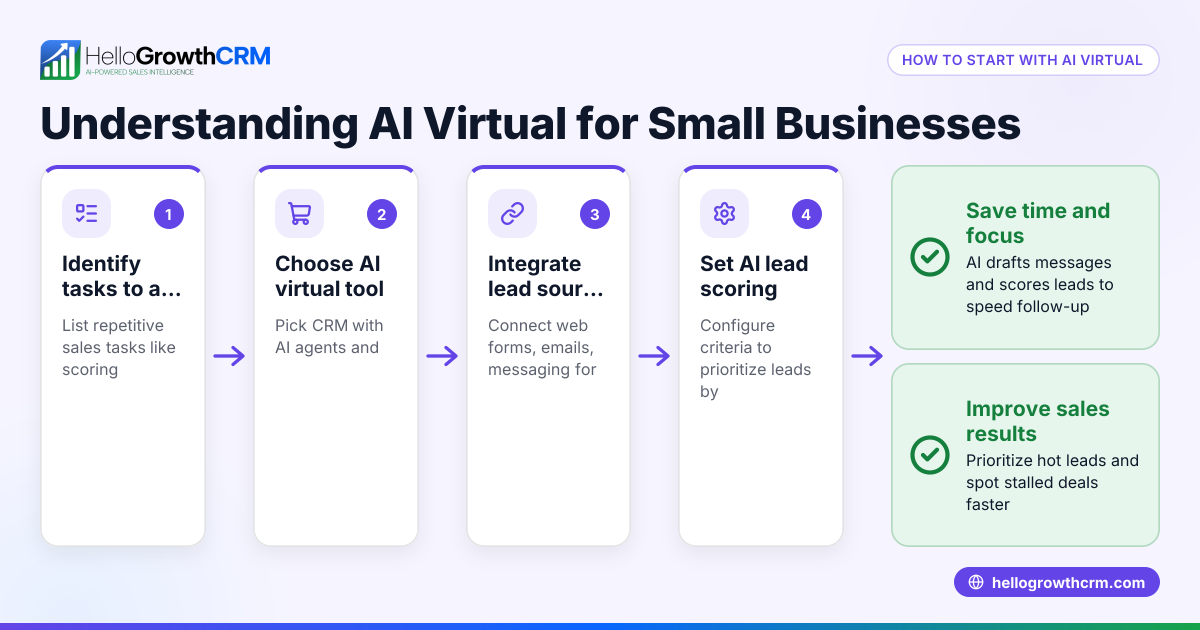
- Implement a CRM system: Set up a CRM that supports pipeline management, lead capture from web forms or integrations, and task reminders. Check that it can automate follow-ups and track deal stages clearly.
- Train your virtual inside sales agent: Provide thorough training on your products, sales scripts, and CRM usage. Regularly check their understanding and provide feedback to improve performance.
- Establish a follow-up schedule: Define how often and when the agent should contact leads. Use CRM reminders or AI tools to avoid missed follow-ups.
- Monitor performance and adjust: Track key metrics such as lead response times, contact rates, conversion rates, and revenue generated. Review pipeline health regularly and adjust sales tactics or training as needed.
Example (fictional figures)
Consider a two-location dental practice in Columbus, Ohio, that hires a virtual inside sales agent to handle new patient inquiries.
- Monthly new patient leads: 150
- Agent's contact success rate: 60% (90 leads contacted)
- Conversion rate from contact to appointment: 25% (22 appointments booked)
- Average revenue per new patient: $500
Calculations:
90 contacted × 25% conversion = 22 appointments
22 appointments × $500 revenue = $11,000 monthly revenue generated
This example shows how a virtual inside sales agent can generate significant revenue by efficiently following up with leads remotely. The agent’s work turns 150 leads into 22 paying patients, resulting in $11,000 in monthly revenue.
Common mistakes
- Lack of clear role definition: Prevent by documenting specific tasks and expectations for the virtual inside sales agent upfront.
- Using too many communication tools: Prevent by standardizing on 2-3 channels that integrate well with your CRM to avoid confusion.
- No systematic follow-up process: Prevent by setting automated reminders or using AI agents to draft follow-ups, ensuring no lead is forgotten.
- Ignoring sales pipeline management: Prevent by regularly reviewing deals and updating their stages in your CRM.
- Insufficient training: Prevent by scheduling ongoing coaching sessions and sharing sales resources.
- Not tracking performance metrics: Prevent by monitoring key indicators like response time, conversion rates, and revenue to refine your sales approach.
Doing this in HelloGrowthCRM
HelloGrowthCRM supports virtual inside sales agents with features designed to keep your sales process organized and efficient. Its Deals (pipeline) tool tracks open opportunities from first contact through close, showing quotations at the 'quote sent' stage with follow-up dates so nothing is forgotten. AI agents can draft follow-up messages after calls, allowing reps to review and send quickly, reducing manual effort. For businesses with field reps, the territories and field operations tools enable logging visits from mobile devices and let managers monitor daily activities. Learn more about these features on our AI CRM and WhatsApp and SMS CRM pages.
Frequently asked questions
What is the difference between a virtual inside sales agent and a traditional sales rep? A virtual inside sales agent works remotely using digital communication tools, while a traditional sales rep often meets customers face-to-face. Virtual agents focus on quick lead follow-up and qualification without travel time.
Can a virtual inside sales agent handle complex sales? Yes, with proper training and CRM support, virtual agents can manage complex sales processes, especially when aided by pipeline tracking and AI tools.
How do I measure the success of a virtual inside sales agent? Track metrics like lead response time, contact rates, conversion rates, and revenue generated. Use CRM reports to monitor deal stages and forecast sales.
What communication channels work best for virtual inside sales agents? Phone calls, email, WhatsApp, and SMS are common. Choose channels your customers prefer and that integrate with your CRM for seamless follow-up.
How does HelloGrowthCRM support virtual inside sales teams? HelloGrowthCRM offers pipeline management, AI agents for drafting follow-ups, and territory tools for field reps. These features help keep your sales process organized and efficient. See more on HelloGrowthCRM for the United States.
Key takeaways
- A virtual inside sales agent remotely manages sales using phone, email, WhatsApp, and SMS.
- Clear role definition, CRM setup, and thorough training are essential for success.
- Use follow-up schedules and pipeline tracking to avoid losing leads.
- Regularly monitor sales metrics and adjust processes to improve results.
- HelloGrowthCRM features like Deals (pipeline) and AI agents support virtual sales teams effectively.
Start your virtual inside sales journey with HelloGrowthCRM. Start on the Free Forever plan (200 leads, no credit card) and organize your sales pipeline today.
Ready to put this into practice?
Set up your pipeline, WhatsApp follow-ups, and AI lead scoring in minutes — free, no credit card.
Try HelloGrowthCRM freeGet CRM tips in your inbox
Join thousands of sales professionals who get weekly insights on CRM strategy, AI automation, and pipeline optimization.

The HelloGrowthCRM team publishes guides on CRM strategy, AI sales tools, and revenue operations for small business sales teams.